
Opening a café is exciting. You sketch a logo, settle on a name, hand in your notice. Everyone’s story is different. What decides the outcome is not only how much you care about coffee but how clearly you see what can go wrong. Plenty of first-time owners make mistakes that cut straight into the bottom line. Here are the eight that come up most often.
Putting looks ahead of function
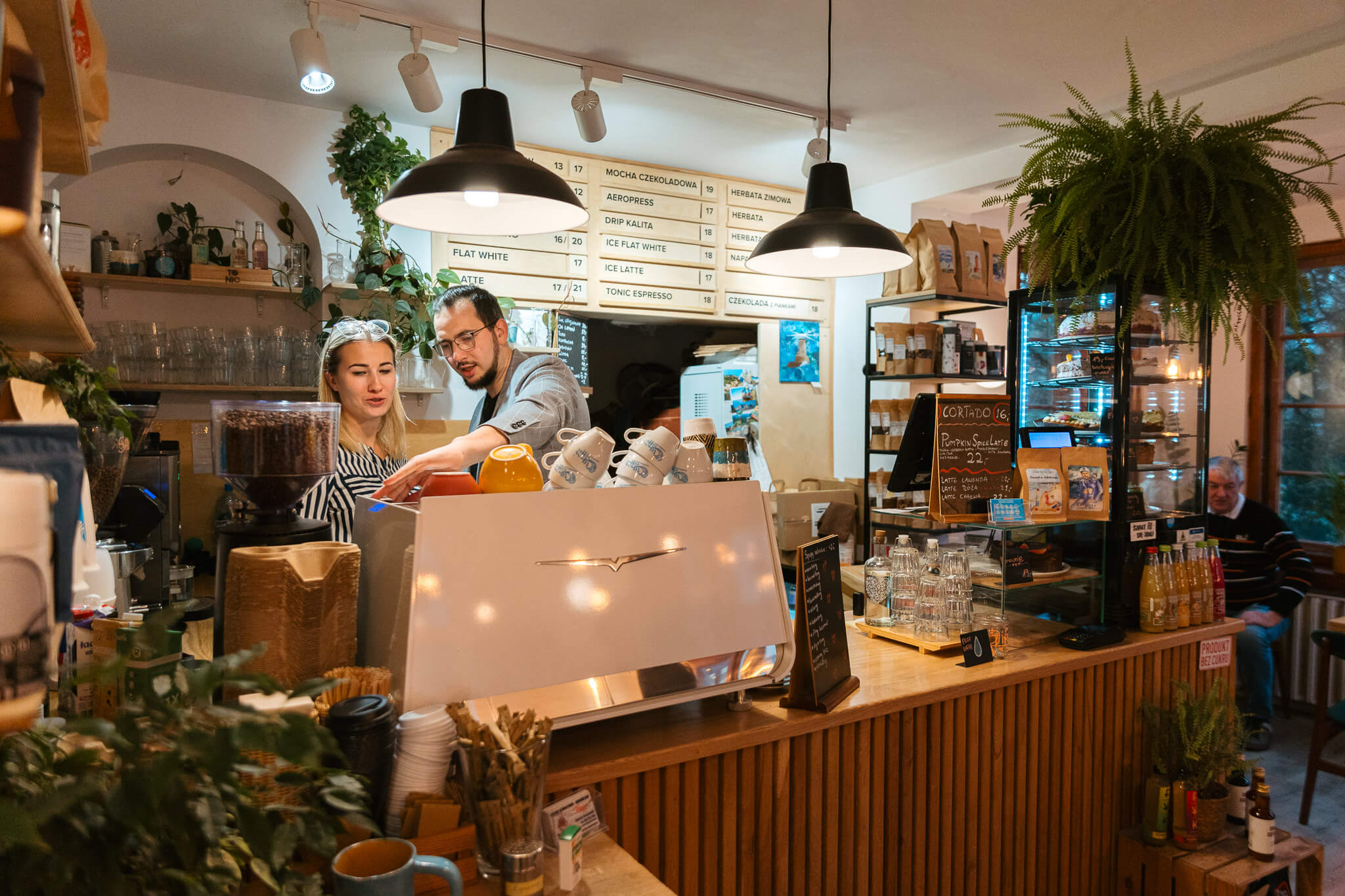
A good-looking café brings people through the door, but it is the ergonomics of the space that decide how fast and how well you serve them. A badly planned bar, a grinder set too far from the machine, no logical flow of work, and you get chaos and slow tickets. A classic error is putting the milk fridge somewhere awkward, which forces baristas into pointless extra steps and slows the whole bar down.
The fix is to think the layout through: machine, grinder and milk steaming in one line, close together. Rather than leaving it to the interior designer’s vision alone, run the bar layout past baristas who have worked one. They know where the seconds go. A well-planned bar keeps the work flowing, shortens service times and makes the place better to work in and better to sit in.
Not training the staff properly
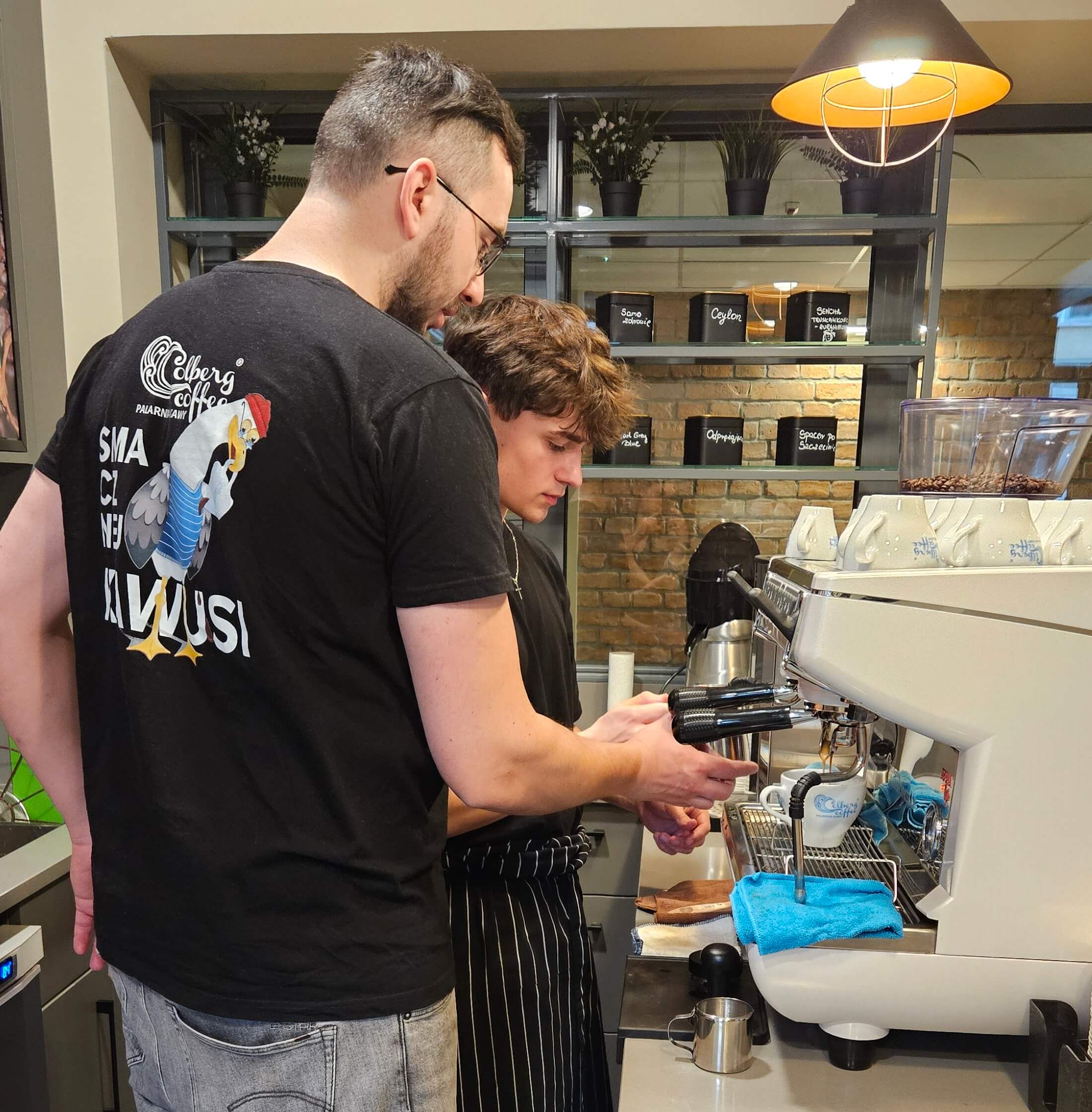
The best equipment and the best coffee count for nothing if the barista cannot dial in the grinder, cannot judge a brew ratio and cannot steam milk. A lot of owners spend heavily on an espresso machine and forget that a badly made coffee will put a customer off faster than an average interior ever will. Training has to cover espresso and filter technique, but also how to recognise faults in the cup and the basics of service, because that is what people actually remember.
The common version of this mistake is hiring inexperienced staff and assuming they will pick it up “on the job”, which produces drinks that are different every time. Get your baristas trained by professionals, or work with a coffee roastery like Colbergcoffee that supports staff training as part of the partnership. A team that knows what it is doing gives you a consistent cup, quick service and customers who come back.
Underestimating what it costs to run a café
Vague financial planning is one of the most common reasons a café fails, particularly in the first year. Beyond the obvious costs, rent and wages, the less obvious ones get missed: waste from products going out of date, machine servicing, and the rising price of milk and coffee. Seasonality matters too. A café in a holiday town can take good money all summer and then watch takings collapse in winter.
To stay out of trouble, keep a reserve for the things you did not plan for and track the margin on individual menu lines, so you know whether a given coffee sells well enough to justify its place. A solid business plan that models the pessimistic case as well as the optimistic one keeps you clear of cash-flow problems. Scaling up in stages helps as well: rather than committing to a large site straight away, start smaller, for example a specialty café built around takeaway.
Read also: How to open a café, step by step
Assuming a good product sells itself
Plenty of owners start from the belief that good coffee will speak for itself. In practice there is far too much competition to rely on the product alone. Without marketing, even excellent coffee goes unnoticed, especially in an area thick with places to eat and drink. Being active on social media, posting photographs, reels and stories from behind the bar, is the baseline for getting your name known.
Ranking in Google matters just as much: an optimised Google Business Profile with reviews, photographs and opening hours that are actually correct. Building a relationship with the neighbourhood helps too, whether that is running tastings, working with businesses next door, or letting customers help choose the next coffee on the menu. Cafés that promote what they do and involve their customers get known faster and stay ahead.

A pricing strategy that has not been thought through
Badly calculated prices lead straight to money trouble. Too low and the business does not work, too high and you put people off, particularly in a competitive market. Looking at what the competition charges is useful, but it cannot be the only input. What matters is food cost, the real cost of making each coffee, including ingredients, energy, waste and the barista’s time.
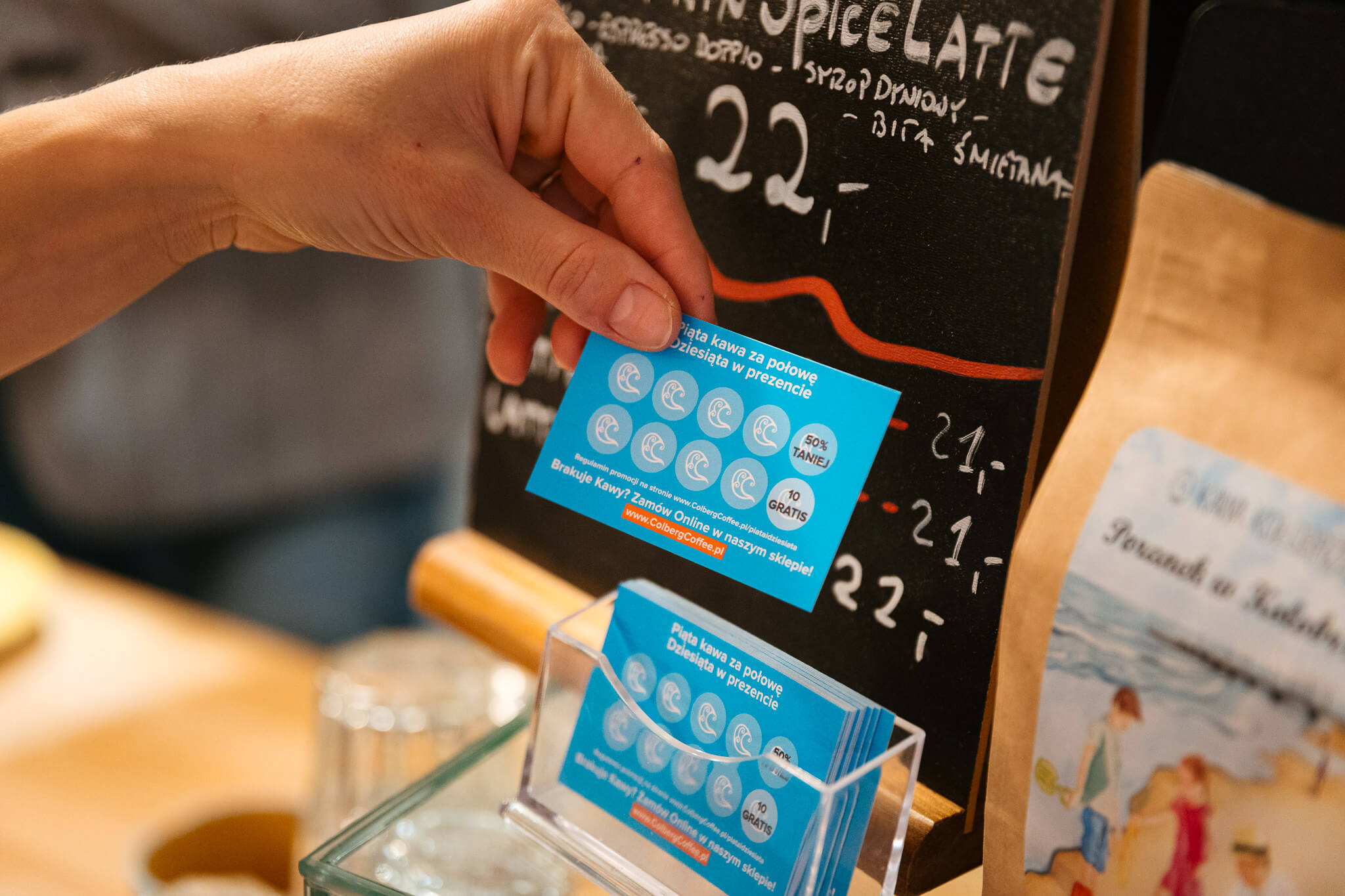
The textbook error is applying one flat margin across everything. A filter coffee does not cost the same to make as a cappuccino on plant-based milk, so the prices should follow the real economics. It is also worth testing different approaches: a morning offer, breakfast deals, or a loyalty scheme, all of which push up the average spend.

Ignoring what local customers actually want
Every location has its own rules. What works in central Warsaw will not necessarily work in Kołobrzeg on the Polish coast. A frequent mistake is copying trends from abroad without checking whether local customers want them, for instance offering nothing but filter methods somewhere most people come in expecting a classic espresso. Before you open, watch the competition, talk to people who live there, and look at footfall at different times of day, so the offer matches real demand.
In an office district, quick service and takeaway will do better. In a holiday town, people may want somewhere comfortable to sit and something they cannot get elsewhere, such as seasonal coffees or desserts built on local cooking. Matching the concept to what customers actually want raises your chances and builds loyalty.

No plan for the seasons
Every café has to deal with the trade swinging through the year. In summer people reach for cold brew, espresso tonic and coffee lemonades, in winter for spiced lattes and hot chocolate. A menu that ignores the season means lower sales and customers drifting to places that do run seasonal drinks. Holiday periods count too: limited-edition drinks in winter, a gingerbread cappuccino or a coffee with cinnamon syrup, and fruit-led coffees in summer.
The weather drives trade as well. On hot days people buy more takeaway, on cold ones they look for somewhere comfortable to sit for an hour. A proper seasonal plan, covering menu changes, flexible offers and opening hours, keeps sales steady through the whole year.
No long-term plan for the business
Running a café is about today’s takings, but also about what comes next and keeping up with how tastes move. Without a plan for where the place is going it becomes predictable and loses its pull, which happens fast in hospitality. Bringing in something new on a regular basis, seasonal drinks, your own blends, or work with local suppliers, keeps people interested.
Events help: coffee workshops, tastings of a new lot. They bring the community in and pull in people who have never been through the door. A long-term view built on steady growth, investment in training and customer loyalty is what lets a café do more than survive.
Mistakes happen, and it is cheaper to learn from someone else’s. If you need help choosing an espresso machine, arranging barista training or finding better coffee, get in touch and we will be glad to help.
