How do you open a café? I asked myself that a lot before I stepped into the river. I looked online and found very little that told me what to actually watch out for. In this guide I go through the things that matter most when you are opening a new café. Opening an ordinary café is relatively easy. Opening a café that makes money means studying a lot more of the business.
The concept, and reading the market
Choosing your model is the step that decides everything else. Work out whether you are doing specialty coffee, a classic espresso bar, or fast grab and go service. In a big city, small places built around quick service for office workers do very well, while in a holiday town such as Kołobrzeg on the Polish coast, cafés with somewhere to sit and good coffee do better.
Reading the market means looking hard at the competition. What cafés already operate nearby? Are they chains or independents? What do they charge? What brings people in? In Warsaw, places like Stor and Forum stand out on coffee quality and minimalist design, which is what pulls in younger professionals and freelancers.
Defining who you are serving matters just as much. Open near a university and it is worth having affordable options, filter coffee and student deals. In a business district, classic espresso and quick breakfasts to take away work better. In tourist spots, the market square in Kraków or a seafront promenade, people go looking for something out of the ordinary: pour-over methods, or local specialities.
You need something that sets you apart. It might be your own blend, a slow bar built around pour-over, unusual combinations such as espresso tonic in summer, or an interior nobody else has. One café we know serves baking built on local flavours instead of the usual cakes, for instance a cake made with Toruń gingerbread, a Polish speciality.
Reading the market properly is not only sizing up the competition. It is understanding what local customers want, then building a concept that fills a gap and stands apart from everything else on the street.
Read also: How to choose ceramics for a café: a practical guide
Location: the thing success hangs on
Where you open goes a long way to deciding whether the place is profitable. Heavy footfall is what works: near offices, universities, stations or tourist attractions. City centre cafés in Warsaw or Kraków often turn over a lot, but the rent comes with it.
When you look at a site, check parking and how close the public transport stops are. If you are after business customers, an office district is the place to be, somewhere like Rondo Daszyńskiego in Warsaw. A café aimed at students can do very well next to a campus, where people want good coffee and somewhere to work.
Go through the lease terms carefully. Does the rent include utilities, how long is the term, and is there room to negotiate? Some cafés, in shopping centres for example, pay lower rent but have opening hours imposed on them. It is also worth watching the footfall on site over several days at different times, to be sure the customers you are counting on are actually there.
Paperwork and registering the business
To open a café in Poland you have to register a business, usually as a sole trader or a limited company, and that choice drives your tax rate and your bookkeeping. Talk to an accountant about which form of taxation works out best, flat-rate or linear.
The premises have to meet food hygiene requirements, which means approval from Sanepid, the Polish sanitary inspectorate. They check the layout of the rooms, access to water and how food is stored. If you plan to sell alcohol, coffee liqueurs or wine for instance, you need a separate licence, and both the cost and the procedure vary from one town to another.
You also have to register a fiscal till with the tax office before you start trading. Check whether the premises need any further permissions, for an outdoor terrace or for signage on the building, so nothing catches you out after you open.
Choosing your coffee supplier and your equipment
The coffee supplier matters enormously, especially if the café is built on quality, small-batch beans. Work with a roastery that gives you freshly roasted coffee, a consistent flavour profile and support with barista training. Working with a small-batch roastery that supplies specialty coffee across a range of flavour profiles is one way to stand apart from the competition.

What makes a good coffee roastery?
Reliable supply matters just as much. Inconsistent beans will lose you your regulars. So taste different lots and agree delivery terms, for instance fresh beans every week. Factor in what your customers want too. In a city centre, demand for quick espresso and classic milk drinks will be high, whereas somewhere built around pour-over methods (Chemex, V60) you can lean on lighter roasts.
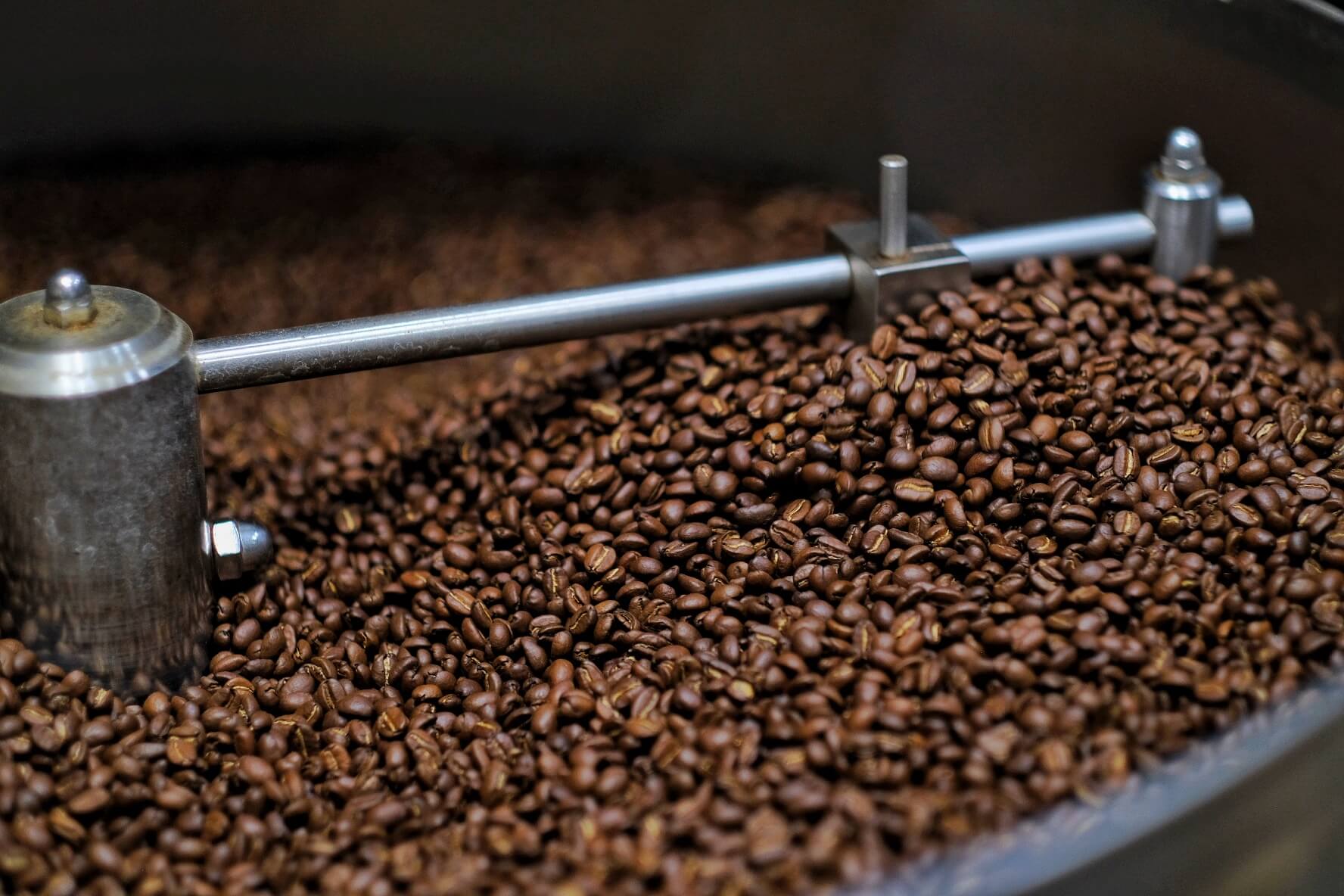
The equipment follows the concept. A specialty café needs a commercial espresso machine and a precise grinder, a Mythos or a Mahlkönig, which will give you repeatable grinding. If the café is built on fast service and the coffee sits alongside the baking, a bean-to-cup machine with a milk system may be the better answer. Good water filtration is not optional either: without it the kit wears out faster and the coffee tastes worse.
Beyond the machine and the grinder, think about a hot water boiler for teas and filter, fridges for the milk, an automatic tamper, and baking equipment if you plan to make your own cakes. Kit that has been chosen well does more than improve the coffee: it makes the baristas faster and the service smoother.

Get in touch and we will help you open your café
The menu and how to price it
Build the menu around the classics, espresso, cappuccino, latte, plus the things that mark you out: cold brew in summer, or flavoured coffees made with good syrups. Pour-over methods are getting more popular, and a dripper, Chemex or AeroPress on the bar will pull in the more clued-up coffee drinkers. Offer plant-based drinks (oat, pea) and cakes for different diets, vegan and gluten free.

Price off your ingredient costs, the competition and what your customers expect. In a prestige location people will pay more, while in an office district morning coffee deals and breakfast sets may matter more. The margin on coffee is usually 65 to 75%, and it can be higher on premium drinks and pour-over. It is good practice to test your prices early on and adjust them to real demand by looking at sales over the first few months.
The fit-out
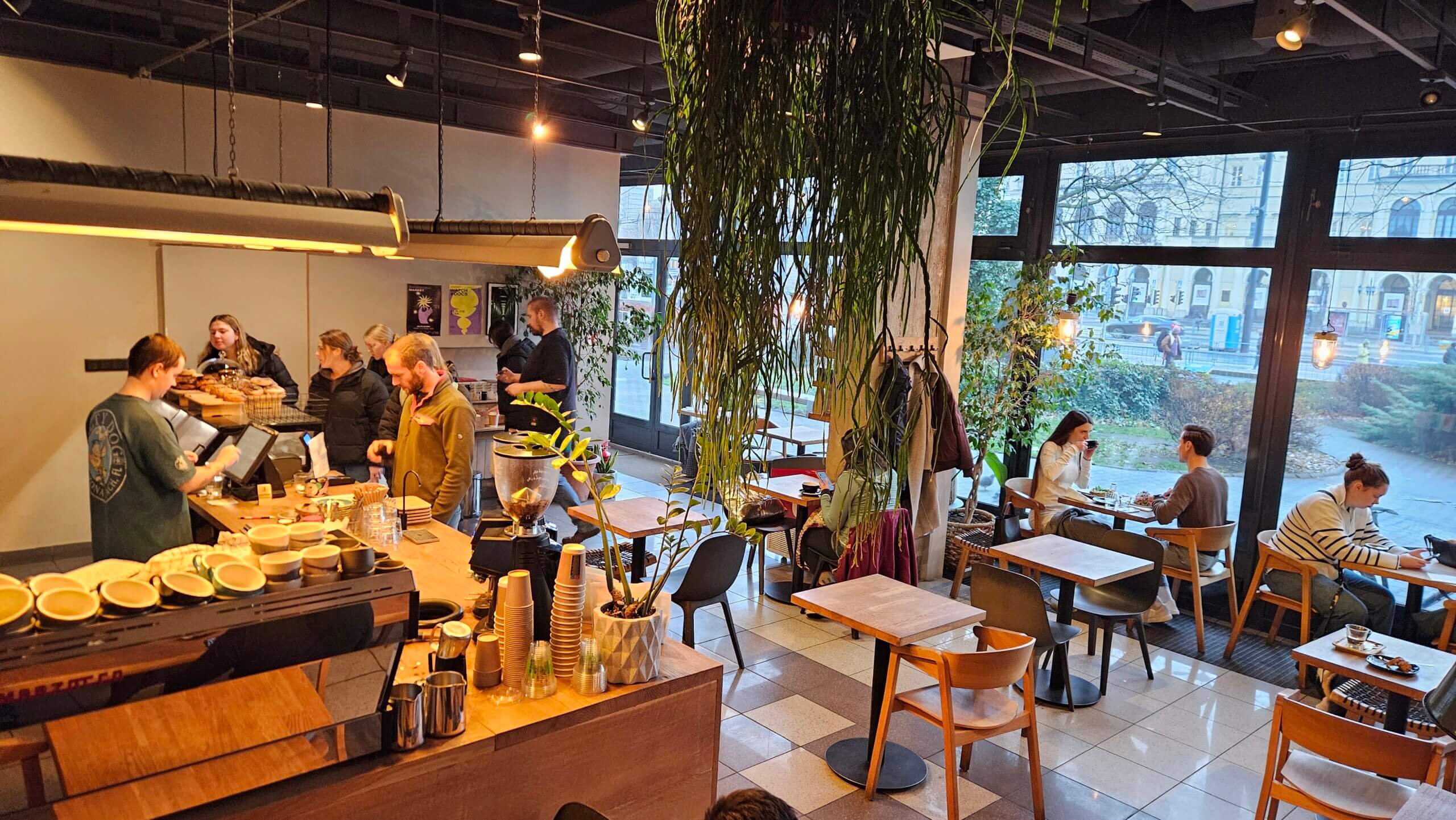
What the room looks like decides the first impression and whether people come back, so work towards one coherent style that says what the place is: industrial minimalism, warm Scandinavian, or something retro. Lay the tables out sensibly so the space is comfortable to use, and get the lighting right, daylight plus warm lamps, because that is what makes a room feel welcoming.
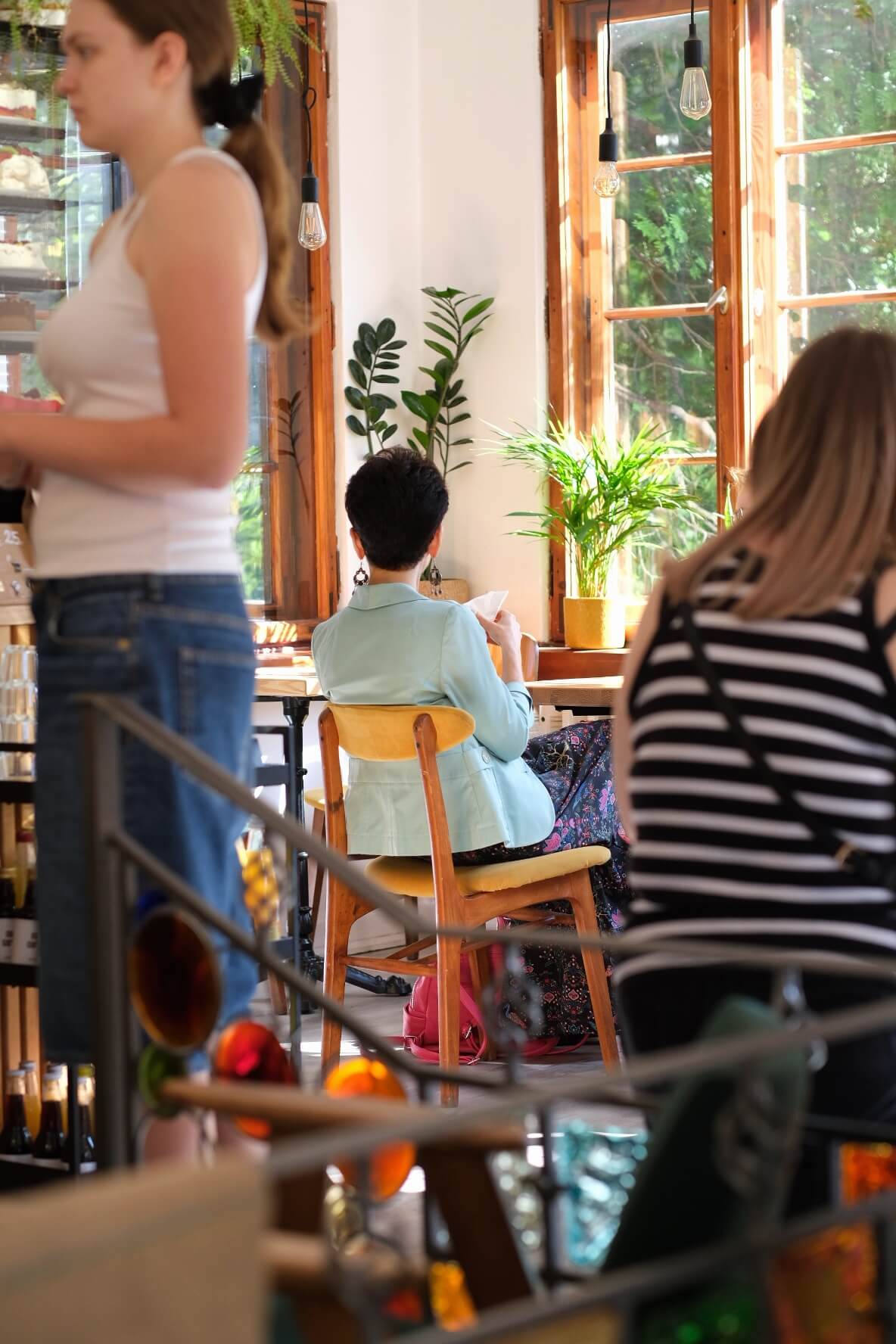
Acoustics matter more than people expect. Timber panels, upholstered chairs and curtains all soak up noise and make guests more comfortable, which counts double in a small room. Think about the music as well, so it fits the place and is not so loud that it drives away the people who came to work or to talk.
A room has to work for the baristas too. A well planned bar cuts the time it takes to make a drink and keeps things moving when it is busy. Putting the machine, the grinder and the milk station in one line removes wasted movement and speeds up service.
Marketing and promotion
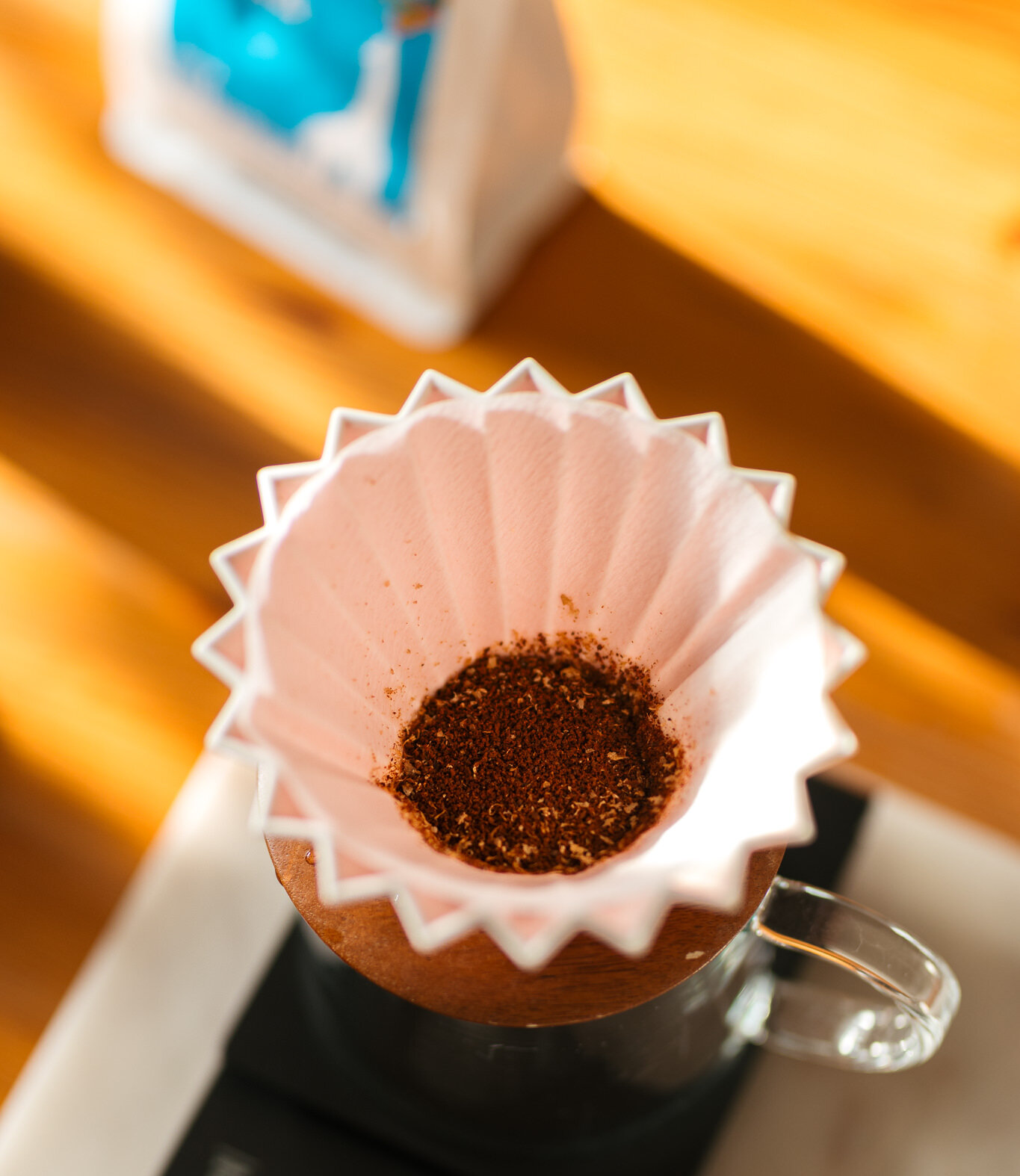
Social media is central to getting the word out. Posting coffee, the room and what happens behind the bar builds engagement and brings people in. Short video works particularly well: brewing on a pour-over, tasting new flavours, showing off an unusual lot such as El Salvador Anaerobic from Colbergcoffee.
Look after how you show up in Google too, with a Google Business Profile carrying current opening hours and reviews. Good reviews, and replies to comments, make you look credible and bring new people through the door.
For opening day, plan something: a tasting across different coffees, offers on selected drinks, or a competition on social media. It is the fastest way to build a local community around the place.
Service, and keeping people coming back
Good service is what makes a café work. A friendly, well trained barista does more than pull a good shot: they create the atmosphere, which is what brings people back. Training in brewing, latte art and customer service builds a consistent standard, and that is what separates you from everyone else.
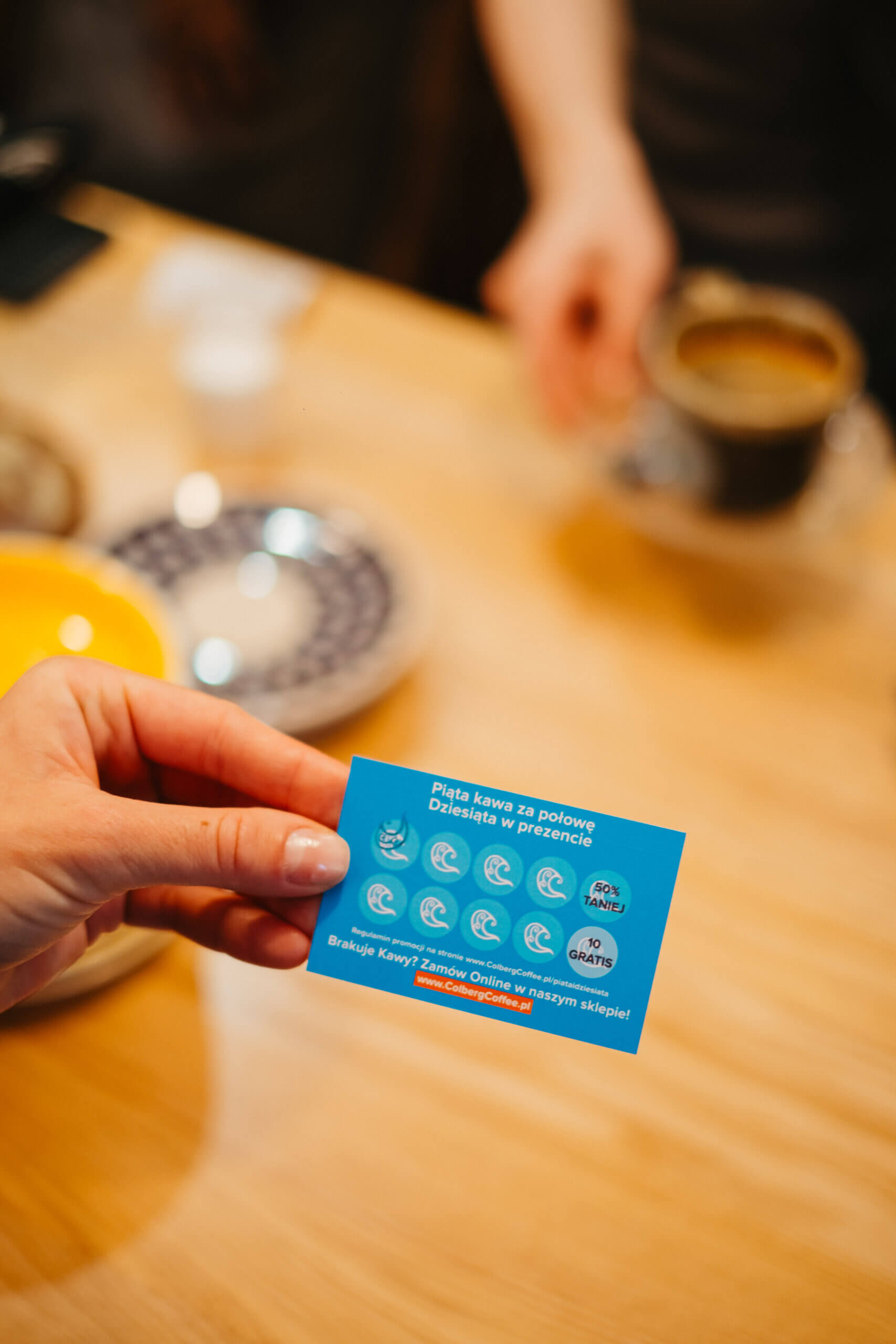
Loyalty schemes, a stamp card (every ninth coffee free, say) or a points app, genuinely get people coming back. So does knowing your customers: remembering their names or their usual order (“espresso, no sugar, for Marcin?”) makes people feel welcome. Small gestures, a free small drink for a regular on their birthday, turn occasional customers into people who bring their friends.
Is it worth opening a café?
Opening a café is a matter of passion, but it is also a job that demands market research, dependable suppliers and marketing that works. Success comes down to location, the quality of the coffee (working with a roastery you trust, such as Colbergcoffee) and the customer experience, which means trained staff and a room people want to sit in.
The cafés that do best are the ones that stand apart: a distinctive offer, drinks of their own, an interior with an idea behind it. Consistency in the cup matters too, because that is what turns a visitor into a regular.
Open your café with us
Buy your equipment and your coffee from us and we will help you put the business together at no extra cost.
Get in touch and we will tell you how we can help.
Write to b2b@colbergcoffee.pl or call +48 509 636 411.
