

You can tell good loose-leaf tea by four things: how the dry leaf looks, its smell, the colour of the liquor, and the leaf once it’s brewed. You don’t need any tasting experience for this, just a teaspoon of tea, a white cup and a few minutes of attention. Here’s what to check and how to do it at home.
Loose-leaf tea versus tea bags
Most standard tea bags contain small leaf fractions, known as fannings and dust. Small particles have a large surface area, so they brew fast and give a strong, dark liquor straight away. Particle size on its own doesn’t decide quality, but with a bag you can’t actually see what’s inside, and a second infusion is usually weak.
Loose-leaf tea means whole or broken leaves. It brews more slowly and the flavour develops gradually. That doesn’t make every loose-leaf tea good, though: cheap blends get sold loose too, which is exactly why it helps to know how to judge one.
The dry leaf: what to look for before brewing
Tip a teaspoon of tea onto a sheet of white paper. Within a given grade, good dry leaf should look reasonably even, with leaves of similar size and colour that fit the character of that tea. Stems are intentional in some teas, but a lot of random dust, fibre and broken bits points to poor sorting or damaged leaf.
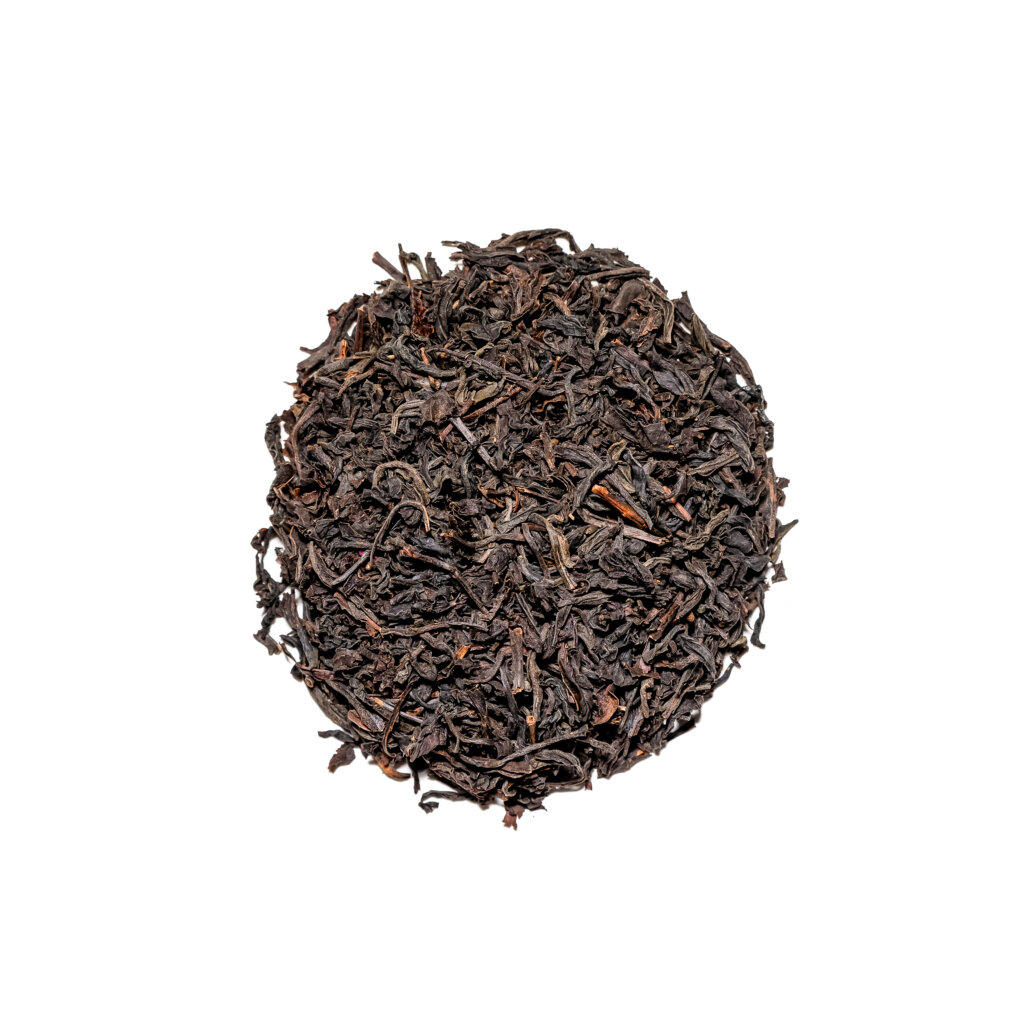
Leaf size alone doesn’t tell you everything. A broken leaf is a different grade, not a worse tea. Our loose-leaf black tea, the Ceylon BOP, has a deliberately broken leaf. It brews faster and gives a stronger liquor than whole leaf does. Here’s how black teas, mainly from India and Sri Lanka, get graded:
| Grade | What it means | What to expect |
|---|---|---|
| OP (Orange Pekoe) | whole, longer leaves | release flavour more slowly than small fractions |
| FOP, GFOP, TGFOP | whole leaves with a share of young buds (tips); the G and T mean golden, prominent tips | describes the leaf’s appearance and grade, not a guaranteed flavour |
| BOP (Broken Orange Pekoe) | broken leaves | a stronger, darker liquor in less time |
| Fannings | small leaf fragments | quick, strong liquor, common in tea bags |
| Dust | the finest fraction | infuses very quickly, common in tea bags |
Green, white and blue teas (oolong) have their own grading systems, which vary by country and style. Here what matters most is whether the dry leaf looks the way it should for that style: whole, rolled, or with buds, whichever it’s meant to have.
Smell and freshness of the dry leaf
Smell the dry leaf as soon as you open the pack. Good tea smells clean and true to its style: black tea can be malty or honeyed, green tea vegetal. A musty, stale or clearly off smell usually points to poor storage.
Tea absorbs outside smells easily and loses its aroma when exposed to light. Keep it in a sealed, opaque container, away from coffee and spices. Green tea in particular loses its fresh character quickly, so it’s better to buy it in smaller amounts.
The liquor: colour and clarity
Brew in a white cup or a glass mug so you can see the colour properly. The liquor’s colour should match the type of tea: white tea gives a straw-coloured liquor, black tea amber, green tea a pale green or golden shade. A liquor from young, downy buds can carry fine hairs, and that isn’t a fault.
Cloudiness on its own isn’t enough to judge quality by, since water and small leaf particles affect it too. Black tea can also turn cloudy as it cools. That’s a natural effect called tea cream, not a flaw.
The brewed leaf tells you the most
After brewing, tip the leaves out onto a small plate. Check whether the wet leaf looks the way it should for its grade. In whole-leaf teas, the leaf clearly unfurls and has an even colour. In broken-leaf teas such as BOP, you’re left with smaller fragments, and that’s exactly the point.
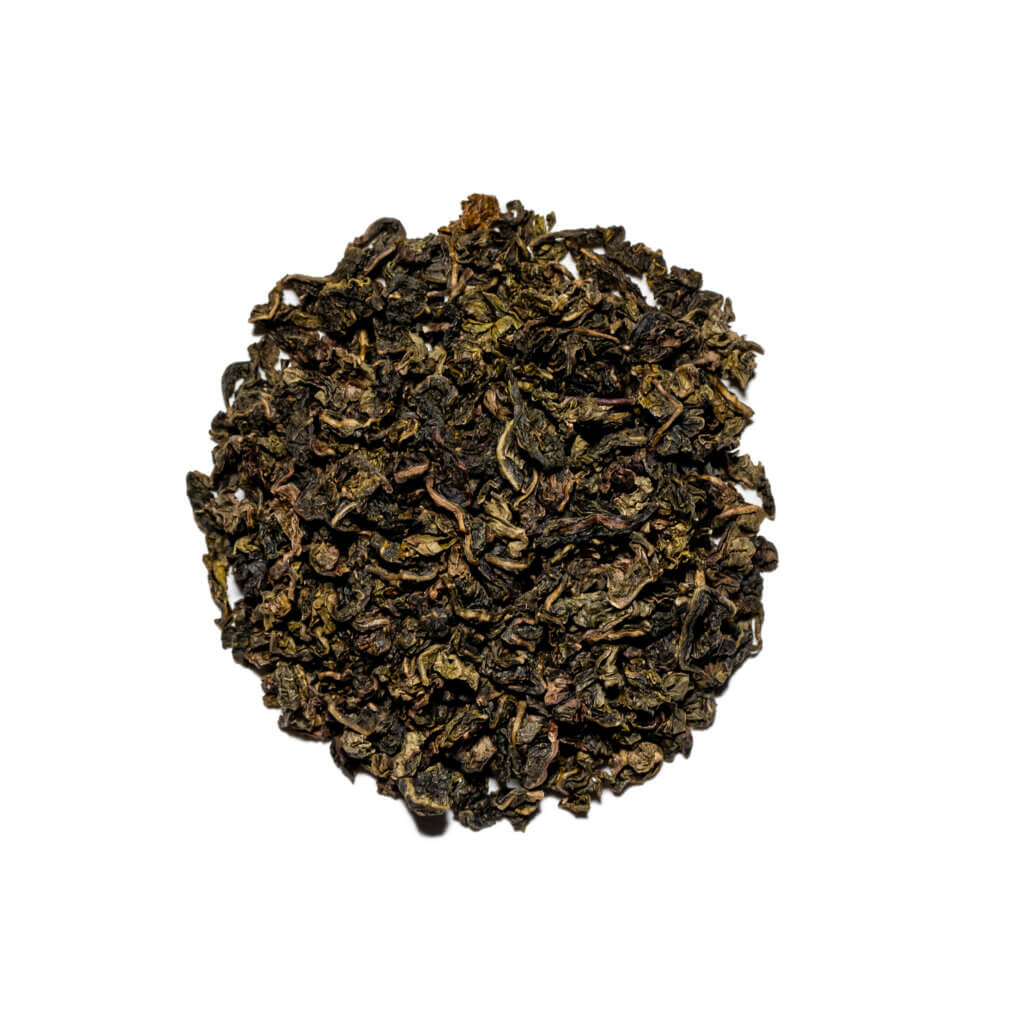
This shows up clearly on rolled teas. The leaves of Gunpowder green tea are rolled into small pellets and gradually unfurl as they brew. Milk Oolong opens up its leaf in the cup too.
Flavour and how many infusions you get
Good tea has a flavour you can actually name: sweetness, floral notes, fruit, nuts, a touch of smoke. Some bitterness can show up, but it shouldn’t drown out everything else. If a tea tastes only bitter and astringent, check your water temperature and brew time first. Water that’s too hot makes green tea more bitter and astringent, so stick to the guidelines for that particular tea.
A second test is how it handles repeat infusions. Many whole-leaf teas hold up well over several brews, though how many depends on the type of tea, the leaf size and the dose. Here’s what we recommend for the teas we stock:
| Tea | Temperature | Brew time | Number of infusions |
|---|---|---|---|
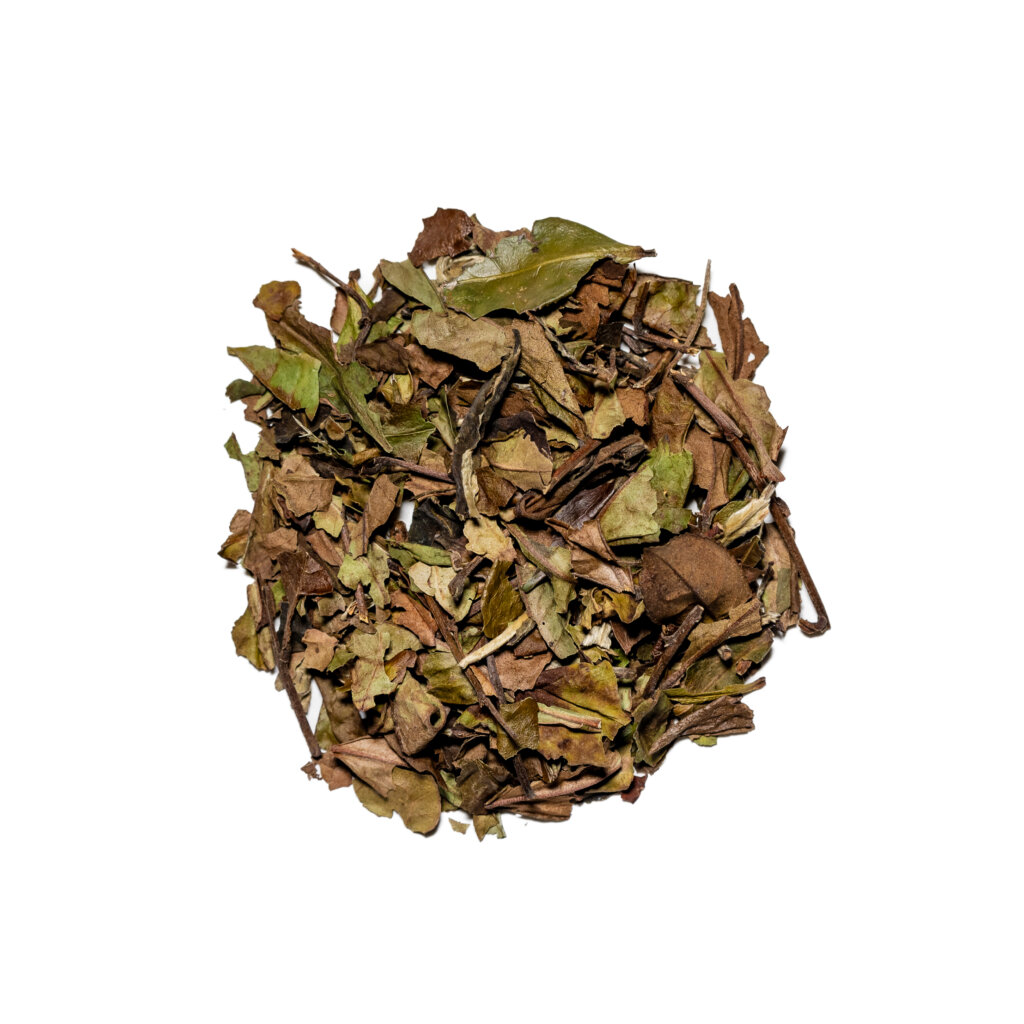
| White Tea King (white) | 80-85°C | 5 min | 2 |
| Gunpowder (green) | 70-80°C | 2-4 min | 3-4 |
| Milk Oolong (blue tea) | 90°C | 3-4 min | 2 |
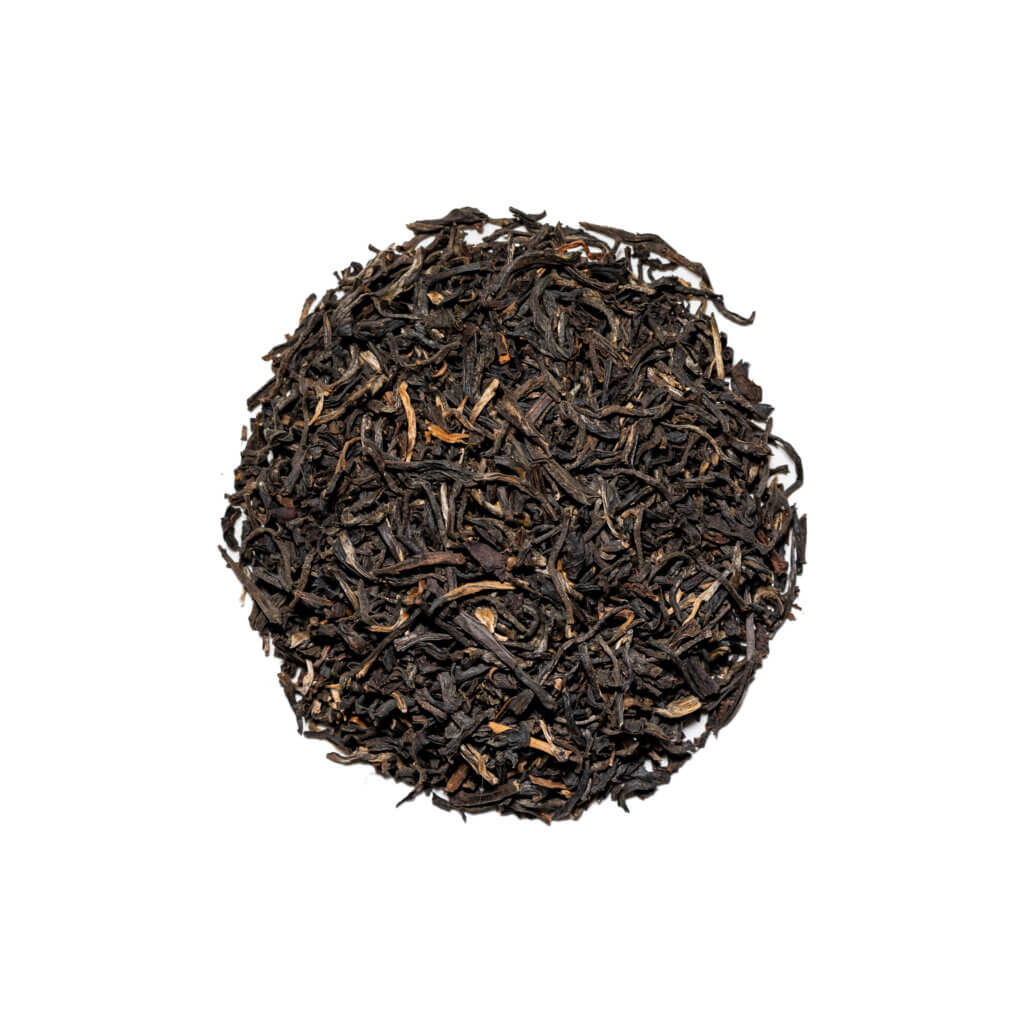
| Golden Dragon (black) | 95°C | 3-4 min | 1-3 |
| Ceylon BOP (black) | 95°C | 2-3 min | 1 |
Ceylon BOP is a one-infusion tea, because the broken leaf releases its flavour quickly. That’s not a sign of lower quality, just a different leaf grade. You’ll find more green teas with brewing guidance in our loose-leaf green tea category.
Flavoured teas and fruit blends
With flavoured teas you’re judging two things: the base and the add-ins. Under the pieces of fruit and flower petals there should be proper tea leaf, not dust. Read the ingredients label. A good blend tells you what tea forms the base, what’s been added, and whether flavouring has been used.
Fruit and herbal infusions with no actual tea leaf aren’t technically tea at all. Judge them by whether the fruit is in whole pieces and how they smell once brewed. Our fruit teas are a one-infusion tea, brewed for 6-10 minutes at 90-95°C, since fruit needs more time than leaf does.
Powdered teas, such as matcha and powdered hojicha, are a separate category. There’s no leaf to judge here, only the colour, smell and fineness of the powder. We’ve covered that in our piece on how matcha and hojicha differ.
How to recognise good tea: the short list
- Dry leaf: even within its grade, no random dust.
- Smell: clean, no mustiness or off notes.
- Liquor: the colour typical for that type of tea.
- Brewed leaf: looks the way it should for its grade.
- Flavour: the notes are nameable, and bitterness doesn’t drown out the rest.
We sell all our loose-leaf teas in 100 g packs. You’ll find brewing guidance on each product page.
Loose-leaf tea: frequently asked questions
How can you tell good loose-leaf tea?
By even dry leaf with no random dust, a clean smell, a liquor colour typical for that type of tea, and a wet leaf that looks the way it should for its grade. How many times you can re-infuse it depends on the type of tea.
Is broken leaf a worse tea?
No. Broken leaf, such as BOP, is simply a different grade of tea. It brews faster and gives a stronger liquor. Fannings and dust are even finer fractions, often found in tea bags. Fraction size on its own doesn’t decide the tea’s quality, though.
Why does black tea turn cloudy as it cools?
As the liquor cools, compounds from the leaf, including polyphenols and caffeine, bind together and create the cloudiness known as tea cream. It’s a natural effect, not a flaw.
How many times can you brew loose-leaf tea?
It depends on the tea. Gunpowder green tea can be brewed 3-4 times, White Tea King and Milk Oolong twice, and Golden Dragon black tea one to three times. Our Ceylon BOP and our fruit teas are one-infusion teas.
How should you store loose-leaf tea?
In a sealed, opaque container, away from light, moisture, coffee and spices. Tea absorbs outside smells easily. Green tea in particular loses its fresh character quickly.
Why is my green tea bitter?
Usually water that’s too hot or brewing for too long. Our green teas are brewed at 70-80°C for 1.5-4 minutes, depending on the tea. Water that’s too hot increases both bitterness and astringency.
