

Matcha or hojicha: how do they differ, and what do they actually have in common? Although both teas come from Japan, they have a completely different character and flavour.
In this post we explain which leaves matcha and hojicha are made from, where their characteristics come from and how to choose the tea that best fits your day.
What is matcha and what tea is it made from?
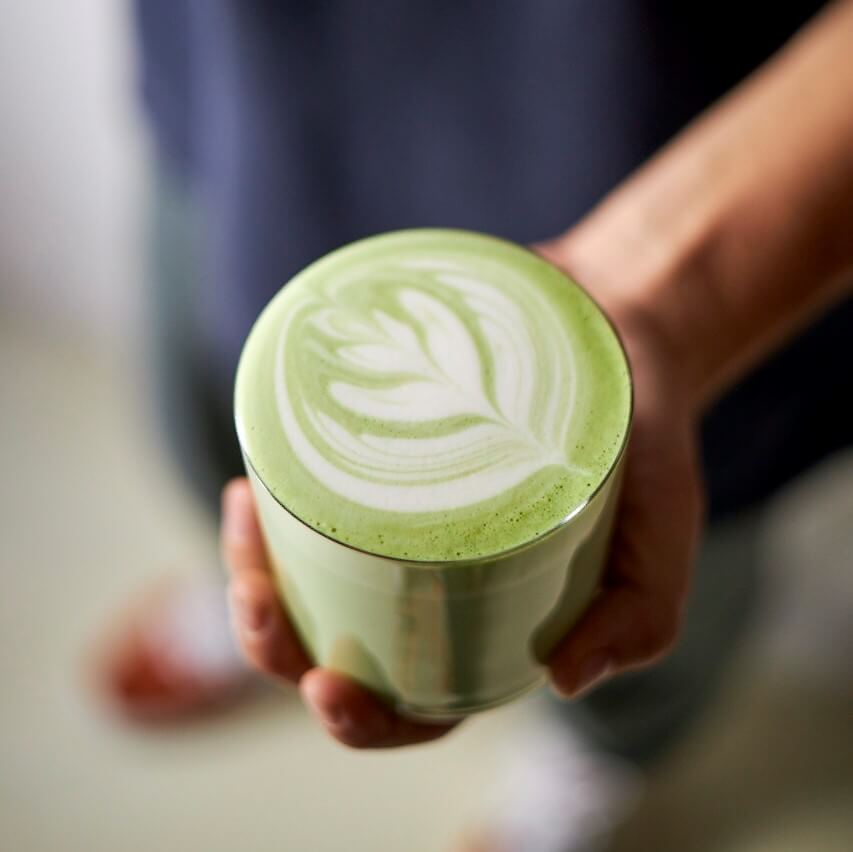
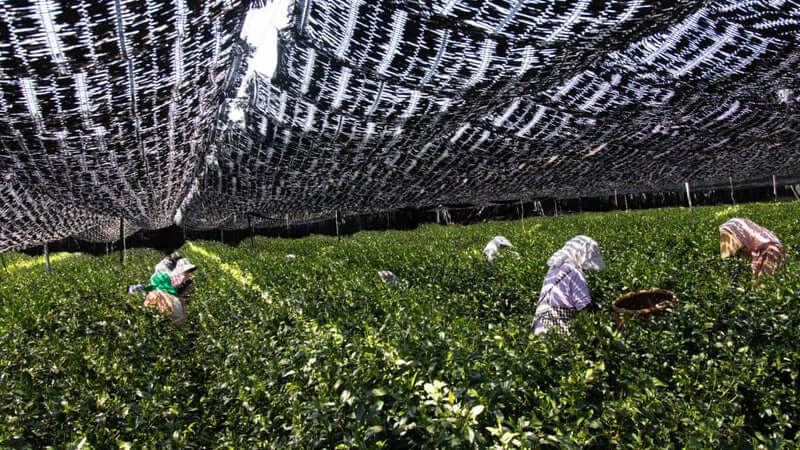
Matcha is made from young leaves of tencha green tea, which are shaded before harvest. Limited access to light makes the plant produce more chlorophyll and amino acids, so the leaves gain an intense colour and a more delicate flavour.
After harvest the leaves are steamed, dried and cleaned of their tougher parts, then ground into a very fine powder. That is the form in which they end up in your cup as matcha.
With matcha you drink the whole tea leaf rather than an infusion, so you consume everything the leaf contains, caffeine included.
What is hojicha and what tea is it made from?
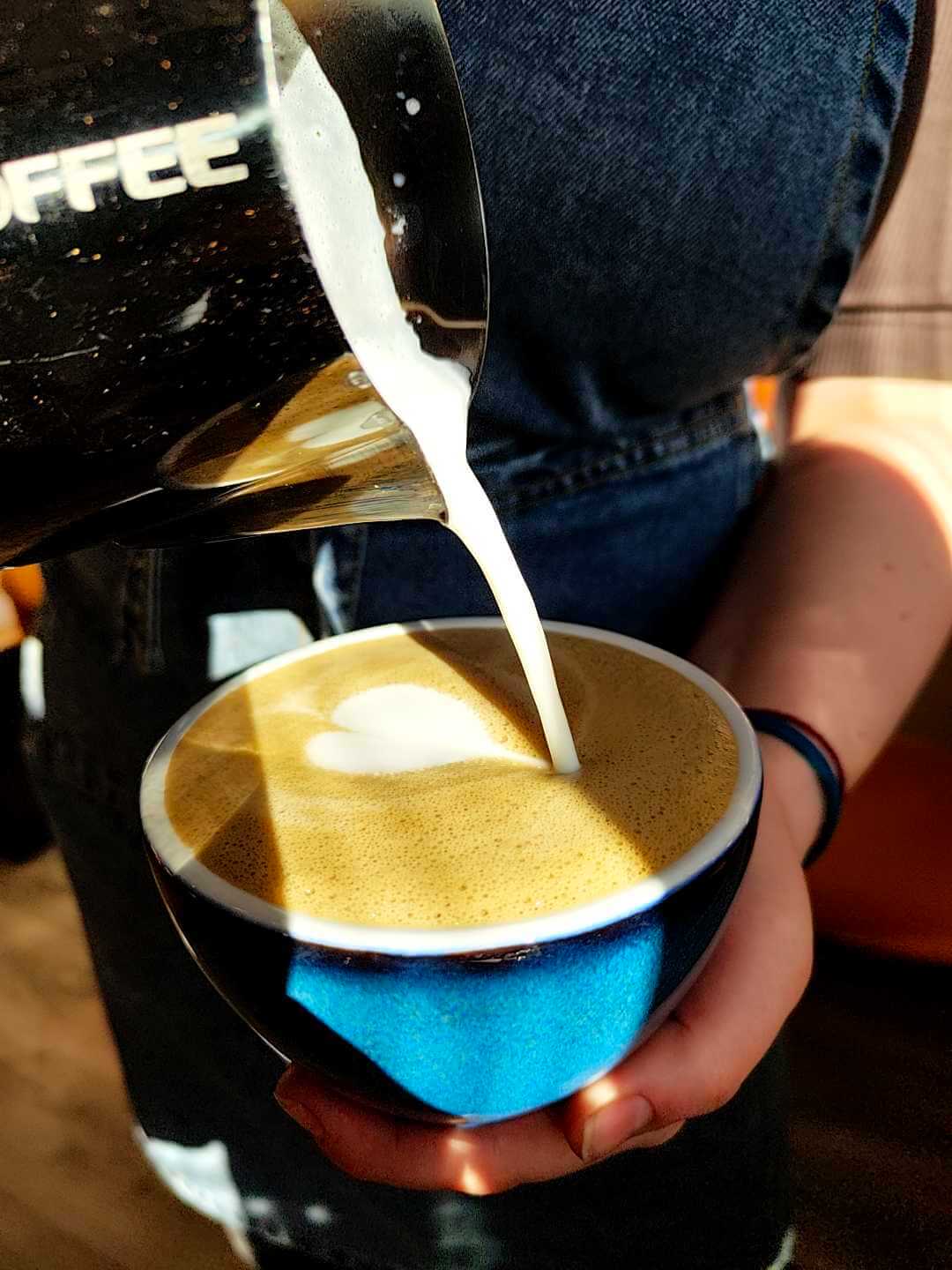
Hojicha is also made from green tea, but it uses different parts of the plant than matcha. It is usually based on bancha or lower-grade sencha, meaning more mature leaves picked later in the season. Stems and shoot fragments are often used as well, and they naturally contain less caffeine.
The key stage is roasting at a high temperature. During roasting the leaves lose their green colour and their caffeine content drops, while aromas reminiscent of caramel, cocoa and nuts develop. It is this stage that gives hojicha its distinctive character.
In Japan hojicha is often drunk in the evening, as part of a relaxing ritual.
Where do the differences between matcha and hojicha come from?
The basic difference between matcha and hojicha comes down to three things: the type of leaves, how they are grown and how they are processed after harvest.
Matcha is made from young, shaded leaves that retain a high content of their natural compounds. Hojicha is made from older parts of the plant, which are also roasted, and that changes their chemical structure.
That is why matcha is intense and hojicha calm and mellow. It is not a matter of a different tea species but of a completely different approach to processing.
How processing shapes the flavour
The flavour of matcha is directly linked to its composition. A high amino acid content gives it its characteristic umami and a light natural sweetness. Good-quality matcha has a creamy texture and should not be noticeably bitter.
Hojicha owes its flavour profile to roasting. The high temperature creates aromatic compounds reminiscent of coffee and baked goods. That makes hojicha warm and very approachable, even for people who are not keen on classic green tea.
Matcha or hojicha: which one to choose?
The choice between matcha and hojicha depends mainly on the time of day and your own needs. Matcha works best in the morning and during work. It is often chosen as an alternative to coffee.
Hojicha, on the other hand, suits the afternoon and evening. It usually contains much less caffeine, so it is also a good choice for people who are sensitive to caffeine.
In practice many people drink both teas, matching them to the rhythm of their day.
Summary: what matcha and hojicha share and how they differ
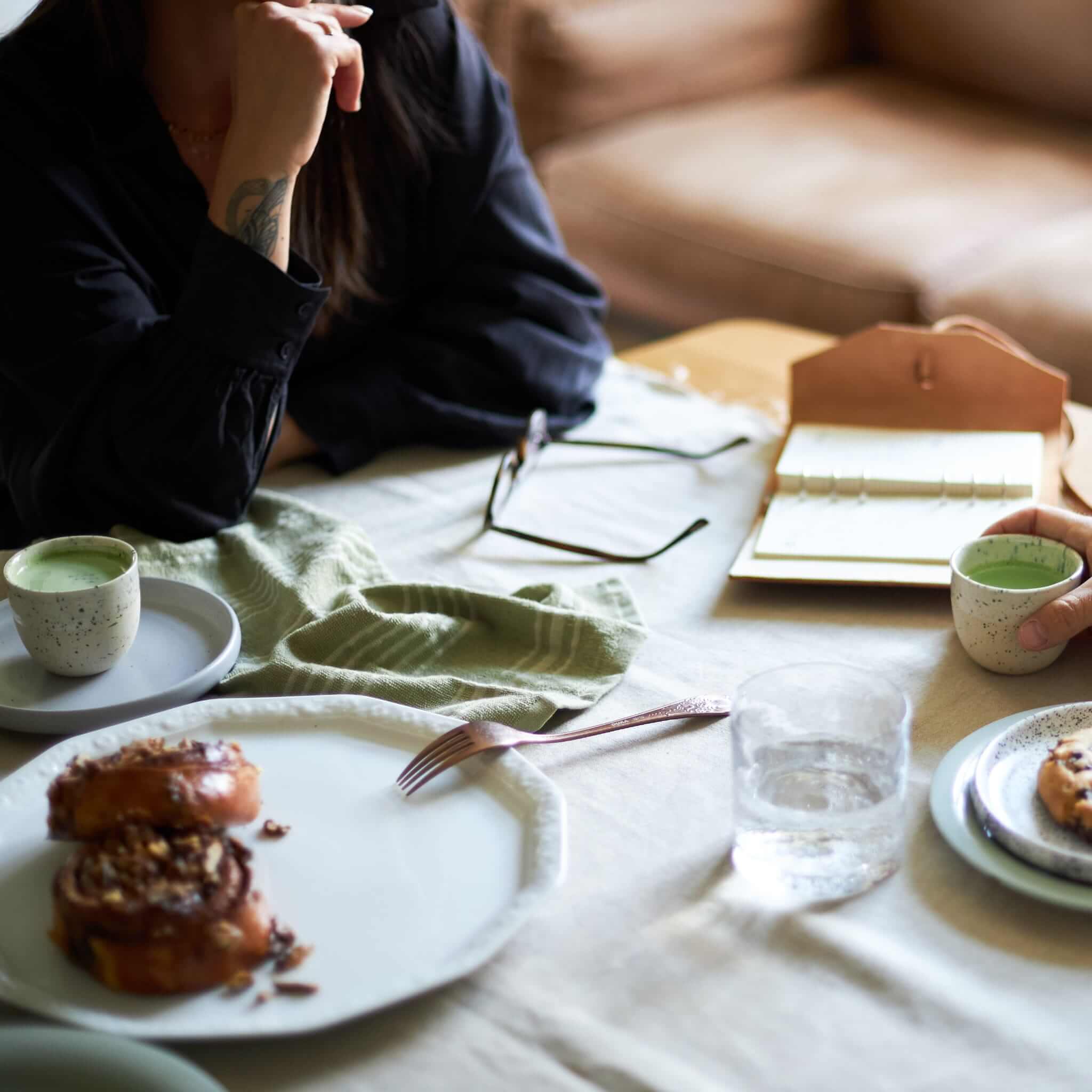
Matcha and hojicha are both made from green tea, but their character is shaped by completely different processes. Matcha is based on young, shaded leaves and is consumed whole, which makes it intense. Hojicha is made from older leaves that are roasted, which gives it a mellow character.
What they share is high quality, Japanese tradition and popularity.
FAQ: matcha and hojicha
Which matcha should I start with?
To start with, a premium grade matcha works best. It is milder in flavour, easier to prepare and more forgiving of small mistakes (e.g. whisking too hard or getting the ratio wrong).
Why does matcha sometimes taste bitter?
Usually the water is too hot, there is too much powder or the matcha is simply lower quality. In practice it is enough to lower the temperature and fine-tune the ratio, and the flavour becomes much creamier.
Can hojicha replace coffee?
Yes. Hojicha gives a “coffee-like” impression thanks to its roasted caramel and nut notes, while being much milder and usually containing far less caffeine. It is a great option for people who want to cut down on caffeine but not on flavour.
How should I store matcha so it stays fresh?
The most important things are an airtight seal and protection from light and moisture. Once opened, keep matcha in a well-closed container and try to use it within a few weeks, while its aroma and colour are at their best.
Does hojicha work in milk drinks?
Yes, hojicha pairs very well with milk and plant-based drinks. In a latte its dessert-like, roasted notes come through, which is why many people treat it as a milder alternative to a milky coffee.
