How to choose good coffee, that’s the question
A dozen or so years ago, before I understood why one coffee tasted superb and another fell flat, I used to pick coffee by the prettiest packaging on the supermarket shelf. Supermarket coffee rarely told you anything useful about what was actually in the bag. Working as a barista and getting deeper into specialty coffee taught me a handful of basic rules that will help you choose good coffee, because good coffee means something different to everyone. Here’s what I’ve learned, to make the choice easier for you.
Choosing the best coffee beans: pay attention to the species
Choosing the right beans is the first step towards enjoying the full flavour of your next cup. The two species you’ll come across most often are Arabica and Robusta. Arabica is gentler (less bitter), with a sweetish taste and fruity, floral notes, while Robusta is more intense and bitter, with noticeably more caffeine.
When our customers say they want something gentle, they usually mean low acidity. For us, gentle means low bitterness.
It’s also worth looking at blends and single origin coffees, which offer distinctive flavour profiles shaped by where they were grown. When choosing a coffee, match the beans to your own taste and to how you actually brew.
Why is freshly roasted coffee better?
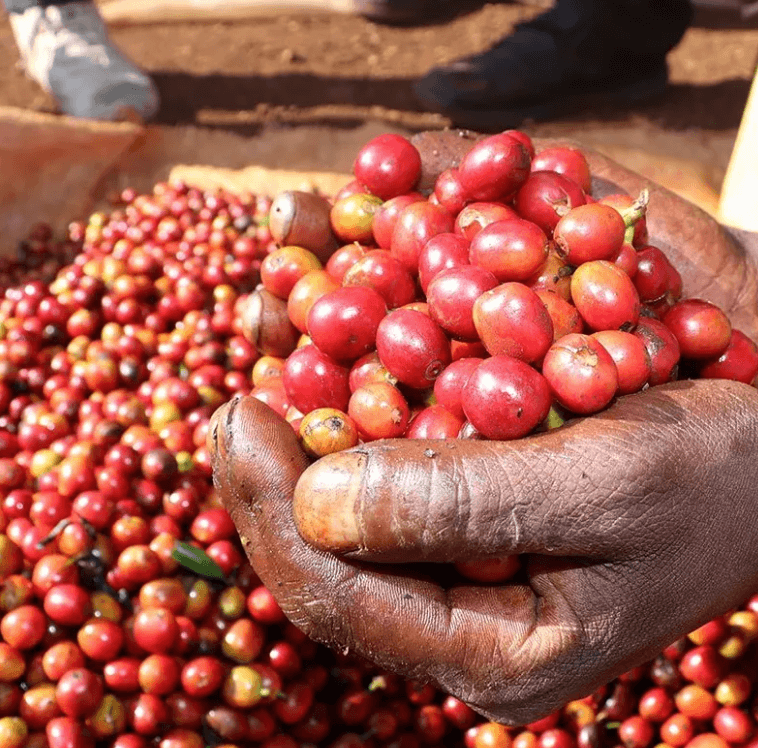
Freshness has a huge effect on how coffee tastes and smells. Coffee starts losing its qualities within a few weeks of roasting, so it’s worth choosing coffee with a clearly marked roast date.
For light roasts meant for filter methods, the shorter the time since roasting, the fuller the brew’s flavour. That said, the first five days after roasting can still be unpredictable, so we recommend drinking light roasts from day five onwards.
Medium and dark roasts reach their best flavour three to four weeks after roasting. Why? Roasting releases gases that take around three months to fully settle in the bean, and that’s what lets the coffee show its fullest sweetness. So what does coffee taste like straight off the roaster? It can be sharp and unpleasantly bitter.
The short version: drink fresh coffee, but not literally straight off the roaster, or you’ll get the opposite of what you’re after. Freshly roasted coffee keeps a rich aroma and complexity of flavour that fades over time. To get the best out of it, storage matters too: keep it in a sealed, opaque container somewhere cool. Just not in the fridge.
Which roast level should you choose for the best flavour?
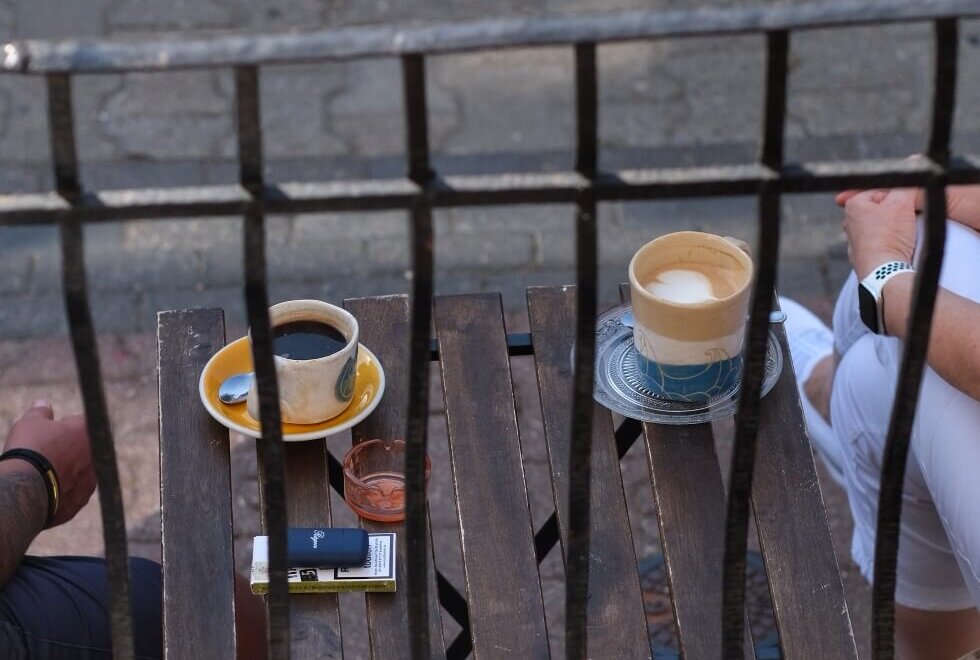
Roast level has a major effect on flavour. There are three main levels: light, medium and dark. Light roasts keep more acidity and delicate notes such as fruit and flowers, and we mainly recommend them for filter methods like a filter coffee machine, pour-over or Chemex. Medium roasts balance acidity against sweetness, which is why they’re the most popular choice, and they tend to show their sweetness best in espresso and in a moka pot.
Dark roasts, on the other hand, bring an intense, chocolatey flavour with clear bitterness and the lowest acidity. That intensity is exactly why they work so well with milk, in drinks such as a latte or cappuccino.
The right roast level ultimately comes down to your own taste and the brewing method you use.
Whole bean or ground: which makes better coffee?
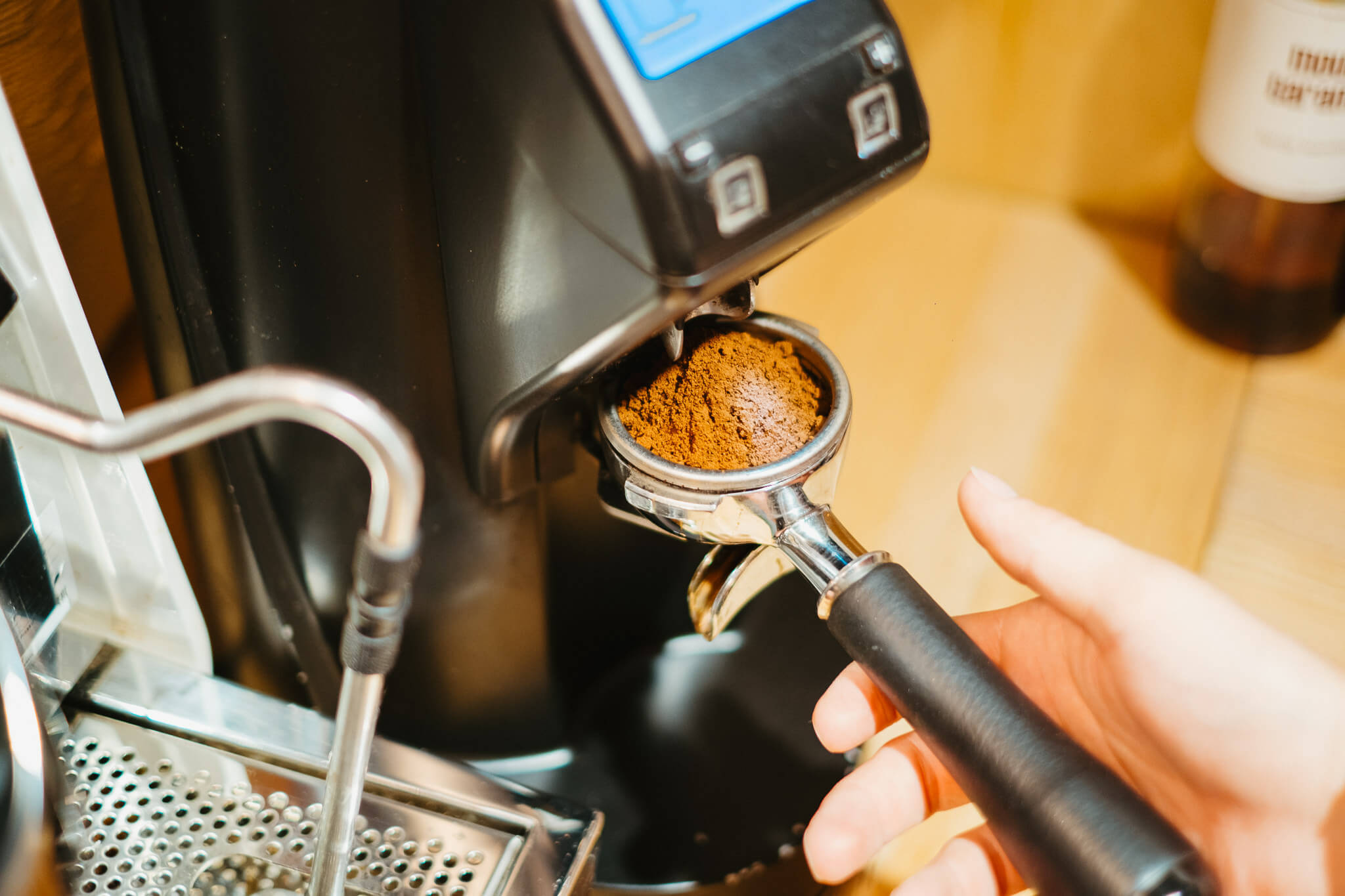
Whole bean versus ground makes a real difference to the cup. Whole beans stay fresh far longer than ground coffee, because their aroma and essential oils don’t escape as quickly. Grinding just before brewing gets the full flavour and aroma out of the coffee. Grind size matters too: a coarse grind suits methods like the French press, while a fine grind is right for espresso. The coarser the grind, the longer it needs in contact with water, so extraction has time to pull out everything you want from it.
The finer the grind, the more careful you need to be with brew time, so you don’t over-extract and pull out unwanted compounds that taste unpleasantly bitter in the cup. Buying whole beans lets you match the grind to your brewing method and get the fresh flavour you’re actually after.
Does the price of coffee reflect its quality?
Can the price of the beans help you choose good coffee?
Price isn’t always a reliable signal of quality, but it can point to things like origin, roasting method or certification. More expensive coffees often come from well-regarded farms that pay attention to ethical and environmentally sound growing practices. Behind every coffee in our roastery is the story of the people who grew it. One example is our coffee from Sake Farm in Rwanda, where women run the farm and use it to support other women going through difficult times. That’s often what sets specialty coffee apart: you get to know the farmer’s story and the whole journey the coffee has taken from the bush to our roastery.
Specialty coffee, with its distinctive and complex flavour profile, tends to cost more because of careful bean selection, time-consuming processing methods and often a lot of manual work. That said, the final choice should come down to your own taste, not price alone. Coffee from a small-batch roastery, where most of the work is done by hand, will always cost more than mass-produced industrial coffee. An inexpensive Brazilian coffee can taste good too, as long as it’s fresh and brewed properly.
At a roastery like ours, specialists choose only good coffee, backed by knowledge and training
I hope you’re now in a better position to make an informed choice, one that fits your own taste. Our Colbergcoffee roastery is a member of the SCA (Specialty Coffee Association), the body behind the world’s high-quality coffee standards. Being part of it means we keep training and apply science-based standards, which is what guarantees genuinely good coffee, roasted by us to our own roast profiles.
Come and shop for coffee from our family roastery.
