

Processing the coffee cherries is a key stage that largely shapes the taste of your cup. Processing methods are often overlooked when choosing a coffee, but each one, natural, washed or honey, has its own characteristics and affects the aroma, acidity and texture of the drink. Here is how these processes work and how they influence the taste of coffee.
Natural (dry) process
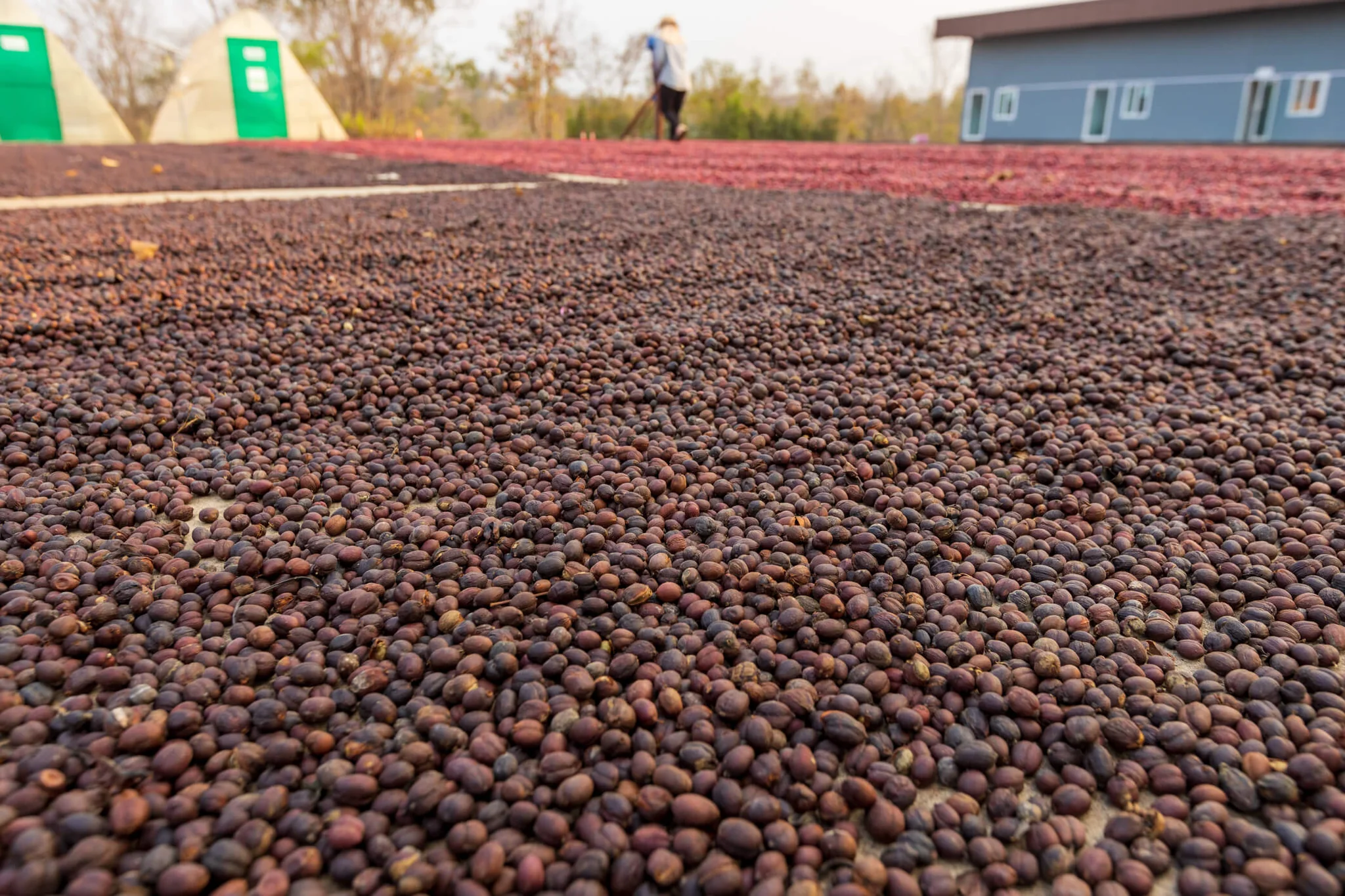
The natural method, also called the dry method, is one of the oldest ways of processing coffee. The coffee cherries are dried whole, which lets the sugars and aromas of the fruit pass into the beans. This method is especially popular in regions with a dry climate, such as Ethiopia and Brazil. It is commonly just called “natural”: it is the same method.
How the natural process works
After harvesting, the cherries are weighed, cleaned and sorted, then spread in thin layers on concrete patios or raised African beds, where they dry in the sun. Regular turning by hand ensures even drying. The process depends heavily on the weather and can take up to four weeks, until the beans reach an optimal moisture content of 10-12%. Once dry, the beans are mechanically separated from the husk, which gives green coffee ready for export.
How natural processing affects flavour:
-
Natural coffees offer rich, fruity notes such as berries, strawberries or mango.
-
They have more sweetness and a full body, which makes them ideal for lovers of intense flavours.
-
Subtle fermented notes add complexity, but they can be a challenge for less experienced tasters.
Additional information: This method is kinder to the environment because it needs very little water, but it takes longer and depends on the weather. Its popularity also comes from its traditional character and the chance to achieve unique flavour profiles.
Washed process
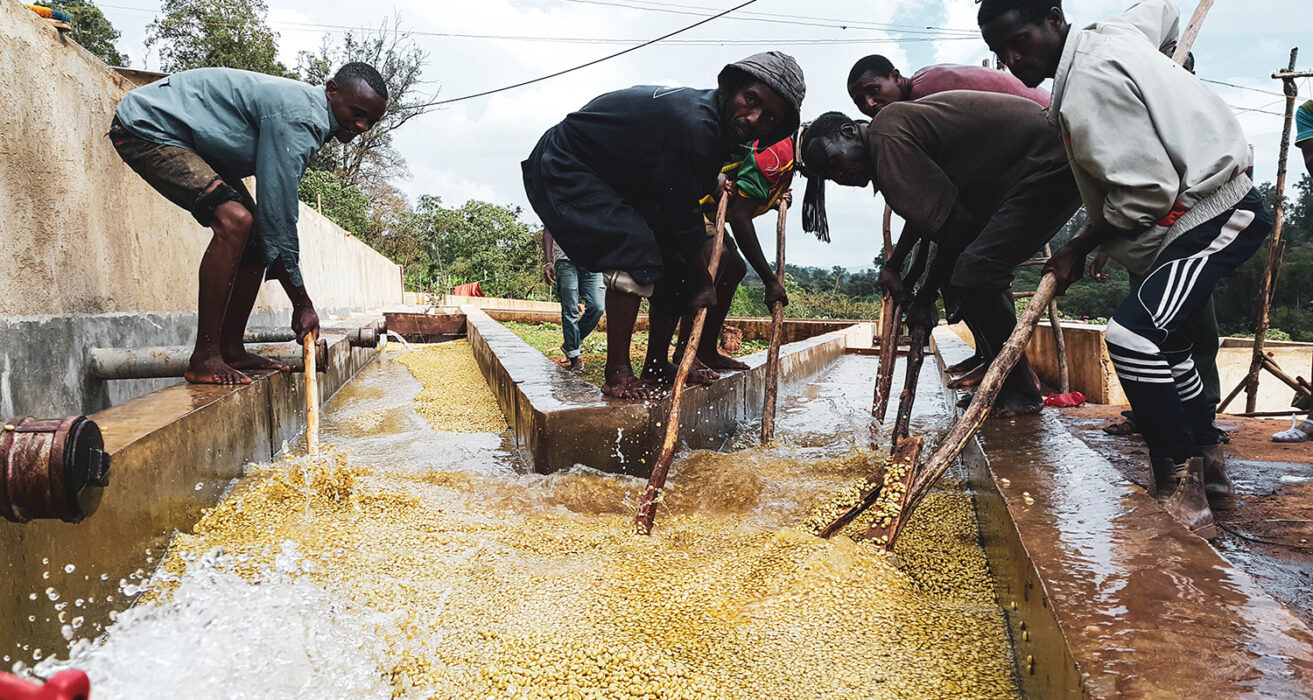
The washed method involves removing the fruit pulp from the coffee cherries before fermentation and rinsing. The process needs a lot of water and is popular in regions such as Colombia, Kenya and Costa Rica.
How the washed process works
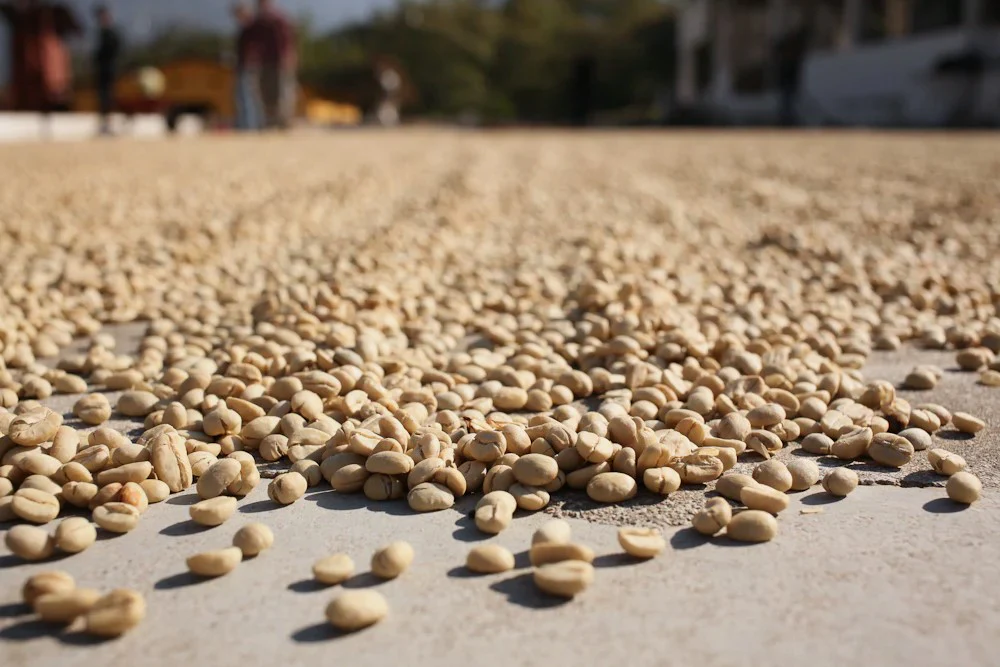
The cherries are mechanically pulped within 8-12 hours of harvest. The beans, with the remaining mucilage, then go into fermentation tanks, where they stay for 8-36 hours depending on the temperature and the thickness of the mucilage. After fermentation, the remaining mucilage is removed by immersing the beans in water and agitating them. During this process defective beans are removed, because they float on the surface of the water. Finally the beans are dried on patios or African beds for 1-2 weeks, until they reach a moisture content of 10-12%. Once dry, the protective parchment layer is mechanically removed, which gives green coffee ready for export.
How washed processing affects flavour:
-
Washed coffees stand out for their clean, clear flavour profile.
-
A distinct acidity reminiscent of citrus, green apples or currants dominates these coffees.
-
Subtle floral notes, such as jasmine or Earl Grey tea, add elegance and lightness.
Additional information: This method gives more predictable and repeatable flavour profiles. However, it needs significant investment in infrastructure and uses a lot of water, which can be a problem in regions with limited resources.
Honey process
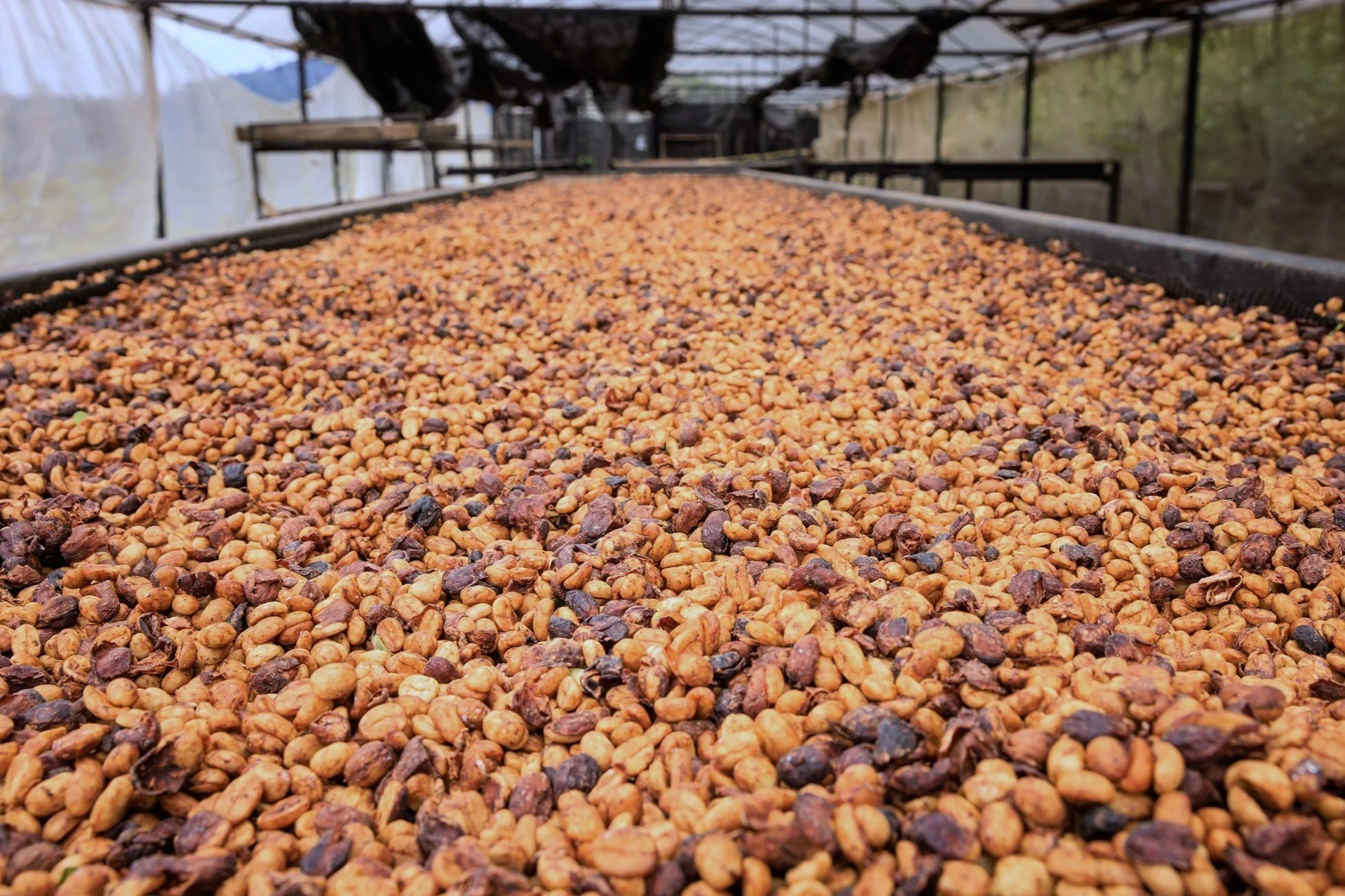
The honey method is a hybrid of natural and washed processing. Part of the fruit pulp (the mucilage) is left on the beans during drying. The amount of mucilage affects the final taste of the coffee, and variants such as yellow honey, red honey and black honey differ in intensity.
How the honey process works
The coffee cherries are mechanically pulped, but some of the mucilage stays on the beans. The beans are then dried on patios or African beds. The black and red honey variants need more attention during drying, often in the shade, to avoid excessive fermentation and mould. The process takes 2-3 weeks, and its success depends on precise control of temperature, humidity and pH during drying.
How honey processing affects flavour:
-
The balance between sweetness and acidity makes honey coffees remarkably versatile.
-
Flavours of honey, caramel and tropical fruit, such as pineapple or papaya, are typical of this method.
-
A smooth texture and full body make them an ideal choice for pour-over methods and espresso.
Additional information: The honey method takes more work and precision, which increases the risk of mistakes, but it also makes it possible to produce coffees with an exceptional flavour profile. It is especially popular in Central America, above all in Costa Rica.
Modern processing methods
Today’s coffee roasteries are increasingly experimenting with innovative processing methods that give coffee distinctive flavour characteristics:
-
Anaerobic processing: Fermentation without oxygen brings out exotic notes such as spiced chocolate or fermented fruit.
-
Carbonic maceration: A technique borrowed from winemaking that intensifies fruity and floral aromas.
-
Natural yeast processing: Using selected yeast strains adds distinctive notes to the coffee’s flavour profile.
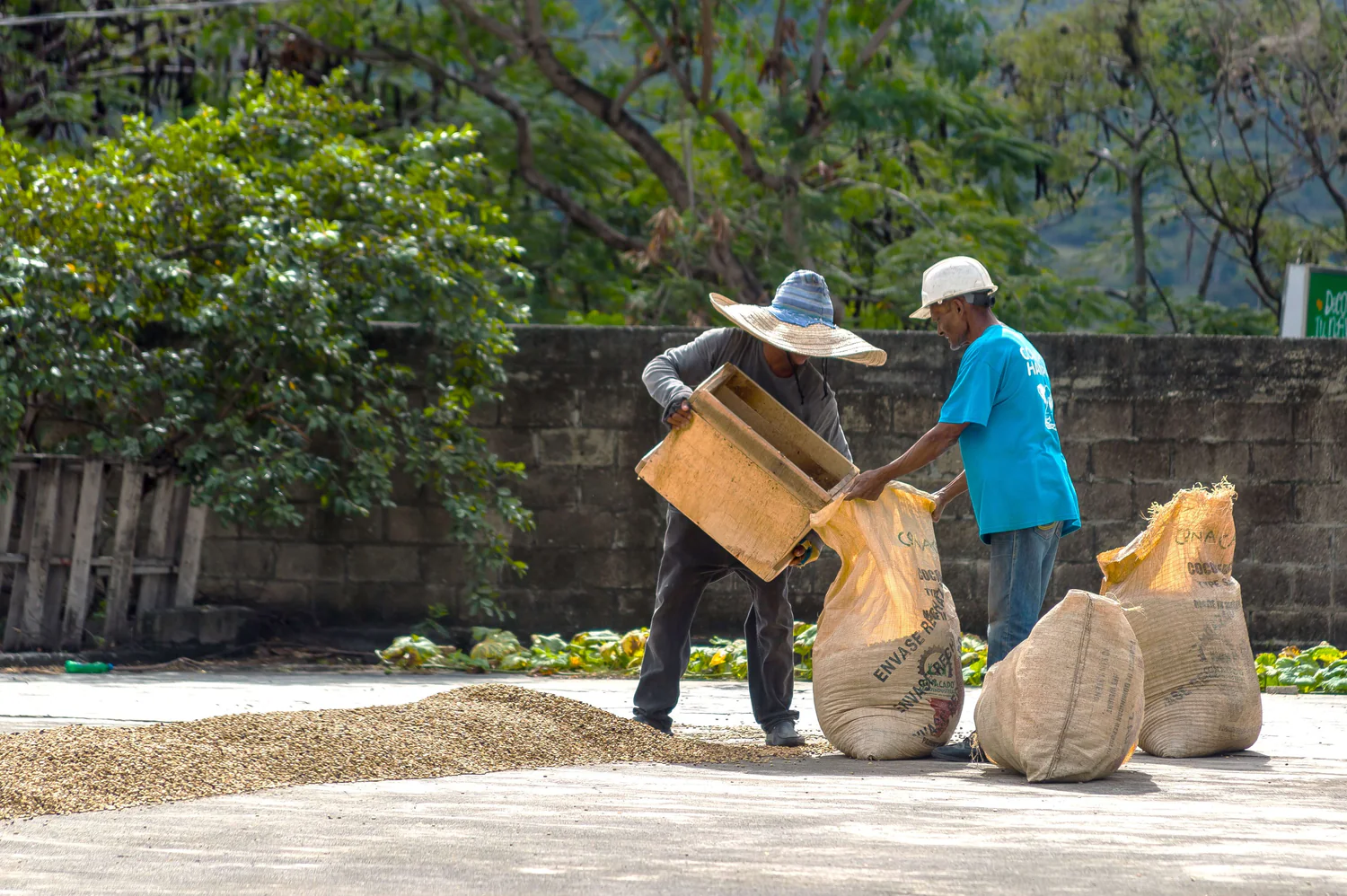
The processing method is key to the final taste in the cup
Processing is a key stage that shapes the final flavour profile of the drink. The method decides whether the coffee will be fruity and sweet, or clean and bright. The variety of techniques lets you discover new flavours and suits a wide range of coffee drinkers. Understanding these processes is a step towards choosing coffee consciously and appreciating the work of farmers and roasteries around the world. By trying coffees from different processing methods, you can explore the full range the world of coffee has to offer.
