The coffee roasting process: from green bean to cup
Why does freshly roasted coffee taste best?
Roasting is the key process that turns green coffee into fragrant, aromatic beans ready for brewing. Coffee tastes its best within about 4-6 weeks of the roast date, when aroma and flavour are at their fullest. That is why it matters to buy coffee directly from the roaster, such as the Colbergcoffee coffee roastery, rather than from a supermarket.
Supermarket coffee often spends many weeks in warehouses and goes through long transport before it reaches the shelves. As a result, the coffee is often drunk many weeks after roasting, which hurts its quality. If you want the full flavour, choose coffee from roasteries that guarantee freshness.

How does coffee roasting work?
Roasting is a dynamic transformation in which green coffee beans go through several phases that shape their final flavour and aroma. Both roasting time and temperature play a decisive role in the final flavour profile of the coffee.
Drying: the first stage of roasting
The first step in the roasting process is drying. Green coffee has a moisture content of about 12%, and during this stage the beans lose water, which prepares them for the chemical reactions that follow. Drying takes place at around 160°C and lasts a few minutes. The beans change colour from green to yellow and their moisture drops, which is crucial for the next phases of roasting.
The Maillard reaction: the foundation of flavour and aroma
When the temperature reaches about 188°C, the Maillard reaction begins: the process responsible for creating the rich flavours and aromas of coffee. The beans turn brown, and the reaction produces hundreds of different aromatic compounds. It is this reaction that shapes the final flavour profile of the coffee and gives it its character.
First crack: the turning point in roasting
When the bean temperature rises to about 196-205°C, first crack occurs: the beans audibly crack. This is the moment when the moisture inside evaporates rapidly and breaks the structure of the bean. First crack signals that the coffee has reached a key stage of the roast. At this point the roaster has to stay fully focused, because seconds decide the outcome, and the roaster closely monitors the degree of roast by colour.
Coffee roasting: the technical side
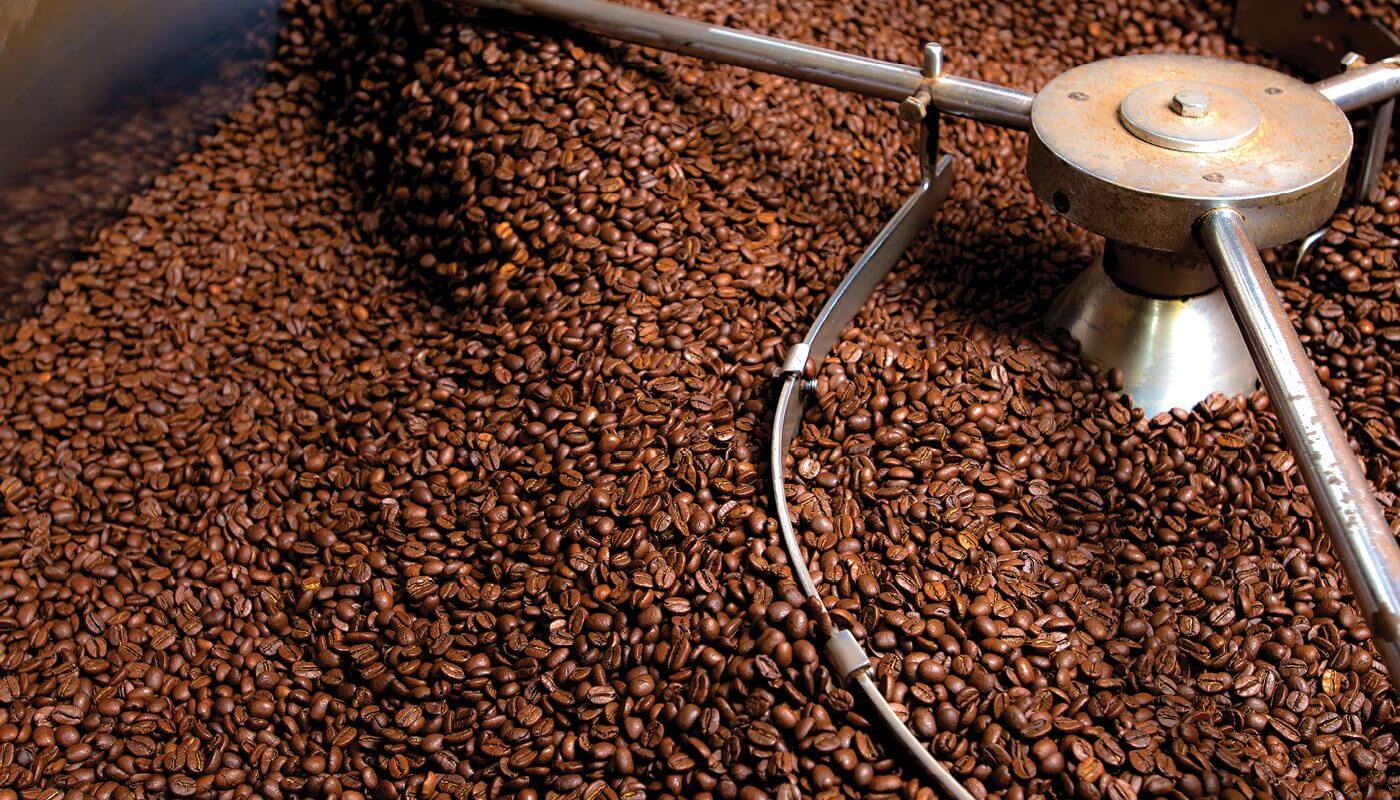
During roasting it is essential to monitor parameters such as temperature, airflow (the exhaust drawing air out of the roaster) and drum speed. These factors determine how the beans develop and, in the end, the final sensory profile of the whole bean coffee.
Controlling bean temperature
Bean temperature during roasting is crucial. First crack comes at around 196-205°C and second crack at around 224-230°C, and a roast usually does not go above about 240°C. Precise temperature control makes it possible to get a wide range of flavour profiles, from delicate, fruity notes in a light roast to intense bitterness in a dark roast. The right temperature also ensures an even roast, which means consistent flavour.
Controlling airflow (the exhaust)
Airflow through the roaster is just as important as temperature control. The exhaust setting affects how quickly and in what way air moves through the roaster, and therefore the intensity of the roast. A badly set exhaust can let a smoky taste (from excess combustion gases) get into the beans, giving them an unpleasant, burnt flavour. Setting the airflow correctly helps avoid this and allows an even roast without the risk of harsh, acrid aromas.
Drum speed during roasting
Drum rotation in the roaster is responsible for heating the beans evenly. The drum has to turn at the optimal speed so that every bean is exposed to the heat evenly. Too slow a speed can lead to uneven roasting, which affects the roast profile and the taste of the coffee, while too fast a speed can leave the beans insufficiently heated through.
Roast levels: how do they affect flavour?
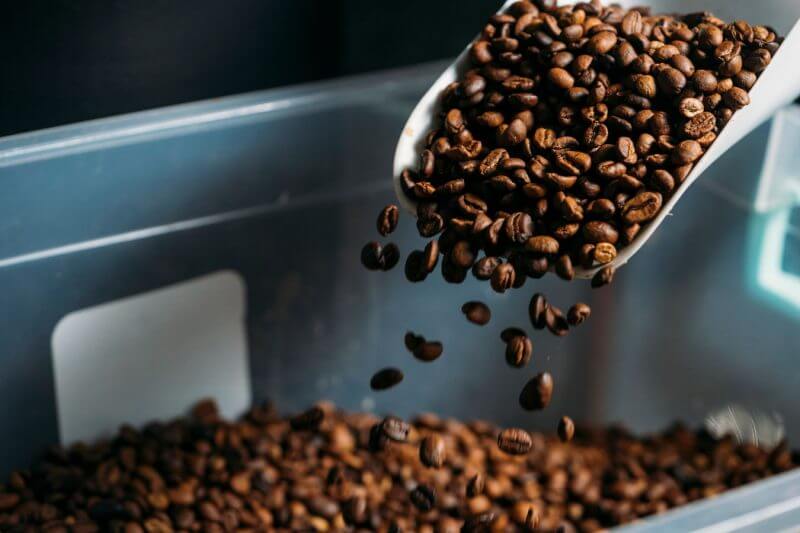
The roasting process can produce different roast levels, which directly affect the final flavour and aroma of the coffee. Each roast level gives the coffee different qualities, so choosing the right roast profile comes down to personal preference.
Light roast
Light roasting ends soon after first crack, at around 196-205°C. The beans are light brown and dry, with no oil on the surface. A light roast has noticeably higher acidity and a fruity, delicate flavour. It is the roast that best brings out subtle fruit and floral notes, which makes the cup light and fresh.
Medium roast
Medium roasting ends before second crack, which comes at around 224-230°C. After a medium roast the coffee beans are darker and have a more balanced flavour. Acidity is reduced and rich notes of chocolate, nuts and spices come to the fore. It is one of the most popular roast levels, because it gives the coffee a versatile, balanced flavour profile that suits many brewing methods.
Dark roast
Dark roasting ends around or after second crack (224-230°C), usually not above about 240°C. The beans are almost black, with a clearly oily surface, which is the result of a longer roast. Dark-roast coffee has a strong, intense flavour, low acidity and pronounced bitterness. It is a great choice for espresso, where a deep, full aroma and intensity are what count.
Freshly roasted coffee beans: a guarantee of flavour and aroma
Freshly roasted beans have a much more intense aroma than coffee that has spent many weeks in a warehouse. So if you want the best possible cup, it is worth buying coffee directly from a roastery such as Colbergcoffee, where the coffee is roasted on an ongoing basis.
Before it reaches the shelves, supermarket coffee goes through many stages of transport and storage. Freshly roasted coffee made directly by a small-batch coffee roastery keeps its best flavour for several weeks after roasting.
Why does freshly roasted coffee taste better?
When coffee beans are freshly roasted, their aroma is much more intense. Roasted coffee needs a short rest (3-7 days for filter, 7-14 days for espresso) and then tastes best within about 4-6 weeks of the roast date, when its flavour and aroma are at their peak. After that the coffee slowly loses intensity, which is why it is important to choose coffee with the most recent roast dates.
Why the roast date matters
When choosing coffee, always check the roast date on the bag. With supermarket coffee, the roast date is often many weeks back, which means its flavour and aroma may be much weaker. Coffee without a clearly stated roast date may not live up to expectations, because you do not know how long it has been stored. At the Colbergcoffee roastery every bag is marked with its exact roast date, so you can be sure you are getting the freshest coffee.
What are the benefits of freshly roasted coffee?
When you buy coffee from a roastery such as Colbergcoffee, you know it has been roasted to high standards. The roasting process is closely controlled so that the coffee keeps all its natural flavour qualities. What is more, freshly roasted coffee has more aroma than coffee that has sat in a warehouse for a long time. So every cup gives you not only flavour but also a great aroma.
The right roast level: roasting coffee is not that simple
At the Colbergcoffee roastery we make sure every roast is closely monitored by experienced roasters, so the final product is consistent and matches what we planned. Coffee roasted this way reaches exactly the intended roast level. You can choose the roast level that suits your taste, from a light roast to a dark roast. Each roast level affects the final flavour profile, so it is important to choose the coffee that best matches your preferences.
Choosing the right coffee for your brewing method
Freshly roasted coffee can be matched to different brewing methods, such as an espresso machine, a moka pot or pour-over. By choosing coffee with the right roast profile, you can get the flavour and aroma you want whatever way you brew. At Colbergcoffee we have a wide range of coffees that work well with every method.
How to roast coffee at home: green coffee
Although professional roasteries such as Colbergcoffee use specialist equipment, roasting at home is also possible. The simplest way is to use a frying pan or an oven. To roast coffee in a pan, heat the green beans over a medium heat, stirring constantly to keep the roast even. The beans will start to change colour and release aromas. After about 10-15 minutes first crack will come, which signals that the coffee is close to the right roast level. After roasting, cool the beans to stop the process and enjoy your freshly roasted coffee, even if it is not always evenly roasted.
Or try our beans, roasted professionally in a drum roaster. Try coffee from Kołobrzeg.
