A good coffee roastery is where a love of coffee meets a craftsman’s approach to making it. Quality comes first, and it is earned detail by detail: careful selection of green coffee, a precise roast, then proper storage and distribution. Knowing what your customers actually want matters just as much, because the coffee has to answer that. Good roasteries also tend to get involved with the farming communities they buy from, building supply chains that hold up over time. All of which makes a roastery more than a business. It is a way of building lasting relationships and unusual flavours. Every bean carries a story of its own.
What sets a good coffee roastery apart?
An individual approach to each coffee, and quality control at every stage of production. Being straight with customers counts too, as does teaching them something about brewing. Roasteries like Colbergcoffee put tradition together with modern equipment to make a product that stands up to the most demanding customers.
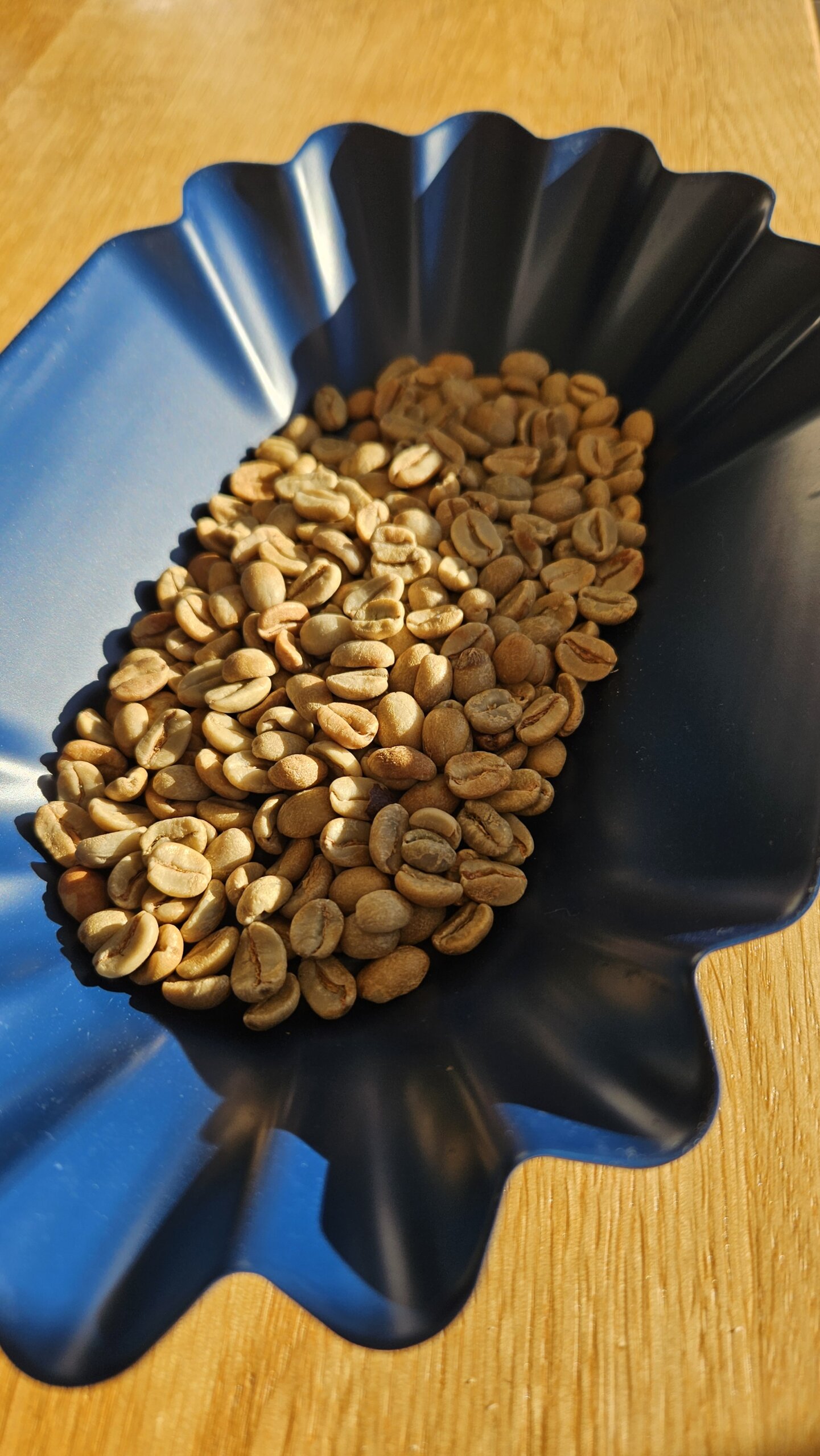
Selected green coffee: specialty beans
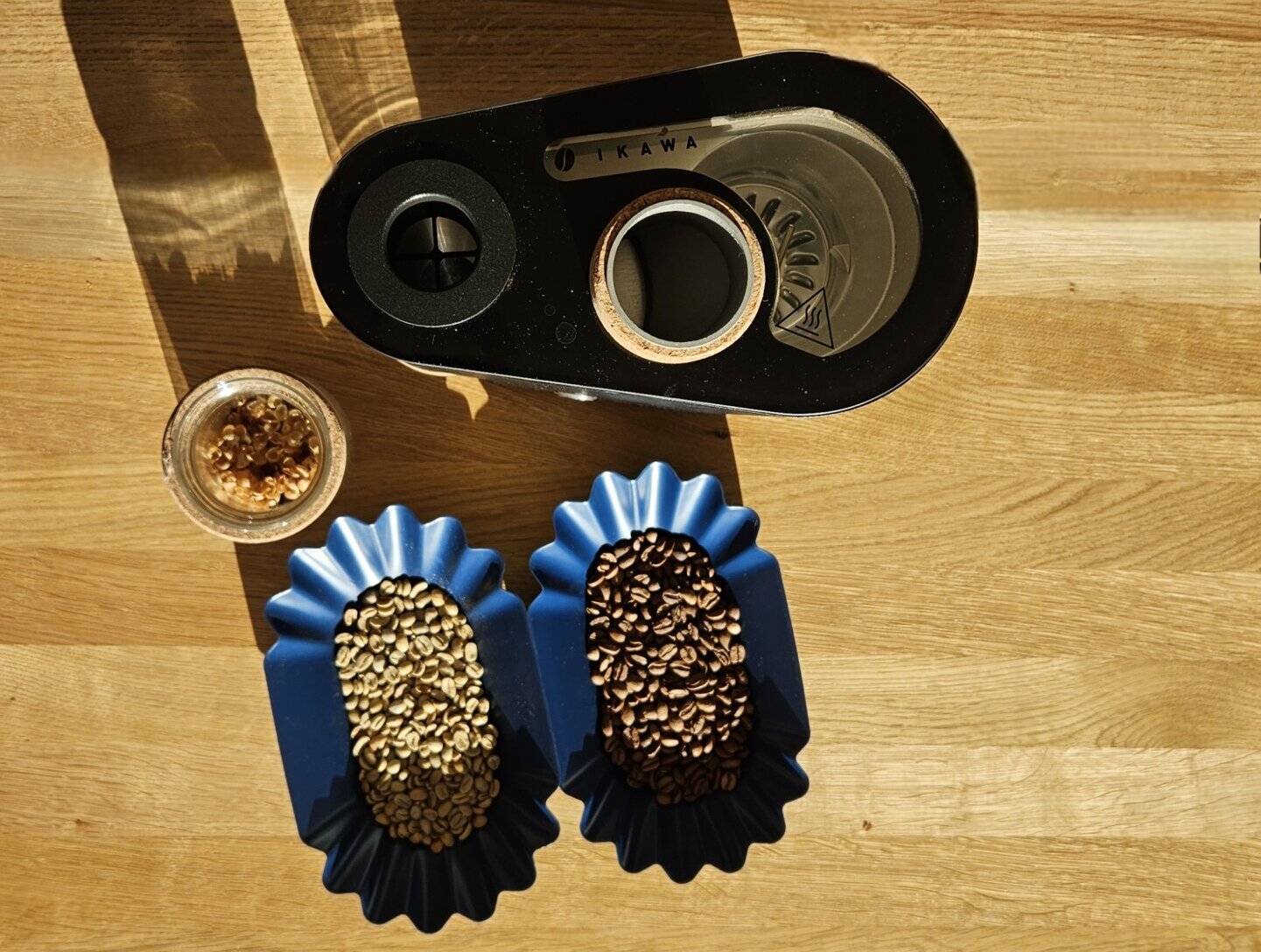
Carefully selected, high quality green coffee is the heart of any roastery worth the name. Working with farmers and exporters around the world is how you get the best raw material, and it has to be done on fair terms. Small family farms using organic growing methods often become long-term partners, which is good for quality and good for trust. That approach delivers flavour and supports the farmers who look after their land.
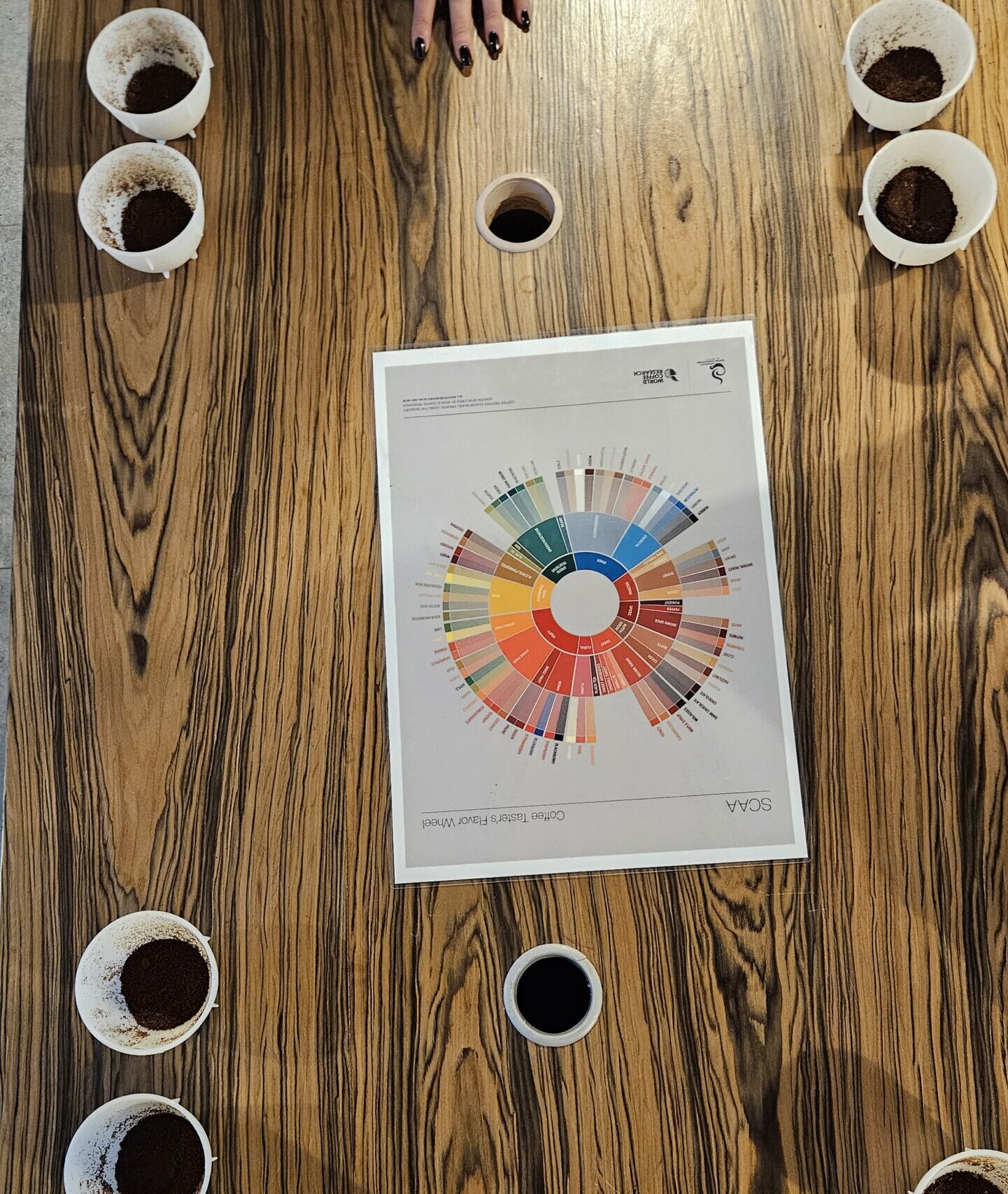
A good roastery keeps testing new coffees to bring in something unusual. Cuppings happen regularly: professional tastings where the team scores the green coffee and works out what the roast could draw out of it. The specialty coffees a good roastery carries are what let you explore flavours and aromas that impress even seasoned drinkers. The green coffee comes first, because it sets the ceiling for every cup.
How does a coffee roastery choose its beans?
Slowly and with attention. Every lot goes through a detailed selection to make sure it meets the standard. Colbergcoffee works with growers in far corners of the world, choosing coffees that combine flavour with an ethical way of producing it.
The roast is what decides the flavour
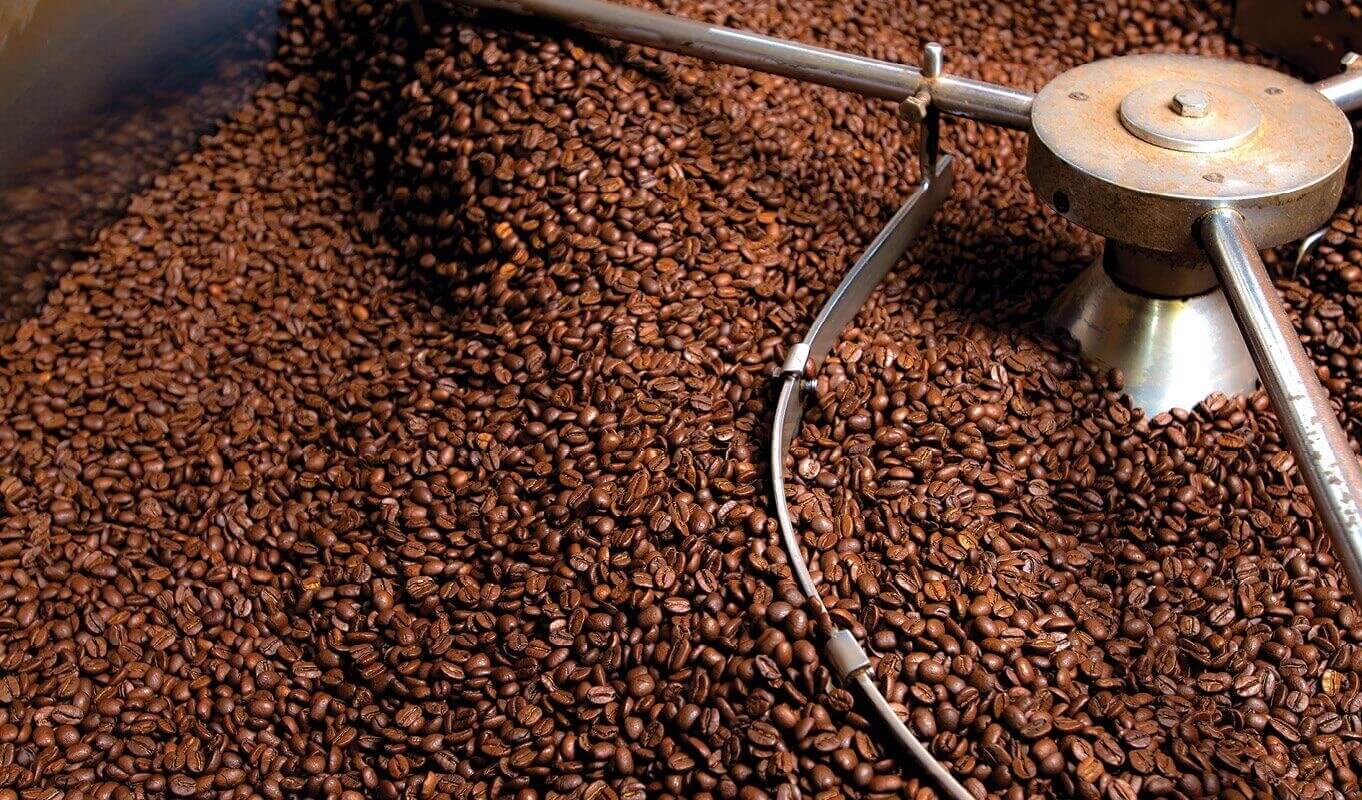
Roasting is the stage that shapes the coffee you end up drinking. A good roastery treats every batch on its own terms. The roast profile is matched to the specific coffee to bring out everything it has. Roasteries use modern drum roasters, which give precise control of temperature and time.
Every coffee has its own character, so the right profile can lift the fruit in a Kenyan, the chocolate in a Brazilian or the florals in an Ethiopian. In a good roastery this is monitored and refined constantly, which is how you get consistent results across very different coffees. High quality green coffee and precise roasting are what separate the best roasteries from the rest.
Why does the roast matter so much?
Roasting is where the tasting notes and aromatics develop that define the finished coffee. Tight control of temperature and time is what gives you a balanced cup with a strong aroma.
Freshness as a priority
Freshness is the key to flavour and aroma, so a good roastery roasts to order, in small batches. That way customers always get coffee that is genuinely fresh and still has everything it should.
Modern bags with a one-way valve keep coffee fresher for longer while letting the gases from roasting escape. Good roasteries will often match the roast date to the order, so the customer knows exactly what they are getting. It comes back to the same point: the green coffee matters most, and every detail of the process shows up in the cup.
What should a roastery like that have on offer?
A good range of single origins, so you can taste what each region does, and house blends to cover different tastes. Among the blends you will usually find balanced profiles for everyday espresso and more distinctive ones for people who brew specialty coffee by hand.
Transparency and teaching
A good roastery sells coffee and shares what it knows. Being open about where the beans come from and how they were processed, and helping customers brew better, is what marks out the best roasteries on the market.
Good roasteries publish the detail of each lot: the farm, the altitude, the processing method, the flavour profile. That lets customers choose the coffees that suit them. Being able to ask for advice about what you actually need to brew at home matters too.
The teaching side covers practical home brewing as well. Through blogs, videos and workshops, roasteries help customers get the most out of specialty coffee. Knowing your way around pour-over, AeroPress or French press opens up flavours you would otherwise miss. A good roastery gets its customers experimenting at home.
