How do you find the roast profile you actually like, and what is a roast profile in the first place? That is what this article is about.
Light, medium and dark. You would expect the scale to run in step with intensity and caffeine: lighter meaning weaker, gentler, less aromatic, and darker meaning stronger, bolder, more caffeinated. Raised on the myth of Italian espresso, we tend to assume a dark, bitter coffee carries more caffeine. The reality is different. The hard part is convincing the average coffee drinker of that.
Time and temperature in a roast profile
Roasting makes more sense if you think of it as baking biscuits. As the temperature climbs, the dough rises and browns and starts to smell good. Minute by minute it goes darker, and if you do not take it out in time it burns.
Coffee behaves the same way, only much faster. Green beans dry out first, turn yellow and start to smell of toast. Then the colour shifts to light brown, the beans swell, and you get first crack, followed later by second. The colour deepens to dark brown, oils come to the surface and new aromas appear. Keep going and the beans darken further, until they burn. All through this, heat is driving chemical reactions such as sugar caramelisation and the Maillard reactions, and those reactions release flavour and aroma.
What kind of coffee you end up with, and how much aroma and flavour survives, depends on the moment you stop the roast and start cooling. The shorter the roast, the more of the bean’s original aroma and flavour you keep. A longer roast trades acidity and aromatics for bitterness, as those delicate aroma compounds break down and burn off. Caffeine is a different story: it barely reacts to heat at typical roasting temperatures, so a light roast and a dark roast contain almost the same amount of it. At our family coffee roastery we experiment with every coffee and profile it several different ways, looking for the point where it carries the most aroma.
The light roast profile
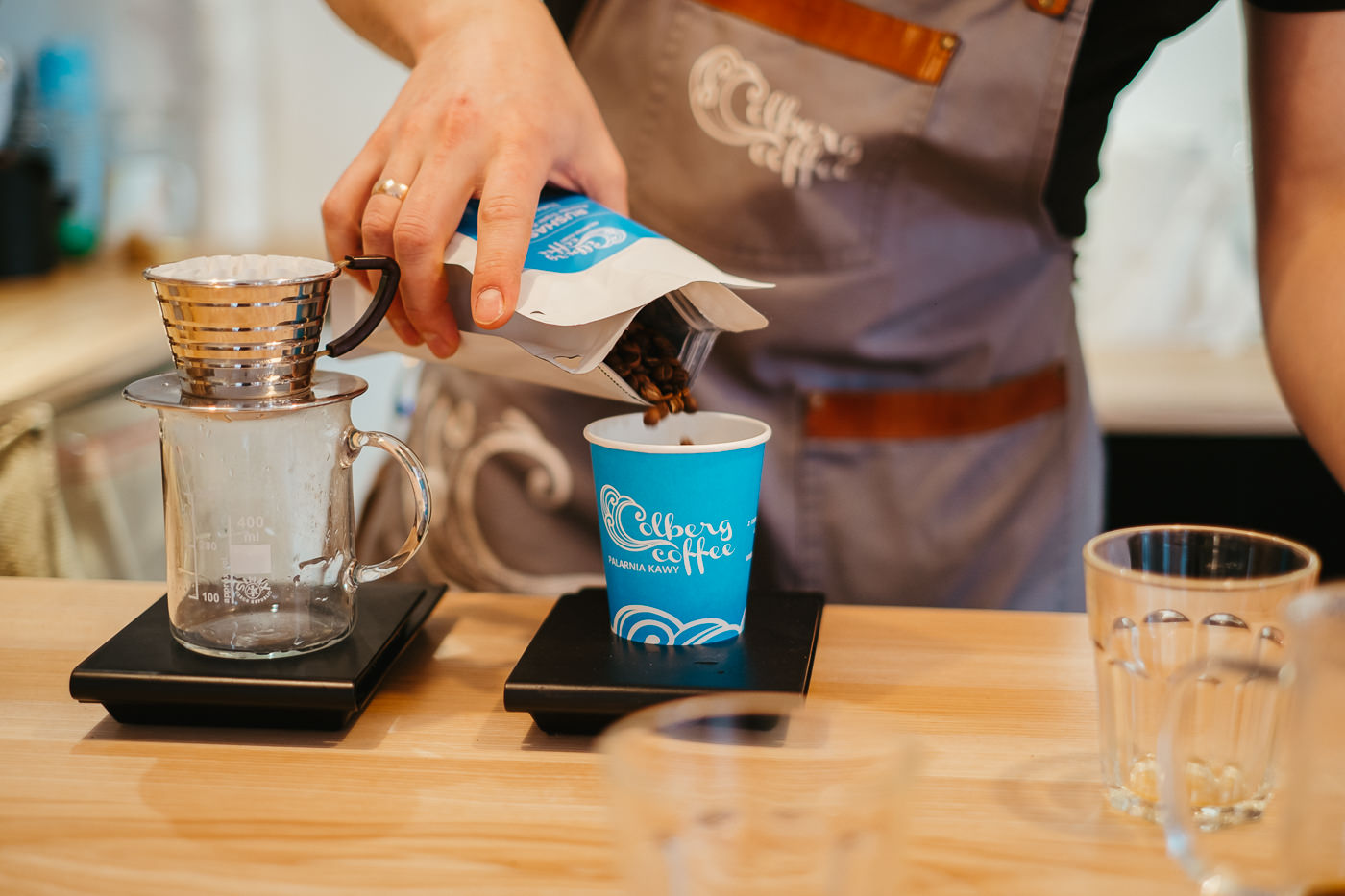
Cinnamon City, the light end of the scale. The beans stay pale and dry, because the roast stops before the oils come out. The result has clear acidity and keeps the most floral and fruity aromas. This profile works beautifully for filter coffee, the sort you get in a good cafe. Try to pick out citrus, sweet fruit, wild strawberry, peach and whatever else that particular coffee has in it. Enjoying the cup matters most, but it is worth going looking for those flavours.
The medium profile, made for brewing at home
City, the medium roast, is ideal for home brewing. Pour-over, moka pot, French press, filter machine: every one of them gets the most out of a City roast. This is where a coffee is at its most balanced, with acidity you notice but that never shouts, sitting alongside a light body and sweet aromatics. What you pull out of it depends on your method and your taste. There is a lot of pleasure in finding out what a medium-roast coffee can do.
Full City, or coffee taken dark
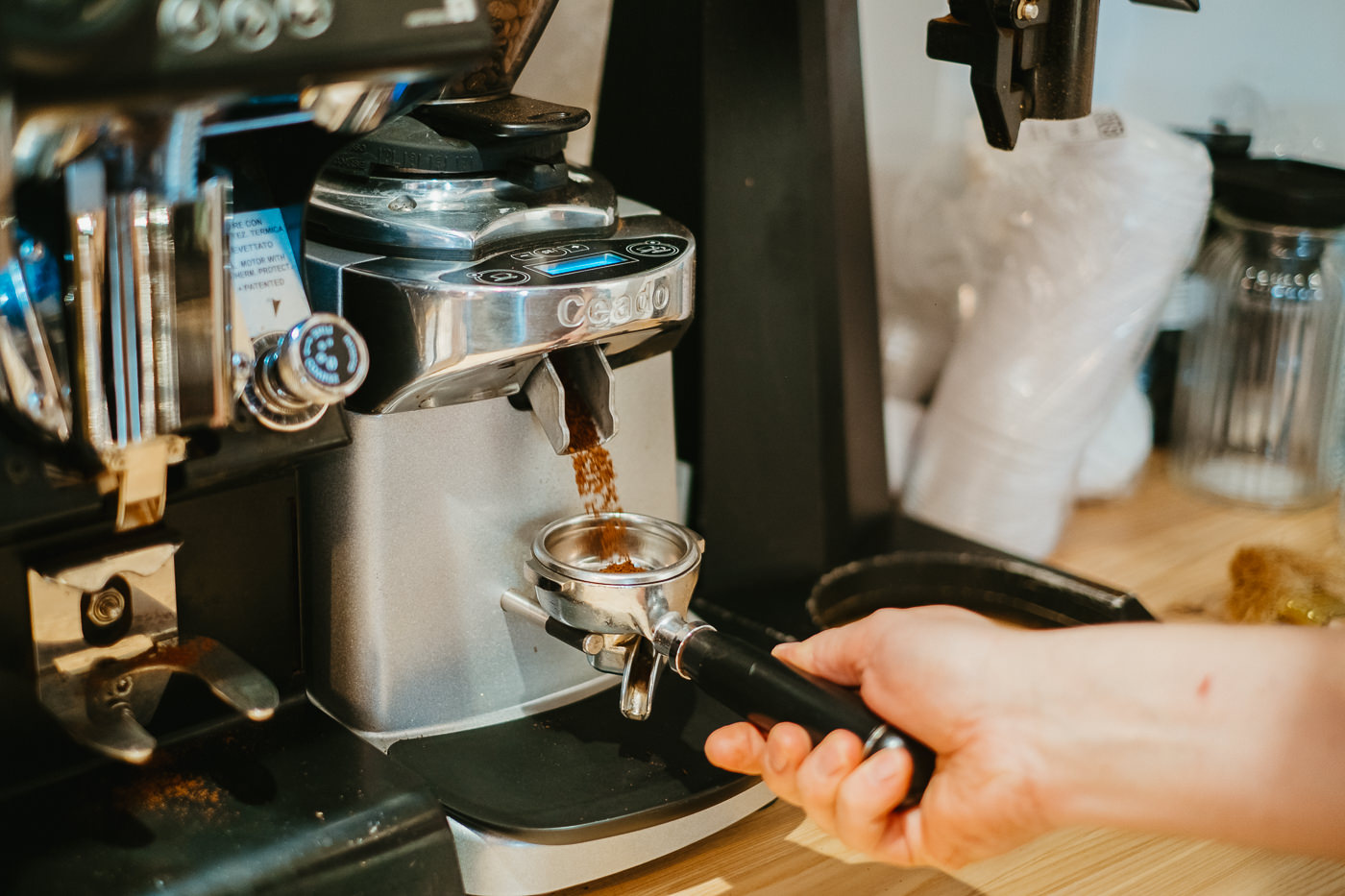
No acidity, more bitterness, fewer aromas with notes of smoke alongside chocolate and nuts. That is dark-roast coffee, known as Full City. The bitterness makes it feel stronger, but that is not down to extra caffeine: weight for weight, a dark roast has about the same caffeine content as a light one, sometimes marginally more, because the beans lose moisture and become slightly denser by weight as they roast. Roast the beans dark and you burn off the aromas, not the caffeine. This profile is rare in Poland, yet some coffees take to it very well. Would I recommend it? As readily as any other, because roasting exists to bring out the best in a coffee. If you like a dark profile, you will find a way to brew it exactly the way you want it.
