









Frappe is a Greek iced coffee with a thick foam, served with ice and cold water or milk. It is made from instant coffee, a little cold water and optional sugar. Shake vigorously for about 30 seconds until a thick foam forms, then add ice and top up with water or milk.
Below you will find the classic Greek recipe with ratios, a sweetness table and how to make it without a shaker. We also explain why frappe is made with instant coffee. At the end we describe the freddo espresso, which we drink more often at the roastery.

What is a frappe
Frappe is a Greek coffee drink with a thick foam that can take up a large part of the glass. The name comes from the French frappé, also used for chilled drinks, but the drink itself is Greek and is still one of the classic summer coffees there.
What sets it apart from other iced coffees is the foam. It doesn’t come from milk or crema but from the coffee itself. During vigorous mixing, air is worked into a concentrated instant coffee solution, and compounds in the coffee help hold the bubbles. That is why a frappe succeeds or fails at the shaking stage, not when you top it up.
A frappe can be distinctly bitter, medium sweet or very sweet, depending on the sugar. It is refreshing and traditionally drunk through a straw.
Why a traditional frappe is made with instant coffee
We run a roastery and normally advise against instant coffee. Frappe is the exception: the drink was created with instant coffee, and that is the easiest way to get its characteristic foam.
Frappe foam is made of air bubbles surrounded by thin films of liquid. It is stabilised by dissolved coffee compounds, including protein-like substances and polysaccharides. Its density and stability depend on the coffee, the concentration, the bubble size and how you whip it.
Espresso can be aerated too, but the foam has a different structure and stability, which is what the freddo espresso uses. With instant coffee the drying method plays a role as well. Both freeze-drying and spray-drying affect the coffee’s properties, but the drying method alone does not decide the quality of the foam. Different instant coffees foam with different intensity.
If you fancy a cold coffee made from good beans, you don’t need to turn it into a frappe. Try the freddo espresso described below. They are two different drinks, each with its own base.
Frappe step by step
1. Put the coffee in a shaker. Use about two teaspoons of instant coffee. Add sugar according to the table below, or leave it out entirely.
2. Add about 40-50 ml of cold water. A small amount of water makes a thick foam easier. Treat this as a starting point and adjust it to your coffee if needed.
3. Shake vigorously for about 20-30 seconds, until a thick, light beige foam with fine bubbles forms. Its volume depends on the coffee and how hard you shake.
4. Put ice in a tall glass. Four or five cubes are enough. In this recipe the ice goes in only after the foam is made.
5. Pour the foam over the ice and top up with about 150 ml of cold water. For a frappe me gala, replace part of the water with cold milk, regular or unsweetened evaporated.
6. Serve with a straw. Don’t stir too hard if you want to keep a thick layer of foam.
Sketos, metrios, glykos: how much sugar
In Greece people often order a frappe by stating the sweetness straight away. The most common terms are sketos, metrios and glykos. The amount of sugar varies between cafés. The table gives approximate amounts for two teaspoons of coffee.
| Name | Sugar | Character |
|---|---|---|
| sketos | 0 teaspoons | unsweetened, with a clear coffee taste |
| metrios | usually 2 teaspoons | medium sweet |
| glykos | usually 3-4 teaspoons | clearly sweet, dessert-like |
You can also order a frappe me gala, with milk, or choris gala, without milk. Add the sugar before shaking so it dissolves. It can affect the texture of the foam but isn’t needed to make it.

Common frappe mistakes
Too much water at the start. With 150 ml it is harder to get a thick foam than with a little water. Start with about 40-50 ml.
Ice in the shaker. In our recipe the ice goes into the glass only. That makes it easier to control dilution while you shake.
Coffee that foams poorly. Not every instant coffee gives the same result. If the foam is thin, try another brand or type.
Shaking too briefly. With a shaker, start with about 30 seconds of vigorous shaking. If the foam is still thin, keep going.
Adding milk before whipping. If you want the traditional, thick coffee foam, whip the coffee with water first and add milk at the end.
Stirring hard after pouring. Want to keep a thick layer of foam? Don’t stir too hard. That’s what the straw is for.
Frappe without a shaker
A jar with a lid. Easily replaces a shaker. Leave some space for air and check the lid is tight before you shake.
A handheld milk frother. A quick way to get foam. Whip for a dozen or so seconds in a tall container until the foam is right. Greek cafés often use electric frappe mixers.
A countertop blender. Works too. Blend briefly and watch the texture so you don’t dilute or warm the mixture unnecessarily.
A fork or whisk. More work, and the foam may be less abundant than with a shaker or frother.
A French press. You can use it as well. Add the coffee, sugar and 50 ml of water, then pump the plunger for half a minute. If you don’t have one yet, see our French press brew guide.
Freddo espresso: the version made with good beans
From the 1990s, and into the 2000s, the freddo espresso and freddo cappuccino grew in popularity in Greece. Today many cafés sell them more often than the traditional frappe. Both are made with freshly brewed espresso, so you can taste the character of the beans better.
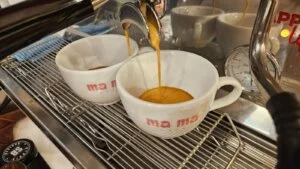
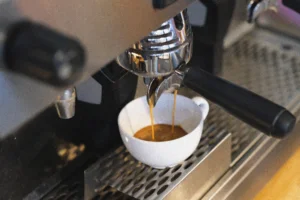
Freddo espresso. Make a double espresso, for example about 60 ml. Add a few ice cubes and briefly stir or whip until the coffee is chilled and a foam appears. Pour into a glass with fresh ice.
Freddo cappuccino. Make a freddo espresso and top it with a layer of afrogala: cold milk whipped into a thick but still pourable foam. Don’t heat the milk. Use it cold.
In practice, a frappe tastes of frappe, while in a freddo you taste the coffee you made it with. With coffee from a roastery, that settles it for us.

Frappe, freddo, iced coffee and cold brew
Four cold coffees that are easy to confuse, though they are made differently.
| Drink | Base | How the foam forms | Character |
|---|---|---|---|
| Frappe | instant coffee | shaker or electric mixer | thick foam, from bitter to sweet |
| Freddo espresso | double espresso | brief stirring or whipping with ice | clear coffee profile, a layer of fine foam |
| Iced coffee with milk | espresso and cold milk | no foaming needed | milky, mild, taste depends on the coffee |
| Cold brew | ground coffee, usually a dozen or so hours in cold water | no foaming needed | often milder bitterness and acidity, depending on the coffee and recipe |
Fancy a cold coffee but don’t have an espresso machine? See more ideas in our guide to iced coffee without an espresso machine.
Which coffee for a frappe
For a traditional frappe, choose an instant coffee that foams well. It can be spray-dried or freeze-dried. Both can work, so it’s worth trying a few.
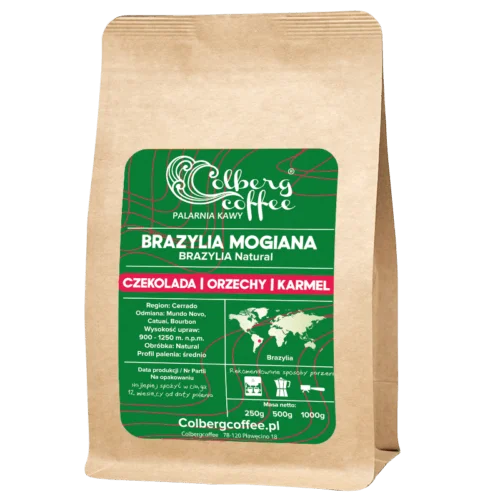
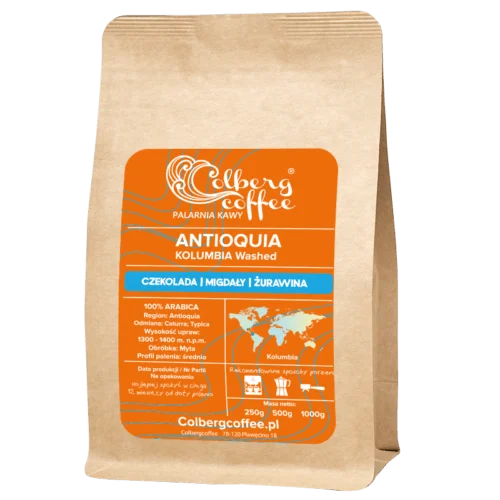
For freddo espresso and freddo cappuccino, medium roasts with clear sweetness and chocolate and nut notes work well. You can also use lighter roasts. Ice and low temperature change how you perceive the taste, so the espresso needs enough intensity. From our coffees we recommend Brazil Mogiana and Colombia Antioquia.
Light roasts with floral or fruity profiles are also worth trying as a freddo espresso. With milk, remember it can cover the more delicate notes. More on choosing beans for different methods in our article on the coffee flavour profile.
Where frappe comes from
According to the most popular story, the Greek frappe in its current form was created in 1957 at the International Fair in Thessaloniki. A worker at the Nescafé stand is said to have made a drink from instant coffee, cold water and sugar using a shaker.
The creator is traditionally said to be Dimitris Vakondios. Giannis Dritsas, a Nestlé representative, also worked at the stand and was demonstrating a chocolate drink prepared in a shaker. Historians point out, however, that the story of frappe’s accidental invention is not fully documented.
Whatever the details, the Greek frappe has been made on a similar principle for almost seventy years: a little water, instant coffee and vigorous aeration.

What coffee is frappe made from?
Instant coffee. Whipping it with a little water creates a foam stabilised by compounds in the coffee. The density and stability of the foam depend on the product and preparation, so choose a coffee that foams well.
How much sugar goes in a frappe?
For two teaspoons of coffee, roughly: sketos with no sugar, metrios with about two teaspoons, glykos with about three or four. Add the sugar before whipping.
How long should you shake a frappe?
About 20-30 seconds in a shaker. Shake vigorously until a thick foam with fine bubbles forms. Its volume depends on the coffee and how you whip it.
Why won’t my frappe foam?
Check the amount of water, the type of coffee and how hard you whip. Start with about 40-50 ml of water. Add ice and milk only after the foam is made. If it is still thin, try another instant coffee.
Can you make a frappe with espresso?
You can make a cold, foamy coffee with espresso, but it will be closer to a freddo espresso than a classic Greek frappe. A double espresso briefly whipped with ice is all you need.
What is the difference between a frappe and a freddo espresso?
A frappe is made from instant coffee whipped with water. A freddo espresso is made from freshly brewed espresso, chilled and aerated with ice. The drinks differ in taste and foam structure.
How much caffeine is in a frappe?
A frappe made with two teaspoons of instant coffee may contain several dozen milligrams of caffeine, often about 60-80 mg. The exact amount depends on the product and quantity. Adding water or milk doesn’t reduce the total caffeine.
Is frappe made with water or milk?
A classic frappe can be topped up with cold water only, or with milk. A frappe me gala is made with milk, the amount to taste. Traditionally the milk is added after the foam is made.
Przeczytaj też

Frappe: how to make Greek iced coffee
Greek frappe step by step: ratios, sketos, metrios and glykos, shaking technique and mistakes that
Nov

How to make filter coffee: ratio, grind size and temperature
How to make filter coffee: how much coffee per litre of water, how to grind,
Oct

Coffee on an empty stomach: is it bad for you? What the research says
Is coffee on an empty stomach bad for you? What research says about stomach acid,
Oct

Affogato: what it is and how to make one
An affogato is an Italian dessert: a scoop of vanilla ice cream drowned in hot
Oct

Victoria Arduino distributor in Poland: Colbergcoffee
Colbergcoffee is a Victoria Arduino espresso machine distributor in Poland. We sell, install and service
Oct

Turkish coffee: recipe, ratio and grind
How to make real Turkish coffee in a cezve: ratio, grind, sweetness levels and how
Oct
Coffee cupping: how roasters assess coffee and how to do it at home
What coffee cupping is, how a tasting works under the SCA protocol, what is assessed
Oct

Caffè mocha: what it is and how to make one
A caffè mocha is espresso with chocolate and steamed milk. Where the name comes from,
Oct
