










For many people, coffee on an empty stomach is the first ritual of the day: you get up, switch on the machine and only think about breakfast after the first cup. Online you will easily find warnings that coffee before food ruins your stomach, upsets your hormones and spikes your blood sugar. We checked what the research actually supports, who should be careful and how to drink your morning coffee without irritating your stomach.
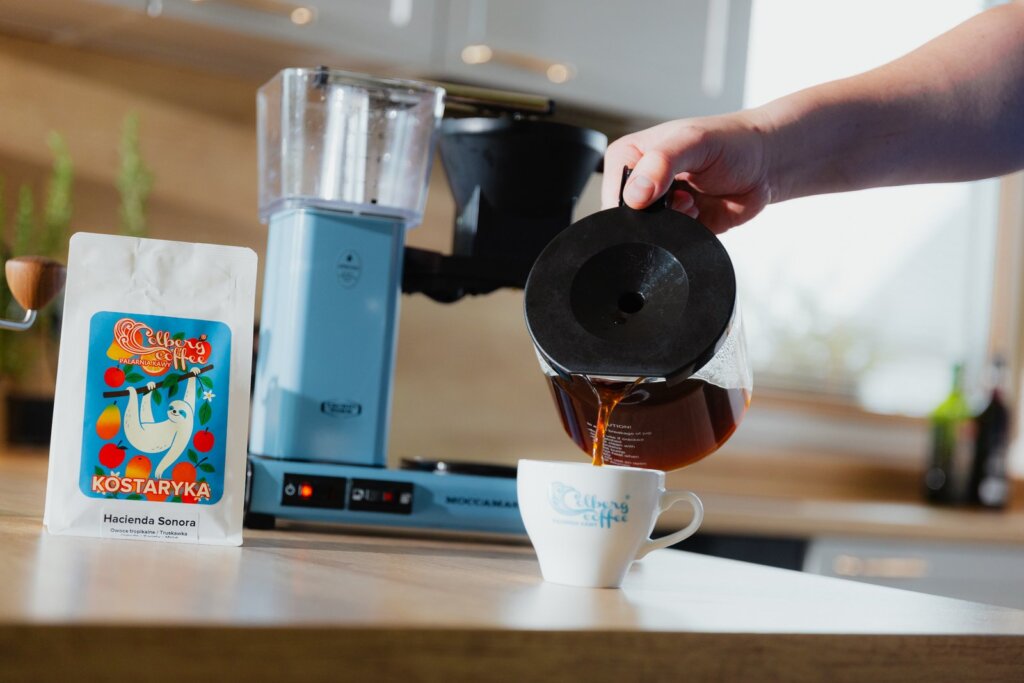
Is coffee on an empty stomach bad for you?
The short answer: for most healthy adults, no. There is no convincing evidence that coffee before food damages a healthy stomach or causes peptic ulcers on its own. The main causes of ulcers are Helicobacter pylori infection and non-steroidal anti-inflammatory drugs. Coffee can, however, make heartburn and reflux worse in people who are prone to them. So what matters most is not when you drink coffee, but how your stomach reacts to it.
What happens in your stomach after coffee on an empty stomach?
Coffee stimulates the secretion of stomach acid. Interestingly, decaf does this too, so it is not only caffeine but also other compounds in the brew. In a classic study by Cohen and Booth, published in the New England Journal of Medicine in 1975, both regular and decaffeinated coffee stimulated acid secretion in healthy volunteers, while caffeine alone had only a small effect. The study was small, with 8 people, but it is still widely quoted.
A healthy stomach usually copes with this without trouble. With reflux, peptic ulcers or gastritis, however, coffee may make symptoms worse. If you notice such a link, cut down and talk to your doctor. If you have a sensitive stomach, you will find more practical tips in our guide to coffee and a sensitive stomach.
Coffee on an empty stomach and blood sugar
The study quoted most often comes from the University of Bath and was published in 2020 in the British Journal of Nutrition. It involved 29 healthy adults. After a night in which they were woken every hour, they drank strong black coffee with about 300 mg of caffeine and, 30 minutes later, a sugary drink. Their total blood glucose response was about 50 percent larger than without coffee. That does not mean blood sugar rose by half: peak glucose was only a few percent higher.
It is an interesting signal, but with limits. The study was small and measured a single response to a large dose of caffeine, not long-term effects. It suggests that strong coffee before the first meal may temporarily impair glucose tolerance. It does not prove that moving coffee after breakfast improves blood sugar control in the long run. Still, the researchers suggested eating breakfast first after a bad night and having coffee afterwards, a sensible precaution for people who watch their blood sugar.
Coffee on an empty stomach and cortisol
A popular tip says: don’t drink coffee right after waking up, because cortisol is at its highest then, wait 90 minutes. Caffeine can temporarily raise cortisol, but in regular coffee drinkers the response weakens. In a 2005 study by Lovallo, after a few days of daily intake the morning dose of caffeine no longer raised cortisol, although some people still responded to later doses in the day. There is no convincing evidence that a healthy person needs to wait 90 minutes after waking before having coffee. If you like coffee straight after getting up and feel fine, there is no need to change the habit.
Coffee on an empty stomach, medicines and supplements
This gets less attention but really matters. Coffee can reduce the absorption of some medicines. The best-known example is levothyroxine tablets, the thyroid medicine taken in the morning on an empty stomach. It is taken with water, and the usual advice is to wait at least 60 minutes before coffee. Don’t wash medicines down with coffee. Compounds in coffee can also reduce the absorption of non-haem iron, the kind found in plant foods and some supplements. If you take medicines or iron in the morning, check the leaflet or ask your doctor or pharmacist how long to wait.
Who should be careful with coffee on an empty stomach?
- People with reflux and heartburn: coffee before food may make symptoms worse.
- People with peptic ulcers or gastritis: it is best to discuss coffee with your doctor.
- People with irritable bowel syndrome: coffee stimulates the large bowel, which makes symptoms worse in some people.
- People taking medicines in the morning, especially levothyroxine tablets: keep the recommended gap between the medicine and coffee.
- Pregnant women: according to the European Food Safety Authority (EFSA), up to 200 mg of caffeine a day from all sources raises no safety concerns for the baby.
For healthy adults, except pregnant women, EFSA considers up to 400 mg of caffeine a day from all sources safe, and single doses of up to 200 mg. Not everyone tolerates these amounts well, though. How many cups that is depends on the brewing method. We explain it in how much coffee per day is safe, and you can read more about caffeine itself in caffeine in coffee: facts and myths.
How to drink coffee in the morning without irritating your stomach
- Eat something small before or with your coffee: a sandwich, yoghurt or porridge. For some people this helps limit discomfort.
- Choose a coffee that tastes gentle: low in acidity, usually medium or darker roasted. A gentle taste does not guarantee fewer symptoms, though.
- Try coffee with milk if black espresso before food doesn’t agree with you. Some people prefer it, but reactions differ.
- Make it smaller: if strong coffee before food doesn’t agree with you, try a smaller cup or a brew with less caffeine.
- Brew it well: under-extracted coffee can taste overly sour, while a well-brewed cup is more balanced. That is about taste, not about protecting your stomach.
- Listen to your body: if coffee before food gives you heartburn, move it after breakfast. If not, there is no need to change anything.
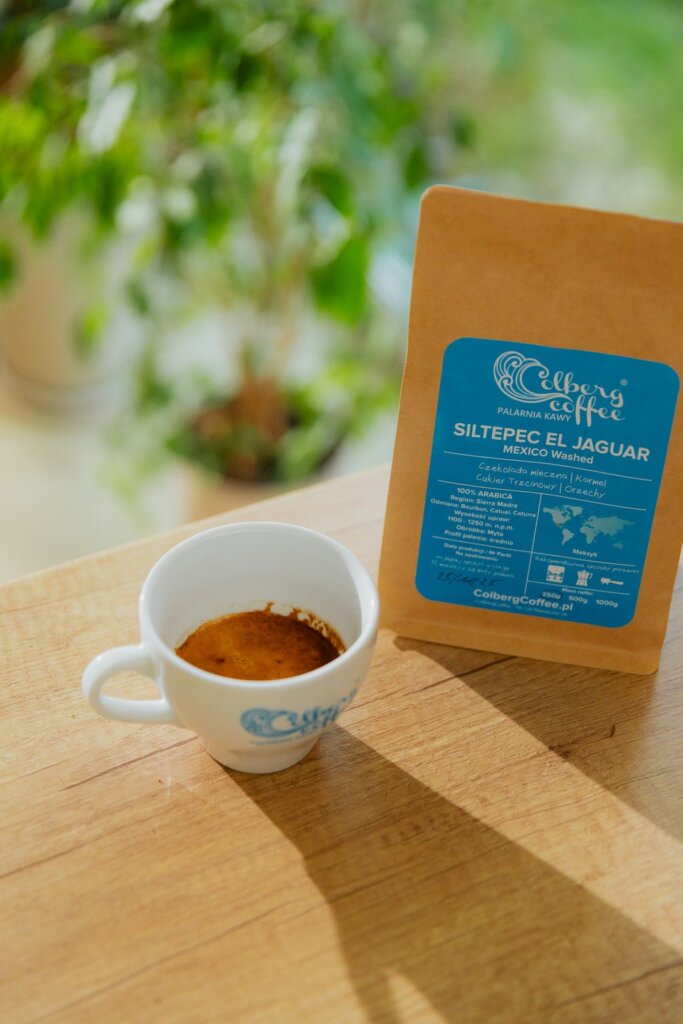
Coffee before or after breakfast? A comparison
| How you drink it | Who it suits | What to watch |
|---|---|---|
| Black coffee on an empty stomach | Healthy people without heartburn or reflux | In sensitive people, a large strong coffee may cause discomfort |
| Coffee with milk on an empty stomach | People who don’t get on with black coffee before food | If you are lactose intolerant, choose lactose-free milk or a plant-based drink |
| Coffee with or after breakfast | People with reflux or a sensitive stomach, people watching blood sugar | Some people tolerate it better, so watch how you react |
| Decaf | People who don’t tolerate caffeine well | Still stimulates stomach acid |
| Coffee after morning medicines | People taking medicines in the morning, e.g. levothyroxine | Don’t take medicines with coffee, keep the gap from the leaflet (usually at least 60 minutes for levothyroxine) |
Which coffee for an empty stomach?
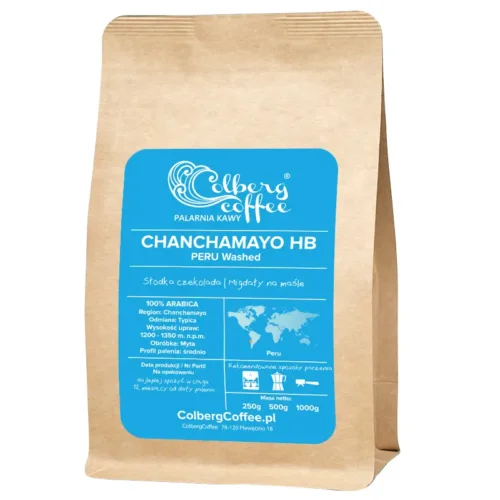
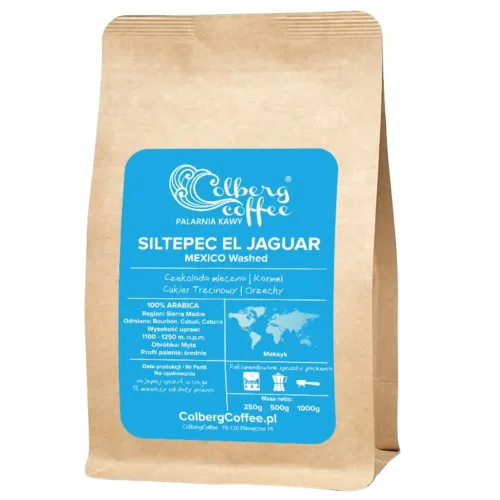
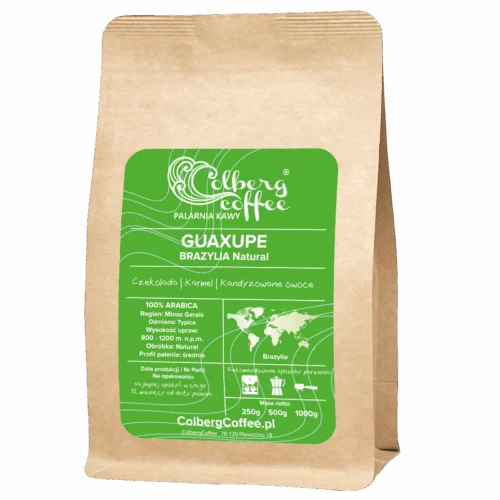
If you prefer a gentle-tasting coffee in the morning, look for low-acid beans, usually medium or darker roasted, with chocolate and nut notes. For the morning we recommend Peru Chanchamayo with notes of sweet chocolate and almonds, Mexico El Jaguar and Brazil Santos Guaxupe. For a bean-to-cup machine, Captain’s Blend works well. All our low-acid coffees are collected in the low-acidity coffee category, and our picks are described in the ranking of the best low-acid coffee beans.
These are suggestions for people who like a chocolatey, nutty profile, not a guarantee of better tolerance. Acidity you taste in coffee is not the same as acid in your stomach. A fruity, light-roasted coffee does not necessarily cause more symptoms than a darker one. If you notice that a particular coffee triggers symptoms, choose the one you tolerate better. We cover this in our article on acidity in coffee.
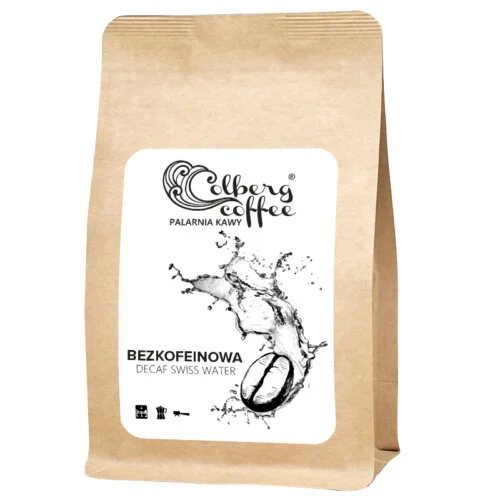
If caffeine doesn’t agree with you, reach for decaf in the morning: Colombia Excelso Decaf Swiss Water or Mexico El Tucan Decaf. Just remember that decaf also stimulates stomach acid, so it won’t always solve reflux.


Is drinking coffee on an empty stomach bad for you?
For most healthy adults it shouldn’t cause problems. In sensitive people, coffee before food can worsen heartburn and reflux. It can also reduce the absorption of some medicines, so keep the recommended gap between medicine and coffee.
Does coffee on an empty stomach cause stomach ulcers?
Research does not point to coffee as a cause of peptic ulcers. The main causes are Helicobacter pylori and non-steroidal anti-inflammatory drugs. People who already have an ulcer should discuss coffee with their doctor.
Does coffee on an empty stomach raise blood sugar?
In a small 2020 study, strong black coffee drunk after a poor night’s sleep, before a sugary drink, increased the total blood glucose response by about 50 percent. It is a temporary effect, not proof of long-term harm. After a bad night, you can eat breakfast first and have coffee afterwards as a precaution.
How long after waking up should you drink coffee?
No research points to a single best moment. The advice to wait 90 minutes because of cortisol has no direct support in studies. If you feel fine with coffee straight after getting up, there is no need to change the habit. The exception is people taking morning medicines such as levothyroxine.
Is coffee with milk better on an empty stomach?
There is no strong research on this, but some people feel better after coffee with milk than after black espresso before food. Reactions differ, so it is worth noticing how you feel after each.
What is the best coffee for an empty stomach?
No single coffee protects your stomach. If you prefer a gentle taste, choose a low-acid coffee, medium or darker roasted, with chocolate and nut notes. If caffeine is a problem, decaf is a good choice.
Przeczytaj też
Coffee on an empty stomach: is it bad for you? What the research says
Is coffee on an empty stomach bad for you? What research says about stomach acid,
Oct
Affogato: what it is and how to make one
An affogato is an Italian dessert: a scoop of vanilla ice cream drowned in hot
Oct
Victoria Arduino distributor in Poland: Colbergcoffee
Colbergcoffee is a Victoria Arduino espresso machine distributor in Poland. We sell, install and service
Oct

Turkish coffee: recipe, ratio and grind
How to make real Turkish coffee in a cezve: ratio, grind, sweetness levels and how
Oct

Coffee cupping: how roasters assess coffee and how to do it at home
What coffee cupping is, how a tasting works under the SCA protocol, what is assessed
Oct
Caffè mocha: what it is and how to make one
A caffè mocha is espresso with chocolate and steamed milk. Where the name comes from,
Oct
Coffee siphon: how it works and how to brew with it
How a coffee siphon works, how to brew with it step by step and what
Oct
Irish coffee: recipe, ratio and how to float the cream
The classic Irish coffee recipe: IBA proportions, how to keep the cream from sinking, which
Oct
