




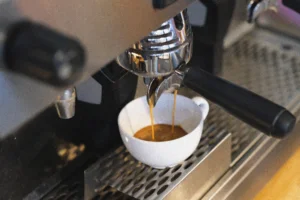







Cupping is how roasters, importers and baristas assess coffee. Instead of brewing it on an espresso machine or a dripper, they pour hot water over ground coffee in several bowls and taste it with a spoon, following the same procedure every time. That makes it possible to compare coffees, check new lots and spot defects. Here is what coffee cupping involves, what is assessed and how to run a cupping at home.
What is coffee cupping?
Cupping is a coffee tasting done to a fixed procedure. Every sample is prepared the same way: the same amount of coffee and water, the same temperature and the same time. That lets you compare different coffees, or see the effect of a single change such as the roast profile.
Cupping is used at every step of the coffee’s journey, from the farm and washing station through the importer to the roastery. Buyers assess samples before they buy. Roasters check that each new batch tastes consistent and compare roast profiles to find the one that brings out the coffee’s character best. The SCA (Specialty Coffee Association) protocol has long been the main reference. In recent years the SCA introduced a new system, the Coffee Value Assessment (CVA), which looks at more than a single score.
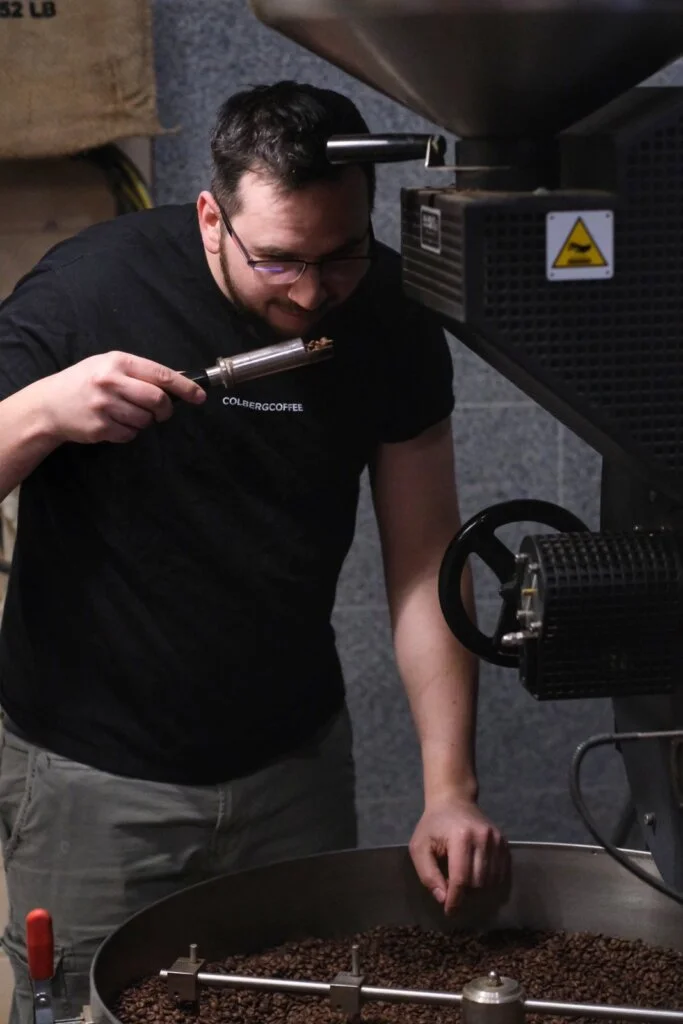
How cupping works, step by step
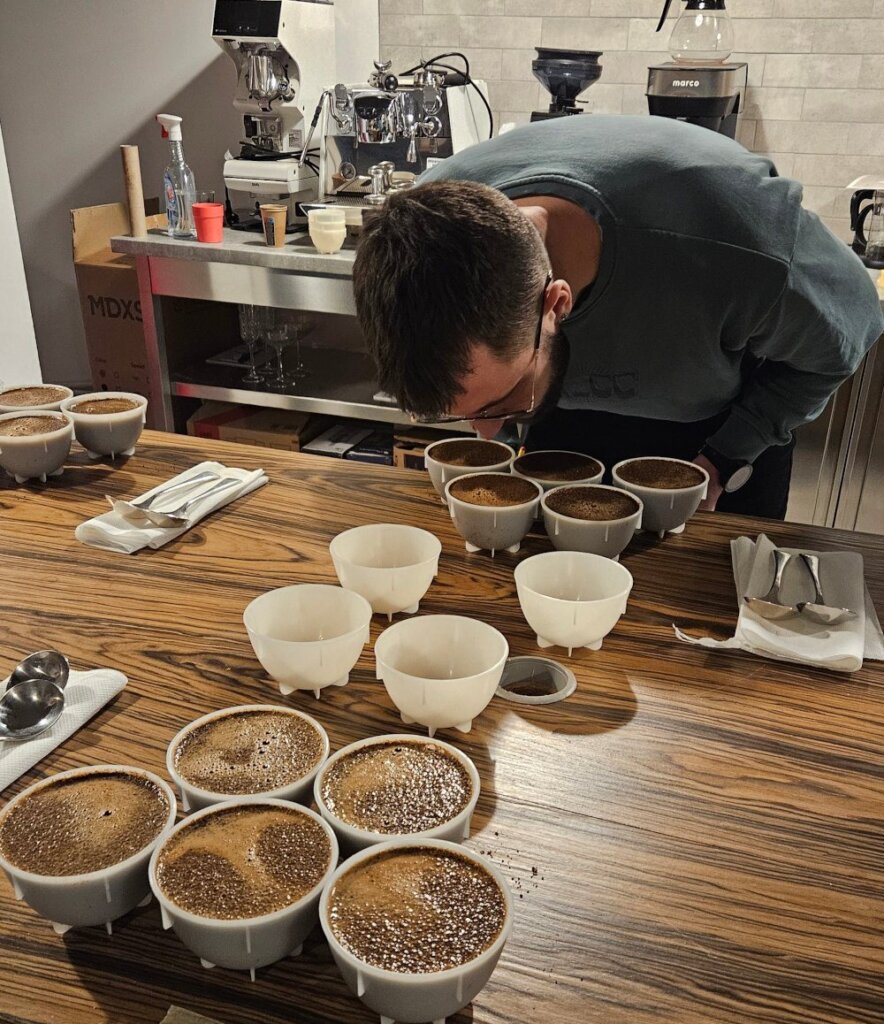
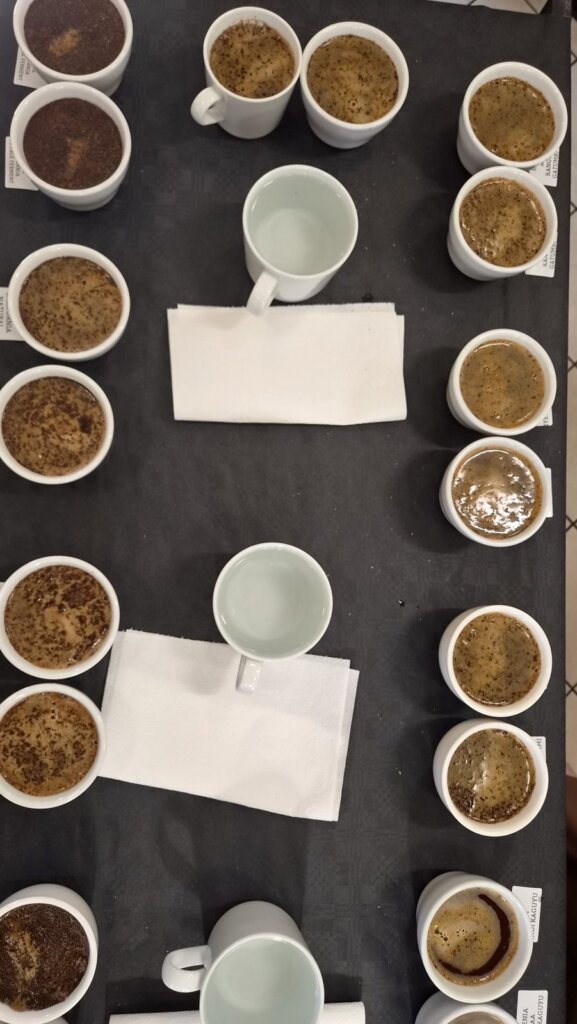
The classic SCA protocol uses 8.25 g of coffee for every 150 ml of bowl capacity, a ratio of about 1:18. The water should be around 93°C, and the coffee is ground slightly coarser than for a typical pour-over. The dose is scaled to the size of the bowl. In a professional session each coffee is usually set out in five bowls to check uniformity.
- Dry fragrance. Right after grinding, you smell the dry coffee in the bowl. This is the first part of the aroma assessment.
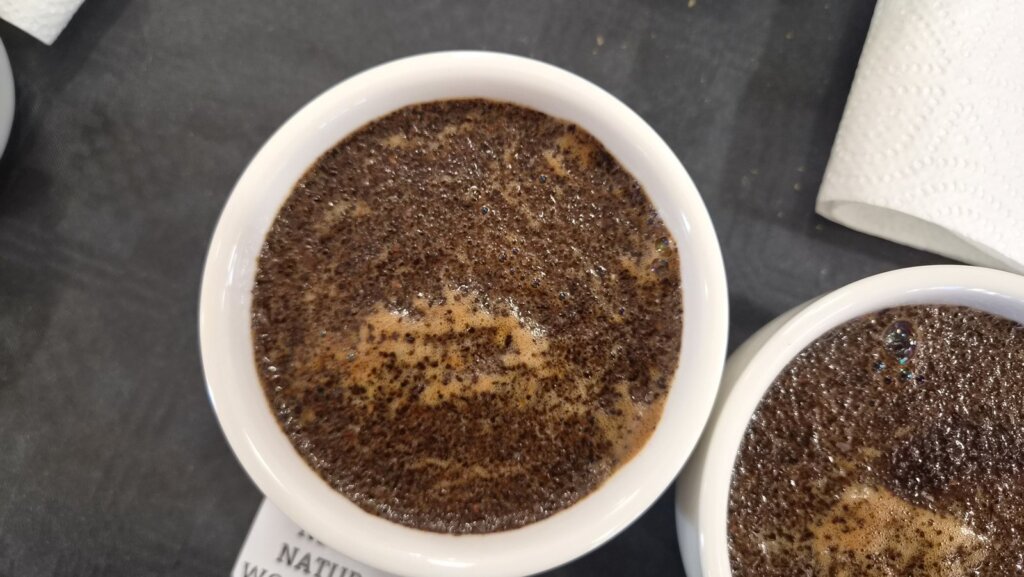
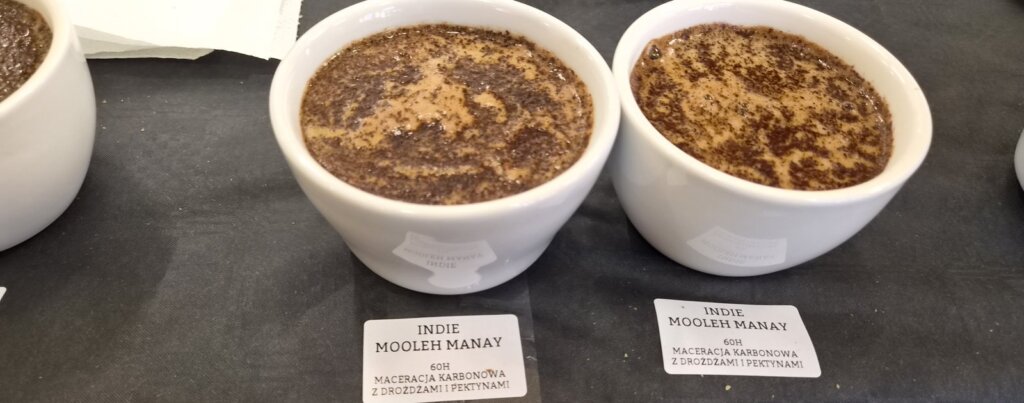
- Pouring. Hot water goes in up to the rim, wetting all the grounds. A layer of coffee forms on top, called the crust.
- Breaking the crust. After about 4 minutes you break the crust with a spoon, stirring three times just below the surface while smelling the aroma that is released.
- Skimming. The remaining grounds and foam are removed from the surface, ideally with two spoons.
- Tasting. Once the coffee cools to about 70°C, you take a spoonful and slurp it hard. That spreads the coffee across the palate and makes flavour and aroma easier to judge. Each coffee is tasted several times as it cools, because the way you perceive it changes.
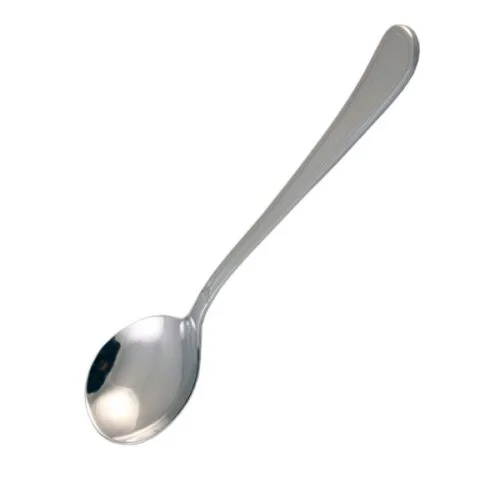
Cupping uses a deep tasting spoon that makes scooping and slurping easier. You will find one, the Motta cupping spoon, in our shop.
What is assessed during cupping?
The classic SCA form covered fragrance and aroma, flavour, aftertaste, acidity, body, balance, sweetness, clean cup, uniformity and overall impression, with defects scored separately. Attributes were scored on a points scale, though not all in the same way. These are the main ones:
| Attribute | What it means |
|---|---|
| Fragrance and aroma | the smell of the dry grounds and the aroma released after pouring and while breaking the crust |
| Flavour | taste and aroma perceived while drinking, for example fruit, chocolate or nuts |
| Aftertaste | what stays after swallowing or spitting, and how long it lasts |
| Acidity | the quality and intensity of acidity, for example citrus or apple |
| Body | the sense of fullness, weight and texture in the mouth, for example light, silky or creamy |
| Balance | how flavour, aftertaste, acidity and body work together |
| Sweetness, clean cup, uniformity | a pleasant sense of sweetness, no off-flavours and consistency across all bowls of the same sample |
Under the classic SCA system, a score of at least 80 out of 100 was the core sensory threshold for specialty coffee, alongside green coffee quality including defects. The newer CVA separates physical assessment, flavour description, quality assessment and information about the coffee, so 80 points alone no longer defines specialty. More in What specialty coffee means now that 80 points is no longer enough.
Why does a roastery cup coffee?
For a roastery, cupping is one of the main quality control tools. It helps choose green coffee before buying, compare roast profiles and check that batches are consistent. Samples for professional assessment are roasted to a set standard, usually fairly light to medium, so roast flavours do not hide the coffee’s character. A sample free of roast defects and prepared the same way every time matters just as much.
The tasting notes on coffee bags come partly from cupping. Our descriptions include fruity and floral notes such as blackberry in Kenya Inoi Kaguyu or jasmine in Ethiopia Kurume Natural. These are not added flavourings but impressions that come from the coffee’s natural profile. Where they come from is explained in Fruity notes in coffee.
How to cup coffee at home
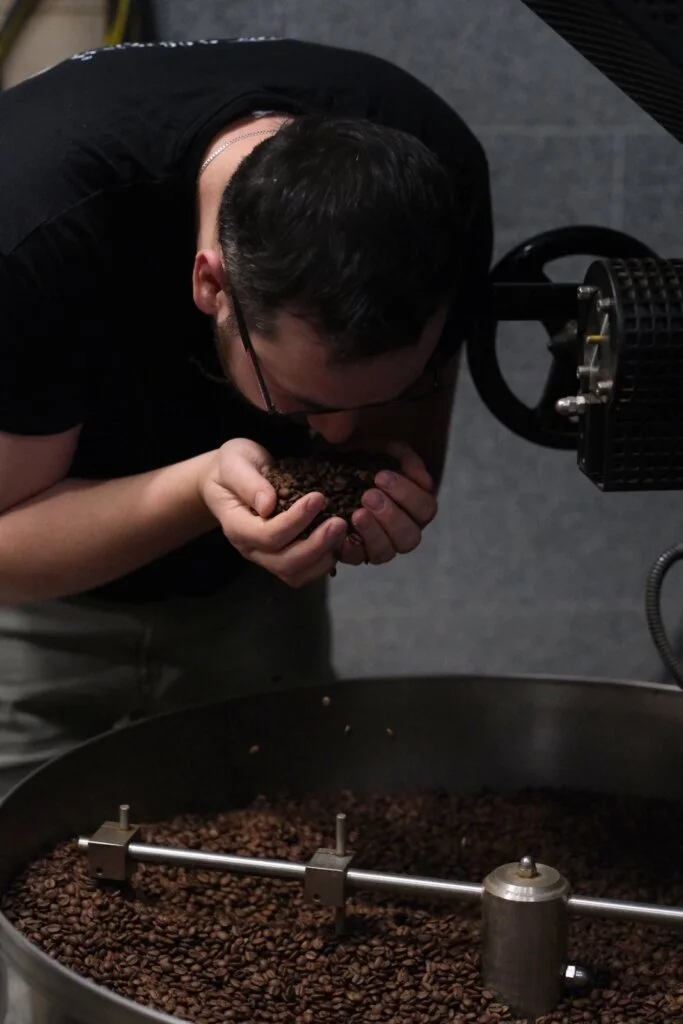
Cupping at home is one of the easiest ways to learn how coffees differ. You do not need professional kit: a few coffees, matching cups and a little focus are enough.
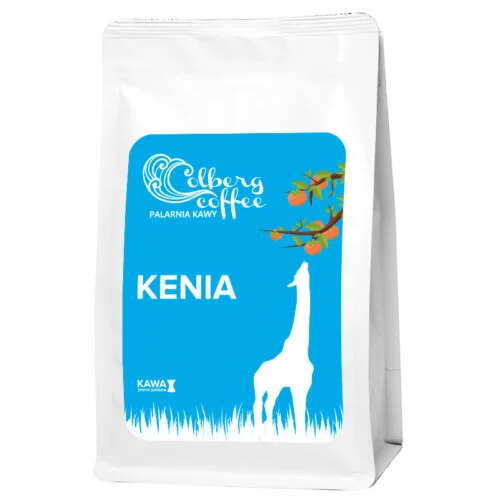
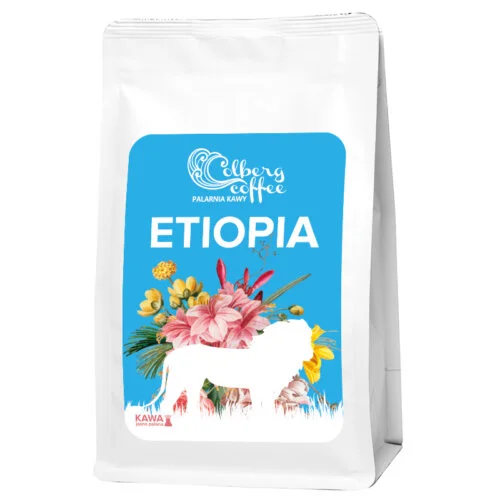
- Pick 2-3 different coffees. Light roasts from different countries are best to start, for example Kenya and Ethiopia, as their profiles are easy to compare.
- Set out one or two identical cups or glasses for each coffee. All of them should hold the same volume.
- Weigh 8.25 g of coffee per 150 ml of water. At home you can round it to 8-9 g. Grind just before tasting, slightly coarser than for a typical pour-over.
- Heat the water to around 93°C, ideally checking with a thermometer. Pour and leave the coffee unstirred for about 4 minutes, until you break the crust.
- Break the crust with a spoon and smell the aroma, then skim the grounds and foam from the surface.
- When the coffee has cooled to about 70°C, start tasting. Try each coffee in turn, rinsing the spoon in water between samples. Taste again as they cool and note what you find.
You do not need to name specific fruits or flowers straight away. Start by comparing which coffee is more acidic, which is sweeter and which has more body. Naming notes gets easier with practice.

What is coffee cupping?
Cupping is a coffee tasting done to a fixed procedure. All samples are prepared the same way and tasted with a spoon, assessing aroma, flavour, acidity, body and aftertaste among other things.
How much coffee for cupping?
The classic SCA protocol uses 8.25 g of coffee for every 150 ml of bowl capacity, a ratio of about 1:18, with water at around 93°C. The dose is scaled to the size of the bowl.
Why do you slurp coffee when cupping?
A hard slurp spreads the coffee across the whole mouth and mixes it with air, which helps release aromatic compounds. That makes flavour and aroma easier to judge.
How many points does specialty coffee need?
Under the classic SCA system, specialty coffee needed at least 80 out of 100 points and had to meet green coffee quality requirements, including no primary defects and a limited number of secondary ones. Under the newer CVA, 80 points alone is no longer enough.
Can I cup coffee at home?
Yes. You need 2-3 different coffees, matching cups, a scale, a grinder and a spoon. The key is to prepare every sample the same way and taste them at similar temperatures.
What spoon is used for cupping?
A deep cupping spoon, shaped to make scooping and slurping easier. At home a regular tablespoon will do, although it is less comfortable.
Przeczytaj też

Affogato: what it is and how to make one
An affogato is an Italian dessert: a scoop of vanilla ice cream drowned in hot
Oct

Victoria Arduino distributor in Poland: Colbergcoffee
Colbergcoffee is a Victoria Arduino espresso machine distributor in Poland. We sell, install and service
Oct

Turkish coffee: recipe, ratio and grind
How to make real Turkish coffee in a cezve: ratio, grind, sweetness levels and how
Oct
Coffee cupping: how roasters assess coffee and how to do it at home
What coffee cupping is, how a tasting works under the SCA protocol, what is assessed
Oct

Caffè mocha: what it is and how to make one
A caffè mocha is espresso with chocolate and steamed milk. Where the name comes from,
Oct
Coffee siphon: how it works and how to brew with it
How a coffee siphon works, how to brew with it step by step and what
Oct

Irish coffee: recipe, ratio and how to float the cream
The classic Irish coffee recipe: IBA proportions, how to keep the cream from sinking, which
Oct

Espresso macchiato: what it is and how to make one
An espresso macchiato is espresso with a little milk foam. Here is how it differs
Oct
