












Turkish coffee is very finely ground coffee heated with water in a small pot called a cezve. It is served unfiltered, grounds and all, with its characteristic foam on top. Here is how to make it, the ratio to use and how fine to grind, plus how it differs from the Polish habit of pouring boiling water over ground coffee in a glass, and which coffee to choose.
What is Turkish coffee?
Turkish coffee is one of the oldest ways of brewing coffee still in use. Very finely ground coffee is heated in a cezve with water and, optionally, sugar until foam forms on the surface. The coffee is not filtered: the grounds go into the cup, gradually settle to the bottom and stay there when you finish.
Turkish coffee culture and tradition was added to UNESCO’s Representative List of the Intangible Cultural Heritage of Humanity in 2013. Similar brewing methods are found in the Balkans, Greece and parts of the Middle East, and some regional recipes add cardamom.
Turkish coffee vs „Turkish coffee” in a glass
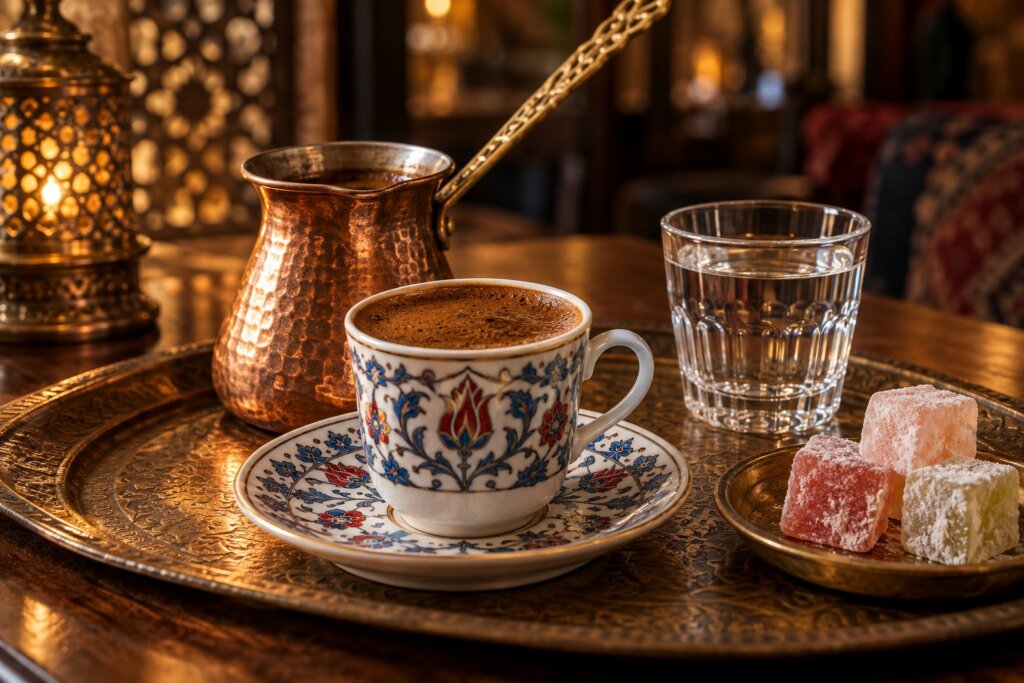
In Poland, „kawa po turecku” (Turkish-style coffee) was for years the name for ground coffee with boiling water poured over it in a glass. That is a different method: the coffee is not heated with the water in a pot, and it is usually ground coarser. A brief froth may appear on top, but not the characteristic Turkish foam.
| Turkish coffee | „Turkish-style” in a glass | |
|---|---|---|
| Grind | very fine, like powder, usually finer than espresso | fine or medium, depending on the coffee |
| Brewing | coffee heated with cold water in a cezve | hot water poured over ground coffee in a glass |
| Foam | characteristic, usually pronounced foam | a brief froth at most, not Turkish-style foam |
| Sugar | added before brewing, to taste | added before or after pouring |
| Serving | usually about 60-90 ml in a small cup | often about 200-250 ml in a glass |
We cover coffee brewed in a glass in our Polish-style coffee guide. This guide is about traditional Turkish coffee made in a cezve.
How to make Turkish coffee: recipe and ratio
For one small cup you need:
- about 7 g of very finely ground coffee, ideally weighed, as measuring with a teaspoon is imprecise,
- about 70 ml of cold, filtered water, roughly what a small cup holds,
- sugar to taste, from none to two teaspoons if you like it very sweet.
- Pour the cold water into the cezve. You can measure it with the cup you will serve the coffee in.
- Add the ground coffee and any sugar. Stir until the coffee is mixed into the water, then do not stir again while it heats.
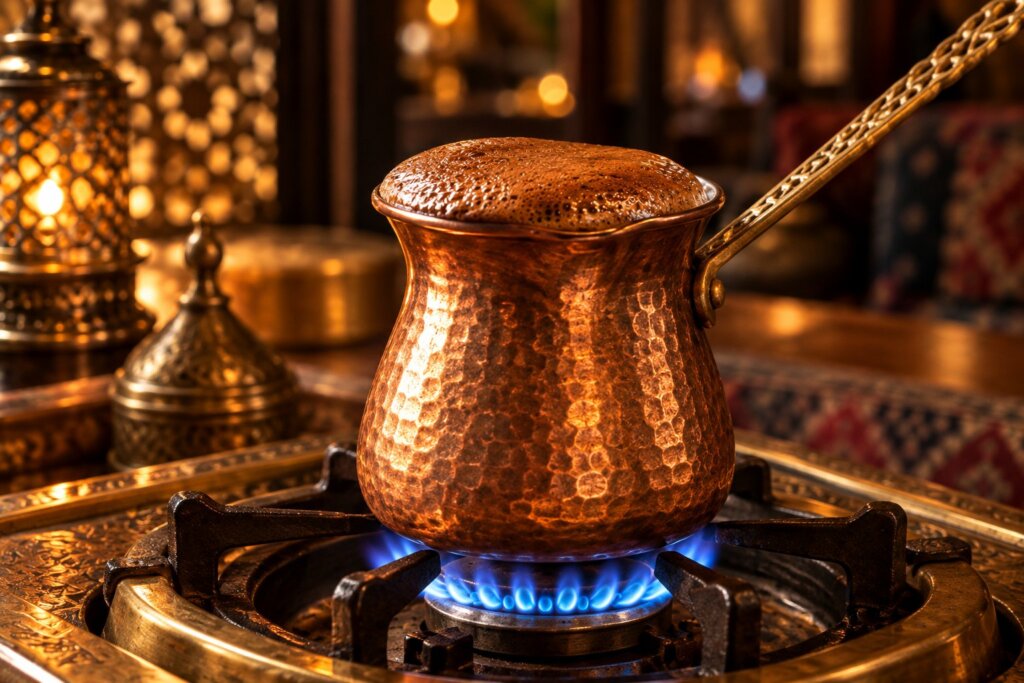
- Put the cezve on a low heat. Heat it slowly to control the foam and avoid a rolling boil.
- When the foam thickens and starts to rise clearly in the pot, take the cezve off the heat before the coffee boils hard.
- Spoon a little foam into the cup, then slowly pour in the rest of the coffee. You can also pour it all carefully without spooning the foam first.
- Wait a minute or two for most of the grounds to settle. Sip slowly and leave the sediment in the cup.
Decide on the sugar before brewing, as the finished coffee is traditionally not stirred. In Turkey you can order it without sugar (sade), lightly sweet (az şekerli), medium sweet (orta şekerli, often just orta) or very sweet (çok şekerli).
How to grind coffee for Turkish coffee
Turkish coffee needs an exceptionally fine grind, usually finer than for espresso. The ground coffee should feel like flour or powder. This helps an intense extraction and gives the drink its typical texture, although the foam also depends on the coffee itself and how you heat it.
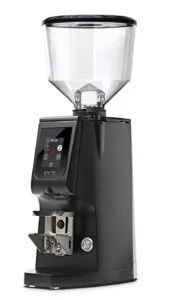
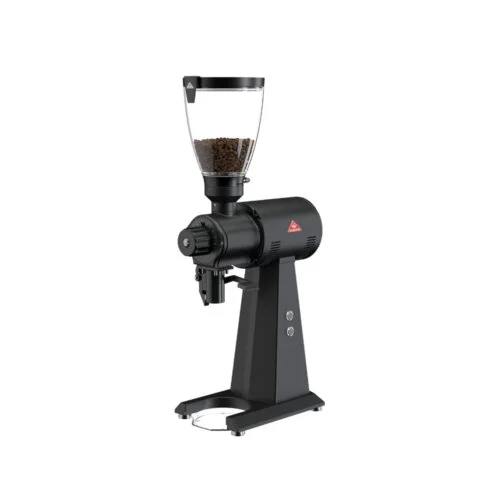
Most home grinders cannot grind this fine, so a grinder made for Turkish coffee is the best choice. In professional settings the Mahlkönig EK43 can also be used with the right burrs, especially the EK43 T version designed for this grind. For more on grind sizes, see How to grind coffee for every brew method.
Which coffee for Turkish coffee?
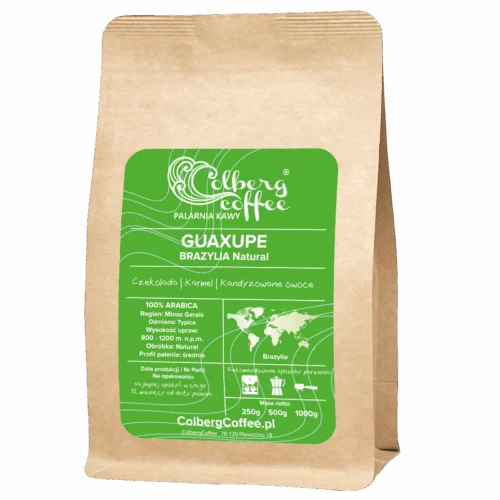
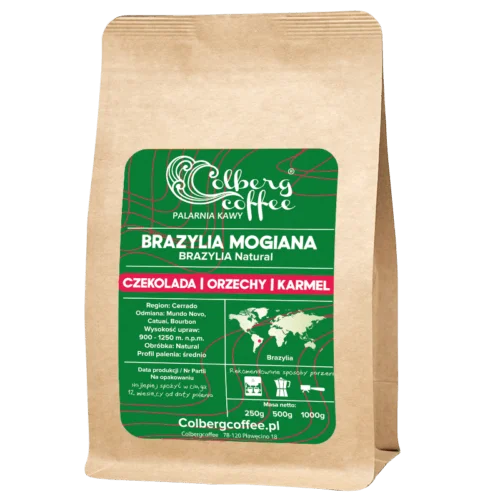
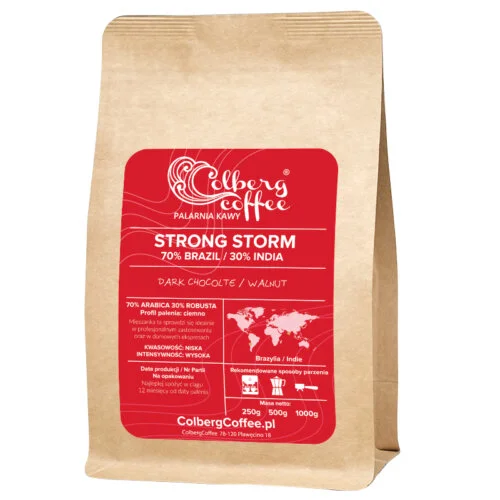
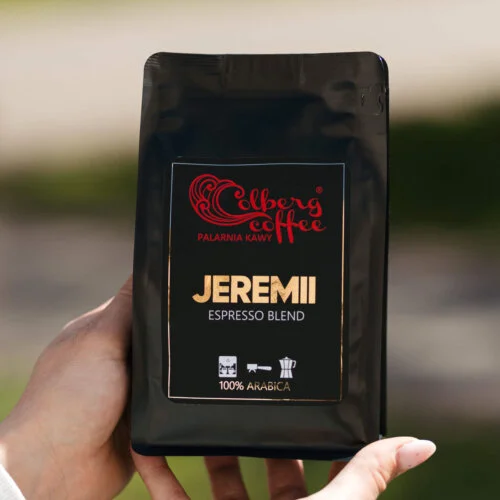
Traditional Turkish coffee is often made with medium-roasted arabica, though other roast levels work too. Chocolatey, nutty coffees are a good place to start, for example Brazil Santos Guaxupe or Brazil Mogiana. For a more intense cup, try Strong Storm.
Light roasts from Ethiopia or Kenya can also be brewed in a cezve. They may keep their bright, fruity acidity but will taste different than as pour-over. Without filtering, more fine coffee particles stay in the drink and give it a fuller texture, which can make delicate notes less distinct.
How to serve Turkish coffee
Turkish coffee is served in a small cup, often with a glass of water and a piece of Turkish delight (lokum). The water is traditionally drunk first to prepare the palate. There is also a tradition of reading fortunes from the grounds left in the cup, known in Turkey as kahve falı.
In parts of the Middle East, especially the Levant, a coffee similar to Turkish coffee is made with cardamom, and some recipes use cinnamon or cloves. Ground spices can go into the cezve with the coffee. This is different from traditional Arabic coffee from the Gulf, which is prepared in another way.
How do you make Turkish coffee?
Pour about 70 ml of cold water into a cezve, add about 7 g of very finely ground coffee and sugar if you like. Stir and heat on a low flame. When the foam starts to rise, take it off the heat before it boils hard, then pour it carefully into a cup.
How much coffee for one cup of Turkish coffee?
For one small cup use about 7 g of very finely ground coffee and about 70 ml of water, a 1:10 ratio. Weigh the coffee if you can, as a teaspoon is imprecise.
Do you boil Turkish coffee?
Heat it slowly until the foam starts to rise in the pot, then usually take the cezve off the heat to avoid a rolling boil, which can break the foam. Some traditional recipes heat the coffee again.
How fine should Turkish coffee be ground?
Very fine, usually finer than for espresso. Ground coffee should look like flour or powder. A grinder made for Turkish coffee works best.
What is a cezve?
A small pot with a long handle, traditionally made of copper and today often of stainless steel, used to make Turkish coffee. It is also known as an ibrik.
Is Turkish coffee just ground coffee with boiling water in a glass?
No. In Poland that was the colloquial name for ground coffee with hot water poured over it in a glass. Traditional Turkish coffee is made by heating very finely ground coffee with water in a cezve and is served unfiltered with its characteristic foam.
Przeczytaj też

Affogato: what it is and how to make one
An affogato is an Italian dessert: a scoop of vanilla ice cream drowned in hot
Oct

Victoria Arduino distributor in Poland: Colbergcoffee
Colbergcoffee is a Victoria Arduino espresso machine distributor in Poland. We sell, install and service
Oct

Turkish coffee: recipe, ratio and grind
How to make real Turkish coffee in a cezve: ratio, grind, sweetness levels and how
Oct
Coffee cupping: how roasters assess coffee and how to do it at home
What coffee cupping is, how a tasting works under the SCA protocol, what is assessed
Oct

Caffè mocha: what it is and how to make one
A caffè mocha is espresso with chocolate and steamed milk. Where the name comes from,
Oct
Coffee siphon: how it works and how to brew with it
How a coffee siphon works, how to brew with it step by step and what
Oct

Irish coffee: recipe, ratio and how to float the cream
The classic Irish coffee recipe: IBA proportions, how to keep the cream from sinking, which
Oct

Espresso macchiato: what it is and how to make one
An espresso macchiato is espresso with a little milk foam. Here is how it differs
Oct
