

Grinding is one of the most important factors affecting the taste in the cup. Even the best beans will not show their potential if they are ground badly. It is the grind size that decides whether the coffee will be balanced, or watery, or bitter.
The good news is that you do not need to be an equipment expert to grind coffee well. You only need to understand one thing: grind size has to match the brewing method.
Why grind size matters so much
During brewing, water “pulls” flavour out of the coffee. If the coffee is ground too coarse, the water flows through too quickly and the cup comes out weak, watery and sour. If it is ground too fine, extraction goes on too long and you get bitterness and a heavy, overwhelming taste.
So grinding is about balance: getting the most flavour out without going too far either way.
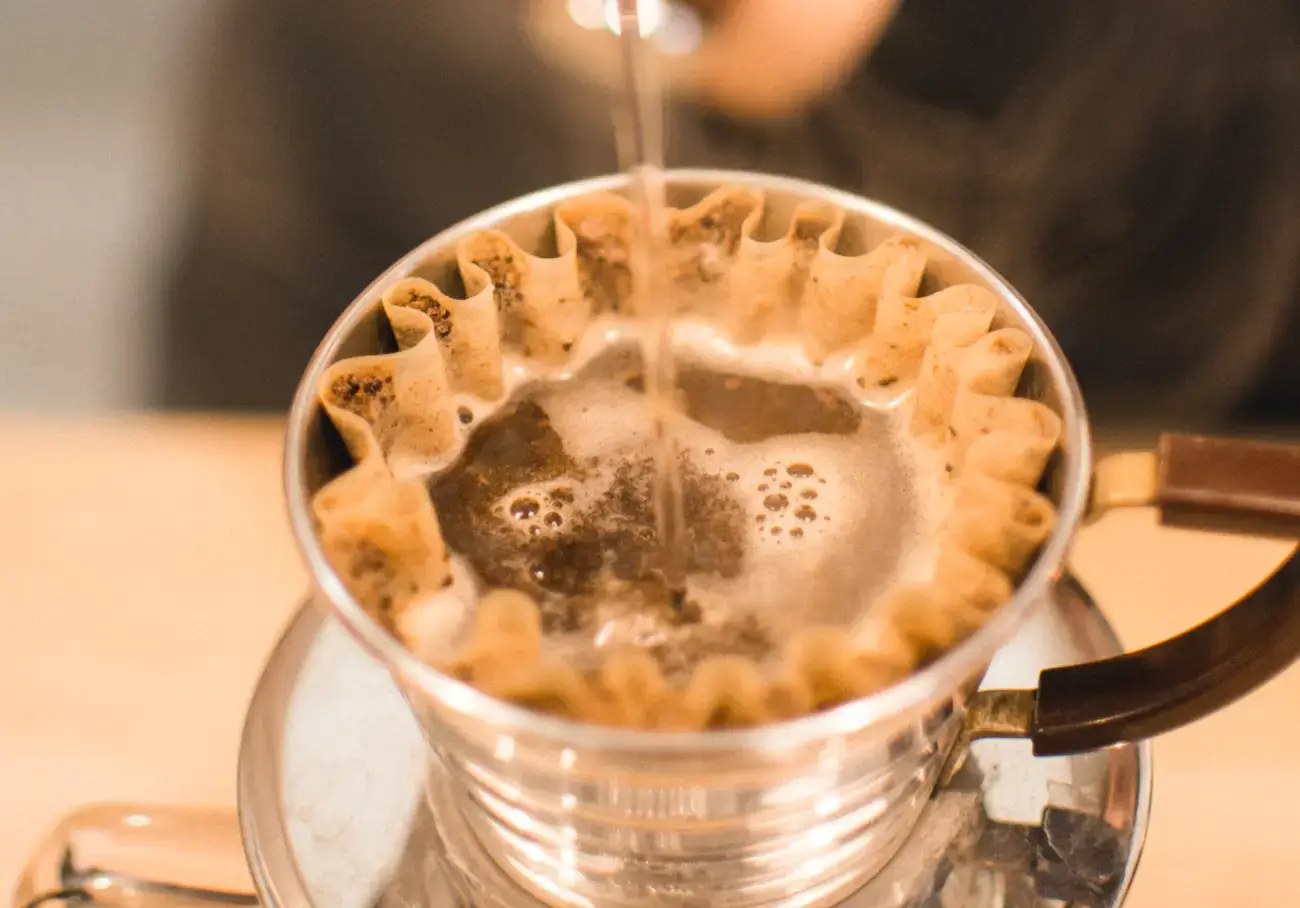
The coffee grind scale: from very fine to very coarse
The simplest way to picture grind size is as a scale:
- very fine: like flour or icing sugar
- fine: like icing sugar / fine sand
- medium: like granulated sugar
- coarse: like sea salt
- very coarse: like coarsely crushed pepper
This simple comparison works better than specific grinder settings, because every grinder has a different scale.
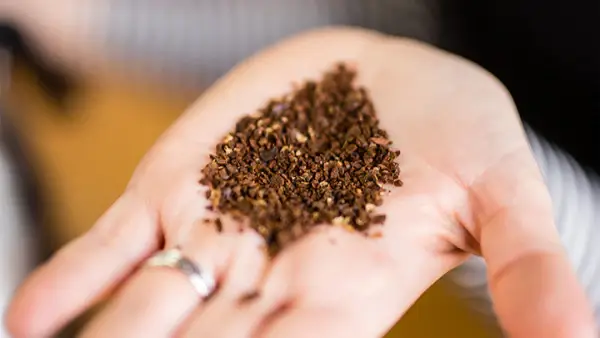
How to grind coffee for espresso
Espresso needs a very fine grind. The texture should resemble fine sand or icing sugar.
Why so fine? Because in espresso the water is in contact with the coffee for a very short time (about 25-30 seconds). A fine grind slows the flow and lets you extract the full flavour.
If the shot runs too fast, grind finer.
If it drips and tastes bitter, grind coarser.
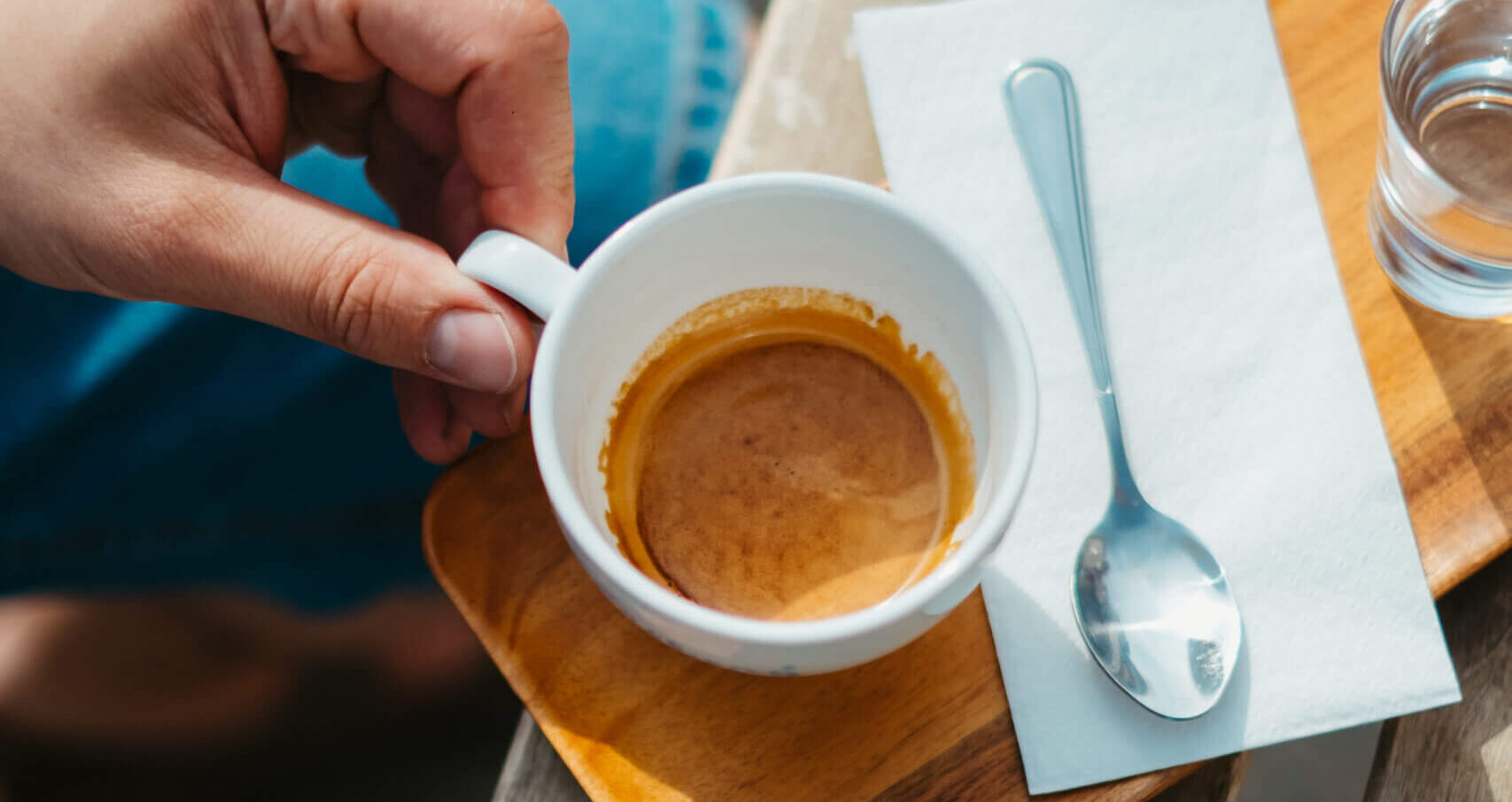
How to grind coffee for a moka pot
A moka pot likes a fine grind, but not as fine as for espresso. Aim for something between fine sand and granulated sugar.
Coffee ground too fine can taste bitter, while too coarse a grind will give you an empty cup with no character.
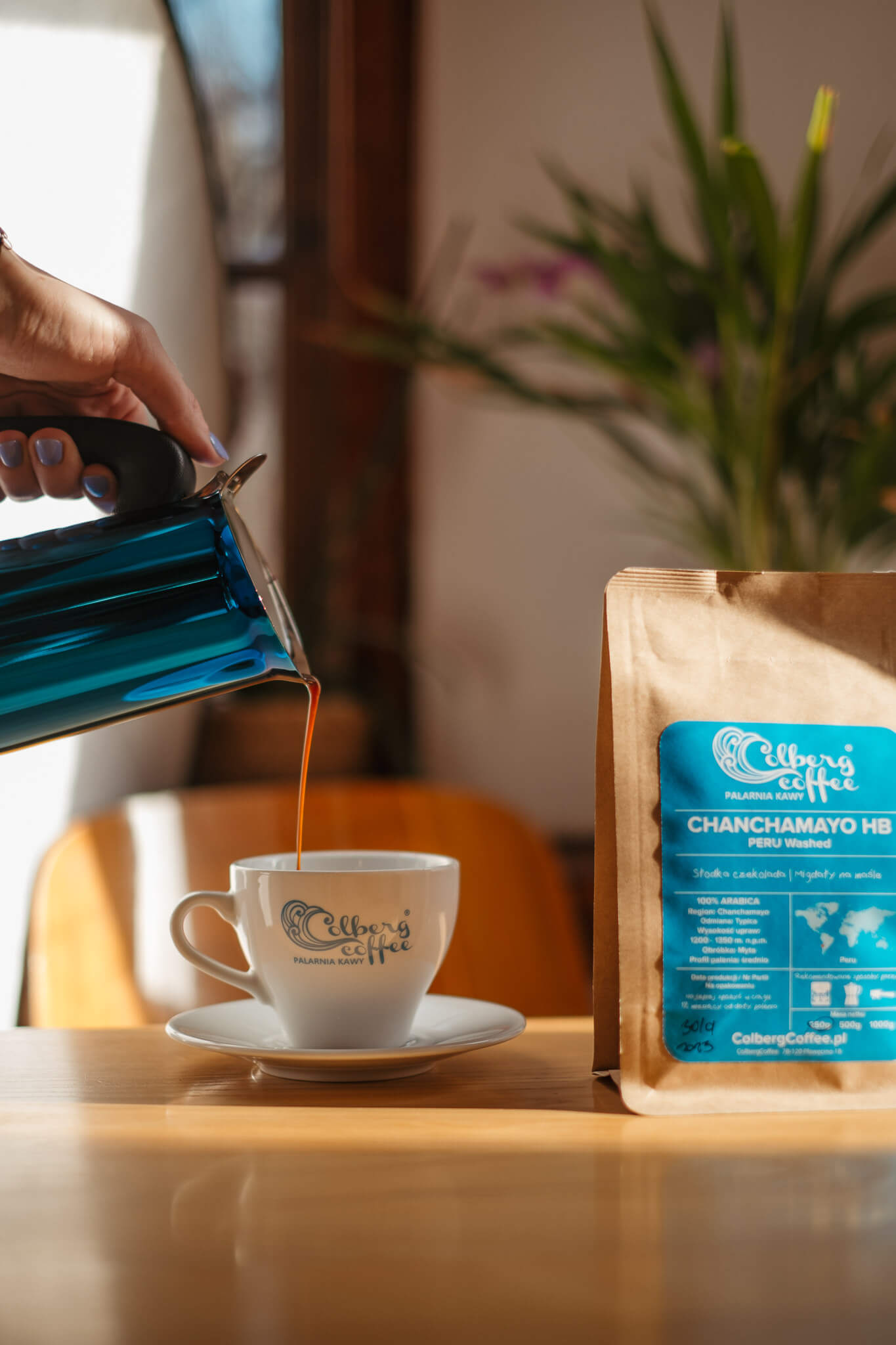
How to grind coffee for pour-over and filter coffee machines
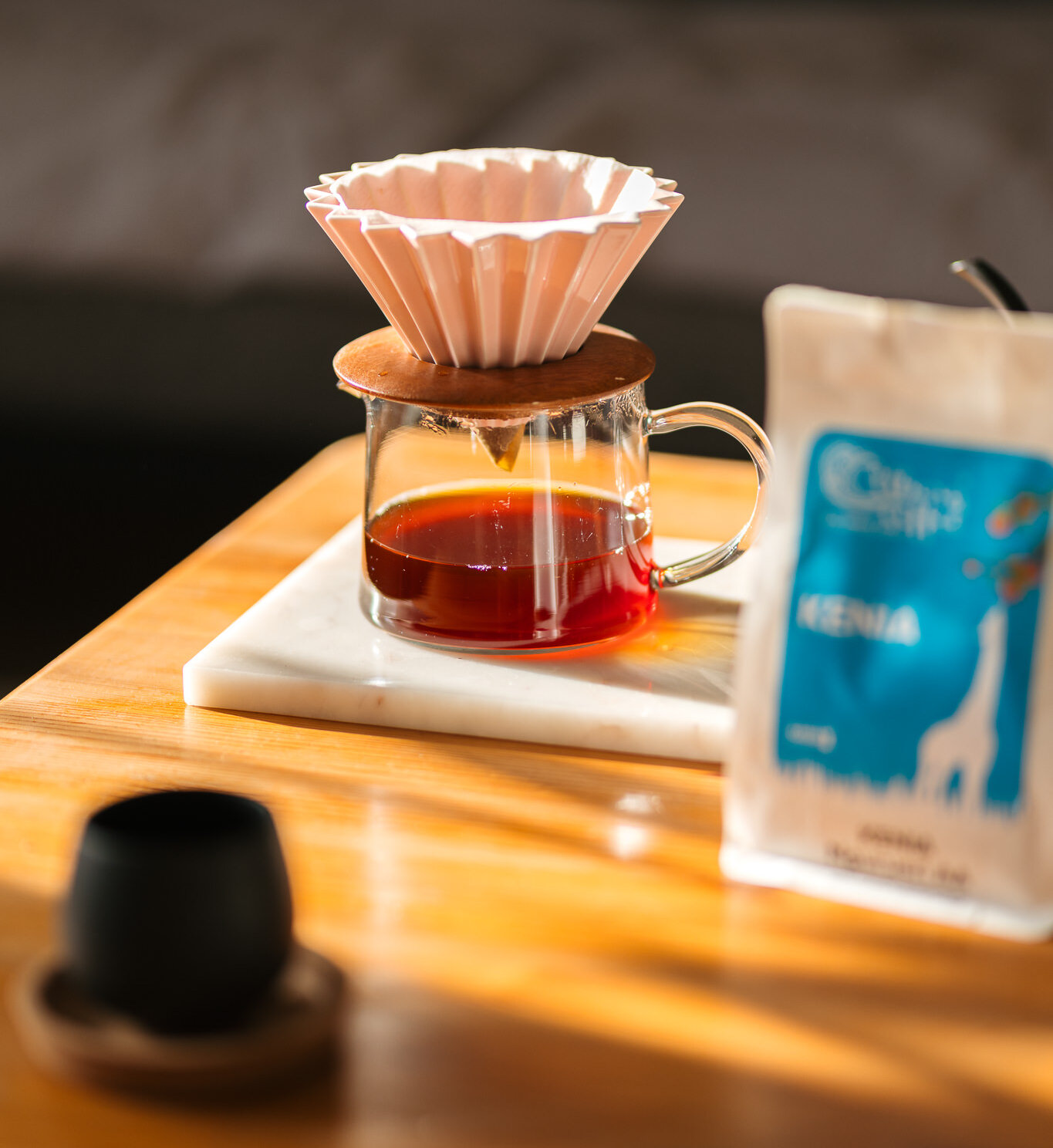
For filter methods a medium grind works best, like ordinary granulated sugar. This size lets the water flow at an even pace and brings out a balance between acidity and bitterness.
If the cup comes out too sour and watery, grind finer. If bitterness appears, go coarser. It is the easiest way to improve the taste quickly.
How to grind coffee for French press and AeroPress
A French press works best with a grind between medium and slightly coarser: something between granulated sugar and sea salt. This size gives a full flavour without excessive bitterness and limits the amount of sediment in the cup.
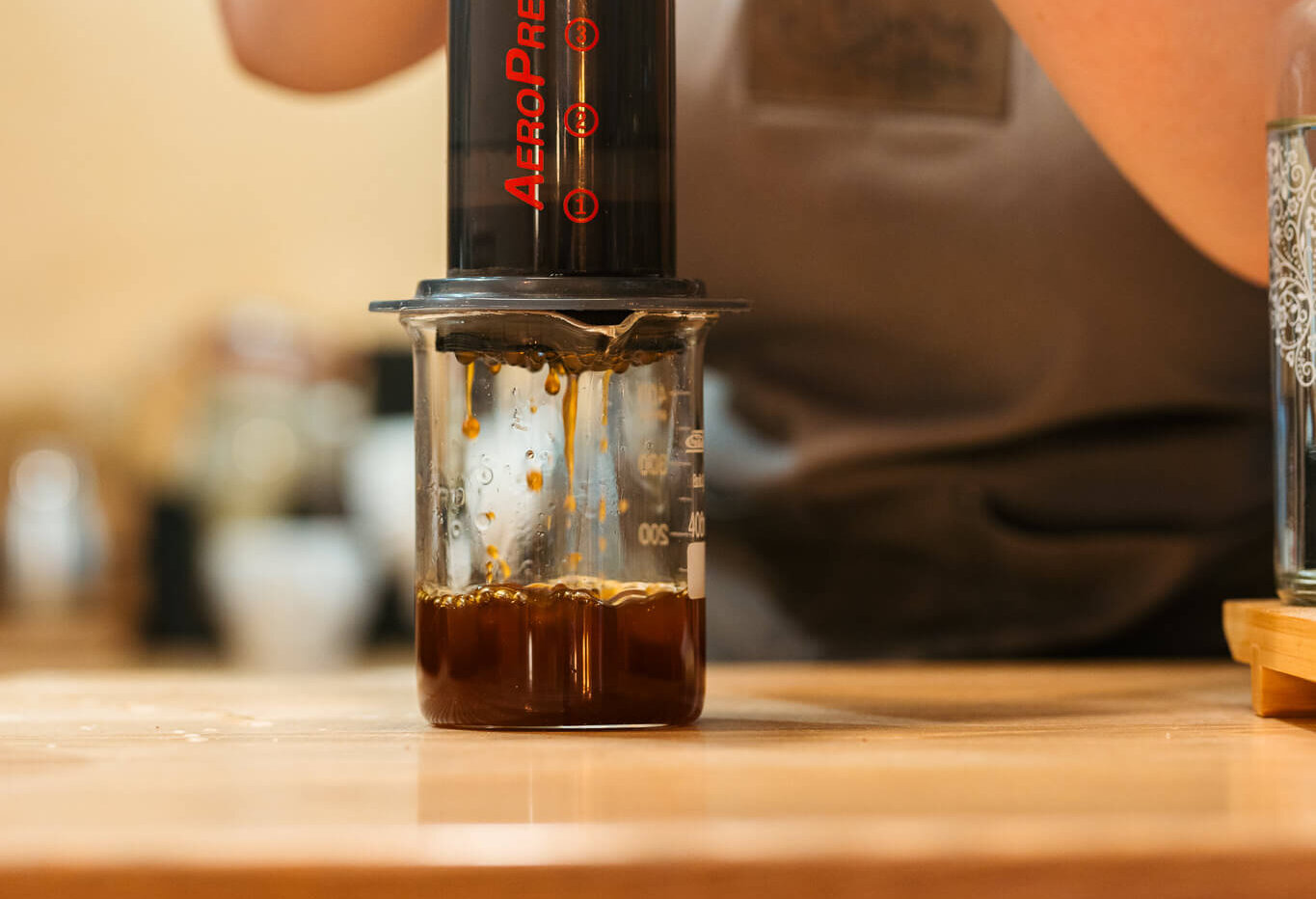
For AeroPress, aim for a grind close to sea salt. It is a good starting point that gives a balanced cup, and later you can adjust it slightly depending on whether you want more intensity or more delicacy.
Freshly ground and the most important rule
You will get the best flavour by grinding coffee just before brewing. Within minutes of grinding the aroma starts to escape, so freshness makes a huge difference.
And finally, the most important thing:
match the grind size to the method and watch how the coffee tastes in the cup.
If the coffee is sour and thin, grind finer.
If it is bitter and heavy, grind coarser.
It is a simple rule that always works and lets you get the most out of any coffee.
FAQ: how to grind coffee
How should I grind coffee for different brewing methods?
Espresso needs a fine grind, filter a medium grind and French press a medium-coarse grind. Grind size is always matched to the brewing method.
What does the coffee grind scale look like?
Put simply: fine like sand, medium like granulated sugar, medium-coarse like cane sugar, coarse like sea salt.
Why is my coffee watery or tasteless?
Most often because the grind is too coarse: the water flows through too fast and does not extract the flavour.
Why does my coffee come out bitter?
Too fine a grind over-extracts the coffee, which gives a heavy, bitter taste.
What is the quickest way to improve the taste of coffee?
Changing the grind size. It is the simplest and fastest way to improve the taste without changing the coffee.
