

Matcha has properly landed in the world of cafes, and for a lot of customers it is now a natural alternative to coffee. Most people order it as a matcha latte, which makes it just as important to think about how to prepare it as which matcha to choose in the first place, so the flavour stays consistent and enjoyable.
Good matcha can make a menu item sell. Bad matcha disappears from the menu fast.
Colour and freshness: your first quality filter
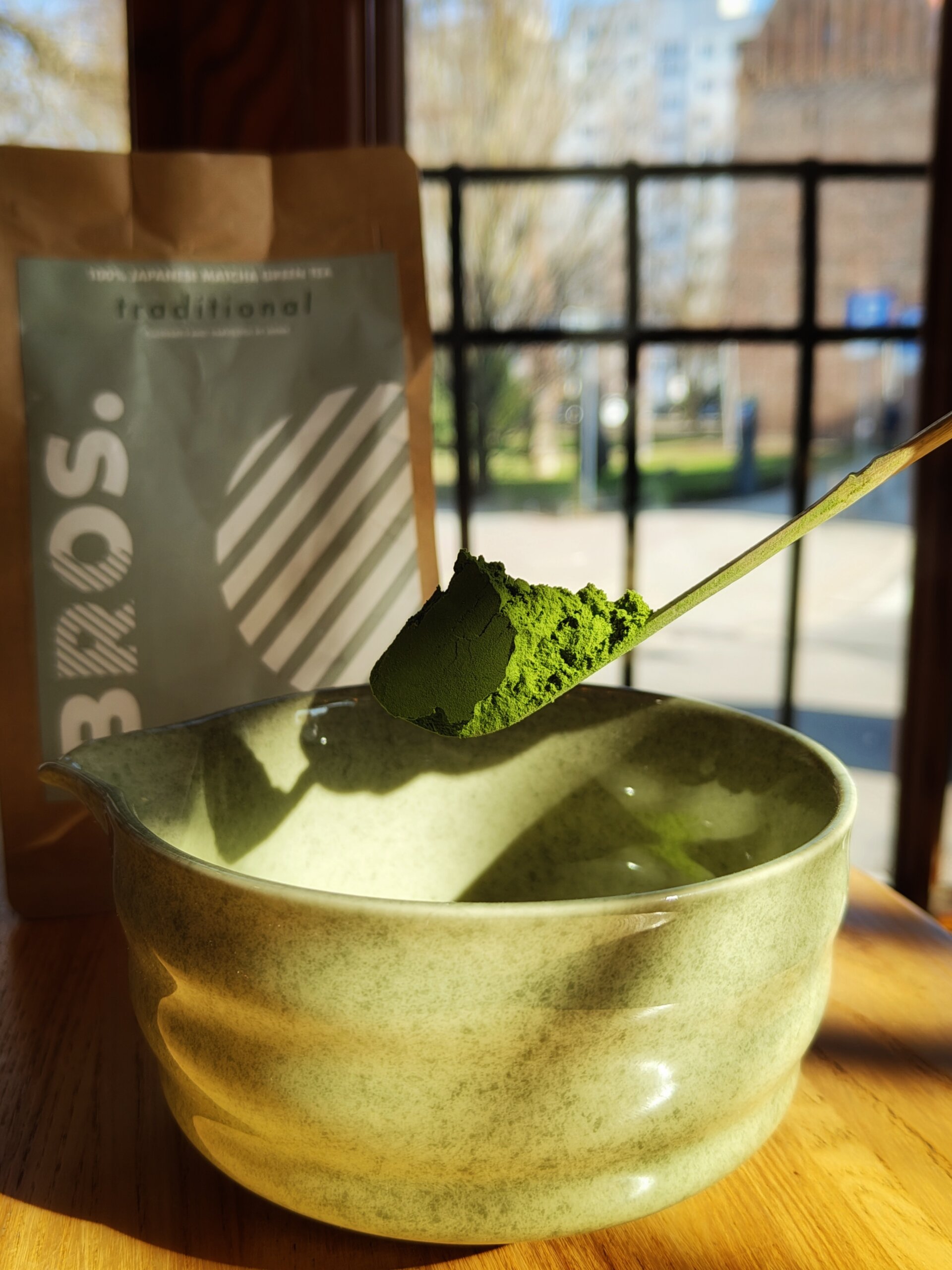
The first thing worth checking is how the powder looks. High-quality matcha has an intense, vivid green colour. That is not just about looks either: colour translates directly into freshness and flavour.
A dull, olive or yellowish tint usually points to lower quality or an older product, which later shows up as a flat or bitter cup. In practice, this is one of the simplest ways to rule out weaker options before you even taste them.
Flavour profile and balance in the drink
Matcha should come through in the cup without being tiring to drink. A well-chosen product has a light creaminess, a vegetal character and a subtle sweetness. That balance is exactly what makes the drink pleasant and approachable for a wide range of customers.
Matcha that is too aggressive will taste dominated by bitterness, while one that is too delicate can come across as watery and indistinct. The products that work best sit in the middle: present in the flavour without overwhelming it.
Choosing a quality level in practice
On the market you will find both higher-grade matcha (often marketed as premium) and more everyday, workhorse options. Both can work well, as long as you match the product to the job.
Higher-grade matcha gives a smoother, cleaner, slightly sweet profile. That usually comes through as a creamier drink.
Everyday matcha tends to be a bit more robust and direct. Its advantage is a clear, assertive flavour and better economics for regular use.
In practice, a lot comes down to the effect you are going for. There is no single right answer here: what matters is that the matcha is fresh, balanced and predictable.
Consistency and product stability
One of the most important, and most often overlooked, aspects is consistency. Customers expect the drink they order to taste the same every time.
So good matcha is matcha that:
- keeps a similar profile from batch to batch,
- gives a stable colour and aroma,
- does not need constant adjustments during preparation.
In day-to-day service, product stability often turns out to matter more than chasing the absolute top shelf.
A reliable option for everyday preparation
Balanced products work best: ones that combine well with milk and do not cause problems during preparation.
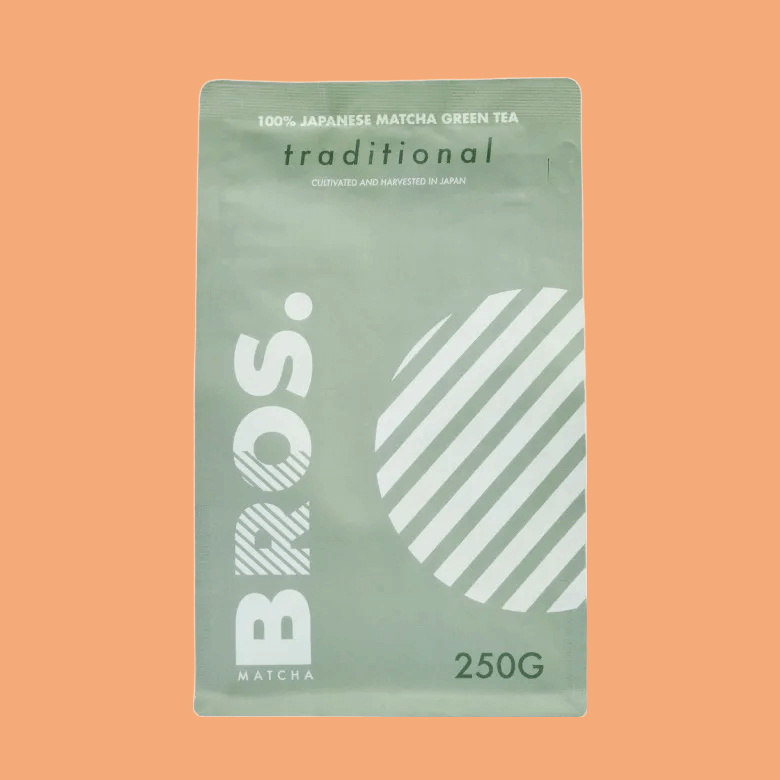
Matcha Bros, available at Colbergcoffee, is an example of that kind of product. It has a profile that gives a noticeable but pleasant flavour without excessive bitterness, and it holds up well when you are making drinks regularly. For a lot of venues, it is simply a convenient, predictable choice.
How it tastes is still a matter of personal preference, of course, so it is always worth testing a product in your own recipe first.
How to prepare matcha so the flavour is at its best
How you prepare matcha matters enormously. Even very good matcha will not show its potential if it is mixed badly.
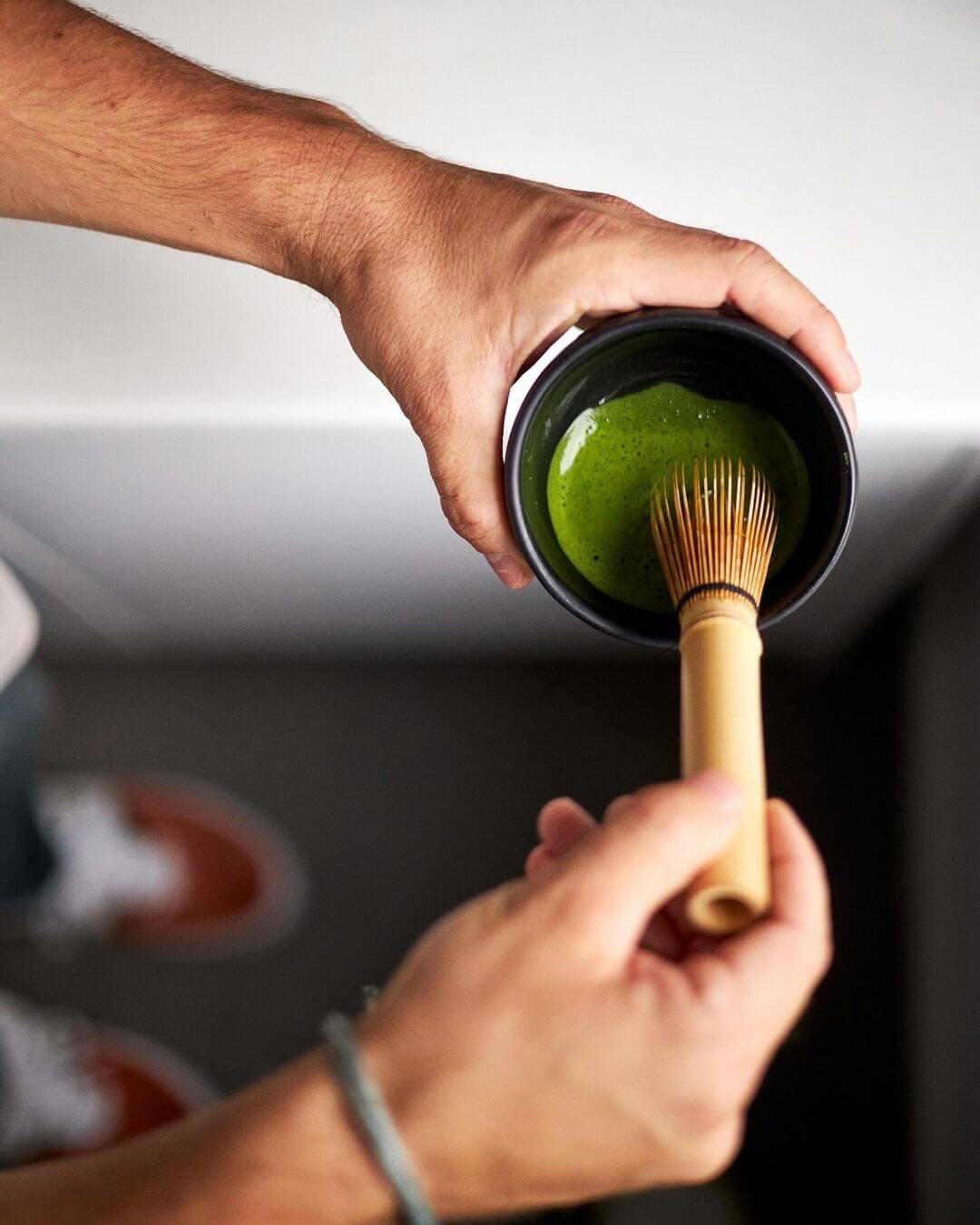
The best way to prepare matcha is with a chasen, the traditional bamboo whisk. It breaks the powder down thoroughly, aerates the drink and produces a perfectly smooth texture with no clumps. That gives matcha a creamier structure and a fuller flavour, and the most consistent, high-quality result.
An electric milk frother is an alternative, and one that often gets used in practice for its convenience and speed. It has to be said plainly, though, that it does not give as good a result as a chasen: it aerates the matcha less well and does not always handle the texture perfectly. It can work as a backup, but if you care about the quality of the drink, the traditional method is the better bet.
Whichever tool you use, the order matters: first whisk the matcha thoroughly into a small amount of water (around 70-80°C), then add the milk. That one simple step gets rid of clumps and makes a big difference to the final result.
What makes a good matcha latte
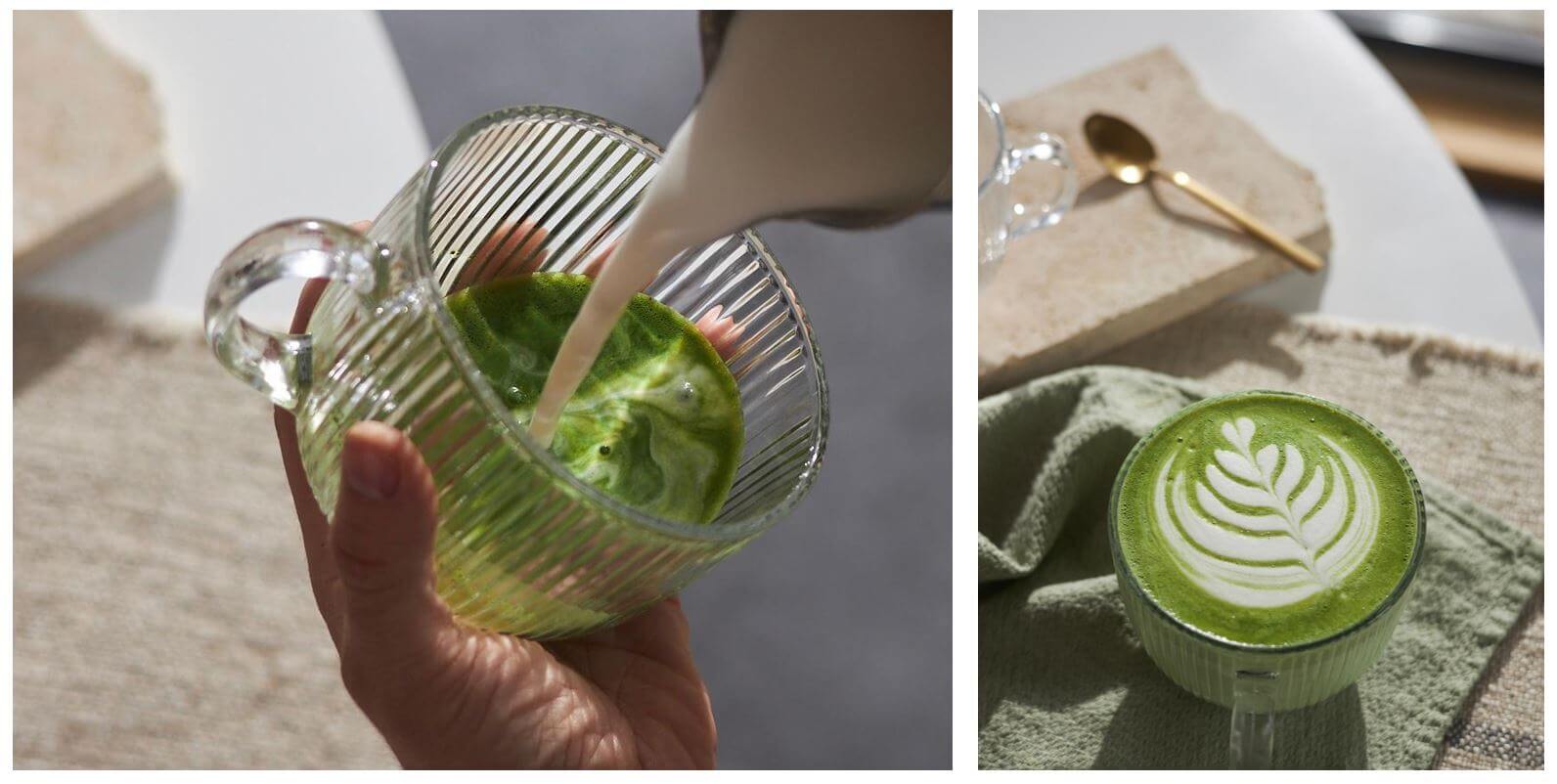
In the end, what counts is what lands in the cup. Good matcha and correct preparation together should give you a drink that is creamy, has a real matcha flavour and is pleasant to drink from the first sip.
It is that combination, product quality plus preparation, that gets matcha selling and keeps it coming back in repeat orders. In practice, that is what matters most.
FAQ: matcha for cafes
Which matcha works best in a cafe?
Balanced matcha works best: matcha with a noticeable flavour that does not tip into aggressive bitterness. It should have an intense green colour, combine well with milk and stay consistent from batch to batch.
Is it better to choose higher-grade or everyday matcha?
Both can work well. Higher-grade matcha gives a smoother, creamier result, while everyday matcha tends to be more assertive and more economical. What matters most is matching the product to the style of drink and what your customers expect.
How do you recognise good matcha?
Good matcha has an intense, vivid green colour, a fine texture and a balanced flavour. It should not be dominated by bitterness or taste flat: there should be a light sweetness and creaminess in the cup.
How do you prepare matcha without clumps?
First whisk the matcha into a small amount of water at around 70-80°C. Only add the milk once it is fully mixed in. That step is what prevents clumping.
What is the best tool for mixing matcha?
The best option is a chasen, a bamboo whisk that breaks the powder down thoroughly and aerates the drink for a smooth, creamy texture. An electric frother can be used as a convenient alternative, though it does not give as good a result as the traditional method.
