












The best-known coffee with lemon is espresso romano: espresso served with a lemon peel or a slice of lemon. You can rub the peel around the rim of the cup or rest it on the saucer. Juice is optional. In this version, the aroma of the oils in the peel matters most.
Here you will find a step-by-step recipe, cold versions and a comparison of variations. We also look at whether coffee with lemon helps with weight loss, whether it eases headaches, and why some coffees taste of lemon even though nobody added any.
What is espresso romano
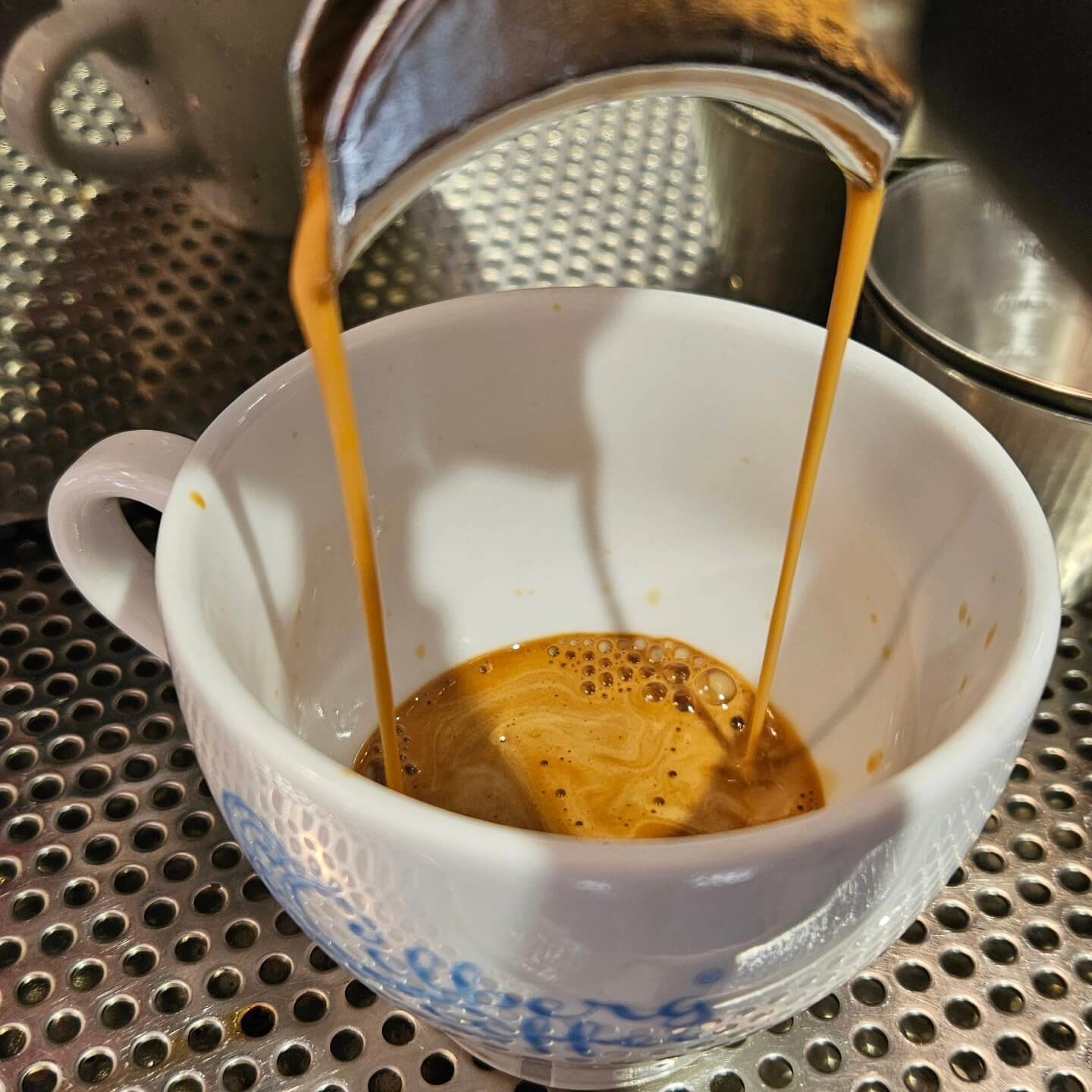
Espresso romano, also known as cafe romano or caffè romano, is espresso served with lemon, most often with a strip of peel or a slice. The peel can sit on the saucer, hang on the rim of the cup or be rubbed around its edge. With every sip you get a citrus scent that also changes how you perceive the taste of the coffee.
Despite the Italian name, the origin of espresso romano is unclear. Coffee with lemon can be found in Campania, among other places, and outside Italy too. One story says lemon was used in post-war Italy to mask the taste of poor coffee. Another says it replaced washing the cups. Neither is reliably confirmed.
In some regions of southern Italy people also drink a homemade “coffee with lemon”, which is espresso with a little juice. It is sometimes seen there as a home remedy for a headache or a heavy stomach. Research does not confirm that it works, though.
Coffee with lemon: step-by-step recipe
1. Prepare the lemon. Ideally unwaxed, with peel suitable for eating. Regular lemons may have wax and residues of protective agents on the skin. Wash the fruit thoroughly under running water, rubbing the peel. Scalding alone will not remove all residues.
2. Cut a strip of peel about 5 cm long with a vegetable peeler. Try to take only the yellow part. The white layer underneath is bitter.
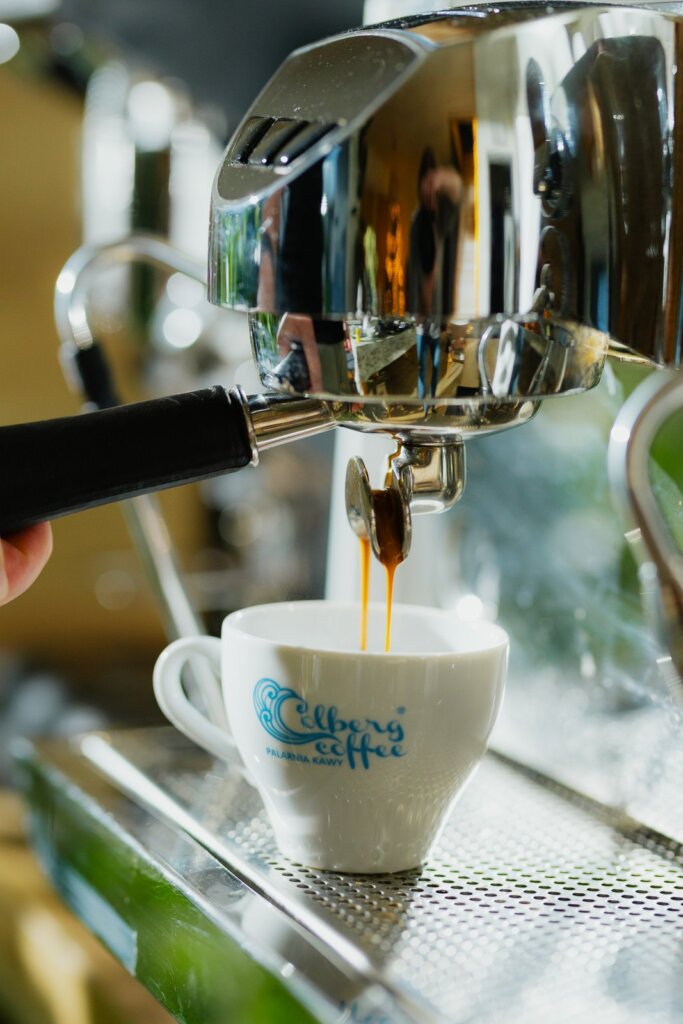
3. Brew the espresso. Start with 18 g of coffee and 36-40 g of beverage in about 25-30 seconds. That is a ratio of 1:2 to about 1:2.2. Adjust it to the beans and your own taste. Warm the cup beforehand.
4. Release the oils. Hold the peel over the cup and bend it with the outer side facing down. Fine droplets of oil will land on the surface of the coffee. Then rub the peel around the rim of the cup.
5. Serve the coffee with the peel on the saucer. Add sugar to taste. If you prefer a more acidic taste, start with 2-3 drops of juice. Taste it and only then decide whether to add more. It is worth checking first how much the aroma of the peel alone gives.
You don’t need an espresso machine. You can also flavour strong coffee from a moka pot or AeroPress, or black filter coffee, with the peel. It won’t be classic espresso romano any more, but you will get a similar effect.
What coffee with lemon tastes like, and why peel rather than juice
Peel and juice give two different effects. The peel contains essential oils, mainly limonene. They are responsible for the intense citrus scent. Juice is mostly water, and the citric acid in it increases the perceived acidity of the coffee.
In espresso romano with peel, the aroma comes first. The citrus scent can change how you perceive bitterness and adds freshness to the coffee. Juice works differently. In a very bitter espresso it can create a sharp contrast of acidity and bitterness that not everyone enjoys.
Be careful with juice in coffee with milk. Acid lowers the pH of the drink. With enough acidity, milk proteins, including casein, can curdle, especially in hot coffee. Lumps then appear in the cup. For a cappuccino or latte it is better to use only the peel and rub it around the rim of the cup.
Variations of coffee with lemon
| Variation | Ingredients | Served | Character |
|---|---|---|---|
| Espresso romano | espresso, lemon peel or slice | hot, in a cup | citrus aroma that changes how the taste comes across |
| Espresso with juice | espresso, a few drops of juice, sugar optional | hot | from lightly citrusy to clearly acidic |
| Mazagran (Portuguese version) | espresso or strong coffee, lemon juice, sugar, ice | cold | sweet and sour, refreshing |
| Espresso tonic with lemon | espresso, tonic, ice, lemon slice | cold | sparkling, slightly bitter, crisp |
| Coffee lemonade | espresso or cold brew, lemonade, ice | cold | sweet and sour, light |
Mazagran takes its name from the town of Mazagran in Algeria. According to a popular but unconfirmed story, French soldiers drank coffee diluted with cold water there in 1840. In Portugal, mazagran is iced coffee with lemon juice, sugar and ice.
Iced coffee with lemon
Mazagran. Put ice in a glass, pour in 20 ml of lemon juice and 10-15 ml of sugar syrup. Add a double espresso and stir. If you want a more refreshing drink, top it up with a little cold sparkling water.
Espresso tonic with lemon. Pour 100-120 ml of chilled tonic into a tall glass with ice and add a slice of lemon. Then slowly pour in the espresso a spoonful at a time so the tonic doesn’t foam over. You’ll find exact proportions in our espresso tonic recipe.
Coffee lemonade. Fill a glass with ice, pour in 120 ml of lemonade and add 80-100 ml of cold brew or a single espresso. Light roast coffees with a fruity profile go especially well with this drink.

Coffee with lemon for weight loss and headaches: what’s true
Weight loss. The idea of drinking coffee with lemon to lose weight keeps coming back on social media. There is no research showing that the combination burns fat. A teaspoon of juice has about 1 kcal. Caffeine can slightly and briefly increase energy expenditure, but black coffee without lemon has the same effect.
Headache. Caffeine is an ingredient in some painkillers. At a dose of about 100 mg or more, it can slightly increase the effectiveness of paracetamol and ibuprofen, among others. There is no evidence, however, that coffee with lemon relieves headaches or hangover symptoms. In people who drink coffee regularly, both too much caffeine and suddenly stopping it can cause a headache.
Vitamin C. 100 g of lemon juice contains about 39 mg of vitamin C. One teaspoon, about 5 g of juice, provides about 2 mg. That is just 2-3% of the daily reference intake. Vitamin C is also sensitive to high temperatures.
Stomach. Lemon juice has a pH of about 2-2.6, and black coffee usually about 5. Adding juice lowers the pH of the drink. If you are prone to heartburn, acidic additions to coffee can make symptoms worse. Watch how your stomach reacts. Read more in our article on coffee on an empty stomach.
Which coffee for coffee with lemon
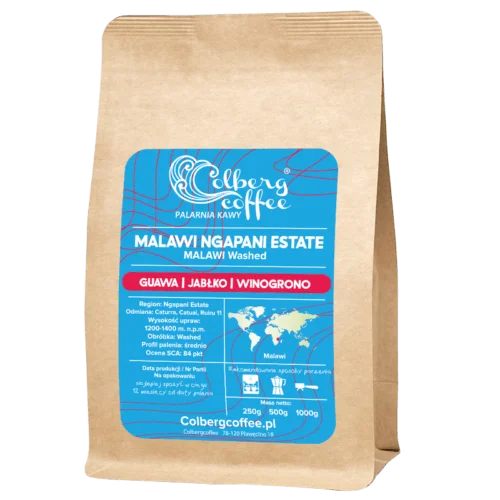
For espresso romano, choose a coffee that pairs well with citrus aroma. A fruity espresso is a good choice, for example Malawi Ngapani Estate with its bergamot finish. Classic chocolatey blends also work, and lemon peel will add freshness to them.
A very dark, bitter roast creates a strong contrast with lemon. Not everyone will like it. The peel doesn’t remove bitterness, but it can change how we perceive it.
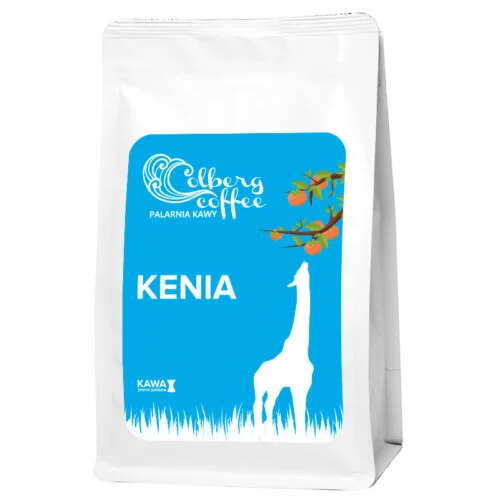
For cold drinks, especially coffee lemonade and cold brew, choose light roast African coffees. Ethiopia Yirgacheffe Mamo Kacha has notes of lemon, and Kenya Ngurueri AA notes of lemon zest and blackcurrant.
Coffee that tastes of lemon without lemon
Citric acid occurs naturally in coffee beans and affects the acidity of the brew. In light roasts, especially washed coffees from Kenya and Ethiopia, you can taste notes of lemon, lime or grapefruit. No single acid is responsible for them. The flavour comes from a combination of many acids and aromatic compounds.
These are natural flavour associations, not added flavouring. During roasting, the composition of acids and aromatic compounds changes. The darker the roast, the less citric and malic acid, among others, usually remains. That is why darker roasted beans often lose their citrus freshness. Read more in our article on acidity in coffee.
If you like the freshness of espresso romano, try a light roast Ethiopia brewed in a dripper. You may be surprised how strongly black coffee with no additions at all can remind you of citrus.

What is espresso romano?
It is espresso served with lemon, most often with a peel or a slice. The peel gives the coffee a citrus aroma that also changes how its taste comes across.
Does coffee with lemon help you lose weight?
There is no research confirming this. A teaspoon of lemon juice has about 1 kcal and doesn’t burn fat. Caffeine can slightly increase energy expenditure, but black coffee without lemon works the same way.
Does coffee with lemon help with headaches?
There is no evidence that lemon in coffee relieves pain. Caffeine can enhance the effect of some painkillers, but not for everyone. Too much caffeine or suddenly stopping it can also cause a headache.
Can you add lemon to coffee with milk?
Lemon juice can curdle milk, especially in hot coffee and with a larger amount of juice. If you only want the citrus aroma, rub the rim of the cup with lemon peel.
How many calories are in coffee with lemon?
Espresso alone usually has 1-3 kcal, and a teaspoon of lemon juice about 1 kcal. Adding sugar raises the calories. A level teaspoon, about 4 g, provides about 16 kcal.
Which coffee goes best with lemon?
For espresso romano, choose a coffee with a fruity or balanced profile. For cold drinks, light roast coffees from Ethiopia and Kenya with natural citrus notes work well.
Is coffee with lemon bad for your stomach?
Lemon juice lowers the pH of coffee and can make heartburn worse in people prone to it, especially on an empty stomach. Peel used only for aroma usually doesn’t significantly change the acidity of the drink.
Where does espresso romano come from?
The origin of espresso romano has not been clearly established. Coffee with lemon is known in southern Italy, among other places, but you can also find it outside Italy. Popular stories about its post-war roots have no reliable historical confirmation.
Przeczytaj też
Coffee with lemon (espresso romano): recipe and facts
Coffee with lemon step by step: espresso romano with lemon peel, iced versions, mazagran and
Nov

Bulletproof coffee: recipe, calories and what research says
Bulletproof coffee: a recipe with exact amounts, calories, butter vs ghee, MCT oil and how
Nov

Frappe: how to make Greek iced coffee
Greek frappe step by step: ratios, sketos, metrios and glykos, shaking technique and mistakes that
Nov

How to make filter coffee: ratio, grind size and temperature
How to make filter coffee: how much coffee per litre of water, how to grind,
Oct

Coffee on an empty stomach: is it bad for you? What the research says
Is coffee on an empty stomach bad for you? What research says about stomach acid,
Oct

Affogato: what it is and how to make one
An affogato is an Italian dessert: a scoop of vanilla ice cream drowned in hot
Oct

Victoria Arduino distributor in Poland: Colbergcoffee
Colbergcoffee is a Victoria Arduino espresso machine distributor in Poland. We sell, install and service
Oct

Turkish coffee: recipe, ratio and grind
How to make real Turkish coffee in a cezve: ratio, grind, sweetness levels and how
Oct
