

In summer, more and more people are after drinks that don’t just wake you up but genuinely cool you down. One of the biggest hits of the past few seasons is espresso tonic: intense espresso combined with sparkling tonic water and plenty of ice. It’s a good pick if you like discovering new flavours and want something beyond classic iced coffee. If you haven’t tried it yet, here’s what makes espresso tonic stand out, and why it keeps turning up on more summer café menus.
What is espresso tonic?
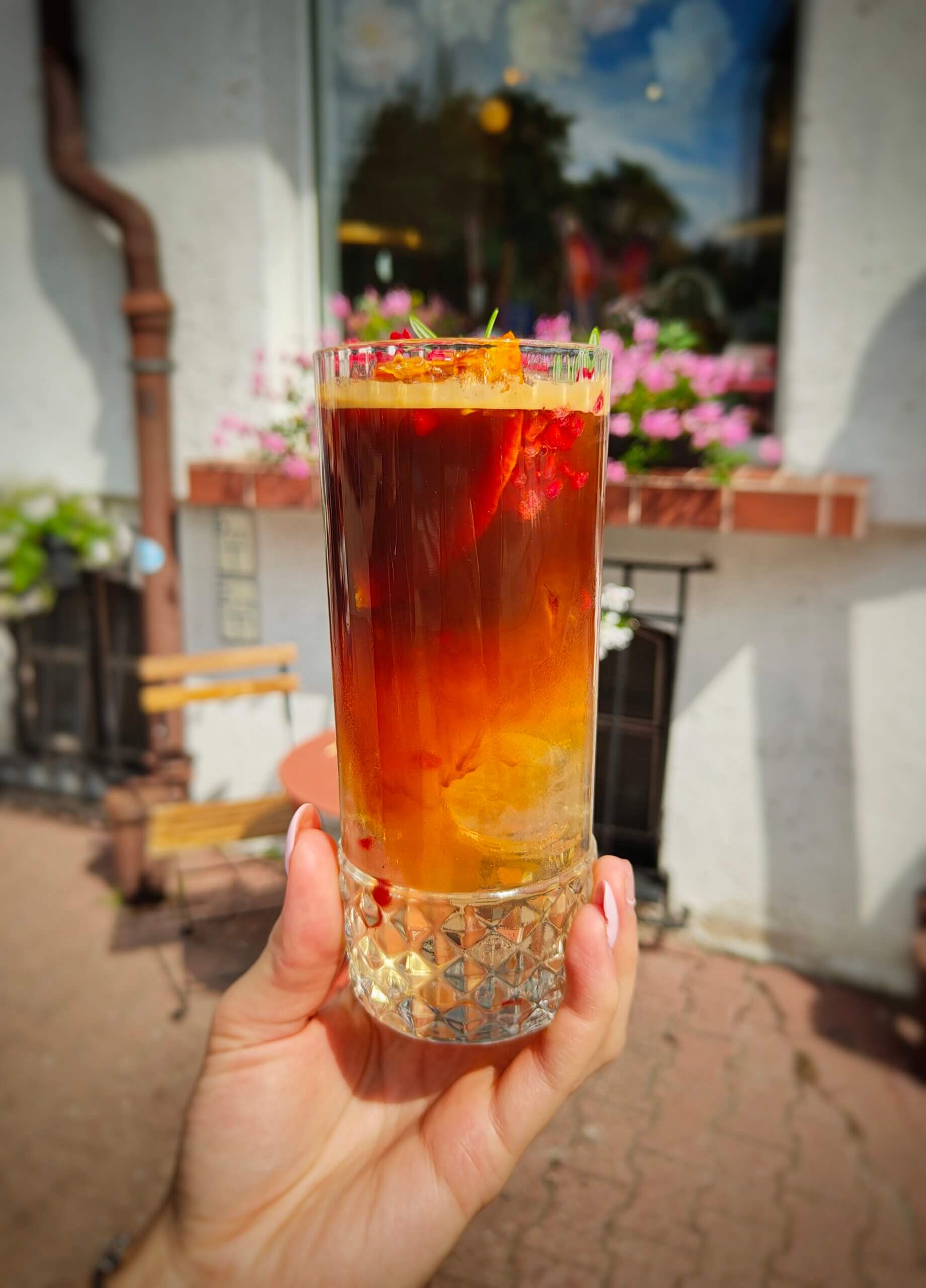
Espresso tonic is a modern coffee drink that combines freshly pulled espresso with well-chilled tonic water and a generous amount of ice. At first glance the combination might sound unusual, but the two genuinely work well together. The tonic’s gentle bitterness brings out the coffee’s aroma, drawing out its fruity, chocolatey or caramel notes, depending on the beans you use.
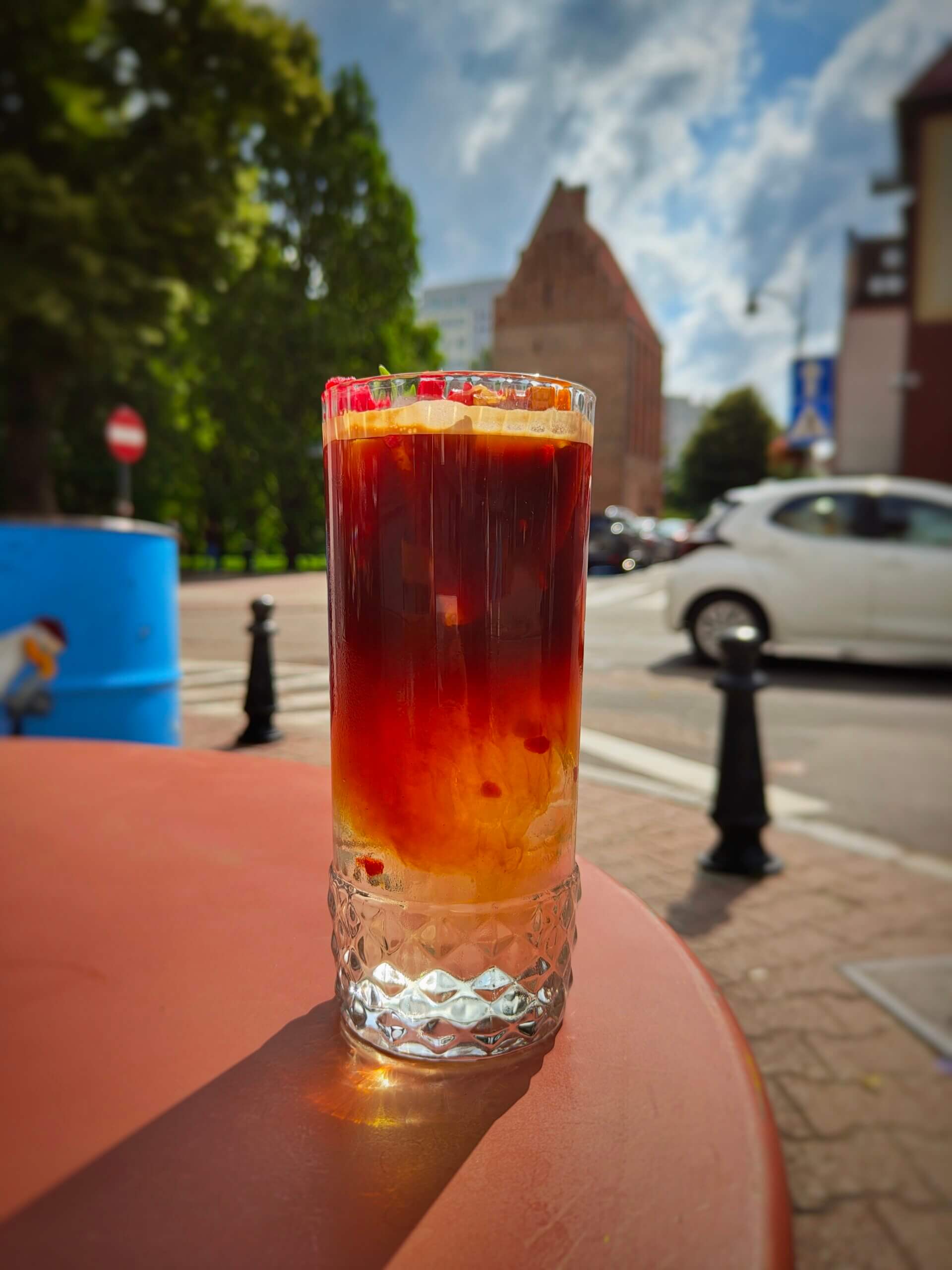
The drink also looks striking. Espresso poured slowly forms distinct layers, which is part of why espresso tonic looks so good and shows up so often on social media, making it one of the most recognisable summer coffee drinks around.
Why try espresso tonic?
Espresso tonic makes a great alternative to classic iced coffee. It’s light, refreshing and less sweet than a frappe or an iced latte loaded with syrup. That makes it a good fit for hot days, when you want a lift without reaching for something heavier.
One of the best things about espresso tonic is how easy it is to play with. It works well with a slice of orange, lime or lemon, a sprig of rosemary or fresh mint. More and more cafés are putting together their own versions, adding syrups or seasonal fruit. It’s a simple way to create something distinctive for a summer menu and draw in customers looking for new flavours.

How to make the perfect espresso tonic, step by step
If you’re making espresso tonic for the first time, follow the steps below.
Step 1: Get your ingredients ready
You’ll need:
-
1 shot of freshly pulled espresso (about 30-40 ml)
-
150-200 ml of well-chilled tonic water
-
A few ice cubes
-
A tall glass
Step 2: Fill the glass with ice
Fill the glass with ice cubes until they take up about two-thirds of it. This keeps the drink cold and refreshing for longer.
Step 3: Pour in the chilled tonic water
Slowly pour 150-200 ml of cold tonic water into the glass. Tonic straight from the fridge works best: it holds onto more bubbles and tastes better.
Step 4: Pull the espresso
Pull a fresh shot of espresso from good-quality coffee. Add it to the drink as soon as it’s ready, while it still holds its full aroma.
Step 5: Pour the espresso in gently
Pour the espresso slowly, either over the back of a spoon or down the inside of the glass. This lets the coffee settle into a distinct layer on top of the tonic, giving the drink a striking look.
Step 6: Serve immediately
Espresso tonic tastes best right after it’s made. You can stir it gently before the first sip, or leave the layers as they are and let them mix as you drink.
A tip
The coffee and the tonic you use both have a big effect on the final flavour. Coffees with fruity, citrus notes play up the drink’s refreshing side, while beans with chocolate, nut or caramel notes give it a bolder character. It’s worth trying a few different tonics too, to find your favourite combination.
Also worth reading: What is espresso, and how do you actually brew it?
Espresso tonic at Colbergcoffee
If you want to try a well-made espresso tonic, you’ll find it at Colbergcoffee too. We make ours with fresh espresso, and you can choose from a few different tonics. Alongside the classic, we do versions with elderflower, cucumber, mint, rosemary or grapefruit. Each one shifts the character of the drink slightly, so it’s worth trying a few to see what suits you. If you’re at the café, ask your barista for their favourite combination; it’s often the one that surprises people most.
FAQ
How do you make espresso tonic?
Fill a tall glass with ice, pour in 150-200 ml of well-chilled tonic water, then slowly add a freshly pulled espresso. Serve it right away.
What tonic water works best for espresso tonic?
A good-quality tonic with balanced bitterness works best. Flavoured tonics are worth trying too, since they give the drink a completely different character.
What coffee should you use for espresso tonic?
Freshly pulled espresso from good-quality beans gives the best result. Coffees with fruity, citrus notes work especially well.
Why does the espresso go in last?
Adding the espresso last is what creates the drink’s distinct layered look and keeps more bubbles in the tonic.
