
Espresso is the heart of coffee culture: a concentrated, intense drink that packs maximum aroma and flavour into a small cup. You can order one in any café today, yet few cups meet every criterion of a true espresso.
To earn the name, the coffee has to be made to specific parameters: the right amount of ground coffee, the right pressure, water temperature and brew time. These details decide whether you get a masterpiece or just an average short black.
A short history of espresso
The history of espresso begins in Italy at the start of the 20th century. In 1901 Luigi Bezzera patented a device that could make coffee under pressure in far less time than traditional methods.
The real breakthrough came in the 1940s, when Achille Gaggia introduced lever machines. They gave espresso its characteristic crema: a layer of emulsified coffee oils and gases that became the symbol of a well-made espresso.
Since then espresso has become the base for dozens of coffee drinks, from cappuccino and flat white to espresso tonic.
The parameters of a true espresso
Not every short black from a machine is a true espresso. In the classic definition the drink is made on an espresso machine by forcing hot water at about 9 bar through a finely ground dose of coffee. The numbers matter here. A single espresso usually takes 7-10 g of coffee and the drink has a volume of about 25 ml (often 30 ml in the specialty world). Brew time falls between 25 and 30 seconds and the water should be at about 90-96°C. These parameters give the characteristic thick crema and the balance of flavour that make espresso the queen of brewing methods.
The standard of the Italian Espresso Institute (Istituto Espresso Italiano):
-
Dose: 7-10 g of coffee (single) or 14-20 g (double)
-
Yield: about 25 ml (+/- 2.5 ml)
-
Brew time: 25 s (+/- 2 s)
-
Pressure: about 9 bar
-
Water temperature: 90-96°C
In the specialty world the rules are more flexible. A 1:2 ratio is common (e.g. 18 g of coffee → 36 g of espresso), and the brew time is adjusted to the particular coffee.
How many ml should an espresso be?
The classic Italian standard says a single espresso should be about 25 ml (+/- 2.5 ml). In specialty cafés you will often see a slightly bigger yield, 28-30 ml, and sometimes even 35-40 ml if the barista is aiming for a 1:2 brew ratio (e.g. 18 g of coffee → 36 g of espresso). What matters is that the volume goes hand in hand with the brew time and the taste. An espresso that runs too long or too short can be unpleasantly bitter or sour.
-
Classic Italian: about 25 ml
-
Specialty: 30-40 ml (1:2)
-
Ristretto: 15-20 ml, very concentrated
-
Lungo: 40-60 ml, lighter, less intense
Roast level versus shot time, grind and yield
How your espresso tastes depends to a huge extent on the roast level of the beans. Light, medium or dark: each needs a different grinder setting and a different brew time, and each gives a completely different result in the cup. A lighter-roasted bean is harder and gives up its aromas less easily, so it needs a finer grind and longer contact with water. A dark roast gives up its flavour faster, so you shorten the extraction and grind a little coarser. Getting these parameters right is the key to an espresso balanced between acidity, sweetness and bitterness.
| Roast level | Grind | Shot time | Yield | Taste |
|---|---|---|---|---|
| Light | finer (harder bean) | 27-32 s | 1:2-1:2.5 (18 g → 36-45 g) | acidity, fruit, high complexity |
| Medium | medium-fine | 25-30 s | 1:2 (18 g → 36 g) | balance of sweetness, acidity and bitterness |
| Dark | slightly coarser (brittle bean) | 20-25 s | 1:1.5-1:2 (18 g → 27-36 g) | low acidity, chocolate, nuts, bitterness |
Why?
Light roasts extract more slowly, so they need a finer grind and more time.
Dark roasts give up their aromas faster, so you shorten the time and grind coarser.
Technical parameters: TDS and extraction
Behind every good espresso there is not only a good machine and fresh coffee but also numbers. A barista who wants full control over flavour uses a refractometer to measure TDS (Total Dissolved Solids), the concentration of dissolved substances in the drink. The second key figure is extraction percentage, which tells you how much of the aroma and flavour compounds available in the coffee ended up in the cup. In practice, espresso TDS usually sits between 8 and 12% and extraction between 18 and 22%. With these measurements you can correct grind, dose and brew time precisely instead of working by eye.
Professionals use a refractometer:
-
TDS (Total Dissolved Solids): 8-12%
-
Extraction: 18-22%
Example: TDS 10% and a 36 g yield = 3.6 g of dissolved solids in the cup.
Types of espresso
The word “espresso” brings to mind a small cup of strong coffee, but in practice there are many variations. They differ in the amount of coffee used, the volume in the cup, the taste and the way they are served. Knowing them helps you choose a drink to suit your taste, from an intense, dense ristretto through a classic espresso to a milder lungo.
| Type of espresso | Coffee dose | Volume | Extraction time | Flavour character |
|---|---|---|---|---|
| Ristretto | 7-10 g | 15-20 ml | 15-20 s | Very intense, concentrated, dense |
| Espresso | 7-10 g | 25-30 ml | 25-30 s | Balanced, full-flavoured |
| Doppio | 14-20 g | 50-60 ml | 25-30 s | Stronger, a double espresso |
| Lungo | 7-10 g | 50-70 ml | 35-40 s | Milder, less dense |
| Espresso macchiato | 7-10 g + a little frothed milk | 25-30 ml | 25-30 s | Espresso with a gentle touch of milk |
| Espresso con panna | 7-10 g + whipped cream | 25-30 ml | 25-30 s | Espresso with creamy sweetness |
| Americano | 7-10 g + hot water | about 150 ml | 25-30 s | Gentler, closer to black coffee |
Espresso equipment
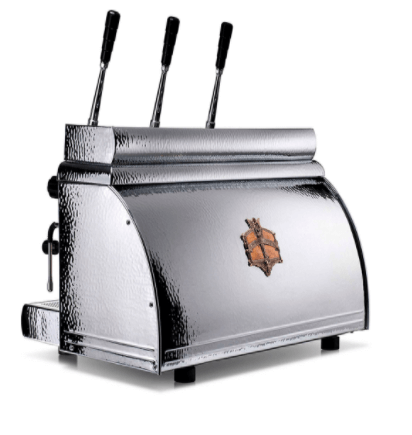
To make a real espresso you need more than good beans. The right equipment is essential: it provides stable pressure, precise temperature and even extraction. An Italian barista will tell you there is no getting anywhere without a solid espresso machine, but you can get great results at home too if you choose the right tools.
-
Espresso machine: control over the process, high quality, but takes practice
-
Bean-to-cup machine: convenience, less control over flavour
-
Lever machine: traditional, manual control of pressure
-
Moka pot: does not make true espresso, but gives a strong brew
-
AeroPress / Flair / Handpresso: espresso alternatives for home or travel
Problems and how to fix them
| Problem | Cause | Fix |
|---|---|---|
| Sour espresso | Brew time too short, grind too coarse | Grind finer, extend the time |
| Bitter coffee | Over-extraction, grind too fine | Grind coarser, shorten the time |
| No crema | Coffee too old, wrong grind size | Fresher coffee, adjust the grind |
| Watery espresso | Dose too small or grind too coarse | Increase the dose, grind finer |
 Step-by-step recipe: how to make espresso at home
-
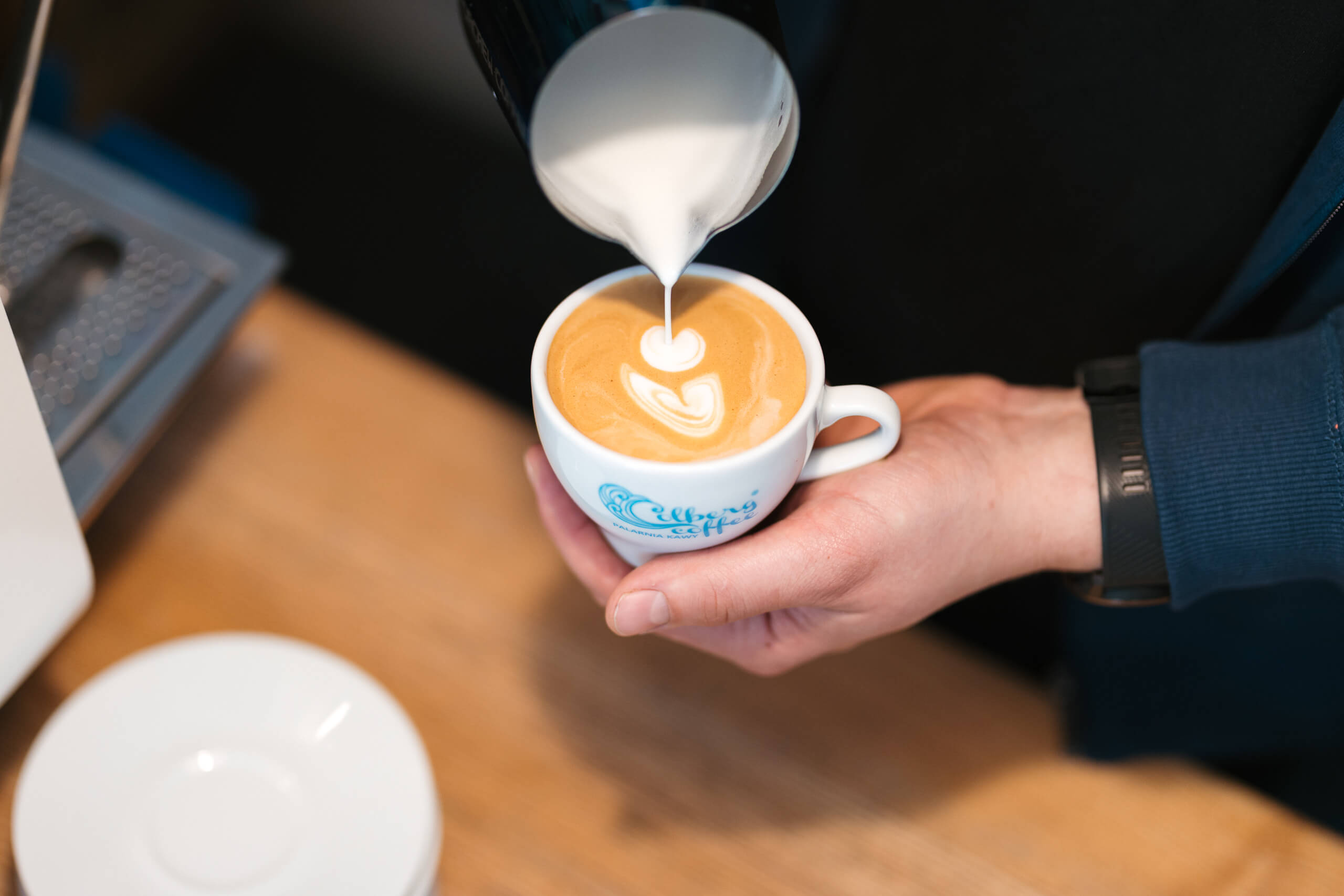
Weigh the coffee: e.g. 18 g for a double espresso.
-
Grind fine: adjust the grind size to the roast.
-
Warm up the machine: at least 15 minutes, so everything is at the same temperature.
-
Tamp: evenly, with the right amount of force.
-
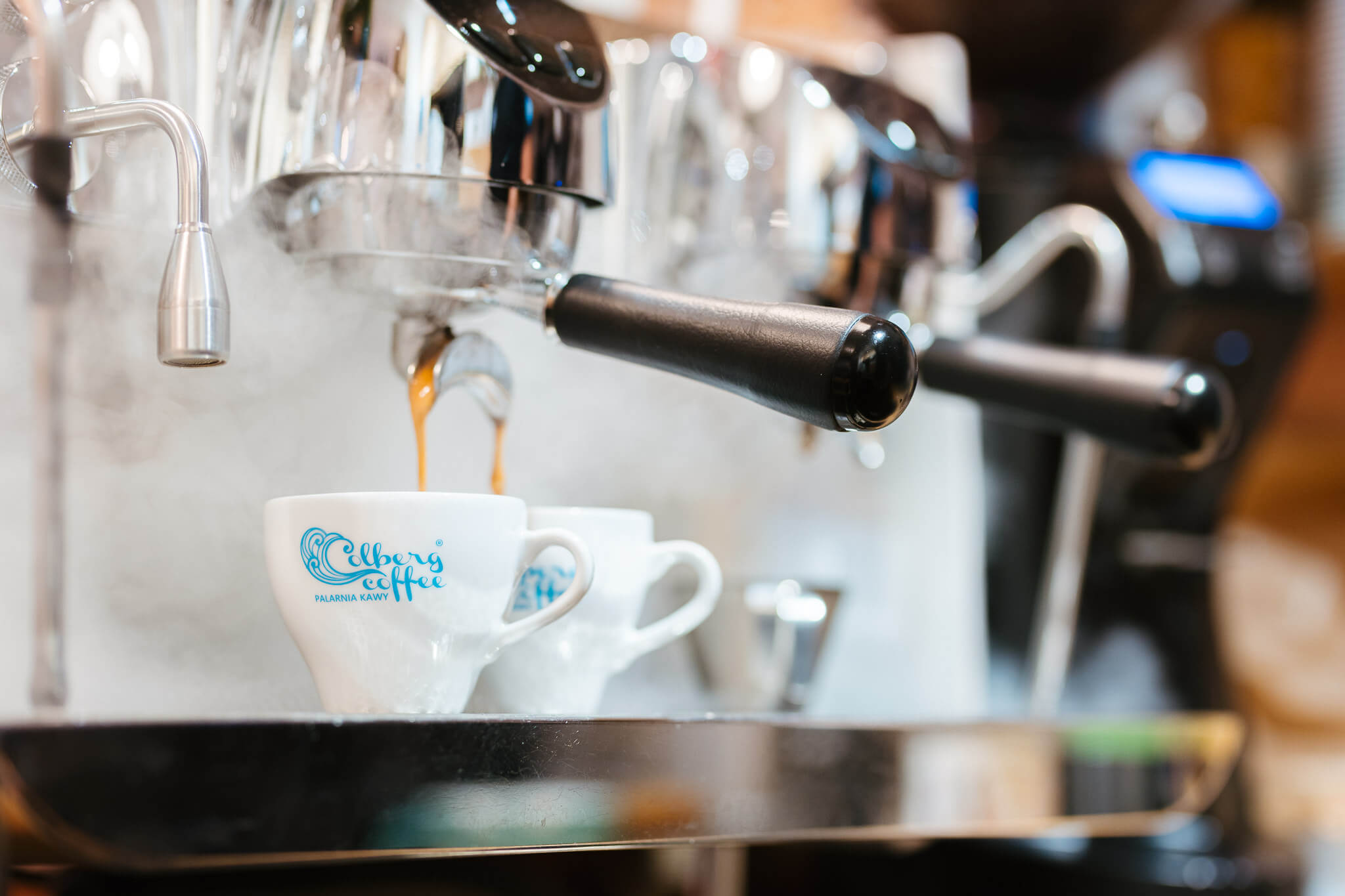
Brew: 9 bar, about 25-30 s (depending on the roast).
-
Taste it: if it is sour or bitter, adjust the grind or the time.
Water: the quiet hero of espresso
You can have the best beans, a perfectly dialled-in grinder and a top-end machine, and something will still feel off if you ignore the water. It makes up more than 90% of an espresso, so its chemistry directly affects the flavour and aroma in the cup. Water that is too hard can add bitterness and leave scale in the machine, while water that is too soft makes the coffee flat and characterless. The ideal espresso water has balanced mineral content, low chlorine and a pH of around 7. Professional cafés use filters and treatment systems that give a consistent water profile. That is one of the secrets of why their espresso tastes so good.
-
Water TDS: about 150 mg/l (acceptable range 75-250 mg/l)
-
Total hardness: 50-175 mg/l
-
pH: about 7
Freshness of espresso coffee
Good espresso starts with freshly roasted beans. Right after roasting, coffee has to rest, about 7-14 days for espresso roasts (3-7 days for filter roasts), so that the carbon dioxide can escape and the flavours settle. Coffee that is too fresh can extract unevenly and taste overly acidic, while coffee that is too old will be flat, lacking aroma and noticeably bitter. Freshness is crucial in espresso because the concentrated flavour forgives no compromises. That is why it is best to buy coffee with the roast date on the bag and choose roasteries that work in small batches and keep a steady supply of fresh beans.
-
Ideal: from 7-14 days after roasting, best within about 4-6 weeks of the roast date
-
Too fresh → excess CO₂, uneven extraction
-
Too old → flat taste, no crema
How to recognise a good espresso
-
Crema: thick, hazelnut-coloured, without large bubbles
-
Aroma: intense, opens up before you take a sip
-
Taste: a balance of acidity, sweetness and bitterness
-
Body: from velvety to syrupy
Frequently asked questions about espresso
How many grams of coffee for one espresso?
A single espresso usually takes 7 to 10 g and a double 14 to 20 g. A popular starting point in specialty cafés is 18 g in the basket and 36 g of espresso in the cup, a 1:2 ratio. That is a recipe choice, not a rule. From the same 18 g you can pull 30 g or 45 g and both can be good. Stay within the range your basket is designed for. If you put 20 g into a 14 g basket, the puck will touch the shower screen and the flow will become uneven.
How many ml should an espresso be?
The figure usually quoted is 25 ml with a tolerance of 2.5 ml, but it comes from the Certified Italian Espresso certification and includes the crema. It is one specific standard, not a universal definition. In specialty cafés espresso is measured by weight instead. Crema settles, so the volume in millilitres changes as you drink. From 18 g of coffee at a 1:2 ratio you get 36 g of espresso. In the cup that is roughly 30 to 40 ml.
How long should an espresso take to brew?
A safe reference point is about 25 to 30 seconds from starting the pump. Treat the time as a guide, not a target, though. What counts is the dose, the yield and the taste. Light roasts often need a longer flow and dark roasts can be ready sooner, but this is not a rule. If, with the same dose and yield, the shot runs in 15 seconds, grind finer. If after 45 seconds it is still only dripping, grind coarser.
What grind size for espresso?
Fine, clearly finer than table salt. It should feel more like fine sand than flour. Flour or icing sugar means the grind is already too fine. Changing the grind is the easiest way to control the flow, but the dose, basket, pressure, freshness of the coffee and an even tamp also matter. Light roasts are usually ground finer, although there are exceptions. Move the grinder one step and brew again.
Why is my espresso bitter or sour?
A sour, watery espresso usually means under-extraction. The cause may be a grind that is too coarse, a flow that is too fast or water that is too cool. A bitter, astringent shot most often points to over-extraction: a grind that is too fine, a flow that is too slow or water that is too hot. Sometimes both problems appear at once. The cause then is uneven extraction and channelling in the puck. Improve your distribution and tamping instead of changing the grinder setting. The roast matters too. A very dark roast can be bitter in itself, and coffee that has been open for months tends to taste flat and papery rather than bitter.
Can you make espresso without an espresso machine?
Classic espresso is brewed at around 9 bar, although it can also be made at lower or variable pressure. The machine does not need a pump. In manual lever machines the pressure comes from the force of your arm, and they also use a portafilter. A moka pot works at about 1 to 2 bar and an AeroPress at even lower pressure. Both make a strong, tasty brew, but not espresso. They work perfectly well for milk drinks.
Is espresso always bitter?
No. A well-made espresso balances three components: sweetness, acidity and a light bitterness.
Which beans are best for espresso?
Most often 100% Arabica, or blends with Robusta (e.g. 80/20) for thicker crema and more caffeine. See Colbergcoffee espresso coffees.
What types of espresso are there?
Ristretto, doppio, lungo, macchiato, con panna and americano. They differ in volume, brew time and additions.
