Espresso is often seen as the “strongest” coffee: intense in flavour and in effect. A lot of people assume it’s also the one with the most caffeine. The reality is more nuanced. Looked at through a specialty coffee lens, espresso turns out not to be the most caffeinated option at all. The key is ratio, volume and brewing method.
Does espresso have more caffeine than other coffees?
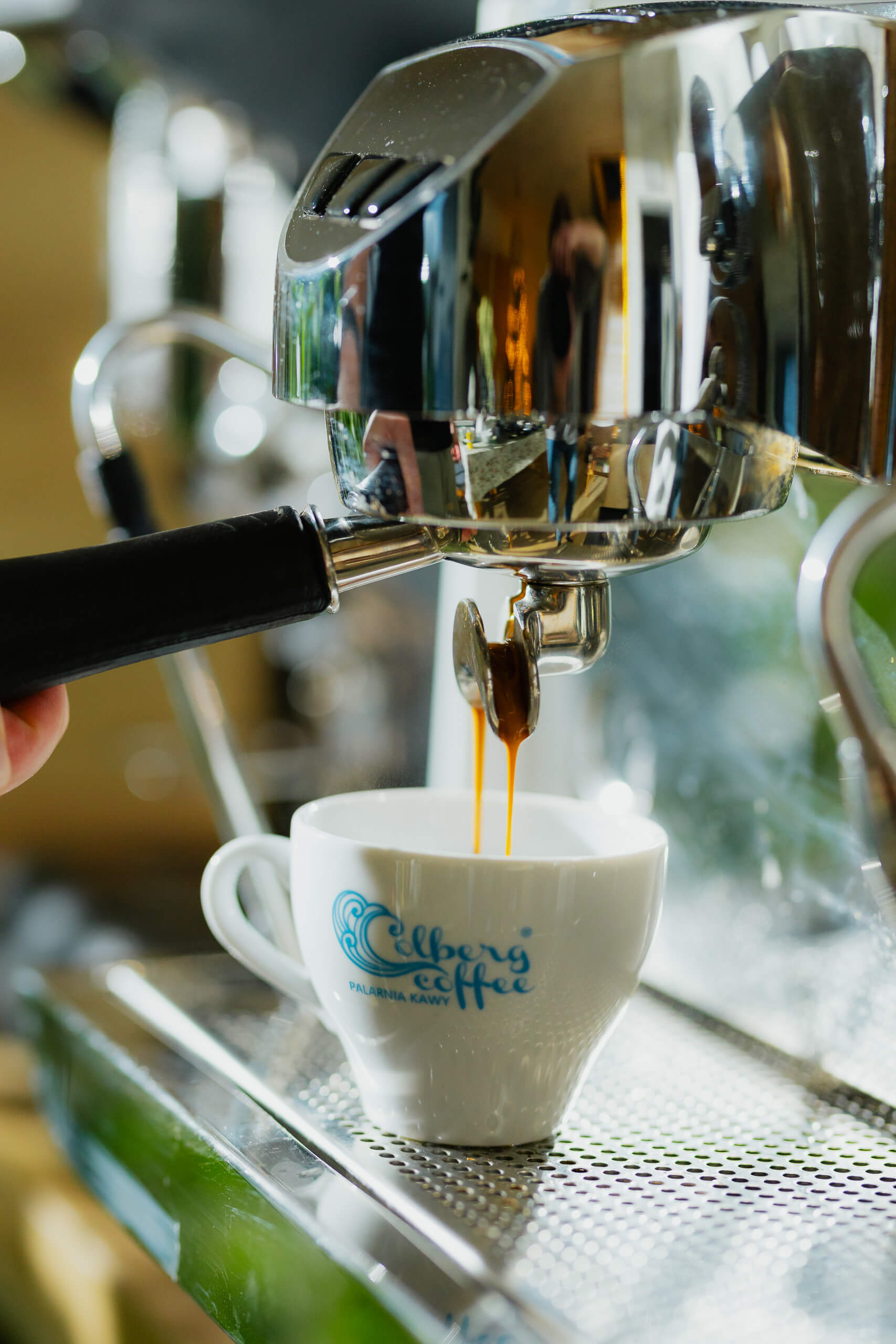
At first glance, yes. Espresso is a concentrated shot, usually around 25-30 ml, containing on average 60-80 mg of caffeine. The catch is that you drink it in a small volume.
By comparison, a classic filter coffee (drip or V60, say) has a much larger volume, often 200-300 ml. A single cup like that can contain as much as 120-200 mg of caffeine.
What that means is simple: espresso has more caffeine per millilitre, but less in the whole serving.
Espresso versus filter coffee: which has more caffeine?
In the specialty coffee world, this is fairly well established. Filter coffee, despite its gentler flavour, often delivers more caffeine than espresso.
That comes down to two things. First, filter methods use more water, which draws out caffeine over a longer period. Second, extraction time in filter methods is longer than in espresso, which usually takes just 25-30 seconds.
So if you’re after a bigger caffeine hit, a drip brewer, Chemex or filter machine is a better bet than a quick espresso.
Why does espresso feel stronger?
The sense that espresso “hits harder” mostly comes down to perception. The intensity of flavour, the density of the shot and the way it’s served all make it feel more powerful.
In reality, it’s just concentration. You get a dose of caffeine in a short space of time, which can give a quick lift. A larger filter coffee, by contrast, often works more gently, but for longer.
In specialty coffee circles, it’s well recognised that how strong a coffee feels doesn’t always match how much caffeine it actually contains.
What affects how much caffeine ends up in your coffee?
It’s not just the brewing method that matters. The coffee itself plays a part too.
Arabica, which dominates the specialty world, contains less caffeine than Robusta. The difference can be as much as double. That means a high-quality specialty coffee, even as an espresso, can end up with less caffeine than a commercial blend cut with Robusta.
Espresso and caffeine: how to choose
If you’re after a quick lift and an intense flavour, espresso is a great choice. If you’re after a bigger caffeine dose over the day, though, filter coffee is the better option.
Drinking coffee mindfully is about more than flavour. It’s also about understanding how caffeine works and how different brewing methods affect how much of it you get.
In specialty coffee, the point isn’t which coffee is “stronger”, it’s which one actually suits what you need: a quick espresso to start the day, or a slower drip to keep you company for longer.
FAQ
Does espresso have a lot of caffeine?
Espresso packs a lot of caffeine into a small volume, which is why it feels so strong. Per full serving, though, it often has less caffeine than a large filter coffee.
How much caffeine is in one espresso?
A standard espresso of around 25-30 ml usually has 60-80 mg of caffeine. The exact amount depends on the beans, the recipe and the extraction.
Does espresso have more caffeine than filter coffee?
Per millilitre, yes, but not always per cup. Filter coffee has a larger volume, so it often delivers more caffeine overall.
