Instant coffee has been shorthand for convenience for decades. Quick, simple, always within reach. In plenty of homes it is still the default, the thing that just works. Drink one good cup of freshly brewed coffee, though, and you notice straight away that these are two different worlds.
It is not only a matter of taste. The gap runs through the quality of the green coffee, the way the drink is made, and the whole idea of what coffee is as a product.
What instant coffee actually is
Put simply, instant coffee is brewed coffee that has been dried out. The manufacturer brews on an industrial scale, concentrates the liquid heavily, then removes the water, usually by spray drying or freeze drying.
What is left is a powder or granules that you rehydrate with hot water.
The problem is that coffee is fragile. Its flavour rests on hundreds of volatile aromatic compounds, and they break down easily. A large share of them simply disappears during production, and nothing brings them back.
Why instant coffee tastes different
If good coffee is comparable to wine, instant is the version made from concentrate. Technically it is still coffee. The experience is not the same at all.
What usually turns up in the cup:
- flat, one-dimensional flavour
- obvious bitterness, sometimes aggressive
- no natural sweetness and no balance
None of that is an accident. Production strips out the oils and aromatics that give coffee its depth. What remains delivers caffeine and the idea of coffee, but no character.
That is why so many people reach for extra sugar or milk with instant: to cover up what is missing.
It starts with the beans
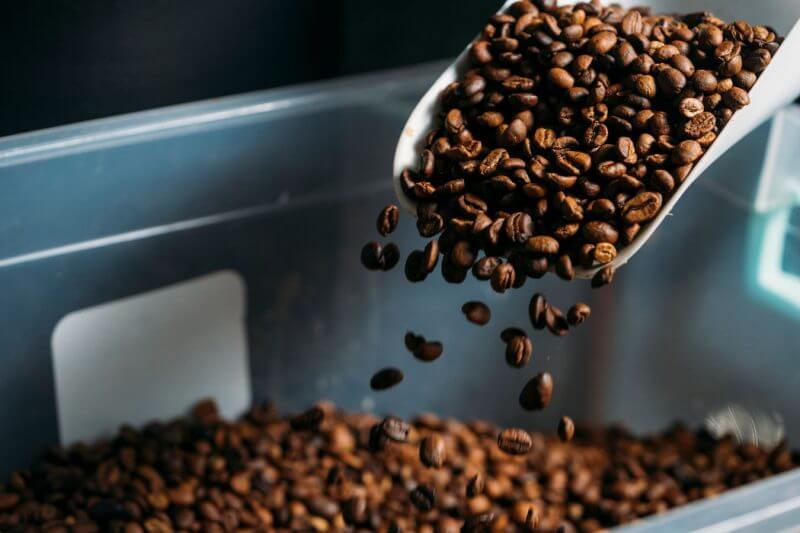
Specialty coffee treats the beans as the whole point. Origin, growing conditions, processing and roast profile all feed into the flavour.
Instant works the other way round. Lower grade beans are the norm, because the finished product would never show their full potential anyway. That is a purely economic decision.
So the distance between instant and freshly roasted whole bean coffee opens up at the raw material stage and is still there in the cup.
Is instant coffee really that bad?
There is no need to demonise it. It is not a banned substance and it is not dangerous. For a lot of people it is simply a fast source of caffeine.
Judged on quality, though, it is a product that is:
- heavily processed
- simplified in flavour
- stripped of a large part of its natural aromatics
In practice, you are drinking something that has little in common with how coffee can actually taste.
What to drink instead of instant coffee
The good news is that moving up to better coffee is not difficult at all.
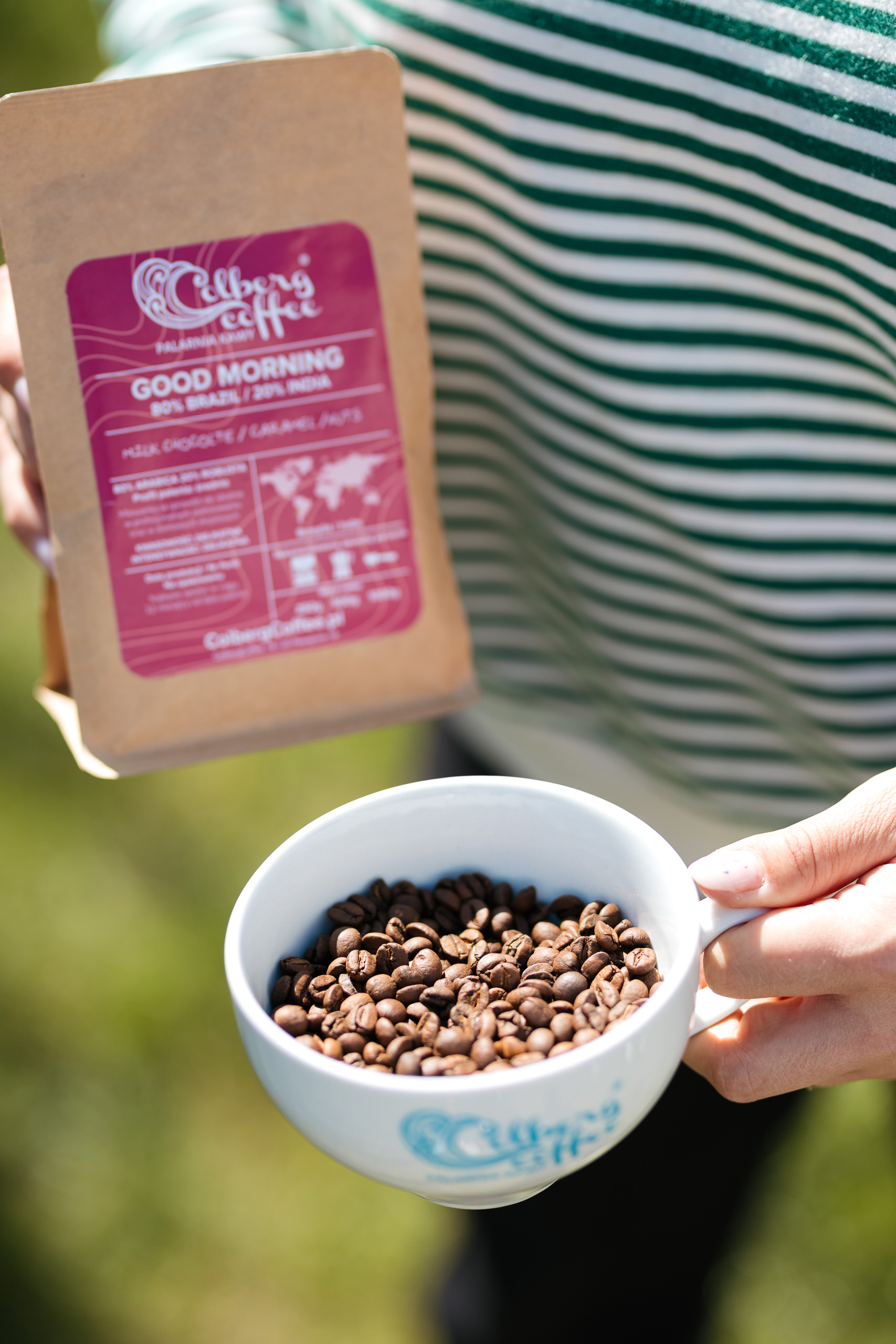
You do not need a professional espresso machine or a serious investment. Freshly roasted coffee and a simple brewing method are enough. Even a classic moka pot or a French press will give you a drink that is a level above.
The first cup makes the point: more aroma, more natural sweetness, better balance. Coffee stops being a wake-up drink and starts being something you enjoy.
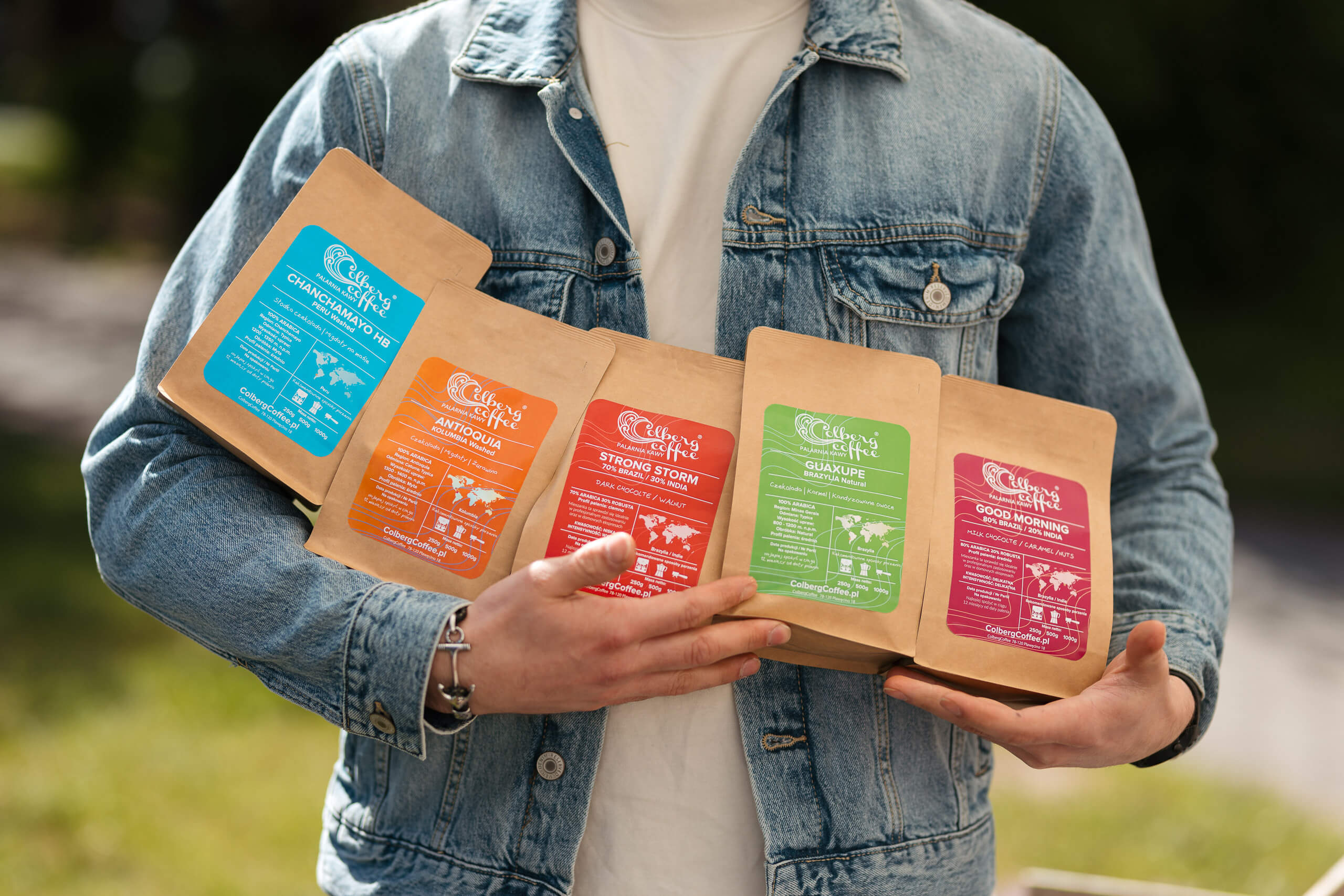
Why specialty cafés never use instant coffee
In coffee, the details carry the weight: grind size, extraction time, water temperature. They are what pulls specific tasting notes out of the beans.
Instant is a finished product. You control none of those things. The process is closed.
That is why places like Colbergcoffee work only with freshly ground coffee. It is the only way to build flavour and quality in the cup on purpose.
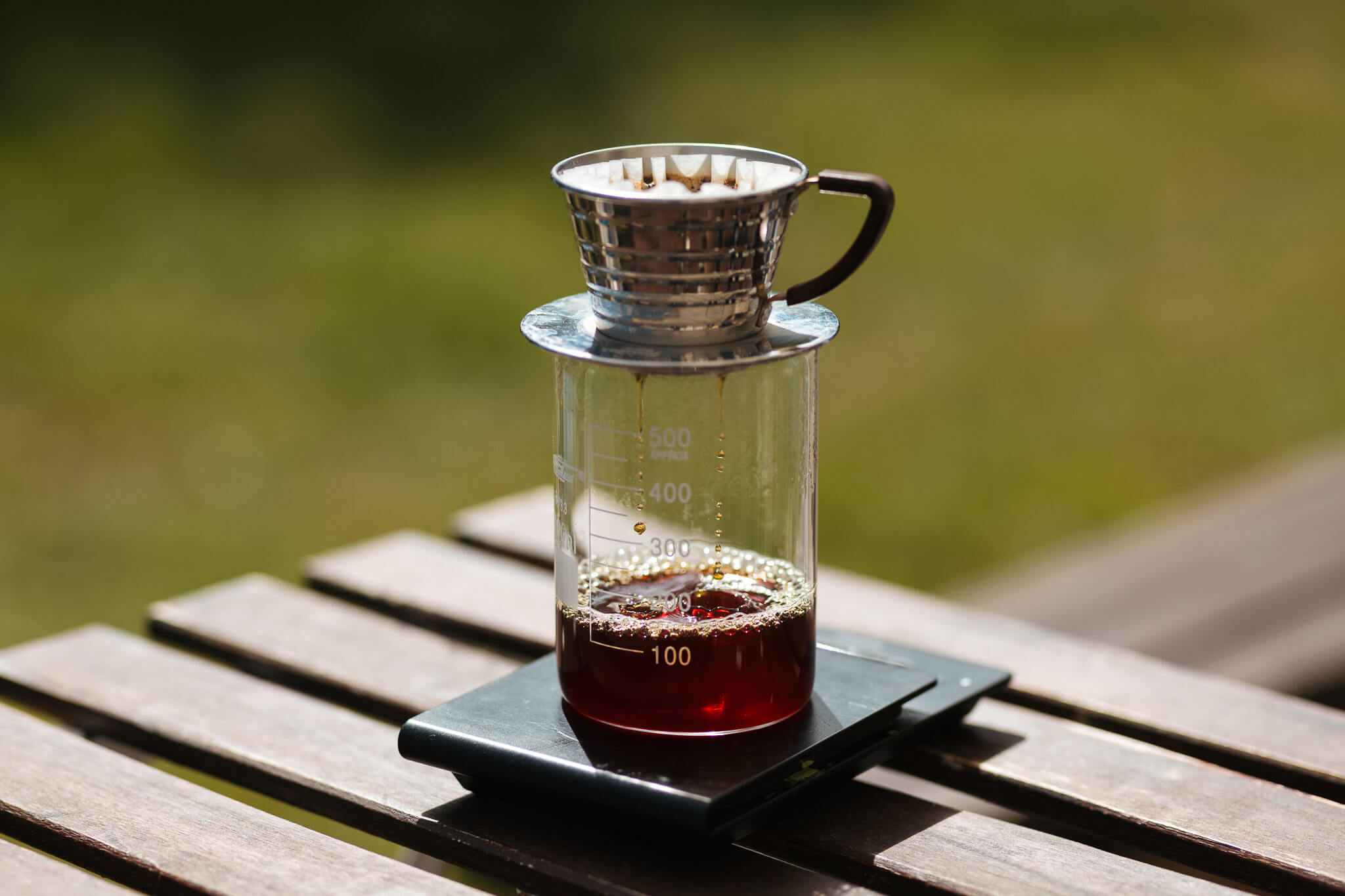
Instant coffee: is it worth it?
Instant wins on convenience and loses on quality.
If coffee is only meant to be a quick hit of caffeine, it does the job. If you care about flavour, aroma and the pleasure of drinking it, switching to freshly roasted whole bean coffee is one of the simplest changes you can make.
Best of all, it is a change you can genuinely taste.
FAQ: instant coffee
Why does instant coffee taste worse?
Production costs it a large part of the aromatics and oils that carry coffee flavour. The result is flatter, often bitter, and short on natural sweetness.
Is instant coffee made from lower quality beans?
Usually yes. Cheaper beans go into it, and the production process limits their flavour potential even further.
Is instant coffee unhealthy?
It is not harmful in itself, but it is more heavily processed and poorer in natural compounds than freshly brewed whole bean coffee.
What should I drink instead of instant coffee?
The best alternative is freshly ground whole bean coffee brewed simply, in a moka pot, a French press or an espresso machine.
Can you really taste the difference?
Yes. Even people who take no particular interest in coffee spot the difference between instant and freshly brewed whole bean coffee very quickly.
