

Specialty coffee is more than a passing trend. It is a way of drinking coffee with your attention on, getting to know flavours properly and seeing how much the bean, the grind, the water and the brew method change what is in the cup. You do not need expensive equipment or expert knowledge to begin. Good coffee and a bit of curiosity will do, plus the willingness to find out what coffee tastes like when someone has paid attention to it.
What is specialty coffee?
Specialty coffee is high quality coffee with a clean profile, better flavour and more consistency than the coffee on a supermarket shelf. In practice that means you can taste more natural sweetness, more fruit, chocolate notes or a pleasant acidity, instead of something flat or burnt.
Origin, altitude, variety and processing all count here. That is why two coffees from two countries can taste nothing alike. For anyone starting out, one thing matters most: specialty coffee lets you genuinely feel the difference.
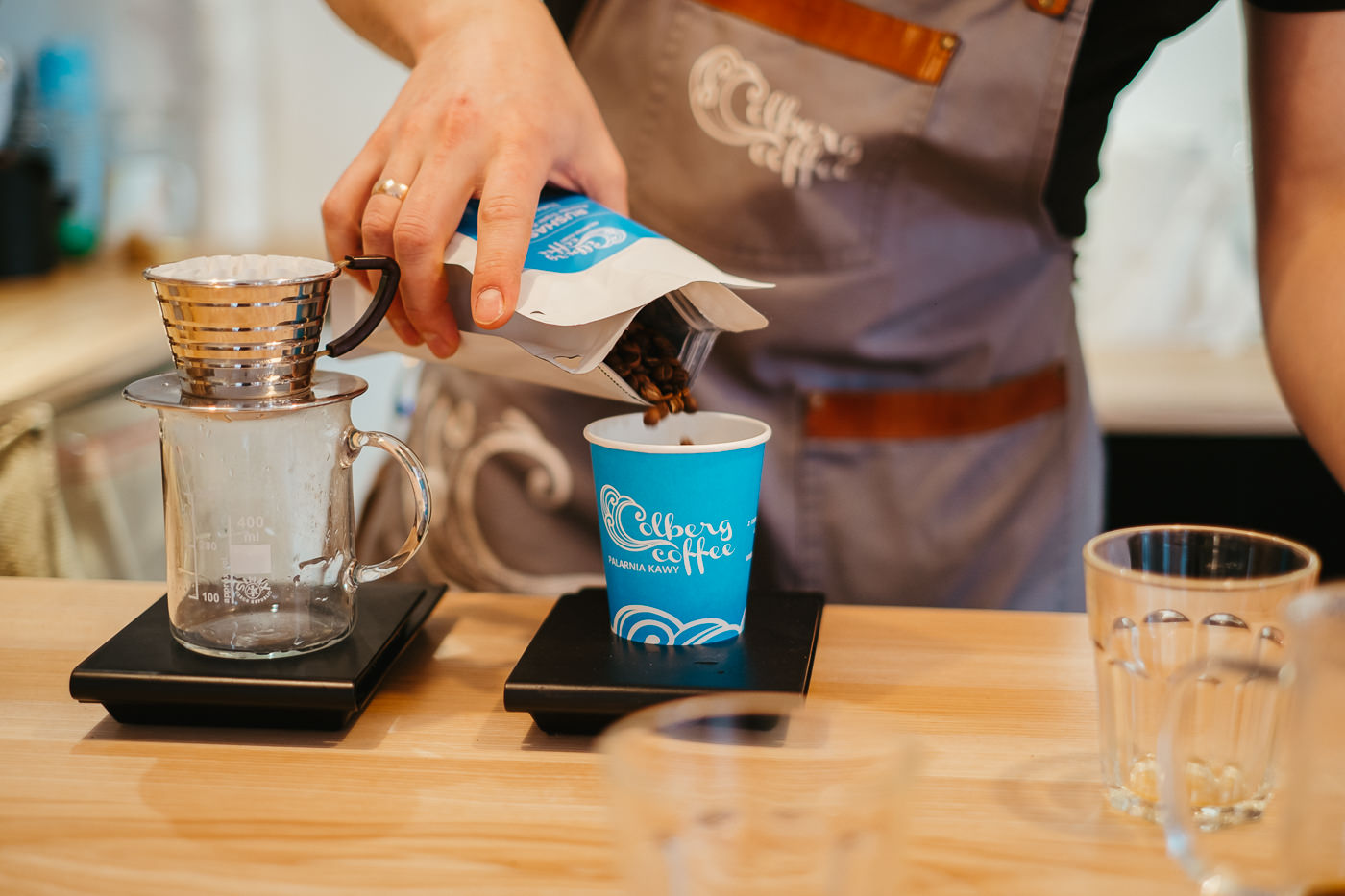
How to start with specialty coffee without spending much
You do not have to buy everything at once. What matters is a good base: freshly roasted whole beans, a simple grinder and one brew method. That is enough to show you how big the gap is between coffee ground minutes ago and whatever came off the shelf.
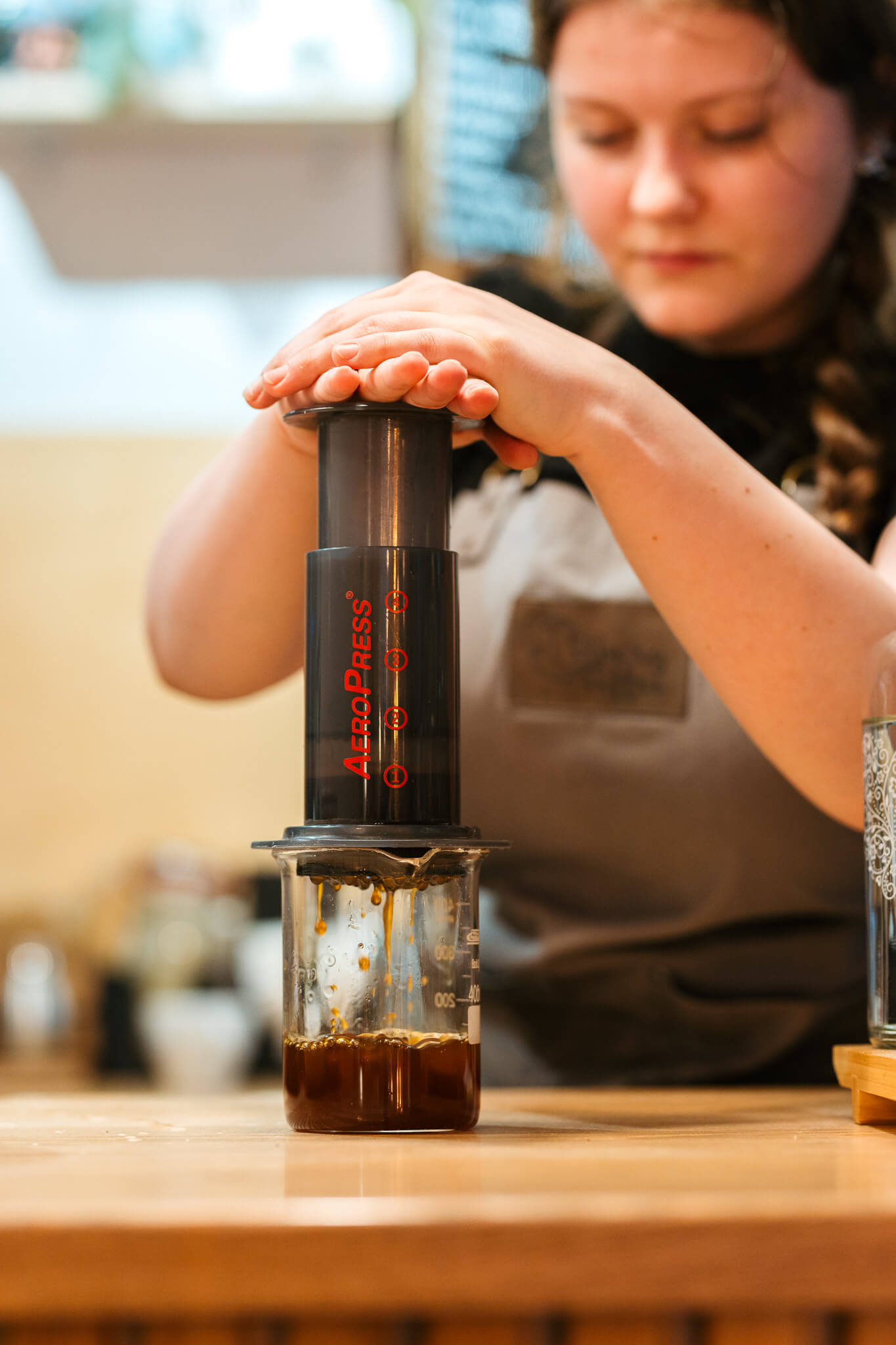
Simple, repeatable methods are the right place to begin, a pour-over, a French press, an AeroPress or a moka pot. Better to learn one method well than to run five at once. Regularity and simplicity are what get you to the flavour of specialty coffee fastest.
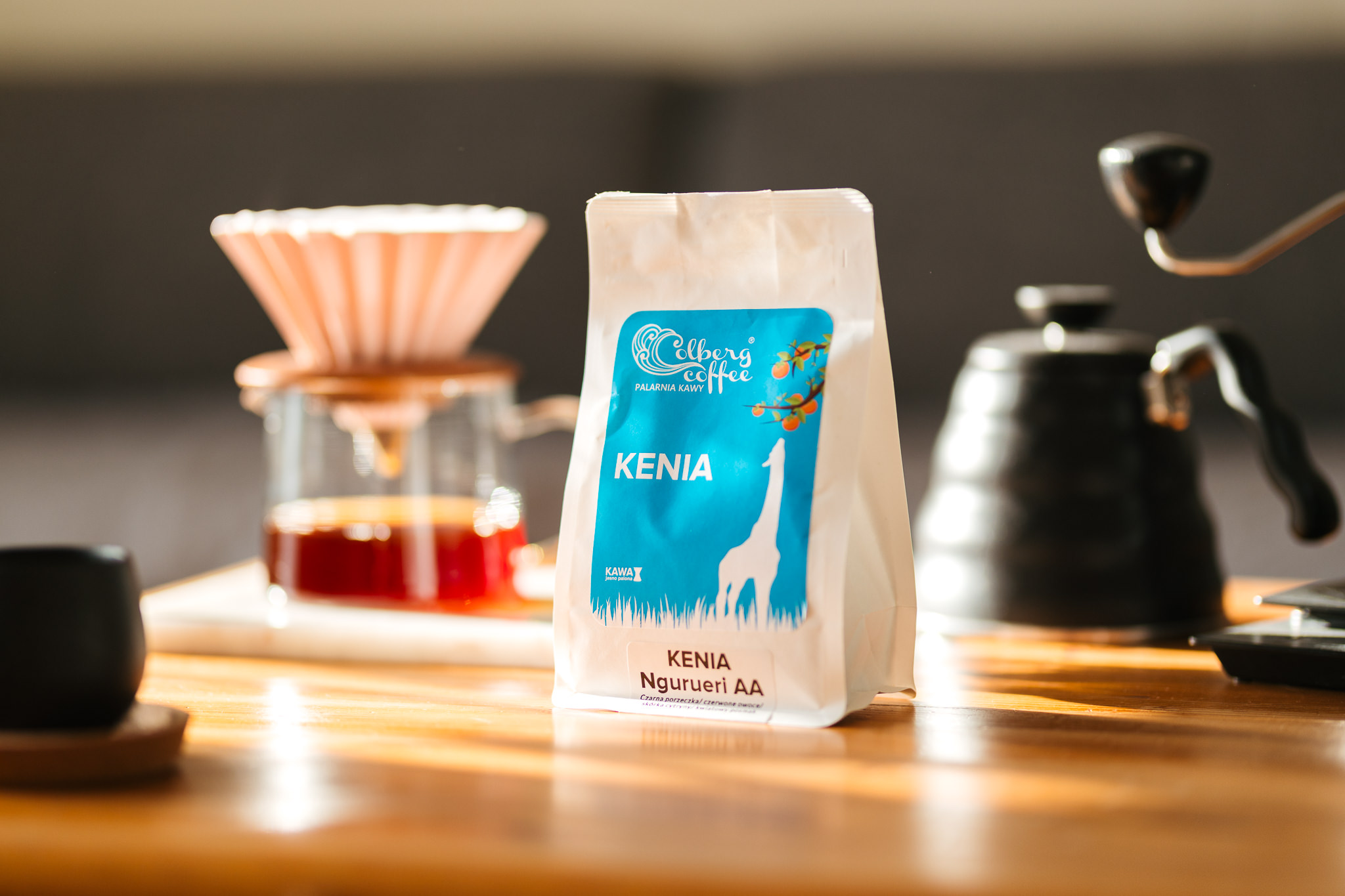
How to choose your first specialty coffee
At the start, pick coffees with an approachable profile. Most people find beans with chocolate, caramel, nut or ripe fruit notes easier to get on with than very light, floral or sharply citrus coffees.
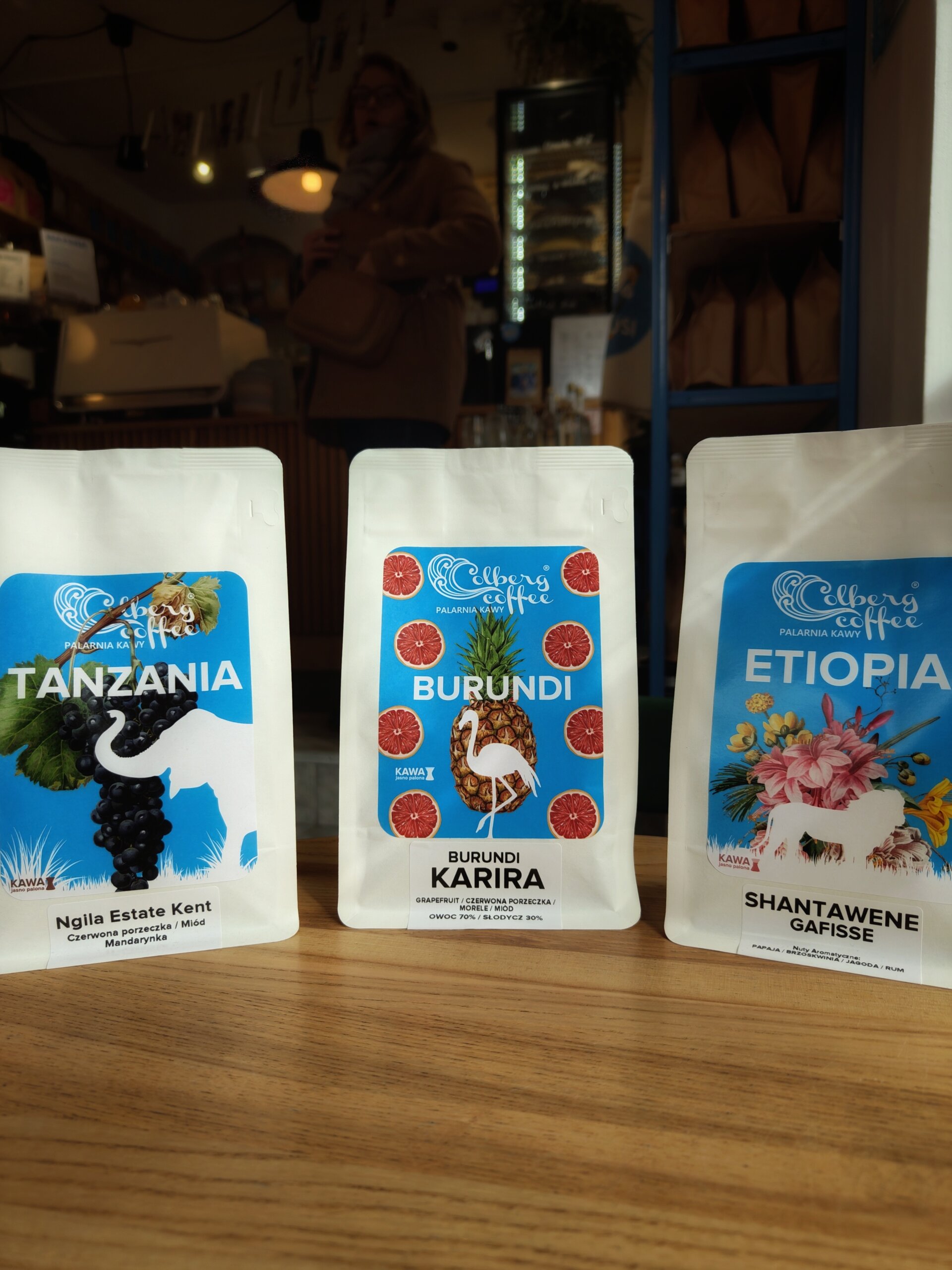
Read what is on the bag: country of origin, process, tasting notes and roast date. You do not need to understand all of it immediately, but it pays to start comparing beans and watching your own preferences. That is the fastest way to learn which specialty coffee actually tastes best to you.
Scoring specialty after the SCA changes
The way specialty coffee is graded has changed more than it looks from the outside. The SCA retired the 2004 cupping form and brought in the Coffee Value Assessment, where the score is only one of four dimensions. We go through it in Specialty coffee: what it means now that 80 points is no longer enough.
Equipment, grind and water: what moves the flavour most?
Good coffee is not only about the bean. The grind, the water and the ratio all carry enormous weight. Even excellent specialty coffee comes out average if it is brewed badly.
Grinding fresh usually makes the biggest single difference. Water matters too, since it makes up most of the brew. Early on, stick to one simple recipe and watch how the flavour shifts as you go finer or coarser on the grinder. That is the quickest way to learn to brew.
How to develop your palate without giving up
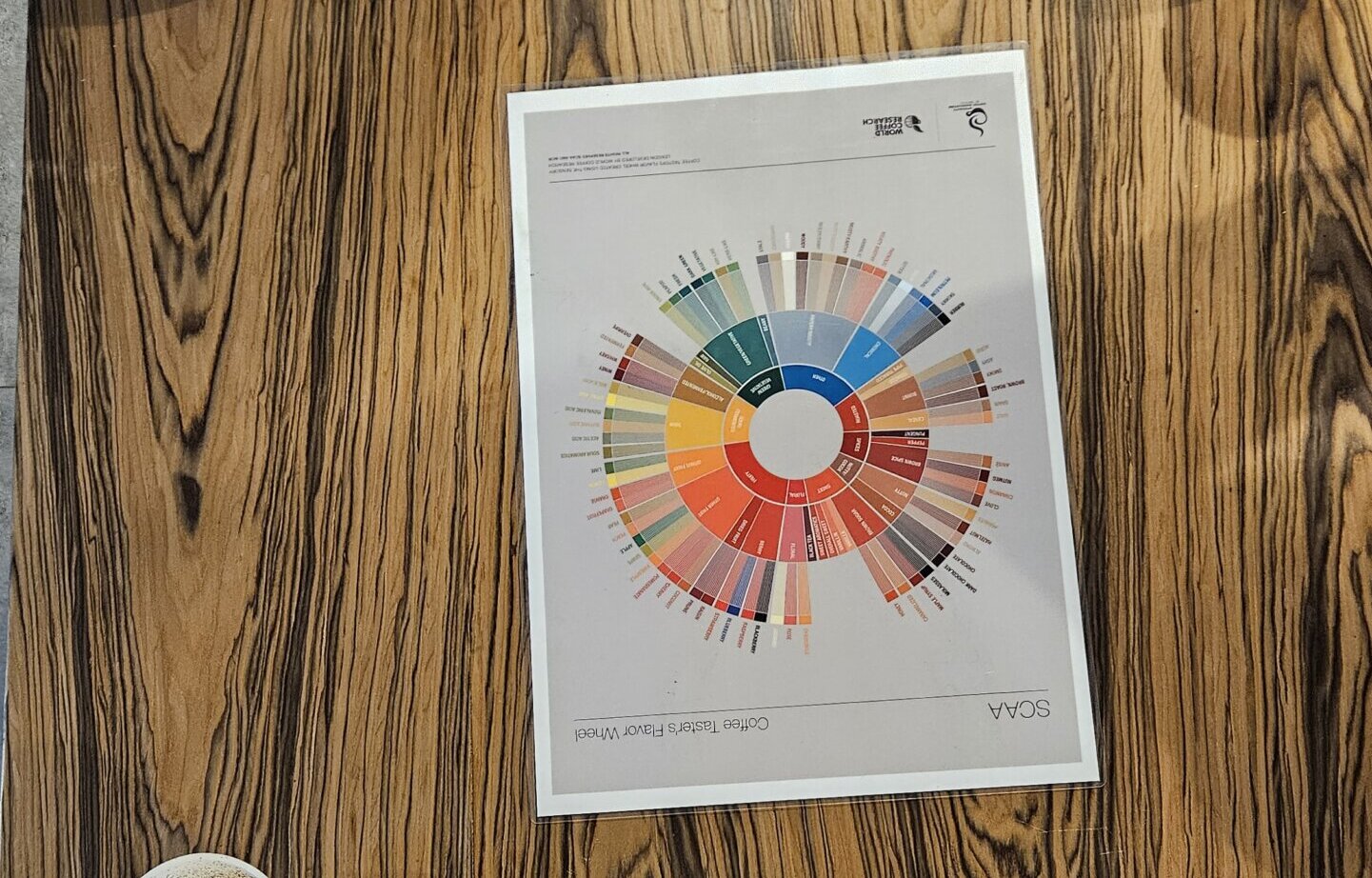
The best way into specialty coffee is unhurried testing. Rather than chasing a new bag every week, brew the same beans for a few days and watch how the flavour moves. It also helps to put two coffees side by side and write down what you notice.
You do not have to talk like a professional cupper. It is enough to register whether the coffee is sweeter, fruitier, heavier or lighter. That is how you build your own sense of flavour, and how specialty coffee starts making sense.
What matters most?
If you want to start with specialty coffee, keep it simple. Buy freshly roasted coffee, pick one brew method and learn by doing. You do not need to know everything on day one. What counts is drinking with more attention, comparing flavours, and working out bit by bit how much good coffee has to offer.
FAQ: specialty coffee for beginners
What is specialty coffee?
Specialty coffee is high quality coffee from selected farms. It has a clean flavour profile, more consistency and a richer aroma than ordinary coffee. In the cup you can pick out natural notes of chocolate, fruit, caramel or nuts.
How do I start with specialty coffee?
Start with the simple things: freshly roasted whole beans, a basic grinder and one brew method. A pour-over, a French press, an AeroPress or a moka pot all work well at the beginning. What matters is getting to know the flavours and brewing regularly.
Do I need expensive equipment for specialty coffee?
No. To begin with, good coffee, a simple grinder and one brew method are enough. Fresh beans, the right grind and the right ratio matter far more than expensive kit.
How do I choose my first specialty coffee?
Go for a mild, balanced profile at first. Beans with chocolate, caramel, nut or ripe fruit notes are usually easier to get on with than very citrus or floral profiles.
What has the biggest effect on the flavour of coffee?
Freshness of the beans, grind size, water quality and the brew ratio. Even very good specialty coffee will taste average if it is brewed badly.
