
Good coffee is more than a drink that wakes you up. In specialty coffee it means a high quality product that exists because a lot of people did their part, from the farmer growing it, through the roastery, to the barista making the drink. Every one of those stages moves the flavour.
People often ask why coffee in a specialty café tastes nothing like the one from the supermarket. The difference comes down to the quality of the beans, how fresh they are, and how the drink is made.
Where the flavour of good coffee comes from
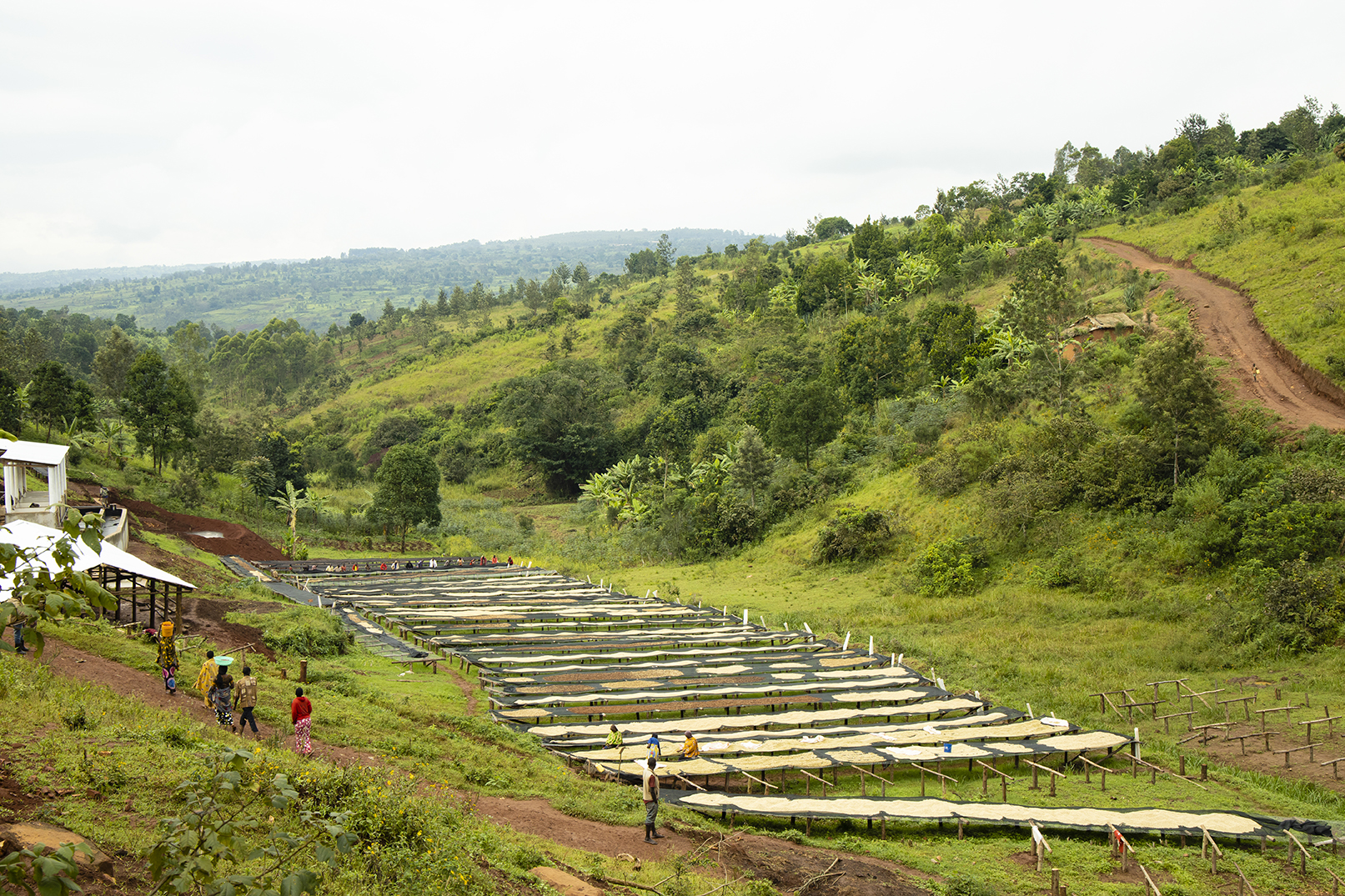
Origin carries enormous weight. As with wine, coffee from different parts of the world can have a completely different character. Altitude, climate and soil push the beans towards different flavour profiles.
That is why specialty cafés often pour coffees from a named country, or even a single farm. Some have delicate fruit and floral notes, others are more chocolatey, nutty or caramel-heavy. Each coffee gives you something different to taste.
What is specialty coffee?
When people talk about good coffee, they usually mean specialty. These are top quality beans, carefully selected and graded by professional tasters.
To count as specialty, a coffee has to meet very high quality standards. Graders look at aroma, balance, sweetness and texture, among other things. Only a small share of the world’s coffee reaches that level.
The specialty standard is moving
The way specialty coffee is graded does not stand still. In 2024 the SCA replaced the 2004 cupping form with the Coffee Value Assessment, and the 80-point threshold stopped being the definition. We set out what that changes in practice in Specialty coffee: what it means now that 80 points is no longer enough.
Why freshness matters so much
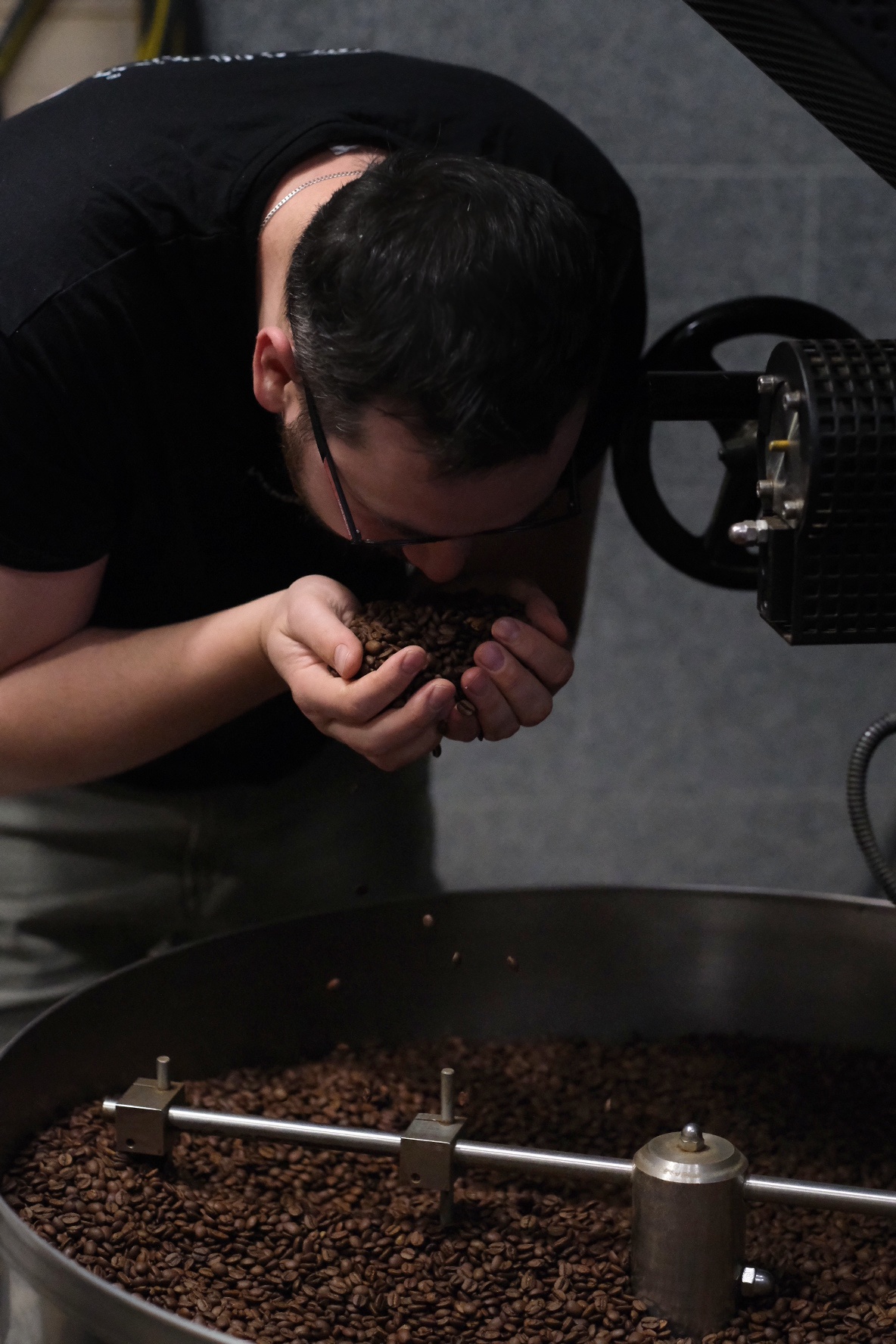
Even the best beans taste poor once they are old. In specialty coffee, how recently the coffee was roasted, and how it has been stored, both count heavily. Coffee is at its best when it is ground moments before brewing.
That is why specialty cafés run good grinders and freshly roasted beans. It is what lets you pull the full aroma and the natural sweetness out of the coffee.
What the barista contributes
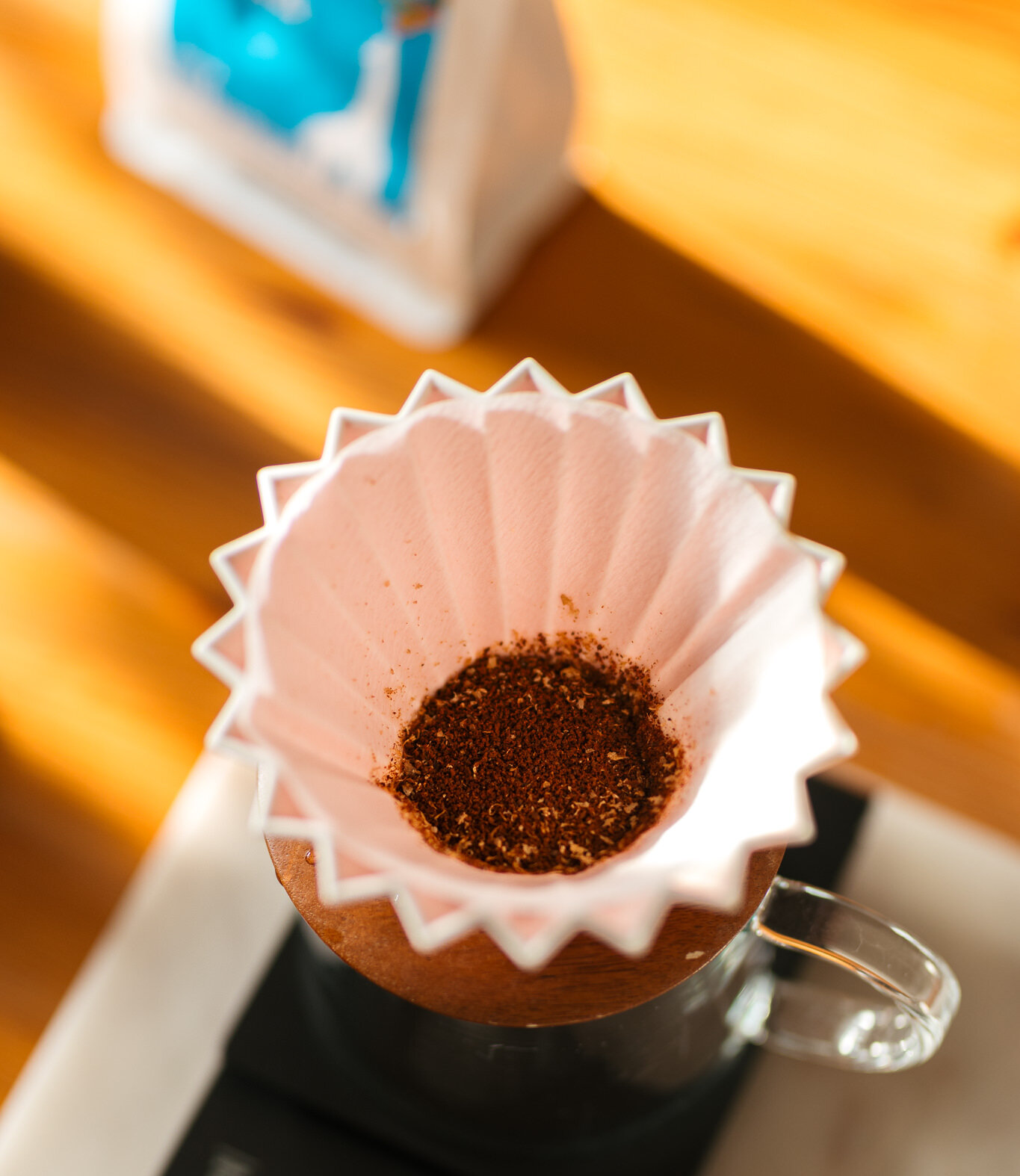
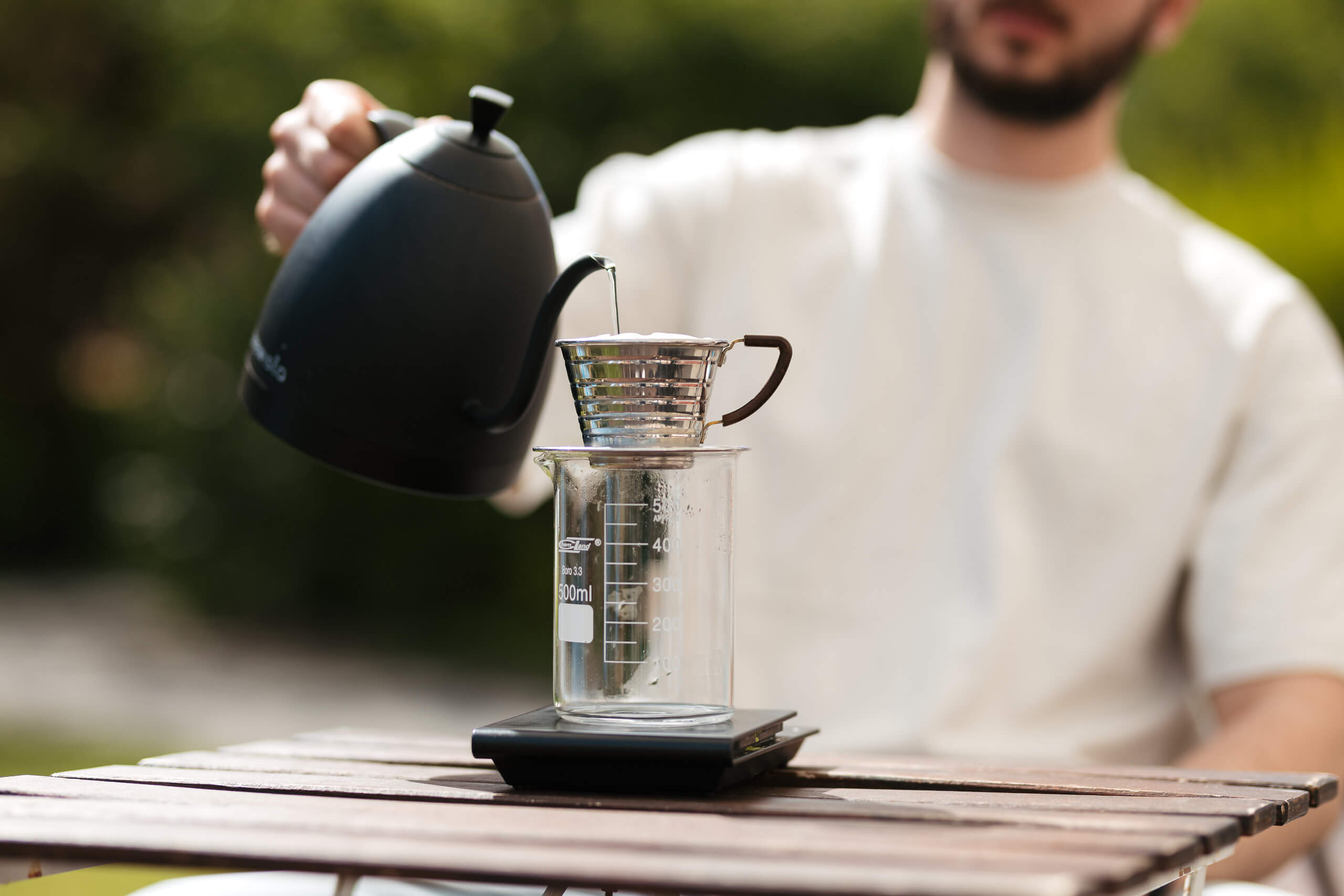
The last thing that shapes the flavour is how the coffee is made. The best beans in the world will taste average if they are brewed badly.
That puts a lot on the barista’s knowledge and experience. They are the one controlling the parameters: grind size, ratio and extraction time. That is how the beans give up everything they have.
Why specialty coffee is worth trying
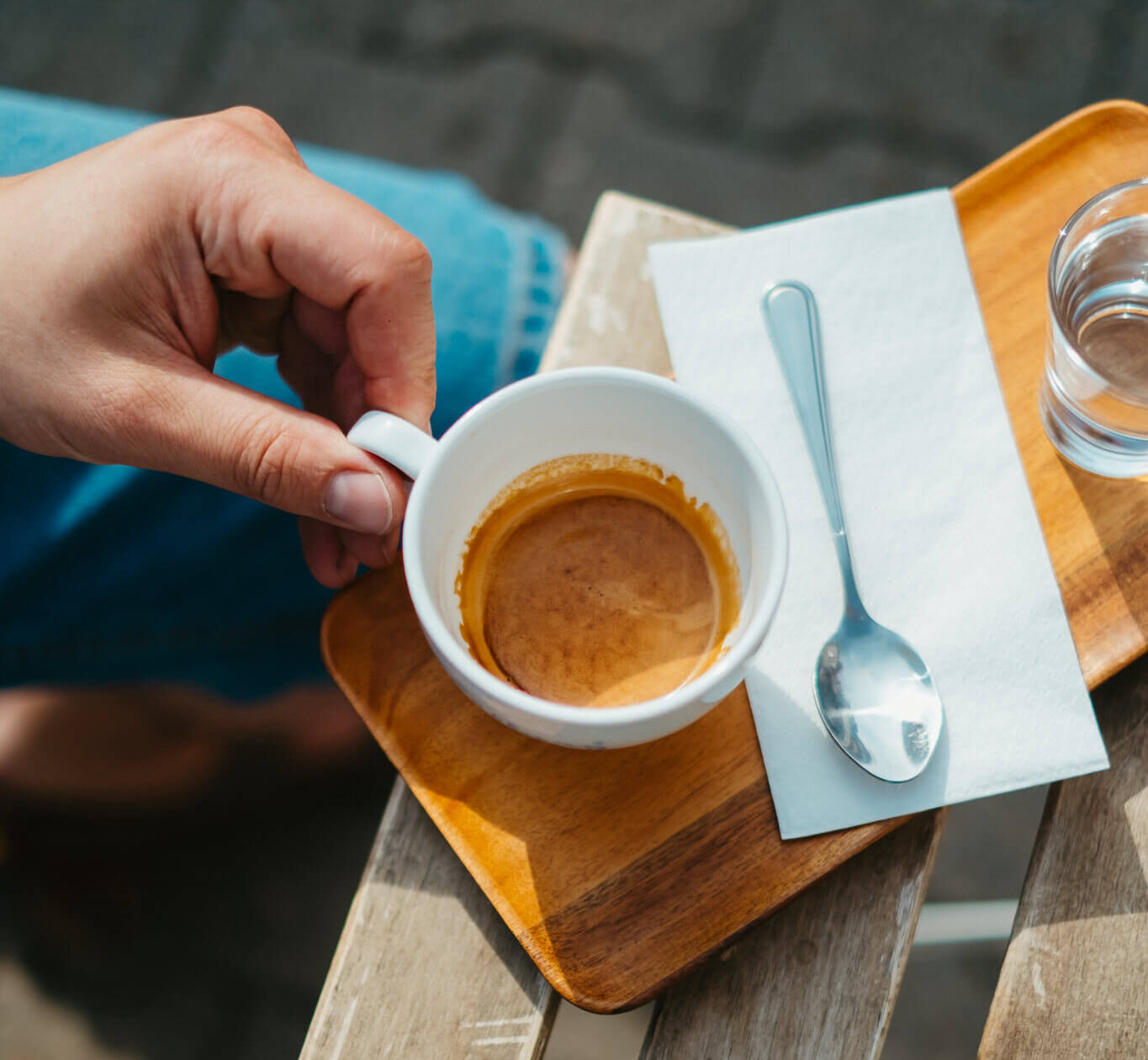
Good coffee can surprise you with how much flavour and aroma it carries. In a single cup you can pick out fruit, chocolate, caramel or flowers. It is a different thing entirely from standard coffee, which usually lands flat and bitter.
Specialty cafés exist precisely to show how varied coffee can be, and how many things feed into what finally ends up in the cup.
Why any of this matters
Good coffee is the sum of a lot of stages: growing the beans, roasting them, and the barista’s work at the end. In specialty coffee each of those is handled with real attention to detail.
What you get for it is aroma, natural sweetness and a depth of flavour that shows what coffee is actually capable of.
FAQ: what makes a coffee good?
What does it mean for a coffee to be good?
A good coffee is one with quality beans, genuine freshness and proper preparation. Its flavour depends on origin, processing, roasting and brewing, so it is the result of several stages done well.
What is specialty coffee?
Specialty coffee is top quality coffee graded against very high standards. The beans are carefully selected, and their flavour, aroma, balance and clarity in the cup set them apart from ordinary coffee.
Why does specialty coffee taste different from supermarket coffee?
Better raw material, fresher roasting and more care in preparation. That is what lets specialty coffee deliver natural sweetness and clear fruit, chocolate or floral notes.
Why do freshness and brewing matter so much?
Freshness drives the aroma and the flavour, while grind size, ratio and extraction time decide the quality of the brew. Even a very good coffee loses its potential if it is made badly.
Why should I try specialty coffee?
Specialty coffee shows how varied coffee can be. A single cup can give you natural sweetness, clarity and a range of aromas that standard coffee never offers.
