

With more than 900 aromatic compounds in it, coffee is one of the most complex things we eat or drink. Whether you like floral, citrusy cups from a V60 or mild, roasty coffees from a French press, you have probably wondered at some point where the flavour of your coffee actually comes from.
So how does coffee get its flavour? On the road from the farm to the cup there are plenty of factors that shape the flavour profile. Alongside the main carriers of flavour, we also look at the stages of the production chain that affect overall quality. Those factors do not always decide whether a coffee tastes of pineapple or prune, but they are what makes the difference between an excellent brew and an ordinary one.

What shapes the flavour of coffee
The plant
There are at least 129 coffee species, each with its own set of flavours. At Colbergcoffee we work with arabica, the most widely grown species in the world, for what it does in the cup: complex acidity and low astringency. Robusta has a place in our roastery too, because customers in Poland are very fond of a proportion of it in blends with arabica.
Within arabica there are hundreds of subspecies, known as varieties. Each has its own physical characteristics and its own flavour signature. The variety tells you a great deal about the profile you can expect from a coffee.
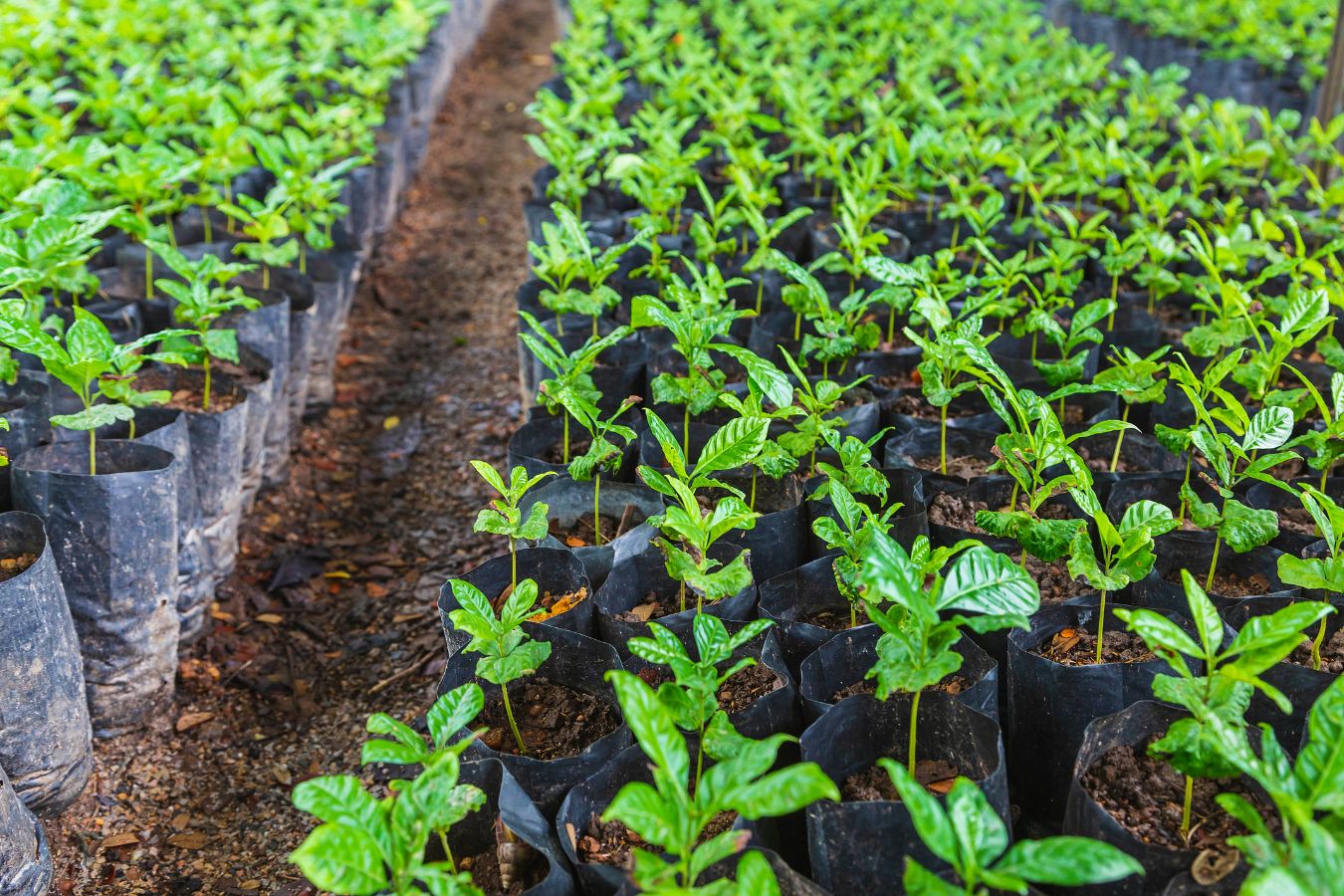
Naming the variety is still undervalued in coffee, while the wine trade does it as a matter of course. Cabernet Sauvignon, Syrah, Pinot Noir and Merlot are different grape varieties with well understood differences in flavour.
Coffee works the same way. If you are after a cup with stone fruit, toffee and caramel, look for Bourbon. If you prefer chocolate and nutty profiles, try coffees from the Typica variety.
Processing
After the harvest the seeds have to be separated from the coffee fruit. That is what processing means. Most processing methods use fermentation, which acidifies the pulp and makes it easier to remove from the seed.
Whether the coffee is dried in the sun or depulped and soaked in water, processing shapes flavour through fermentation. Different microorganisms bring different aromatics into the coffee as they consume the sugars in the fruit and produce esters.
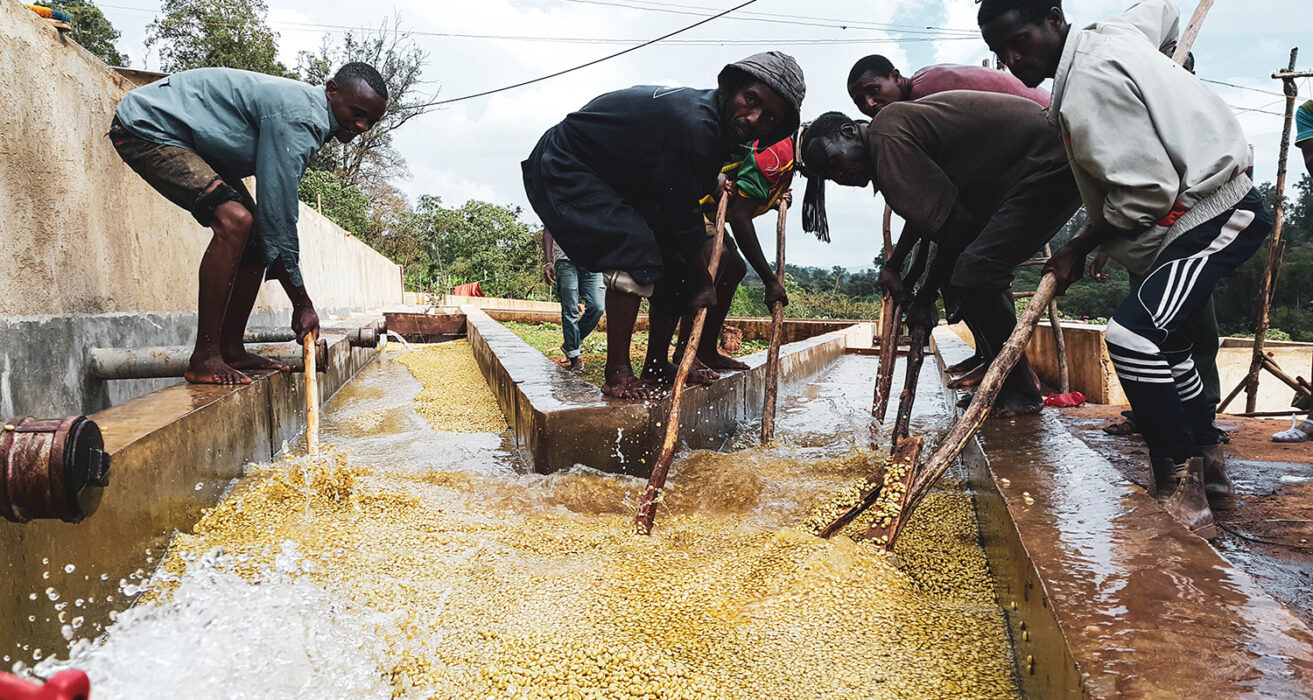
Different processing methods also change the enzymatic activity inside the seed. Depulping, for instance, activates enzymes that consume particular sugars, creating different flavour products than you get in coffees dried whole with the fruit still on.
As a rule of thumb, naturals are fruitier with a fuller, juicier body, while washed coffees have higher acidity, more complexity and a lighter body.
Roasting
Roasting takes coffee out of its raw state and sets off a chain of chemical reactions. Sugars are reduced, acids rise and fall at the same time, and the bean turns brittle. Along the way hundreds of volatile aromatic compounds form inside every bean.
The principles of roasting are the same for every coffee, but each one needs an individual approach to bring out what it already has. Choosing fast, intense heat rather than a slower, steadier profile can change the acidity in the cup dramatically. Development time after first crack decides how much roast character shows up.
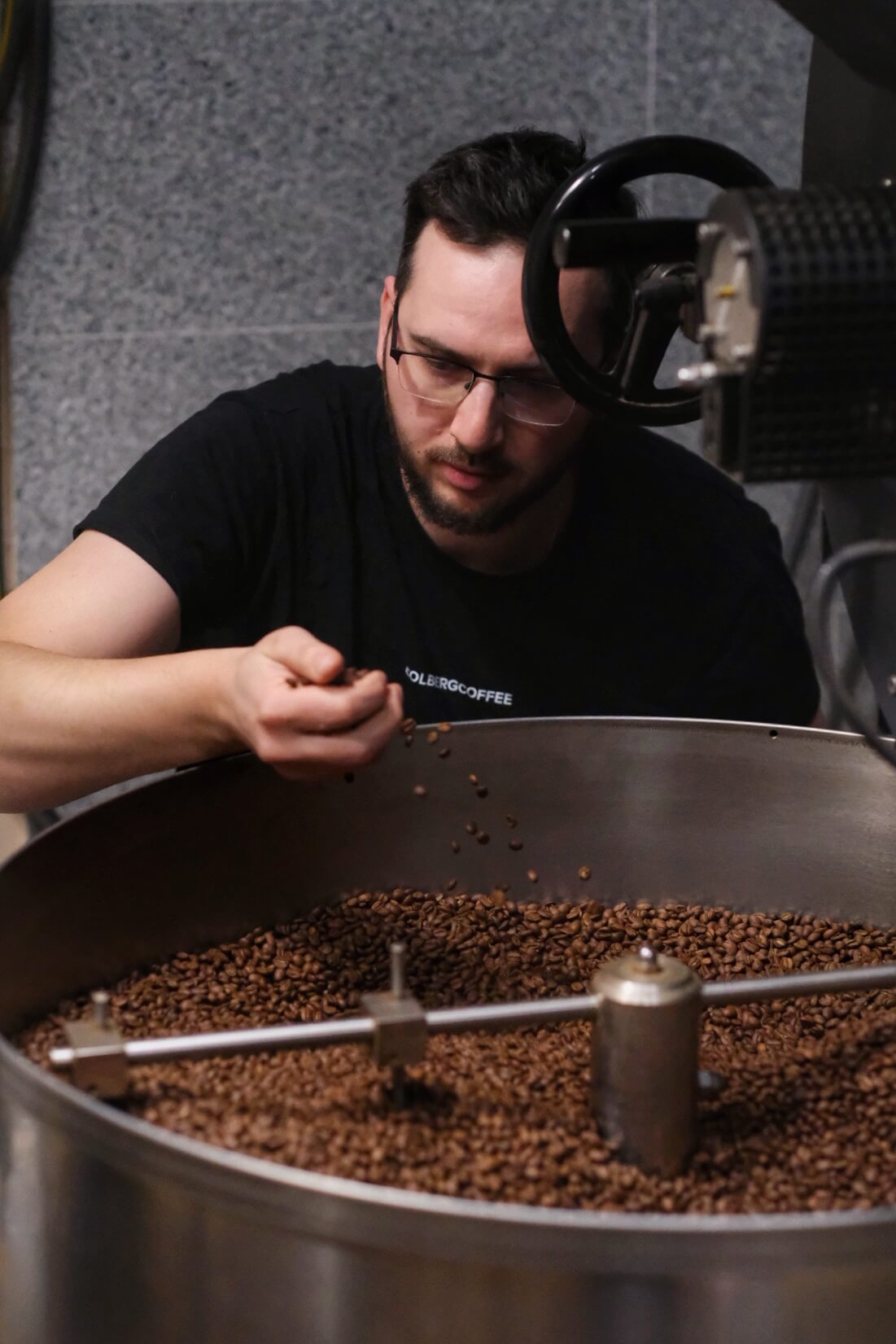
A roaster weighs up variables like variety, moisture content, altitude and processing method to pick the right starting point for each roast. At Colbergcoffee the roastery team cups its coffees several times a week, going through the flavour profiles and making adjustments to keep quality improving. The team also works with the buying side, so that every roast profile complements what the coffee naturally has.
Brewing
The last stage of coffee’s journey around the world decides how it finally reaches the person drinking it. Whether you brew at home or professionally, it is the brewer’s job to take the coffee as far as it will go: a cup worth noticing, worth drinking and worth remembering.
Every cup of coffee can be described with two numbers, extraction and strength. Extraction is how much dissolves out of the ground coffee during brewing. Strength is the concentration of those dissolved solids in the finished drink.
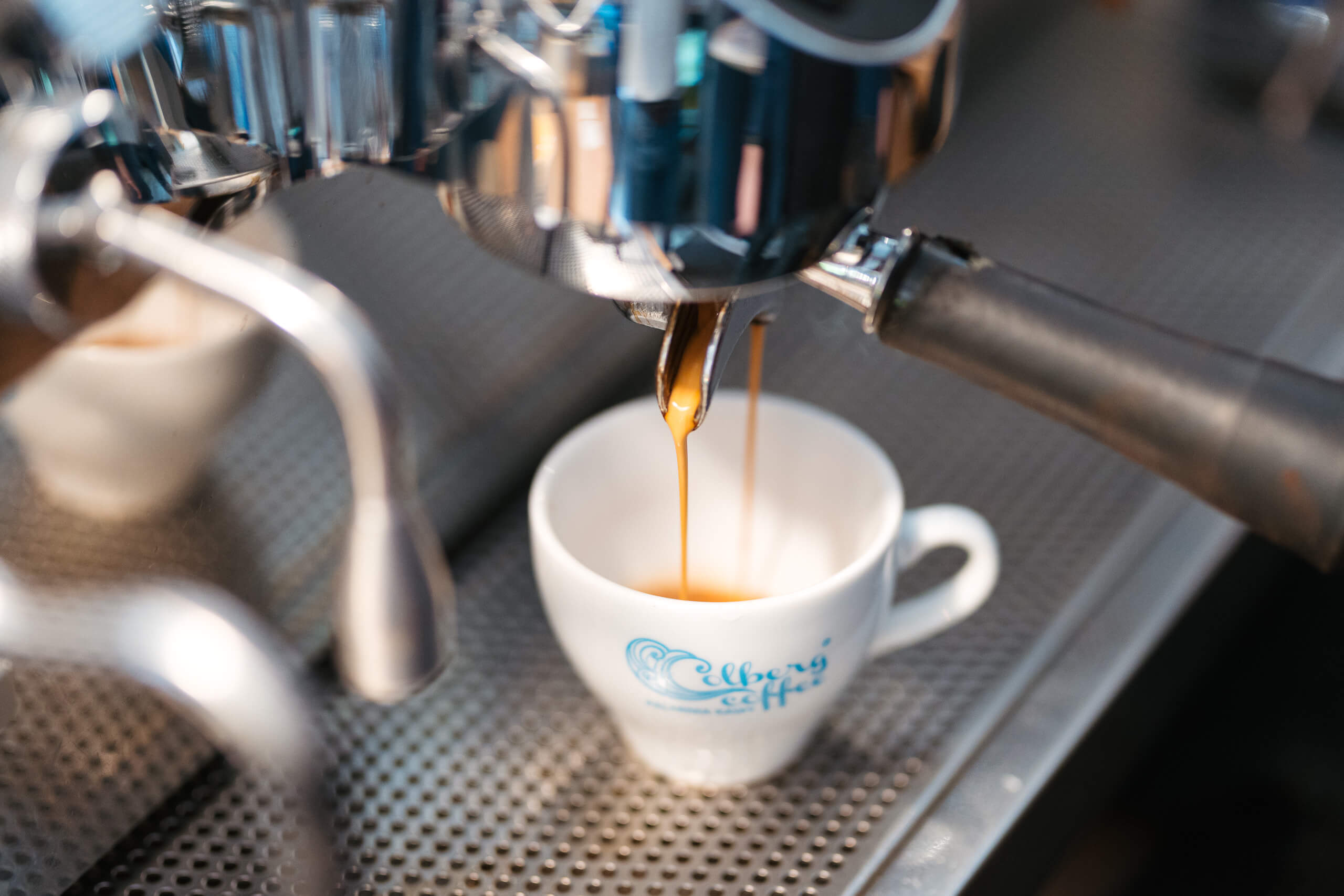
You control extraction and strength through variables like brew ratio, grind size, brew time, water temperature, water quality and turbulence in the coffee bed.
Get those under control and the flavour of the cup is in your hands. If you like higher acidity, try grinding coarser. If you prefer a stronger brew, use a more concentrated ratio for a fuller body.
What shapes the quality of coffee
The health of the plant
Like any agricultural crop, the coffee tree needs looking after. Farmers have to irrigate properly, feed the soil regularly and prune the plants to keep them healthy. The healthier the plant, the better the coffee it produces tastes.
Altitude and the swing between day and night temperatures
The bigger the difference between day and night temperatures, the more complex the coffee. When the temperature drops at night, the plant puts its energy into developing the fruit and the seeds, which gives a higher density of nutrients. The result is higher quality coffee.
If you want a quick proxy for coffees that have seen big temperature swings, look at the altitude. All else being equal, the higher the coffee grows, the better it is in the cup. You will find that figure on every bag of Colbergcoffee.

Picking and sorting
Specialty coffee is picked by hand. Lower quality production often uses strip picking, shaking the branch mechanically so that unripe, ripe and overripe cherries all come off together, which drags the final quality down.
For the highest quality, pickers take ripe cherries only. The work is done by hand and every tree is picked several times over the season. It is hard, skilled work, and without it this level of quality would not be possible.
Cherries can also be sorted after picking. In some cases the pickers remove damaged or wrongly coloured fruit and set it aside as a lower grade lot.
Some producers also use flotation, putting the cherries in water and removing whatever floats to the surface. That separates out the underdeveloped seeds, which would make lower quality coffee. Those lots are then sold separately.
Drying and storage
After processing, coffee has to be dried to become a stable product. In specialty coffee, producers often use moisture meters, aiming for 8-12%. Coffee with a higher moisture content loses freshness faster.
At Colbergcoffee we aim to buy coffee with a moisture content no higher than 10.5%, which keeps high quality green coffee in good condition for longer.
Drying can happen on raised beds, on a patio or in mechanical dryers. In every case what matters is spreading the heat evenly and not letting the coffee sit too long in one place, which would dry it unevenly and cost quality.
Once it is at the right moisture level, the coffee has to be packed properly for storage and transport. Jute sacks are what most people picture, but high quality coffee often travels in GrainPro liners, which work like a large resealable bag. They keep the coffee in a dry, stable environment, protected from odours, chemicals and moisture on the way from the country of origin to the roastery.

Packing roasted coffee, and the roast date
Once roasted, coffee goes into sealed, UV resistant packaging whose job is to protect the flavour.
During roasting, carbon dioxide builds up in the bean as a result of the chemical reactions. Over the following days and weeks that gas gradually escapes, taking aromatic compounds with it. The rate depends on the coffee, the packaging and the roast level, but most coffees start showing signs of ageing after around four months.
To slow that down, store coffee somewhere dark, cool and dry. Colbergcoffee bags use a one-way valve that lets carbon dioxide out without letting oxygen in. Vacuum containers add further protection and can extend the life of roasted coffee.
FAQ: what decides coffee flavour, and how to keep it fresh
What really decides how a coffee tastes in the cup?
Flavour is the sum of several stages: the variety and the growing conditions, the processing after harvest (washed, natural and so on), the roast profile and the way you brew. Every step can push acidity, sweetness, body or aromatics up or down.
Does a higher altitude always mean better coffee?
Not always, but it often helps. Higher up tends to be cooler and the fruit ripens more slowly, so the seed can build more complexity. Microclimate, soil, variety and the work done on the farm matter just as much.
What does processing do, and why does washed taste different from natural?
Processing shapes fermentation, the work of the microorganisms and the changes inside the seed. Naturals often give fruitier, juicier profiles and a fuller body, while washed coffees tend to emphasise clean acidity, clarity and a lighter body.
How does roasting change flavour, and why does the same coffee taste different from different roasteries?
Roasting sets off hundreds of aromatic reactions. A faster or slower profile, the temperature and the development time can lift the acidity or push the flavour towards caramel and chocolate. That is why the same coffee from one country can have a completely different character once it has been roasted.
How does brewing affect flavour, and what should I change if my coffee is too sour or too bitter?
Too sour usually means under-extraction: grind finer, brew longer or raise the temperature. Too bitter is often over-extraction: grind coarser, shorten the time or lower the temperature. Brew ratio and water quality make a big difference too.
When does coffee start to lose its best flavour, and how should I store it?
After roasting, coffee gives off CO2 and loses aromatics over time. In practice, light roasts often taste best around three weeks after the roast date, while medium and dark roasts can hold a pleasant profile even after about four months if they are stored well. Keep coffee in a sealed bag with a valve or in a vacuum container, away from light, heat and moisture.
