












A coffee siphon looks like lab equipment: two glass chambers, a tube and a burner, with water that rises up and then drops back down. Behind the show is simple physics and a brew method that gives a clean, aromatic and hot cup. Here is how a siphon works, how to brew with one step by step and who it suits.
What is a coffee siphon?
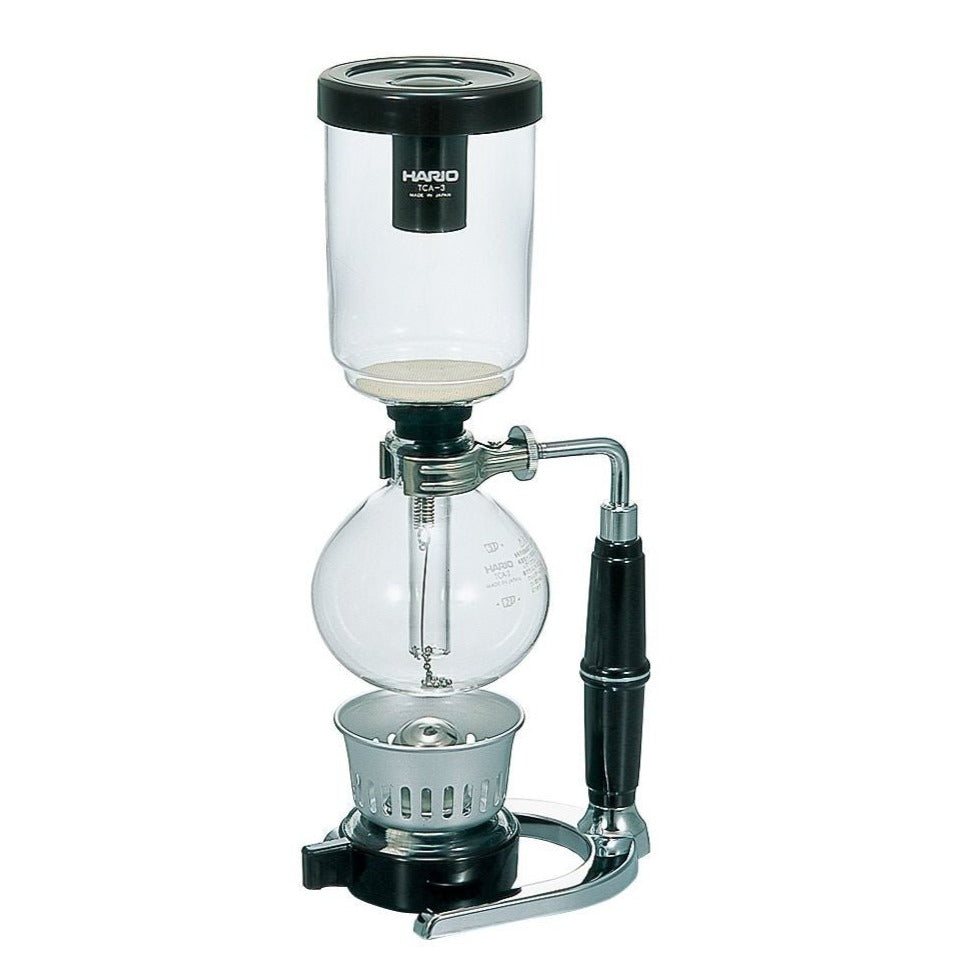
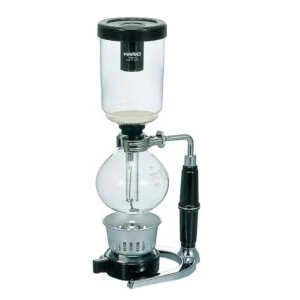
A siphon, also called a vacuum pot, has two glass chambers joined by a tube. Water is heated in the lower chamber and the coffee brews in the upper one. A cloth, paper or metal filter sits at the bottom of the upper chamber. Underneath is a heat source, usually a spirit burner, a gas burner or a halogen heater.
The first vacuum brewers appeared in Europe in the first half of the 19th century. Today one of the best-known siphon makers is the Japanese brand Hario. A siphon combines immersion brewing with filtration afterwards, so it works differently from a pour-over, where water simply drips through the coffee by gravity.
How a siphon works: physics in two steps
Step one: water goes up. As the lower chamber heats up, vapour and air pressure build above the water. That pressure pushes the water up the tube into the upper chamber. A little water stays at the bottom, keeps heating and holds the pressure.
Step two: coffee comes down. The ground coffee steeps in the hot water in the upper chamber. When you remove the heat, the lower chamber cools, the vapour condenses and pressure drops. The resulting vacuum pulls the brewed coffee through the filter back into the lower chamber. The grounds stay on top.
The water in the upper chamber usually sits at around 90-96°C. The heat source helps hold the temperature, but not with complete precision: starting water temperature, siphon design and technique all play a part.
How to brew coffee in a siphon, step by step
This recipe uses 300 g of water and suits a siphon with enough capacity, such as the Hario Technica 3 (360 ml). You will get a little less coffee in the cup, as some water stays in the grounds and the brewer. Treat it as a starting point and adjust to your beans.
- Coffee: 20 g, ground medium to medium-fine, roughly a touch finer than for Chemex. If the coffee drains too slowly, grind coarser.
- Water: 300 g, a ratio of about 1:15.
- Steep time in the upper chamber: about 60-90 seconds before you cut the heat. Extraction continues while the coffee drains, so total contact time is longer.
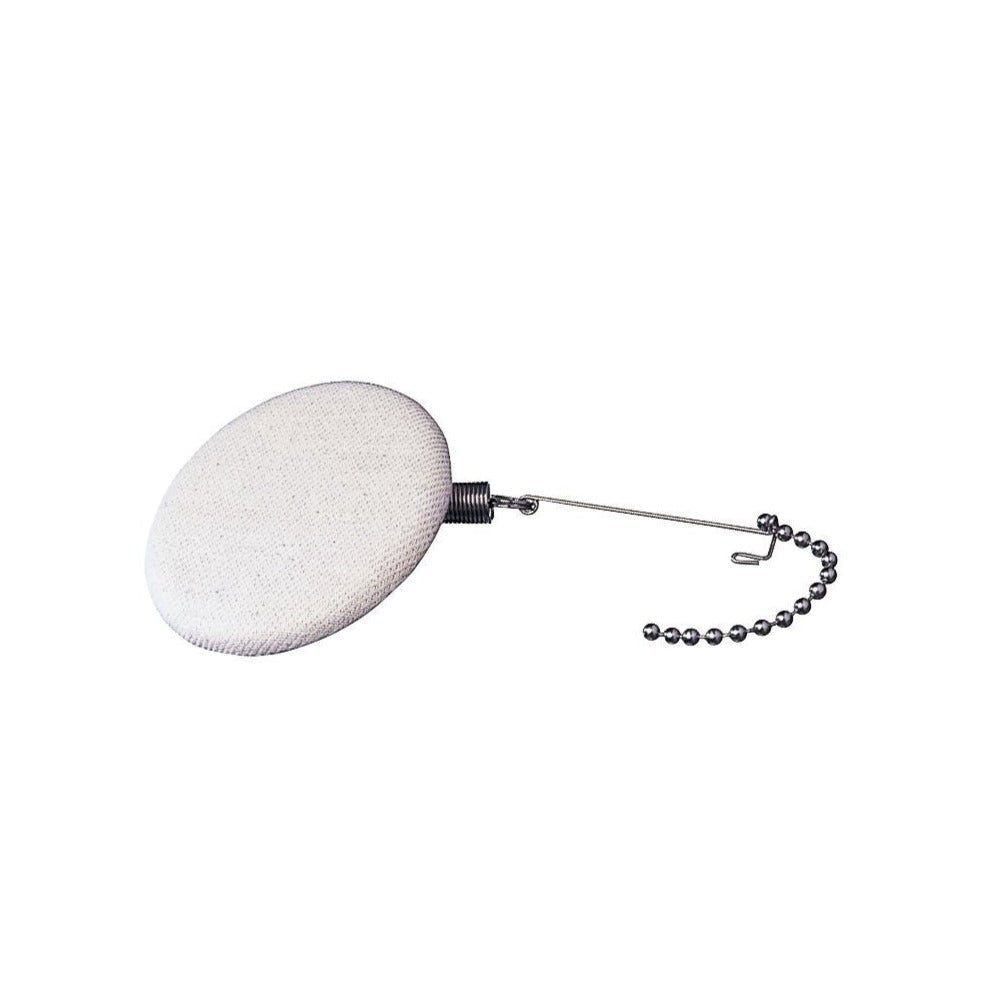
- Filter: cloth, rinsed well with hot water. Boil a new filter before its first use.
- Fit the filter in the upper chamber, check it sits evenly on the bottom and hook the chain through the tube.
- Pour hot water into the lower chamber and wipe the outside of the glass dry.
- Set the lower chamber over the heat and rest the upper chamber at an angle, without pressing the seal in, so steam can escape.
- When the water boils, seat the upper chamber upright. The pressure will push the water up.
- Once most of the water is in the upper chamber, lower the heat. Wait for the bubbling to calm down, add the coffee and stir gently so all of it is wet.
- Wait 60-90 seconds from adding the coffee, stir gently once more and remove the heat.
- Let the coffee drain through the filter, which usually takes a few dozen seconds depending on grind and filter. Carefully remove the upper chamber, as the lower one stays very hot, and pour.
If the coffee tastes sour and thin, grind finer or steep longer. If bitterness or astringency dominates, grind coarser or shorten the steep. The beans, roast and water temperature matter too. More on grind in How grind size affects the taste of coffee.
What does siphon coffee taste like?
A siphon combines traits of a French press and a pour-over. The coffee steeps fully immersed, which favours even extraction, and then passes through a filter that holds back most of the grounds. The result is usually a clean, aromatic cup. Body depends on the filter, the beans and your recipe: paper holds back more oils than cloth, so cloth-filtered coffee can feel fuller.
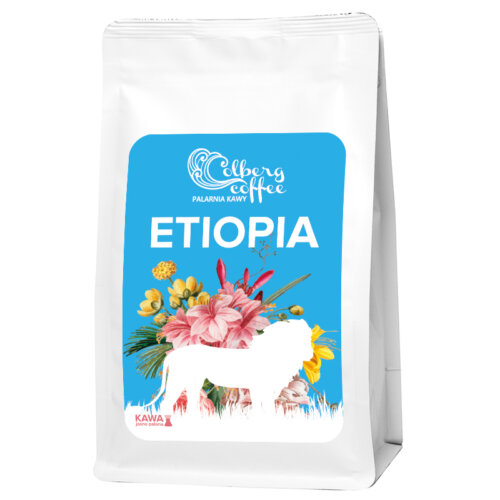
Light roasts are a great match, especially if you like fruity and floral notes. Try Kenya Inoi Kaguyu or Ethiopia Kurume Natural. Medium roasts work well too. For more ideas, browse our filter coffee category.
Siphon, pour-over or French press?
| Siphon | Pour-over (V60) | French press | |
|---|---|---|---|
| Brewing | immersion, then vacuum filtration | water poured through a filter | immersion, then a metal mesh plunger |
| Filter | cloth, paper or metal, depending on model | usually paper | metal mesh |
| Taste | clean cup, body depends on filter | high clarity, usually lighter body | usually fuller body, more sediment |
| Difficulty | takes practice and attention | medium | easy |
| Time | about 5-8 minutes including heating | about 3-4 minutes brewing | about 4-5 minutes brewing |
If you are new to manual brewing, a French press, AeroPress or Chemex is an easier start: fewer steps and no separate heat source. See our guides to the French press, AeroPress and Chemex, or the overview of the best home brewing methods.
Pros and cons of a siphon
Pros: a clean, aromatic cup, good conditions for even extraction, high brewing temperature and a brewing ritual that impresses guests. You control the steep time in the upper chamber, and you can tune grind size and heat to suit the beans.
Cons: fragile glass, a heat source to watch and a filter to keep clean. A cloth filter in daily use is best stored submerged in clean water in the fridge, with the water changed every day. Before a longer break you can clean it and freeze it. A siphon asks for more attention than simpler brewers, but it shines for slow weekend brewing and in cafés with a manual brew bar.


How does a coffee siphon work?
As the lower chamber heats, pressure pushes the water up into the upper chamber, where it meets the ground coffee. When you remove the heat, the vapour condenses, pressure drops and the vacuum pulls the coffee back down through the filter.
How much coffee for a siphon?
A good starting point is 1:15, so 20 g of coffee to 300 g of water. Start with a medium to medium-fine grind, roughly a touch finer than for Chemex, and adjust to taste and drain speed.
How long should siphon coffee steep?
Start with 60-90 seconds in the upper chamber, counted from adding the coffee, then cut the heat. Draining usually takes a few dozen seconds, depending on grind and filter, so total contact time is longer.
What coffee is best for a siphon?
If you like fruity and floral notes, go for a light roast, for example from Kenya or Ethiopia. Medium roasts work well too. The final taste depends on the beans, your recipe and the filter.
How is a siphon different from a French press?
Both are immersion methods. The difference is how the grounds are separated: a French press uses a metal mesh plunger, a siphon a cloth, paper or metal filter. With cloth or paper, siphon coffee is usually cleaner and has less sediment.
How do I look after a cloth siphon filter?
Rinse it well with hot water after every brew. In daily use keep it submerged in clean water in the fridge and change the water every day. Use a dedicated coffee filter cleaner if needed and rinse thoroughly. Replace it when it keeps an unpleasant smell, is damaged or noticeably slows the flow.
Przeczytaj też
Coffee siphon: how it works and how to brew with it
How a coffee siphon works, how to brew with it step by step and what
Oct

Irish coffee: recipe, ratio and how to float the cream
The classic Irish coffee recipe: IBA proportions, how to keep the cream from sinking, which
Oct

Espresso macchiato: what it is and how to make one
An espresso macchiato is espresso with a little milk foam. Here is how it differs
Oct

Cortado: what it is, the ratio and how to make one
A cortado is espresso with a little warm milk. Here is the usual ratio, how
Oct
Burr grinders: flat or conical burrs?
How a burr grinder differs from a blade grinder, and what flat and conical burrs
Oct
La Marzocco Linea Mini, Linea Micra or Eagle One Prima? Choosing a home espresso machine
Three single-group home espresso machines compared: La Marzocco Linea Micra, Linea Mini R and Victoria
Oct
Sour espresso: why it happens and how to fix it
Why does espresso taste sour? Under-extraction, grind, temperature, water and the beans themselves. What to
Oct

New coffees at the roastery: Kenya Inoi Kaguyu and Ethiopia Kurume Natural
Two new specialty coffees from Africa: fruity Kenya Inoi Kaguyu and floral Ethiopia Kurume Natural.
Oct
