









We have two new coffees from Africa, and we roast both light for pour-over. Kenya Inoi Kaguyu is all about dark fruit and juiciness. Ethiopia Kurume Natural brings flowers, bergamot and tea. Two completely different cups from the same continent, so it is best to try both.
Kenya Inoi Kaguyu: blackberry, blackcurrant, tea
The first new arrival comes from the Kaguyu washing station in Kirinyaga, in the foothills of Mount Kenya. The station belongs to the Inoi FCS cooperative, which brings together 650 smallholders. The coffee grows at 1,650-1,800 m a.s.l., and the whole station produces around 320 bags of 60 kg a year.
This is classic Kenyan washed processing. The cherries are hand sorted and pulped, and the parchment ferments overnight. It is then washed, graded and dried for 10 to 20 days. The lot includes SL28, SL34, Batian and Ruiru 11.
Blackberry and blackcurrant lead the cup, with a brighter raspberry note. The finish is reminiscent of tea. The coffee scored 88.5 SCA points. It is a coffee for people who enjoy clear fruit and juicy acidity.

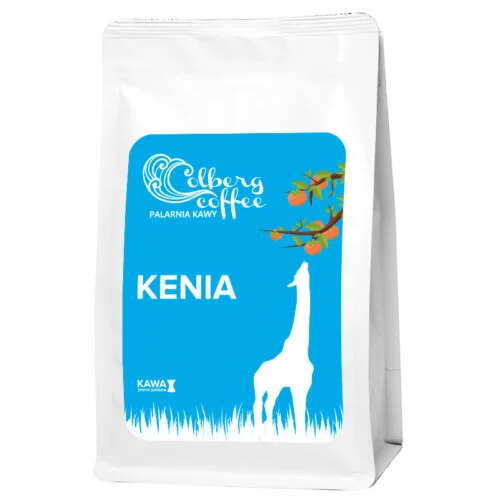
Kenya Inoi Kaguyu, 250 g for 68 PLN. More coffees from this country are in our coffee from Kenya category.
Ethiopia Kurume Natural: jasmine, bergamot, black tea
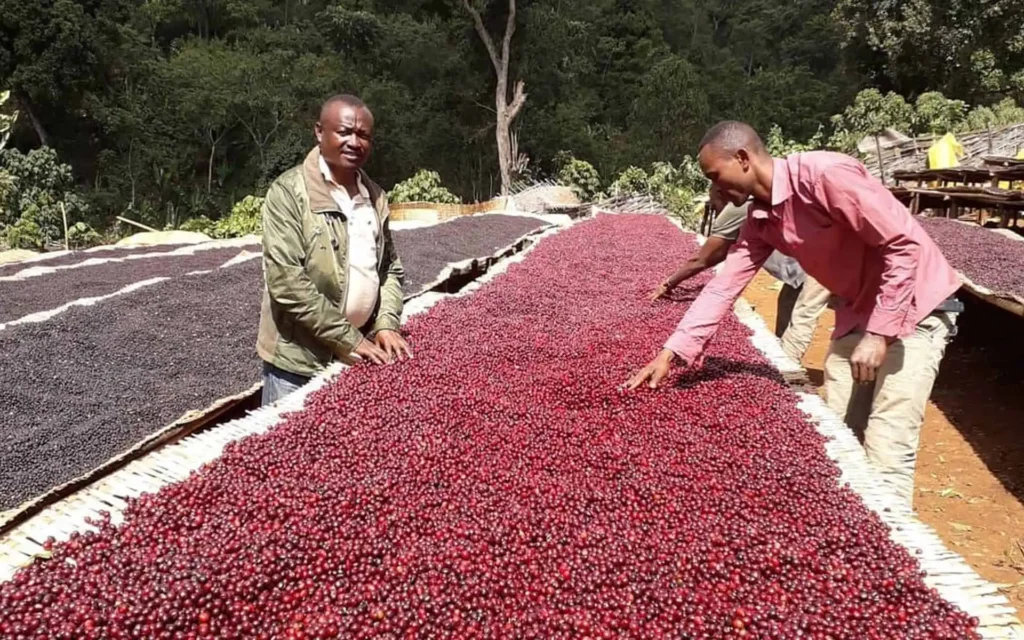
The second new coffee is from Yirgacheffe, in the Gedeo zone of southern Ethiopia. The Kurume lot comes from around 2,000 smallholders whose farms average 0.5-1 ha. The coffee grows at 1,800-2,000 m a.s.l., and the cherries are hand-picked by the farmers’ families.
Yirgacheffe is mostly associated with washed coffees. This lot is natural processed: the beans dry inside the whole cherries and are only then separated from the dried fruit. The fruit gives the bean more sweetness without covering the floral character of the region.
The cup is very delicate: jasmine, bergamot and black tea, with a light, tea-like body. It scored 86.25 SCA points and is Grade 1, the highest grade in the Ethiopian classification. It is a coffee for people looking for flowers and clarity rather than heavy fruit.
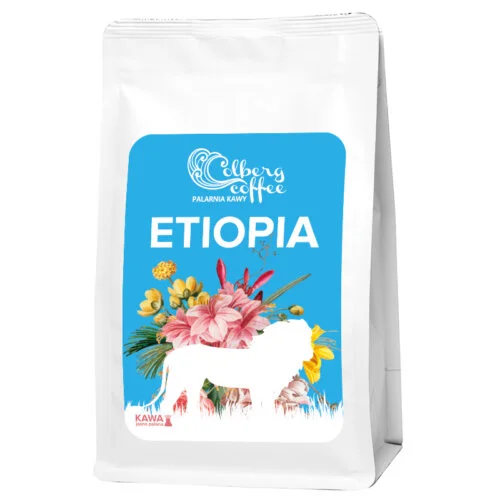
Ethiopia Kurume Natural, 200 g for 55 PLN. Our other Ethiopian coffees are in the coffee from Ethiopia category.
Kenya or Ethiopia: which coffee to choose?
If you like fruit and pronounced acidity, start with Kenya. If you prefer a light, floral cup that drinks like tea, go for Ethiopia. We roast both light for drip, Chemex, AeroPress and filter coffee machines.
| Kenya Inoi Kaguyu | Ethiopia Kurume Natural | |
|---|---|---|
| Region | Kirinyaga | Yirgacheffe, Gedeo zone |
| Altitude | 1,650-1,800 m a.s.l. | 1,800-2,000 m a.s.l. |
| Process | washed | natural |
| Varieties | SL28, SL34, Batian, Ruiru 11 | heirloom |
| Notes | blackberry, raspberry, blackcurrant, tea | jasmine, bergamot, black tea |
| SCA score | 88.5 points | 86.25 points, Grade 1 |
| Character | fruity, juicy | floral, delicate |
| Bag and price | 250 g, 68 PLN | 200 g, 55 PLN |
We explain where the differences between these countries come from in our guides to Kenyan coffee and Ethiopian coffee. We roast coffee fresh twice a week, and the roast date is shown on each coffee’s product page.
How is Kenya Inoi Kaguyu different from Ethiopia Kurume Natural?
Kenya is fruity and juicy, with notes of blackberry, raspberry and blackcurrant. Ethiopia is delicate and floral, with jasmine, bergamot and black tea. Kenya is washed processed, Ethiopia is natural.
Which of these coffees has the higher SCA score?
Kenya Inoi Kaguyu scored 88.5 SCA points. Ethiopia Kurume Natural scored 86.25 points and holds the top Ethiopian grade, Grade 1. Both are specialty coffees.
Which brewing methods suit the new coffees?
We roast both light for pour-over methods: drip, Chemex, AeroPress and filter coffee machines. The product pages include brewing tips from our baristas.
Can I use these coffees for espresso?
You can brew them on an espresso machine, but with a light roast the espresso will be very acidic. For espresso we recommend medium-roasted coffees and keeping these two for pour-over.
What do washed and natural processing mean?
In washed processing the bean is separated from the fruit before drying, fermented and washed, which gives a clean, clear taste. In natural processing the bean dries inside the whole fruit, which gives it more sweetness.
When are the new coffees roasted?
We roast coffee fresh twice a week. The current roast date is shown on each coffee’s product page in our shop.
Przeczytaj też
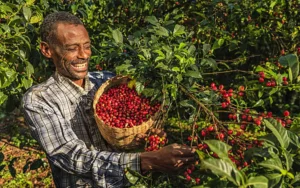
New coffees at the roastery: Kenya Inoi Kaguyu and Ethiopia Kurume Natural
Two new specialty coffees from Africa: fruity Kenya Inoi Kaguyu and floral Ethiopia Kurume Natural.
Oct

Coffee as a Christmas gift: which one to choose? 2026 guide
Coffee as a Christmas gift: how to match it to the person and their brewing
Oct

What Is the Best Water for Filter Coffee? How It Affects Flavour
See how bicarbonates affect the flavour of filter coffee, how pH differs from alkalinity and
Oct

TDS in coffee: what it means and how to measure it
TDS in coffee shows the concentration of dissolved solids in the brew. Learn how to
Oct

Syrenka restaurant in Kołobrzeg: Polish home cooking
Syrenka restaurant in Kołobrzeg: address, opening hours, what to eat and what lunch costs. Plus
Oct

Swiss Water vs Mountain Water: comparing our two decaf coffees
Mexico El Tucan Decaf (Mountain Water) and Colombia Excelso Medellin Decaf (Swiss Water): how the
Oct

Espresso ratio: what does a 1:2 ratio mean?
What is the espresso ratio? We explain what a 1:2 ratio means, how to calculate
Oct

Espresso dose: how 18, 20 and 22 g change taste and extraction
18, 20 or 22 g of coffee for espresso? See what the SCA says, what
Oct
