

Ethiopia is the birthplace of coffee and one of the most important countries in the specialty world. It is where you find the most complex and aromatic flavour profiles, running from citrus through floral notes to tea. Ethiopian coffees are often the most refined, and at the same time the most recognisable, for anyone who wants to taste the full range of what coffee can do.
| Country | Ethiopia |
| Regions | Yirgacheffe, Sidamo, Guji |
| Altitude | 1,500-2,200 m a.s.l. |
| Process | Washed, natural |
| Profile | Citrus, floral, tea |
What sets Ethiopian coffees apart?
Ethiopian coffees are among the most complex and aromatic in the world. They combine high but very elegant acidity with an unusually wide range of aromas. Depending on the region and processing method, you might find notes of citrus, jasmine, tea, even berries.
Ethiopia is often the coffee that shows just how much coffee can resemble other drinks: more tea-like, light and delicate, yet still intense in aroma.
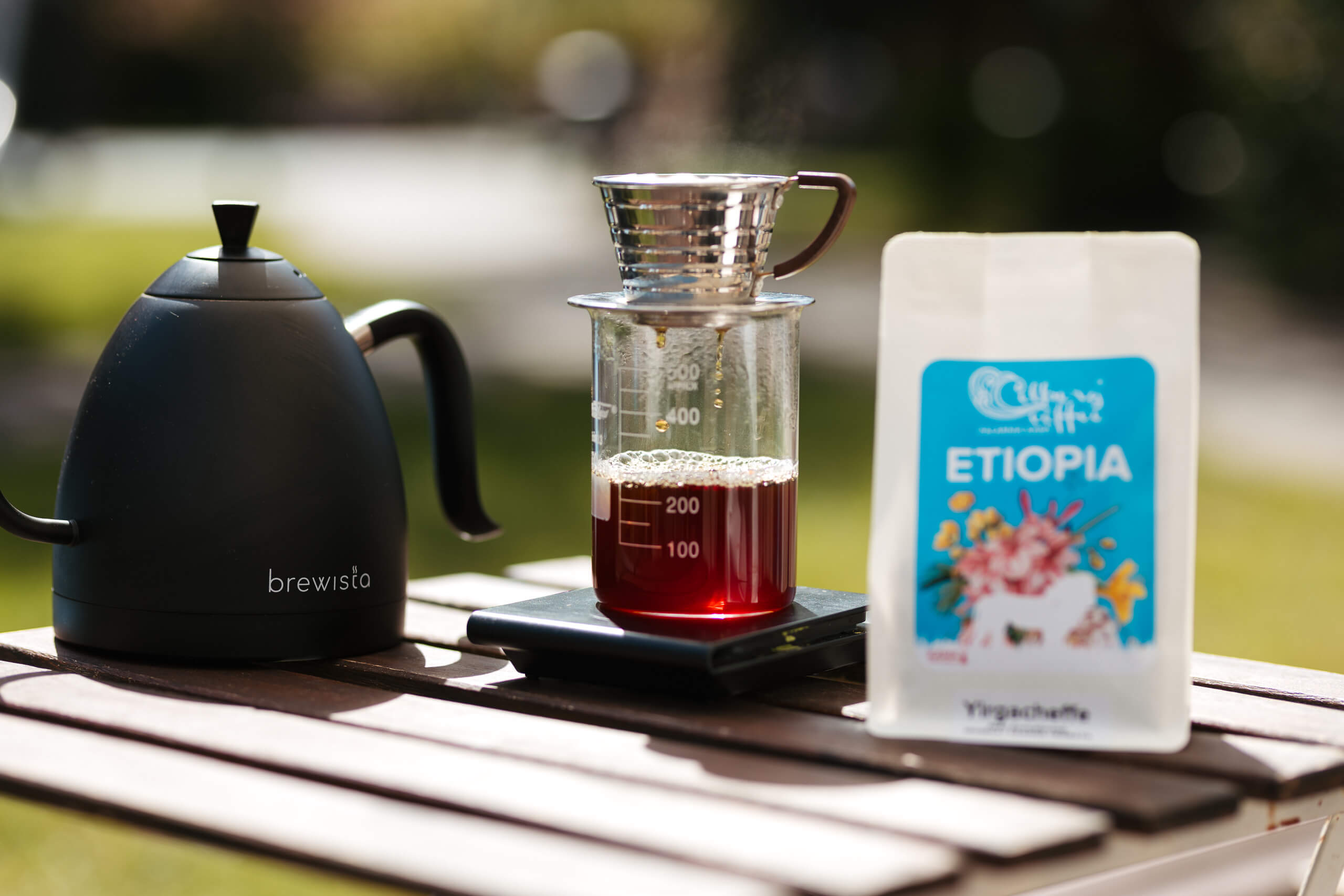
How do growing conditions in Ethiopia shape the flavour?
Ethiopia grows coffee at very high altitude, with huge variation in microclimate. Altitude often exceeds 1,800 m a.s.l., which means the cherries ripen very slowly and the flavours become highly concentrated.
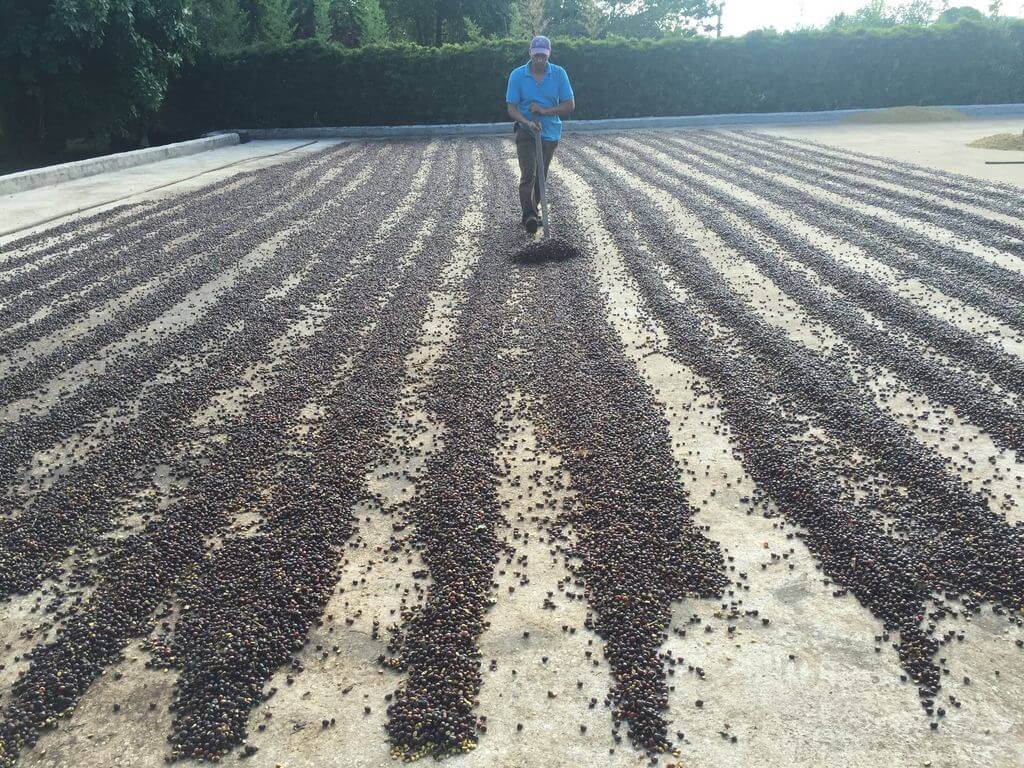
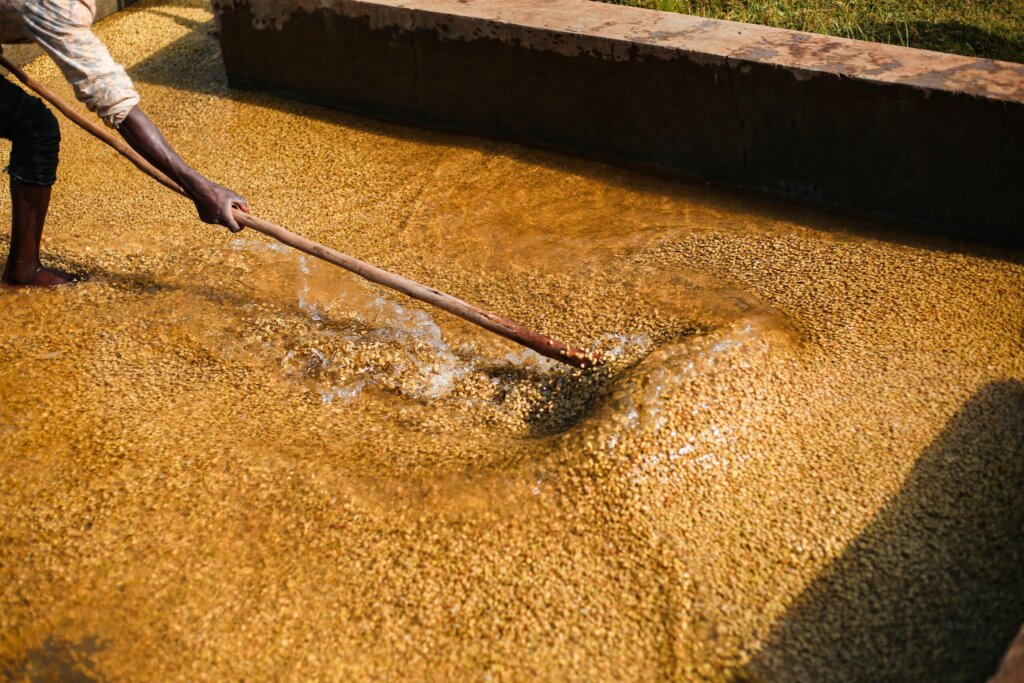
Washed vs natural: Ethiopia’s two faces
Ethiopia shows the difference between processing methods more clearly than almost anywhere else. Washed coffees are cleaner, more citrusy and tea-like, with real elegance. Natural processing, on the other hand, gives more fruit-forward profiles, often with berry notes, greater sweetness and more intensity.
That means you can find completely different flavour experiences within a single country.
Examples of Ethiopian coffee: our picks
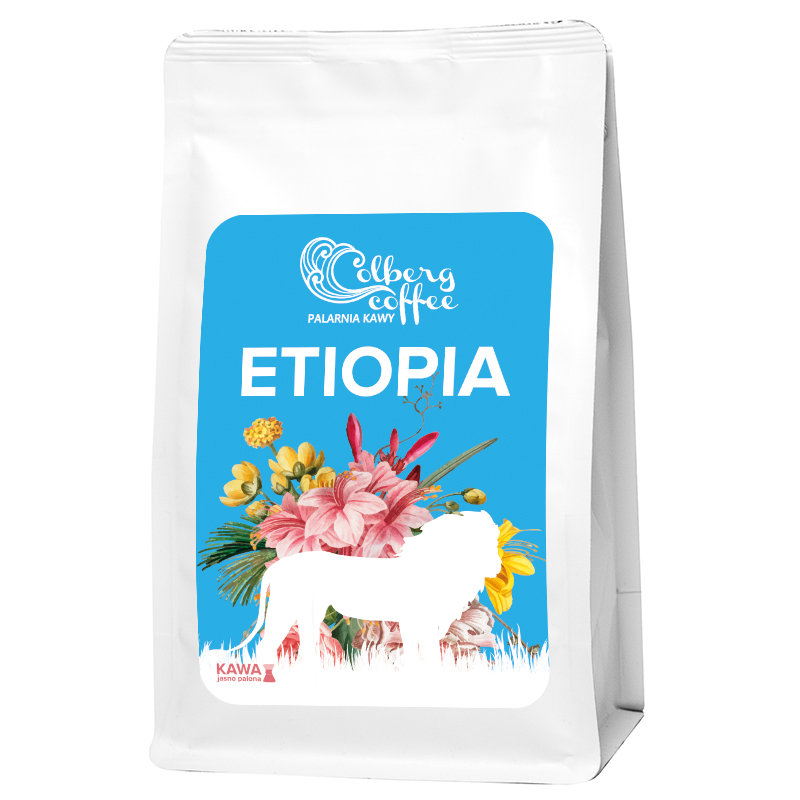
The Ethiopian coffees in our range show off the country’s diversity very well. Depending on the specific coffee, you will find both lighter, more citrusy profiles and intensely fruity ones.
These coffees are some of the best examples of what specialty coffee really means: clarity, aroma and a distinct character. For a lot of people, Ethiopia is the first time coffee starts to taste like something more than just coffee.
Who is Ethiopian coffee a good match for?
This is a coffee for anyone who wants to explore more complex, more aromatic profiles. If you enjoy light, tea-like brews, or intensely fruity coffees, Ethiopia will be one of the best choices you can make.
| Region | Characteristics | Flavour profile |
|---|---|---|
| Yirgacheffe | The best-known region | Floral, citrus, tea |
| Sidamo | More balanced profiles | Citrus, fruit |
| Guji | Modern farms | Fruit, sweetness |
Ethiopian coffee in short
Ethiopian coffees are some of the most aromatic and complex beans in the world. High quality, diversity and distinctive flavour profiles make them a cornerstone of the specialty coffee world.
FAQ: Ethiopian coffee
What does Ethiopian coffee taste like?
Ethiopian coffees are very aromatic and complex. You will typically find notes of citrus, flowers, tea and fruit.
Is Ethiopian coffee acidic?
Yes, but it is an elegant, light acidity that gives the coffee freshness and character rather than dominating the cup.
What is the difference between washed and natural Ethiopian coffee?
Washed Ethiopian coffee is cleaner and more citrusy, while natural gives more fruit, sweetness and intensity.
Why is Ethiopian coffee so aromatic?
It comes down to high-altitude growing, wild coffee varieties and conditions that favour a very wide range of aromas.
Who is Ethiopian coffee best suited to?
Anyone who wants to explore more aromatic, light and complex specialty coffee profiles.
