

Terroir is a term from French that describes the set of geographical, climatic and soil factors that have a key influence on the quality and flavour of an agricultural product such as coffee. In coffee, terroir is not only the land and natural conditions but also the growing tradition, the culture of the people and the way they work on the farms. Together these shape the particular flavour and aroma of the beans, so every cup of coffee is the result of nature and people working together.
Factors that shape coffee terroir
Altitude
The altitude at which coffee is grown has a significant effect on its flavour profile and quality. Higher altitudes have cooler temperatures, which slow down the ripening of the coffee cherries. The longer ripening time lets the beans develop more complex chemical compounds, which translates into richer and more refined flavours.
Low altitudes (600-900 m a.s.l.)
Coffees from these altitudes usually have a more neutral flavour profile, with lower acidity and more delicate aromas. The beans ripen faster because of the higher temperatures, which limits their flavour complexity.
Medium altitudes (900-1,500 m a.s.l.)
At these altitudes the beans start to develop more complex aromatic profiles. Coffees from this range often have light acidity, fruity notes and a more balanced flavour.
High altitudes (1,500 m a.s.l. and above)
Coffees grown at high altitudes have pronounced acidity and complex flavour notes such as citrus, floral or berry. Harsh climatic conditions, including cooler nights and large differences in temperature between day and night, favour the concentration of sugars in the cherries. In addition, difficult growing conditions in the highlands require more care at every stage of production, which often translates into higher bean quality.
Higher altitudes not only affect the flavour of the coffee but also require more intensive farming work. As a result, highland coffees are often valued for their distinctiveness and refined character.
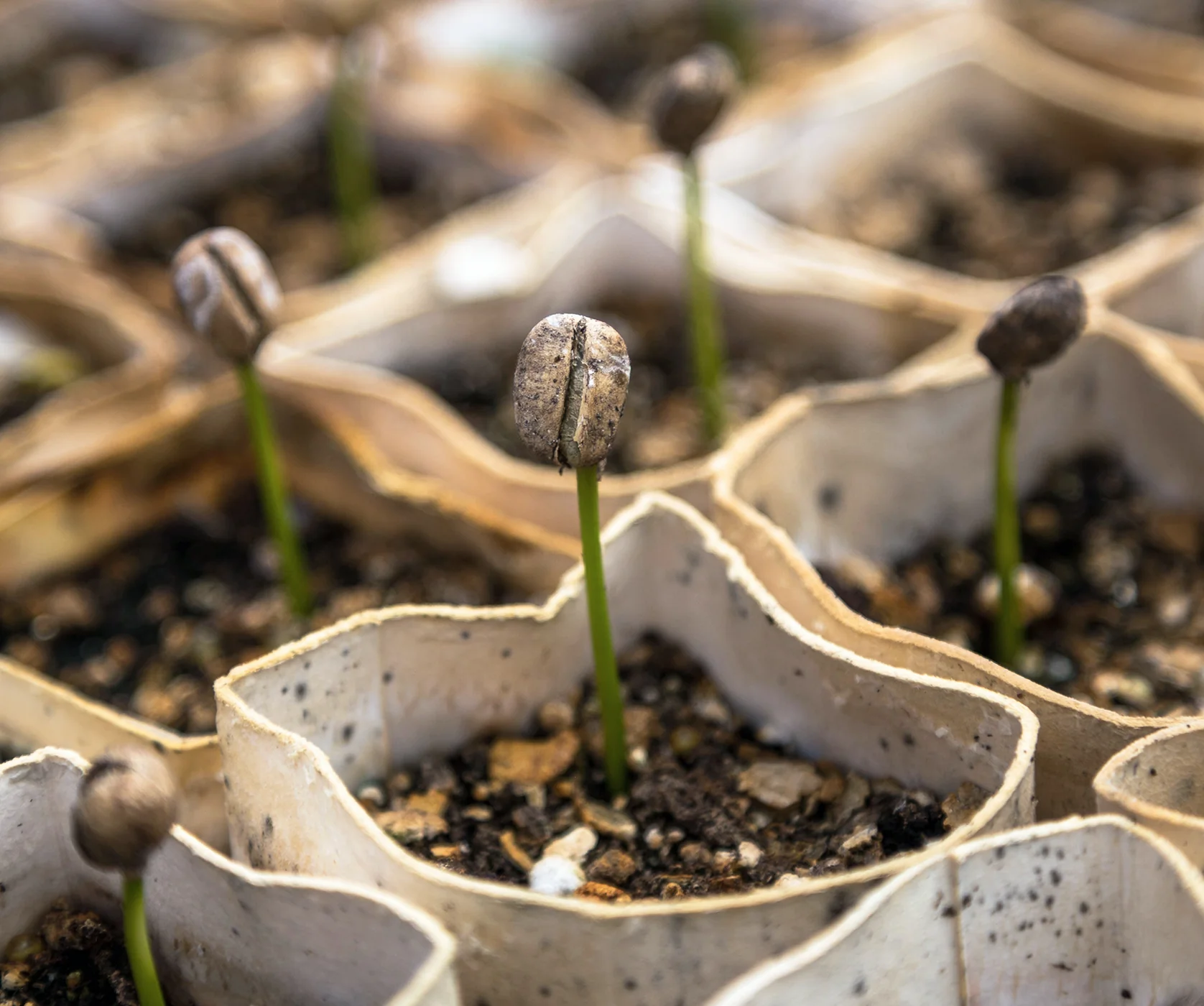
Soil as the foundation of coffee terroir
Soil plays a key role in shaping coffee terroir, the set of environmental factors that influence its flavour profile. Volcanic soils in regions such as Ethiopia and Costa Rica are rich in minerals, which supports the growth of coffee plants and can influence the complexity of the beans’ flavour. Soil should drain well while holding the right level of moisture, which gives plants the best conditions for growth. The chemical composition of the soil, including nitrogen, phosphorus and potassium content, matters a great deal for the health of the coffee plants and the quality of the cherries.
In Brazil the soils, often clay-rich and high in iron, support plant growth, but the minerals themselves do not translate directly into specific flavour notes such as chocolate or nuts. Those profiles are the result of a complex interaction of factors such as variety genetics (e.g. Bourbon, Catuai), climate, altitude and processing methods (e.g. natural process). Iron-rich soils can, however, support healthy plant growth, which indirectly affects cherry quality.
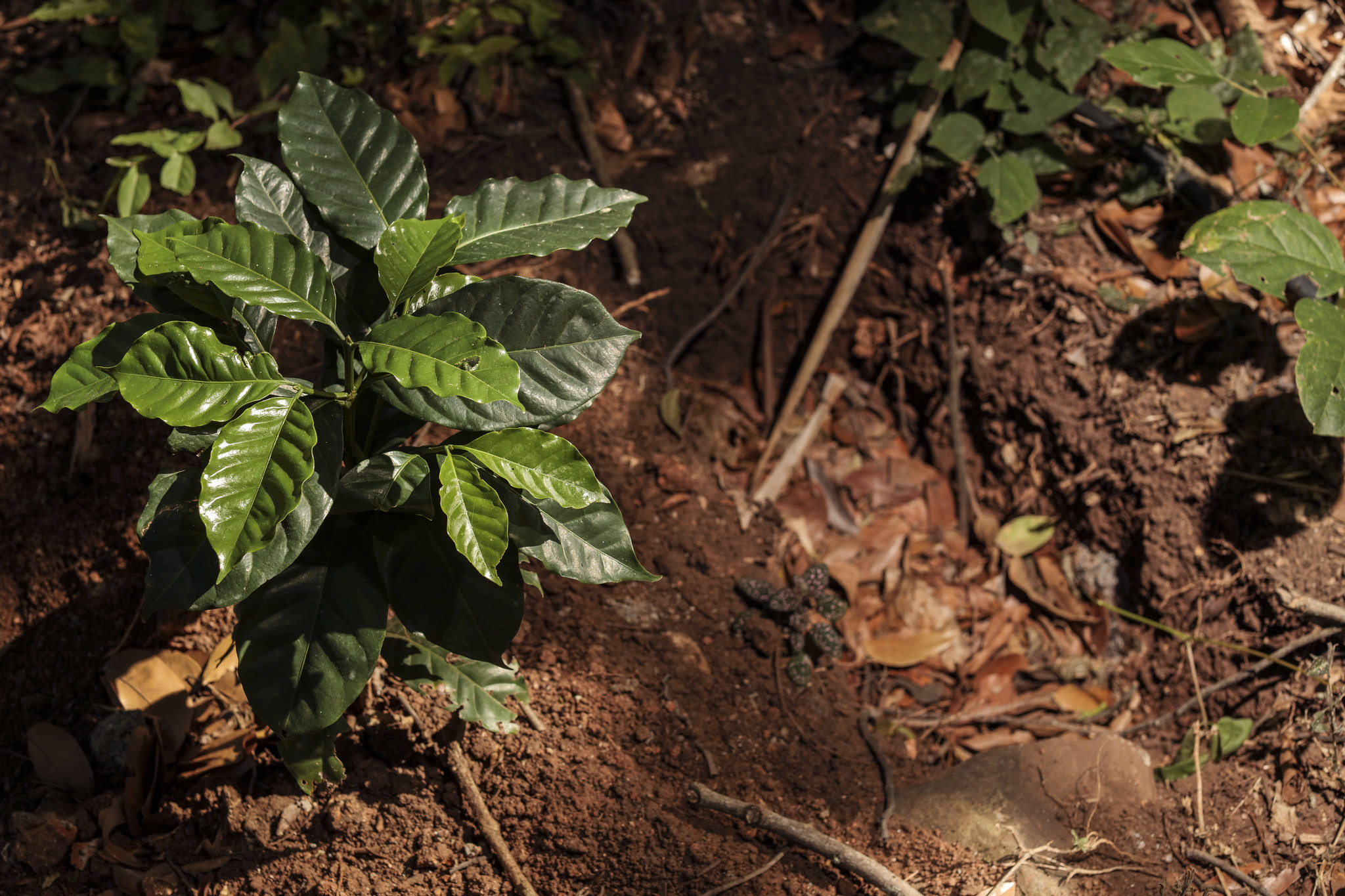
In Kenya, volcanic soils in regions such as Nyeri and Kirinyaga are especially rich in minerals, which supports the production of coffees with intense fruity and citrus flavour profiles. Clay or sandy soils found in other regions, on the other hand, can contribute to the more subtle flavours that connoisseurs appreciate.
Microorganisms in the soil are another important aspect. They play a key role in plant nutrition, helping the plants take up minerals, which can affect the variety and complexity of coffee flavour profiles. The influence of soil on the taste of coffee is therefore indirect, and its importance has to be looked at in the context of the whole ecosystem of the farm.
Climate and microclimate are part of terroir
Climate is one of the most important factors shaping coffee terroir. The optimal temperature for coffee plants is between 13°C and 30°C, which allows them to develop properly and produce high-quality cherries. In regions with intense sunshine, such as some parts of Africa, farmers use shading with trees or nets to limit heat stress, which could harm the plants and the quality of the beans.
In humid regions such as Vietnam or India, farmers often put in drainage systems such as channels and ditches to prevent excess water, which can lead to root rot and fungal diseases. Regular rainfall is key for steady plant growth and proper ripening of the cherries, but how it is spread over time matters a great deal. Periodic dry spells can contribute to the concentration of sugars in the coffee cherries, which affects the intensity and complexity of the beans’ flavour profile.
Microclimate, meaning the specific environmental conditions at a local level, also plays an important role. Sun exposure, altitude, air humidity and airflow can significantly change how the plant grows, ripens and develops its fruit. High-altitude regions with cooler nights and warm days, like those in Central America, favour slower ripening of the cherries, which can increase the flavour complexity of the coffee.
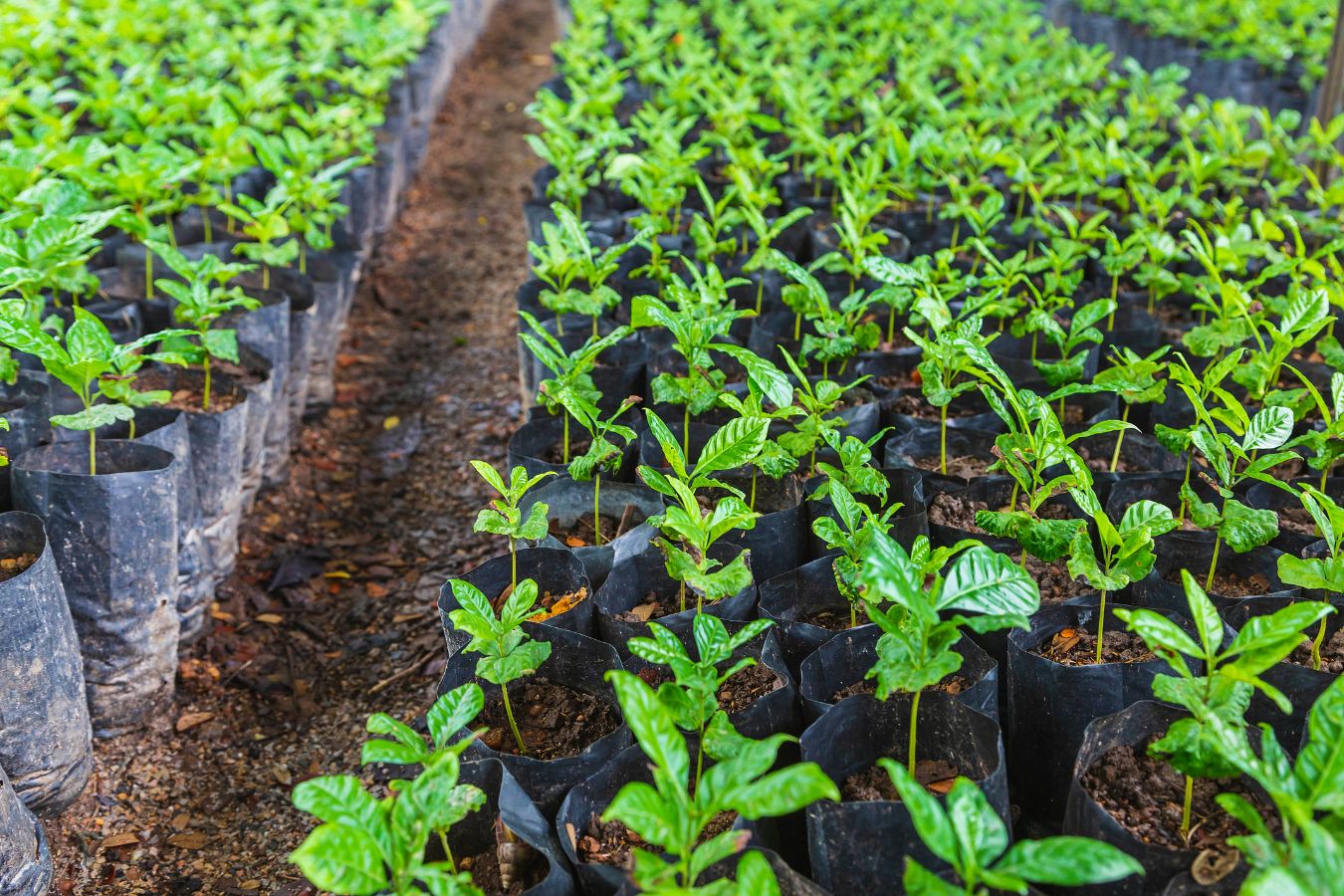
Coffee flavour and growing regions: examples of terroir
Africa
Africa is the birthplace of coffee. Beans from this continent are known for bright acidity and fruity and floral notes.
-
Ethiopia: Ethiopian coffee offers subtle floral, citrus and tea-like notes. Centuries of growing tradition and hand processing give Ethiopian coffees their distinctive character.
-
Kenya: Intense aromas of blackcurrant, tomato and citrus make Kenyan coffee valued all over the world.
-
Burundi: Coffee from Burundi stands out with bright acidity and citrus and berry notes. Volcanic soils and high-altitude farms (above 1,500 m a.s.l.) favour complex and elegant flavour profiles.
Central and South America
This region offers a wide range of flavour profiles, from sweet and chocolatey to refreshing fruity notes.
-
Brazil: Brazilian coffee stands out with low acidity and notes of nuts and chocolate. Lowland plantations dominate here, where coffee ripens faster.
-
Colombia: Balanced acidity, delicate notes of caramel and tropical fruit. There are two harvests a year, which keeps fresh beans available throughout the season.
-
Mexico: In southern regions such as Chiapas and Oaxaca, coffee stands out with notes of chocolate, spice and citrus. Higher altitudes favour complex flavour profiles, which washed processing brings forward.
Asia
Beans from Asia are known for deep, earthy flavours.
-
India: Spicy, earthy notes with low acidity. Practices typical of the region, such as shade-grown coffee and selective hand picking, support the production of coffees with rich body and subtle spicy accents.
-
Vietnam: Intense Robusta beans with chocolatey and bitter aromas. The region specialises in mass production but increasingly offers specialty coffee as well.
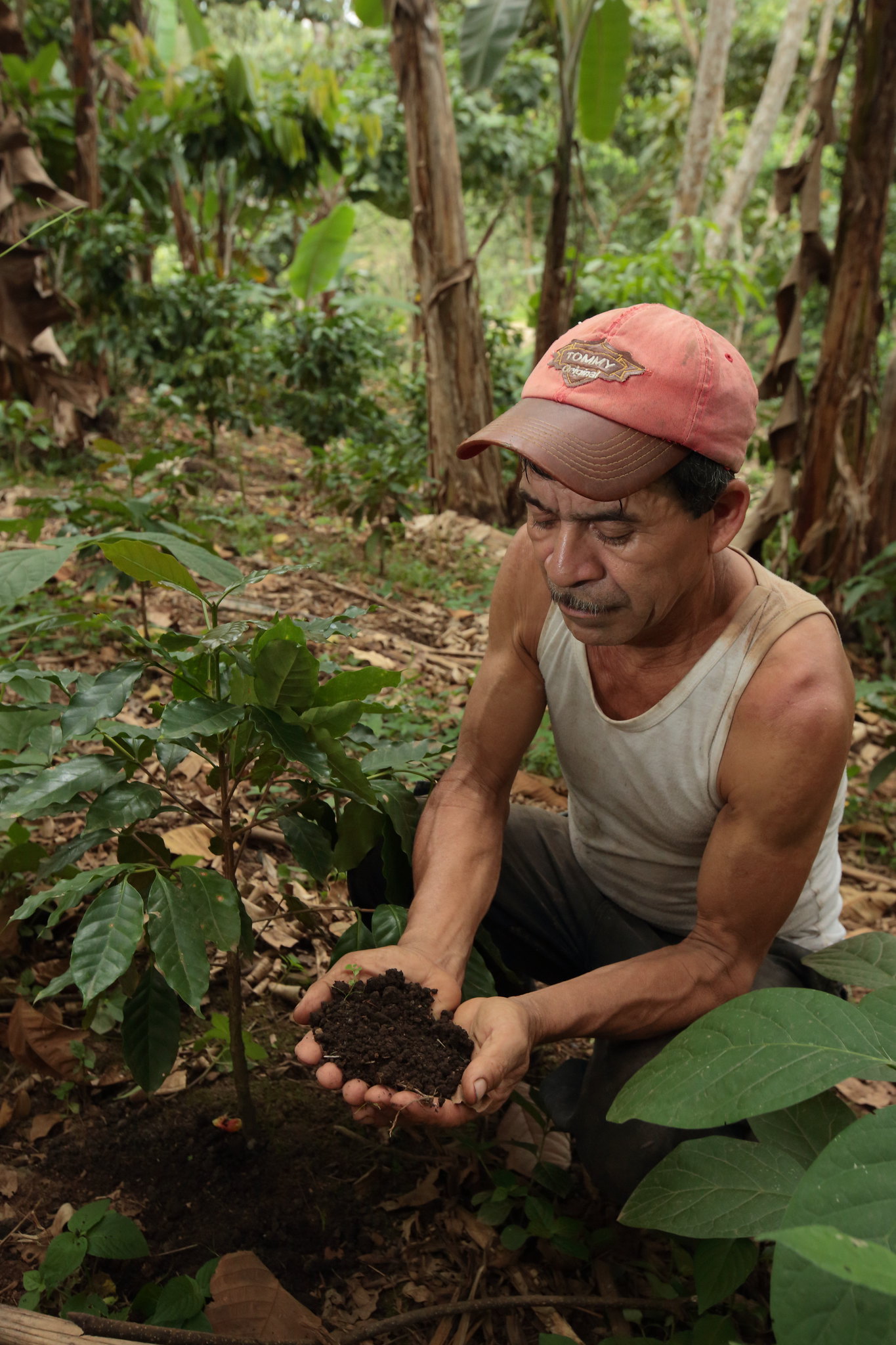
Terroir is also culture
Coffee is not only soil and climate but also the people who grow it. Centuries of coffee-growing tradition, care for the farms and knowledge passed down from generation to generation make terroir an inseparable part of every cup. The working methods and culture of coffee-producing regions give coffee its own character, and knowing these factors helps you appreciate every cup more. In Ethiopia, for example, the coffee ceremony is not just a tasting but a deeply rooted tradition.
