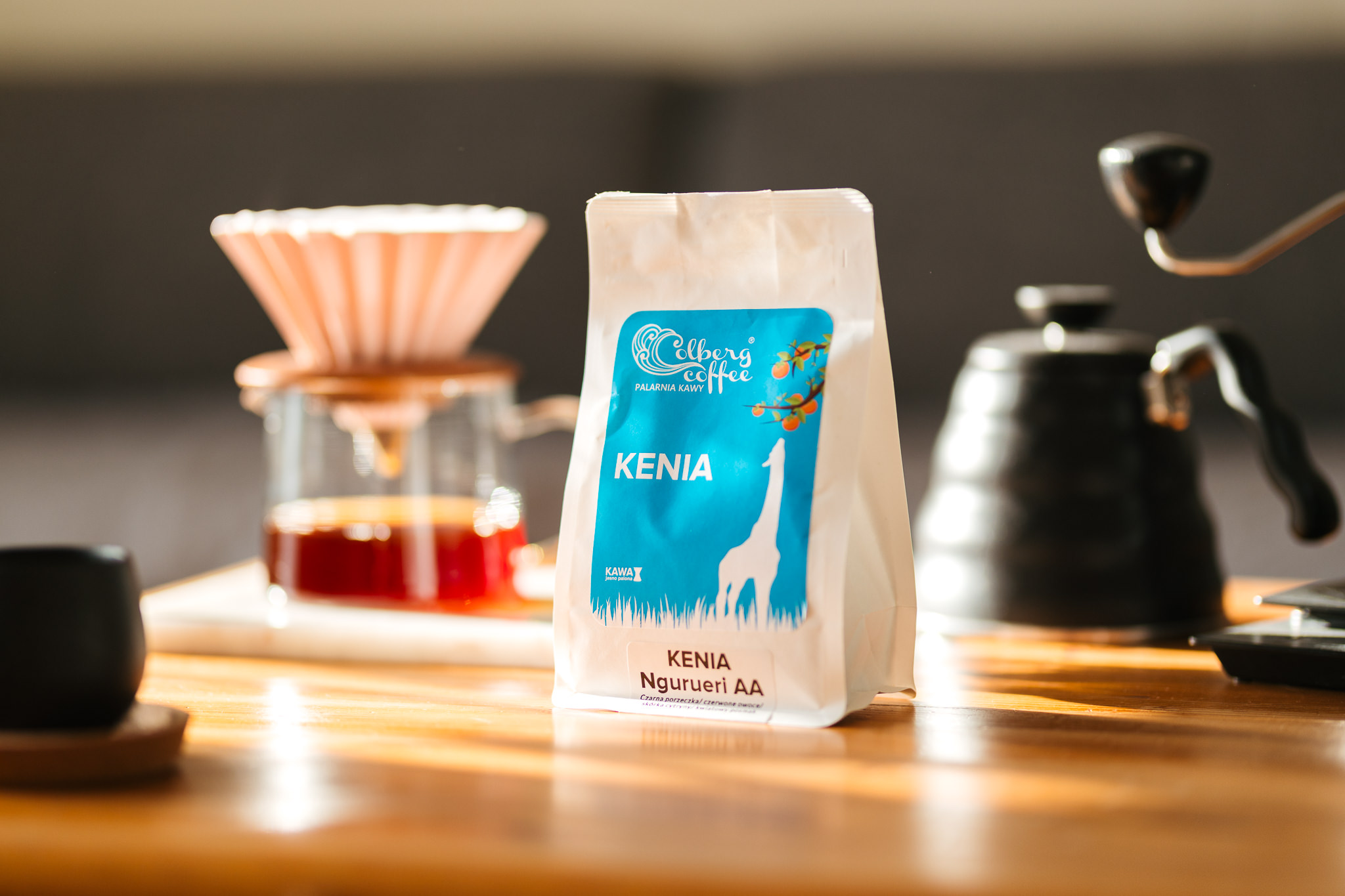

A coffee flavour profile, or more precisely a sensory profile, is a description of the taste, aroma and texture that give a brew its character. What you notice while drinking is the result of everything the bean has been through: how it was grown, how it was processed and how it was roasted. Do not confuse it with flavoured coffee, which has flavourings added to it. A natural flavour profile comes from the bean alone and from the processes it goes through before it reaches your cup.
Roasteries working with specialty coffee usually print the flavour profile on the bag, which makes choosing a coffee a good deal easier.
Coffee without flavourings
Flavoured coffees are easy enough to find, tempting you with vanilla or cherry, but they play a marginal role in high quality coffee. When we talk about a sensory profile we mean the natural aromas that develop as the beans roast. That is where the range of chocolate, fruit and spice notes comes from. They are the product of complex chemistry inside the bean, and the results are impressive and entirely natural.
Does flavoured coffee exist in specialty?
The flavoured coffee you have probably met, roasted beans tumbled with aromatic oils, is not accepted in specialty coffee grading. A newer approach to flavouring has appeared, though, using barrels that once held spirits, known as barrel aged coffee. These coffees take on clear notes from whatever was in the barrel before. Unlike coffee dosed with oils, the beans go into the barrel green, before roasting.
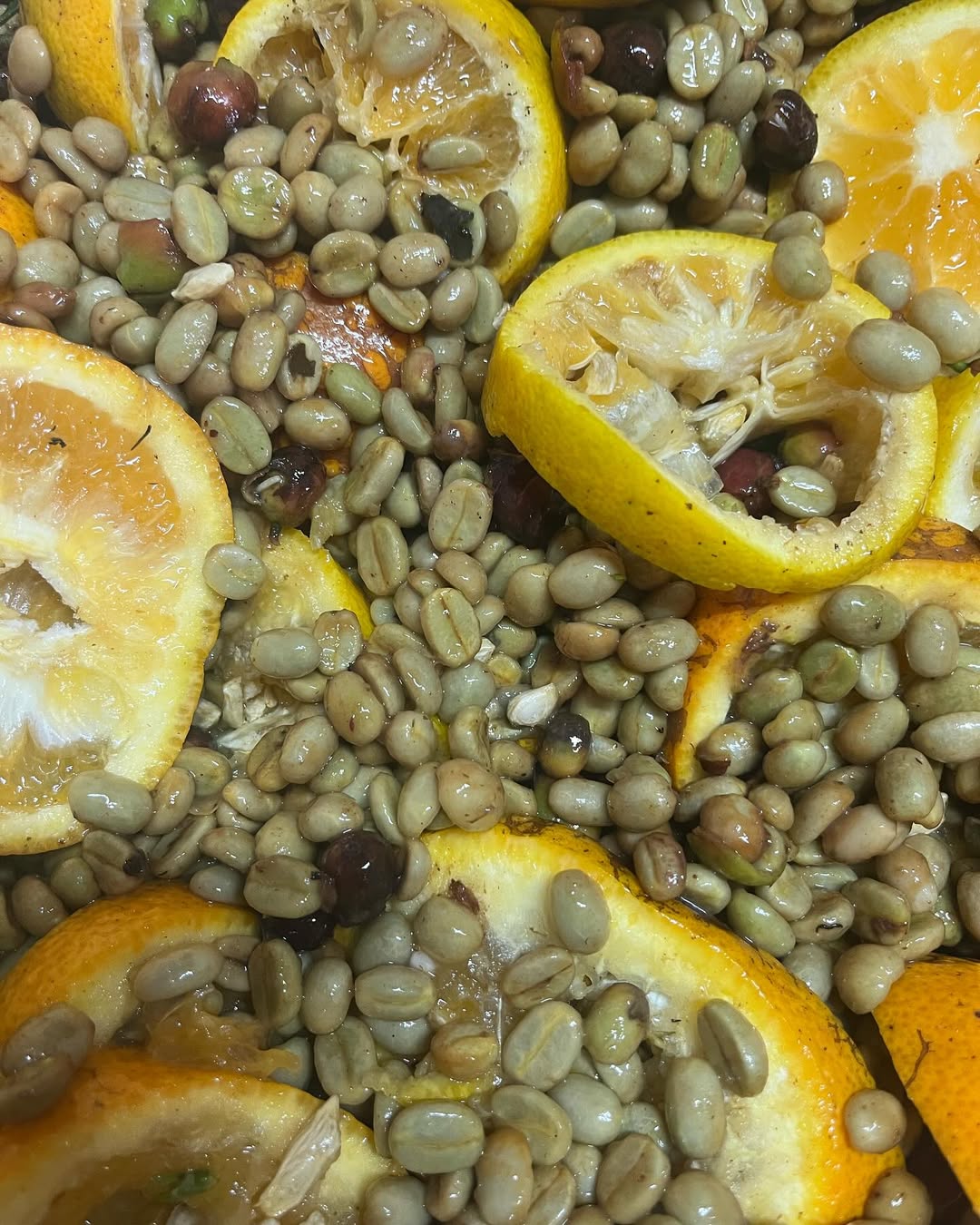
The other modern route is infusion (infused coffee), done at the farm straight after harvest with fruit or cinnamon. Green beans that have been through an initial washed process go into barrels with those additions, where they ferment and pick up new characteristics. Coffee treated this way should be labelled as such, with the infusion noted in the processing details. The end result really is interesting, and it genuinely tastes of whatever the coffee was infused with. The practice is still rare, but you can meet it at events such as the Warsaw Coffee Festival in Poland, where roasteries show off what is new in coffee.
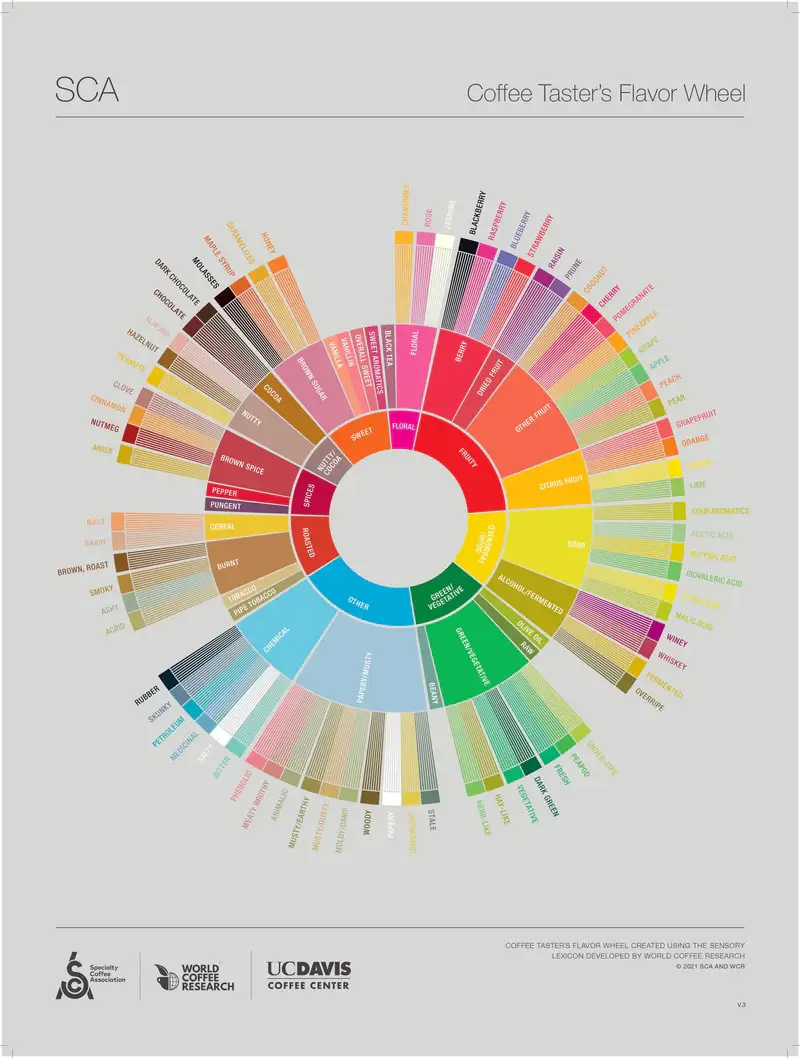
Describing a coffee sensory profile
Every coffee tells its story through smell and taste, and it tells it in stages. You get the most aroma right after opening the bag and right after grinding, when the coffee gives up its natural aromatic oils. Once it is brewed, pay attention to the first thing you taste. Coffee changes as it cools, so try it hot and keep tasting as the temperature drops. That is how you catch the detail hiding in the cup.
Acidity, sweetness and bitterness are the pillars of a sensory profile. In balance they make a harmonious cup, but any one of them can take the lead and give the coffee its own character. Body is worth attention too, meaning how the coffee feels in the mouth. It can be light and delicate, closer to tea, or full and creamy, like a denser drink altogether.
Then there is the aftertaste, what stays in your mouth once you have swallowed. It can be short and fleeting or intense and long, with flavours that keep developing. Plenty of people value coffees that give them something new with every sip.
Read next: Specialty coffee CVA: a new approach to grading
How to pick out the notes in a coffee
Reading a flavour profile takes the right conditions and the right approach. Freshly roasted beans should be ground immediately before brewing, which keeps the most aroma. Taste somewhere quiet, without strong smells in the background to throw you off. Leave out milk and sugar so you get the coffee as it is.
Cupping is a good way into a coffee: you pour hot water over the grounds and taste the brew off a spoon. With pour-over methods such as a dripper the flavour can be even more distinct, which makes the individual notes easier to pin down. It also helps to connect what you taste to smells and foods you already know, whether fruit, spice or chocolate.
Where does the flavour of coffee come from?
What ends up in the cup is the work of a lot of people and a lot of processes. Flavour depends largely on the species and variety, on terroir, on the growing region and on the processing method. Arabica brings higher acidity and delicate fruit notes, while robusta gives heavier, more bitter flavours. The roast matters just as much, because its intensity sets the balance between acidity, sweetness and bitterness. A lighter roast brings out subtle fruit notes, a darker one pulls out intense roasted aromas. And back to where we started: origin is usually the parameter people actually shop by. Buy a Brazil and you expect sweeter, gentler beans; reach for an Ethiopia or a Tanzania and you know the flavour will be more complex, with higher acidity.
Every cup is a balance between what nature provides and what people do with it, and the final flavour depends on a long list of factors. Reading the sensory profile is how you appreciate that work and understand what makes coffee such a particular drink. If you want to explore how much it varies, there is plenty left to find.