

Freshness has a huge effect on how coffee tastes and smells. Plenty of coffee drinkers wonder how long beans hold their best qualities after roasting, and how to store them to keep that flavour as long as possible. Here’s what affects coffee freshness, how long you can keep it, and the best ways to protect its quality.
Why does coffee freshness matter?
Coffee freshness is its original flavour and aroma, and both change over time. Straight after roasting, beans hold a lot of carbon dioxide (CO2), which gradually escapes. That affects the quality of the crema in espresso and the intensity of the flavour. As time goes on, though, coffee loses its aromas and becomes less distinct.
Read next: Why does freshly roasted coffee taste better?
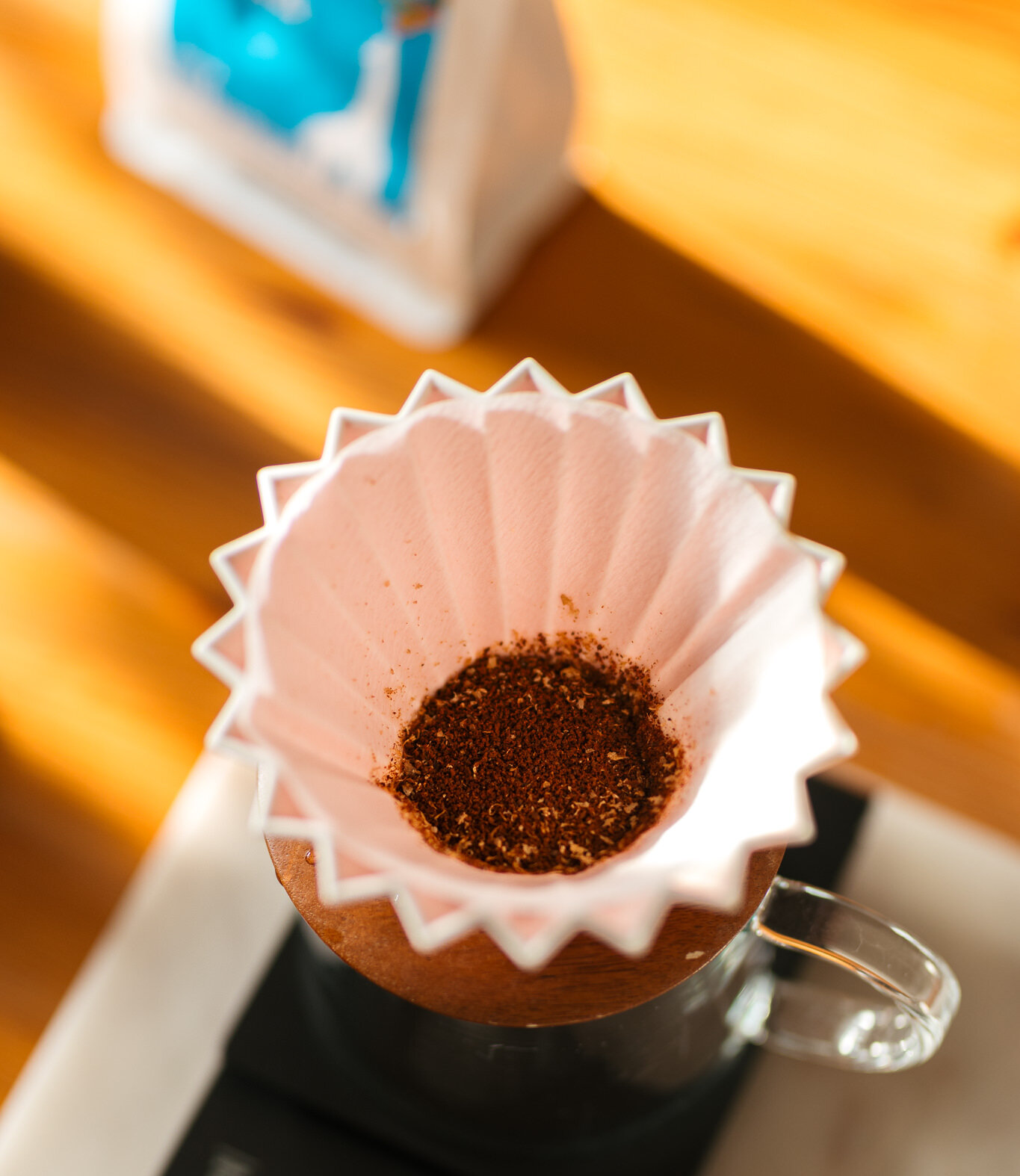
How long does coffee stay fresh after roasting?
Freshness is a key factor in how coffee tastes and smells, but the best window for brewing depends on the roast level and the method. Here’s what that optimal window looks like for different coffees.
Light and medium roasts (for filter and alternative methods)
👉 Best drunk within 6 weeks of roasting
- The first 7 days: the coffee degasses heavily, which can make extraction trickier. Some methods (V60, for instance) can give a less distinct cup.
- Days 7 to 14: the sweet spot for pour-over methods such as V60, Chemex, Kalita or AeroPress. The flavour becomes more stable and clear.
- Weeks 2 to 6: the coffee is still aromatic and well balanced. This is when you get the full range of its flavours, especially fruit and floral notes.
- After 6 weeks: the coffee starts losing its most volatile aromas, but it’s still fine to drink, particularly if it was kept in an airtight bag.
Espresso roasts (medium and dark)
👉 Best drunk between week 3 and week 18 after roasting
- The first 7 to 10 days: espresso can be unstable and over-gassy, which throws off extraction and produces too much crema.
- Weeks 3 to 4: the sweet spot for most espresso roasts. Flavours become balanced and extraction stabilises.
- Weeks 4 to 10: espresso keeps its full flavour, extracts well, and the coffee still has an intense aroma.
- Weeks 10 to 18: the coffee loses some volatile aromas but can still taste good, especially with proper storage. Italian roasters often recommend waiting a month before drinking espresso and say it can keep for four to five months.
What causes coffee to lose its freshness?
Coffee ageing is unavoidable, but you can slow it down by keeping away from the factors that speed up the loss of freshness. The main ones are:
-
Oxygen: oxidation is freshness enemy number one. Contact with air lets the aromas escape and the coffee loses its intensity.
-
Light: UV rays can speed up the breakdown of the beans, which is why coffee should be kept somewhere dark.
-
Moisture: high humidity can lead to mould and off flavours.
-
Temperature: storing coffee somewhere warm speeds up oxidation and the loss of aroma.
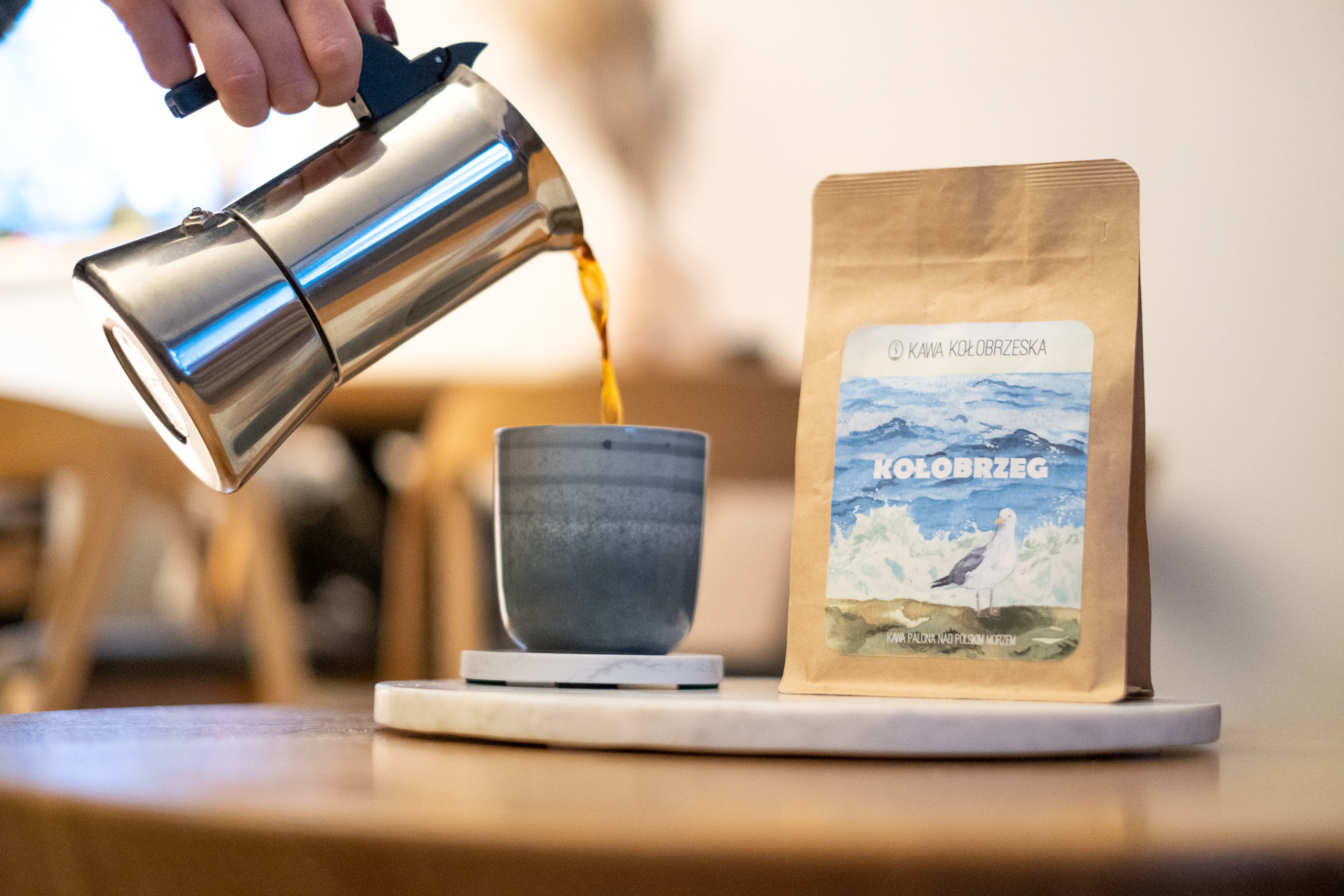
How to store coffee to keep it fresh
A few simple rules help coffee stay fresh for as long as possible.
Store it in an airtight bag
-
The best option is a bag with a one-way valve, which lets CO2 escape without letting oxygen in.
-
If the coffee comes in a foil pack, transfer it to an airtight container once it’s open.
Keep it away from light and moisture
-
Store coffee somewhere dark and dry, such as a kitchen cupboard away from a window.
-
Don’t keep coffee in the fridge. Moisture and temperature swings there can harm its quality.
Keep it as whole beans
-
It’s best to buy whole beans and grind just before brewing. Ground coffee loses freshness much faster, because it has far more surface area exposed to air.
Vacuum packs and nitrogen flushing
-
Some roasteries pack coffee under nitrogen, which extends its freshness considerably. Nitrogen is an inert gas that doesn’t react with the coffee.
How to tell coffee has lost its freshness
A few signs that coffee is no longer fresh:
-
No strong aroma: fresh coffee has a clear, pleasant smell that gradually fades.
-
Thin crema on espresso: with stale coffee, the crema will be thin or barely there.
-
Flat flavour: the coffee loses its complexity and can taste dull.
Can you extend coffee’s freshness?
You can’t stop coffee ageing altogether, but you can slow it down by following the storage rules above. On top of that:
-
Buy coffee in small amounts, so you always have fresh beans on hand.
-
Choose coffee with a roast date on the bag. That’s the only way to know how long it’s already been sitting on the shelf.
Coffee freshness: how not to lose the aroma and flavour
Freshness is the key to great flavour and aroma. To get the full experience, store coffee in an airtight bag, away from light, moisture and heat. Keep in mind that coffee holds its best quality for 4 to 6 weeks after roasting, so it’s worth planning your buying around always having fresh beans on hand. Enjoy your coffee! ☕
