

Acidity in coffee is one of the most misunderstood topics in the world of specialty coffee. For many people a sour taste automatically means low quality or a badly made brew. In reality it is very often acidity that gives the best beans their freshness, lightness and character.
In this post we explain what acidity in coffee is, when it is a good thing, when it is a problem, and how to choose and brew coffee deliberately so it tastes exactly the way you like.
What is acidity in coffee?
Acidity is a natural characteristic of coffee beans, mainly thanks to their high content of organic acids. It forms already at the growing and processing stage and then develops during roasting. It is thanks to acidity that we can pick up notes of citrus, apple, currant, grape and so on.
Well-balanced acidity makes coffee fresh, light and pleasant to drink. It does not dominate the rest of the flavour but works together with sweetness and aroma. In high-quality specialty coffees it is one of the elements that build their distinctive character.
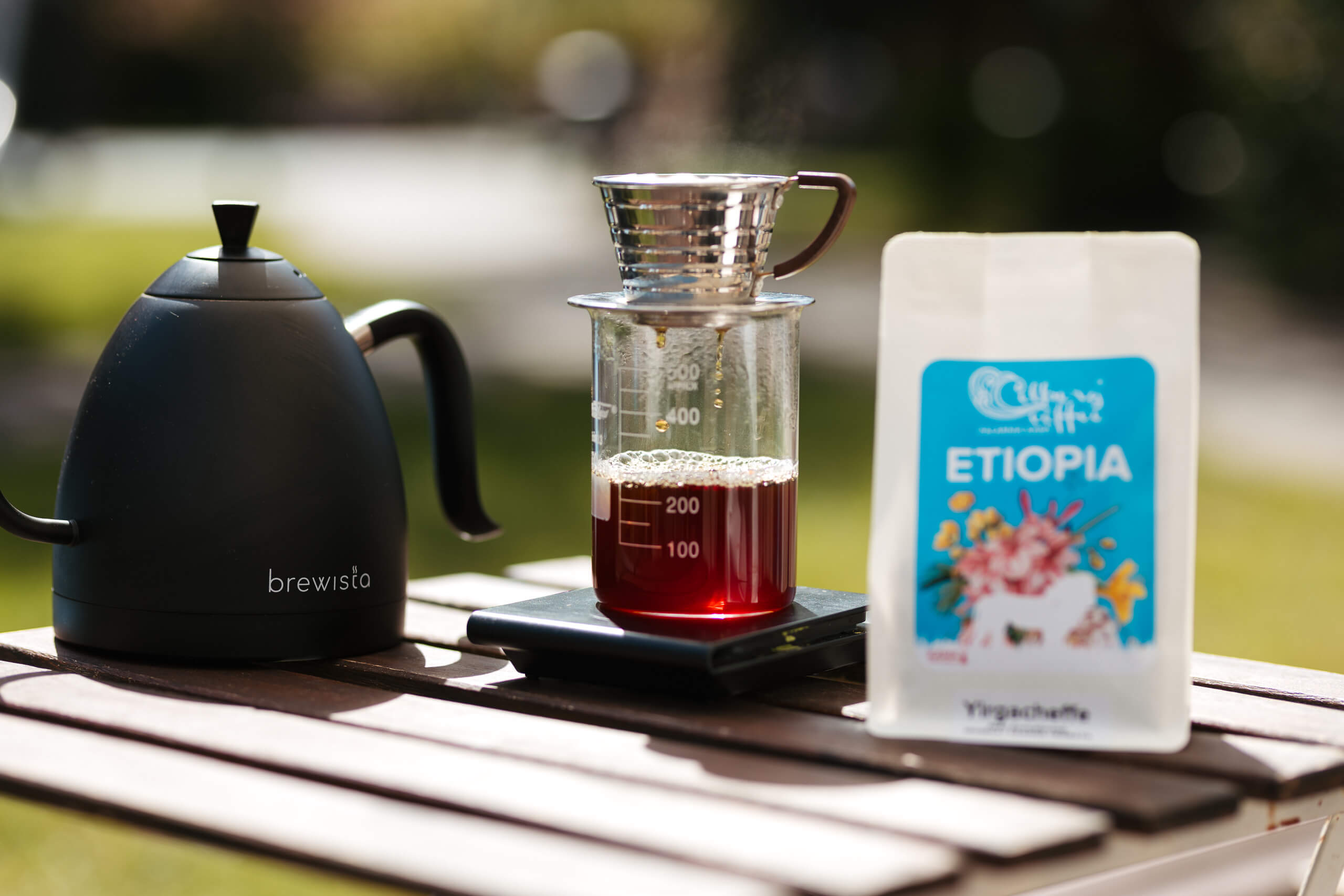
Good and bad acidity: how to tell them apart
Not all sourness in coffee means the same thing. This is a very important distinction, especially for people who are just starting to get into better coffee.
Good acidity is associated with fruit, fresh juice, wine and crispness. It is delicate, juicy and natural. It makes coffee feel lively and interesting, and its taste stays with you for a long time.
Bad acidity, on the other hand, is sharp, tiring and unpleasant. It is like raw lemon, vinegar or unripe fruit. That kind of taste stings the tongue and takes the pleasure out of drinking coffee. Most often it comes not from the quality of the beans but from brewing mistakes.
Why does coffee taste sour?
In most cases a sour taste is the result of incorrect extraction, meaning under-extraction. This happens when the brew has not drawn out the full flavour of the coffee.
The most common causes are a grind that is too coarse, a brew time that is too short, water that is too cool or the wrong coffee-to-water ratio. In that situation acids dominate the cup, and sweetness and depth are missing.
Sourness can also come from low-quality or stale beans. Industrial coffee that has been stored for a long time or stored badly very often gives an empty, unpleasant sour aftertaste that has nothing to do with specialty coffee.
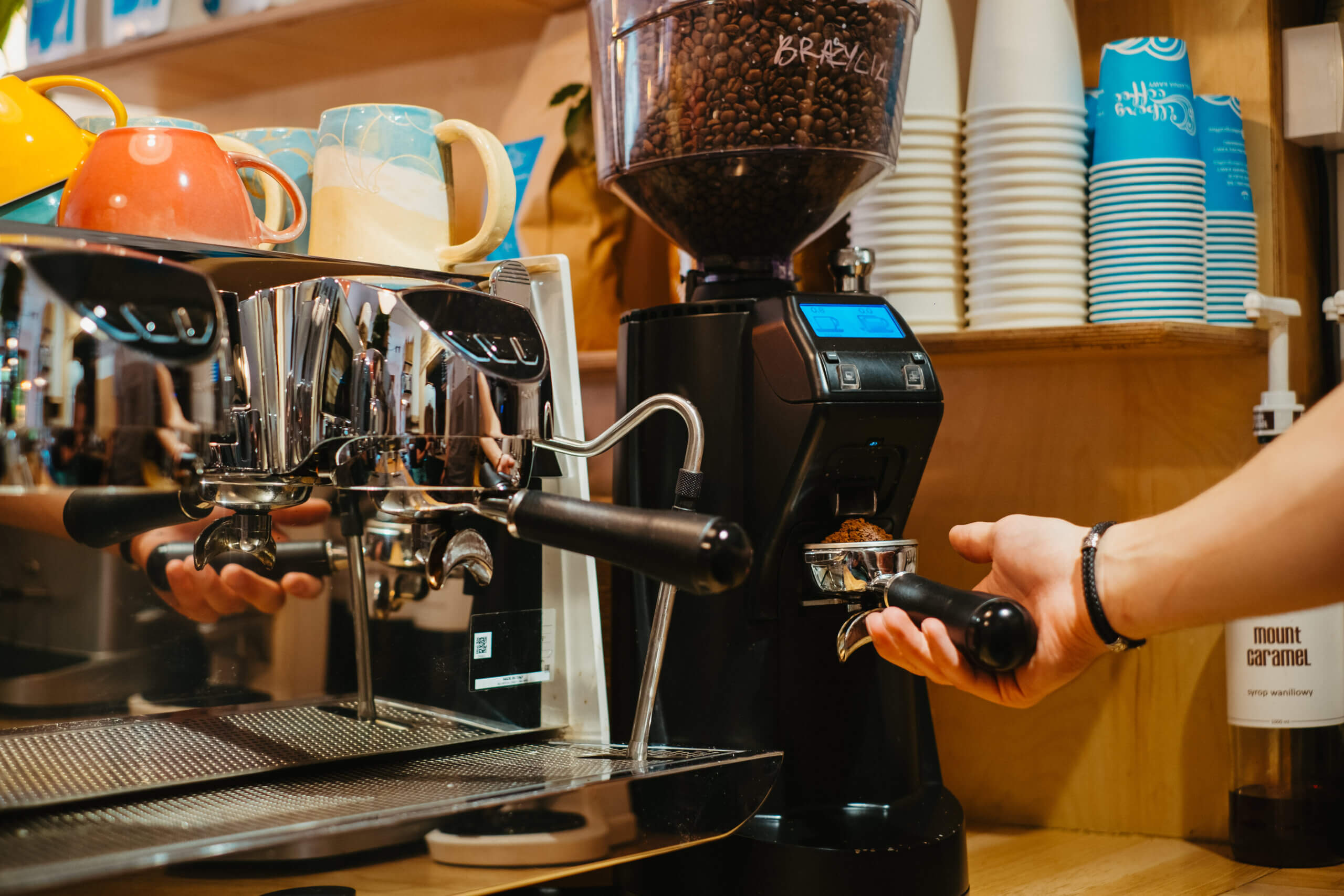
How does origin affect the flavour of coffee?
The growing region has a huge influence on a coffee’s flavour profile, including its level of acidity. This comes down to climate, altitude, soil and processing methods.
Coffees from Africa and, to a slightly lesser extent, Central America usually have higher, fruitier acidity. Ethiopia, Kenya and Rwanda are known for citrus, currant and winey notes.
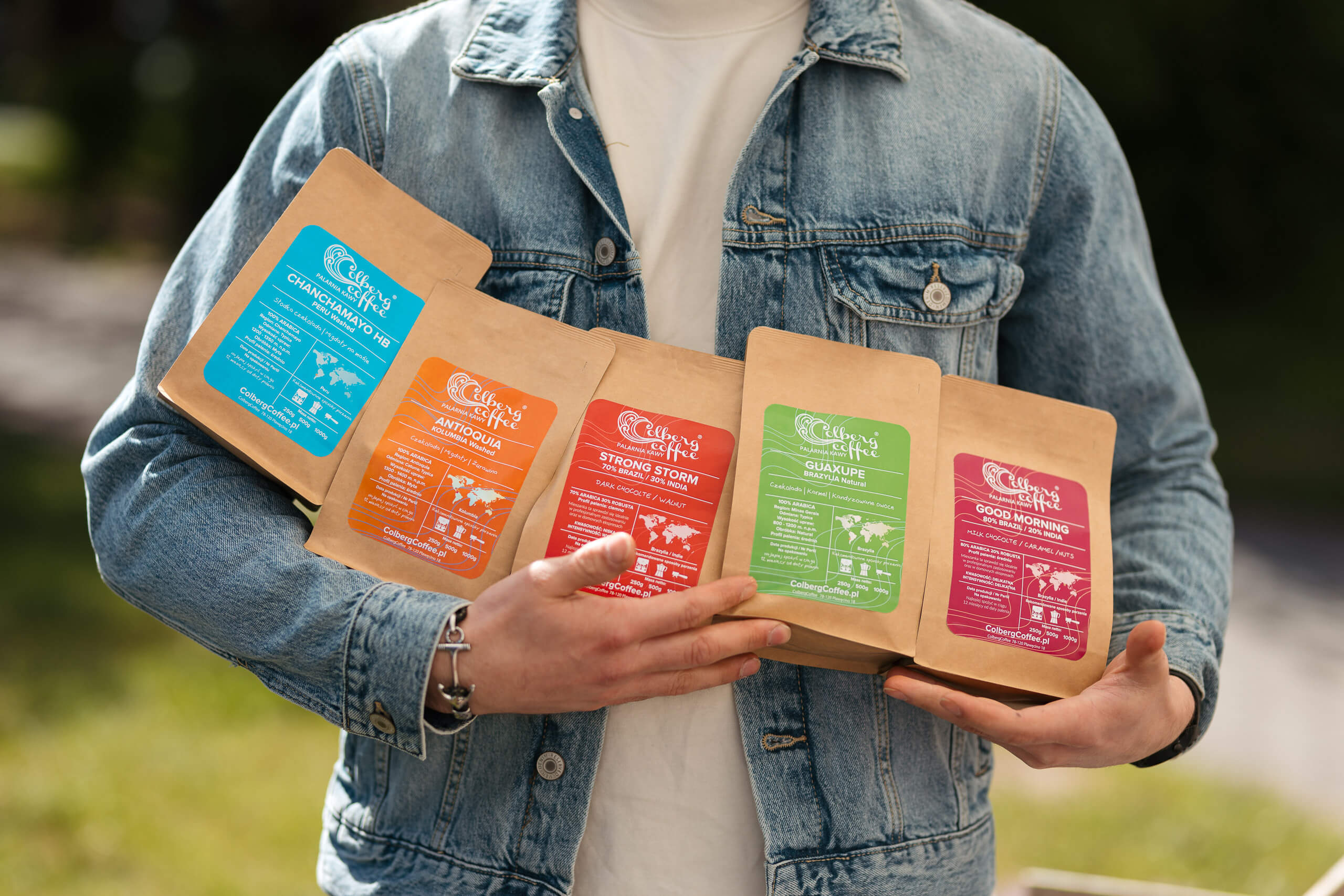
Coffees from Brazil, Peru, India or Indonesia, by contrast, are usually gentler, more chocolatey and nutty. They have lower acidity and a more classic character that suits many people who drink espresso and milk drinks.
How does coffee species affect acidity?
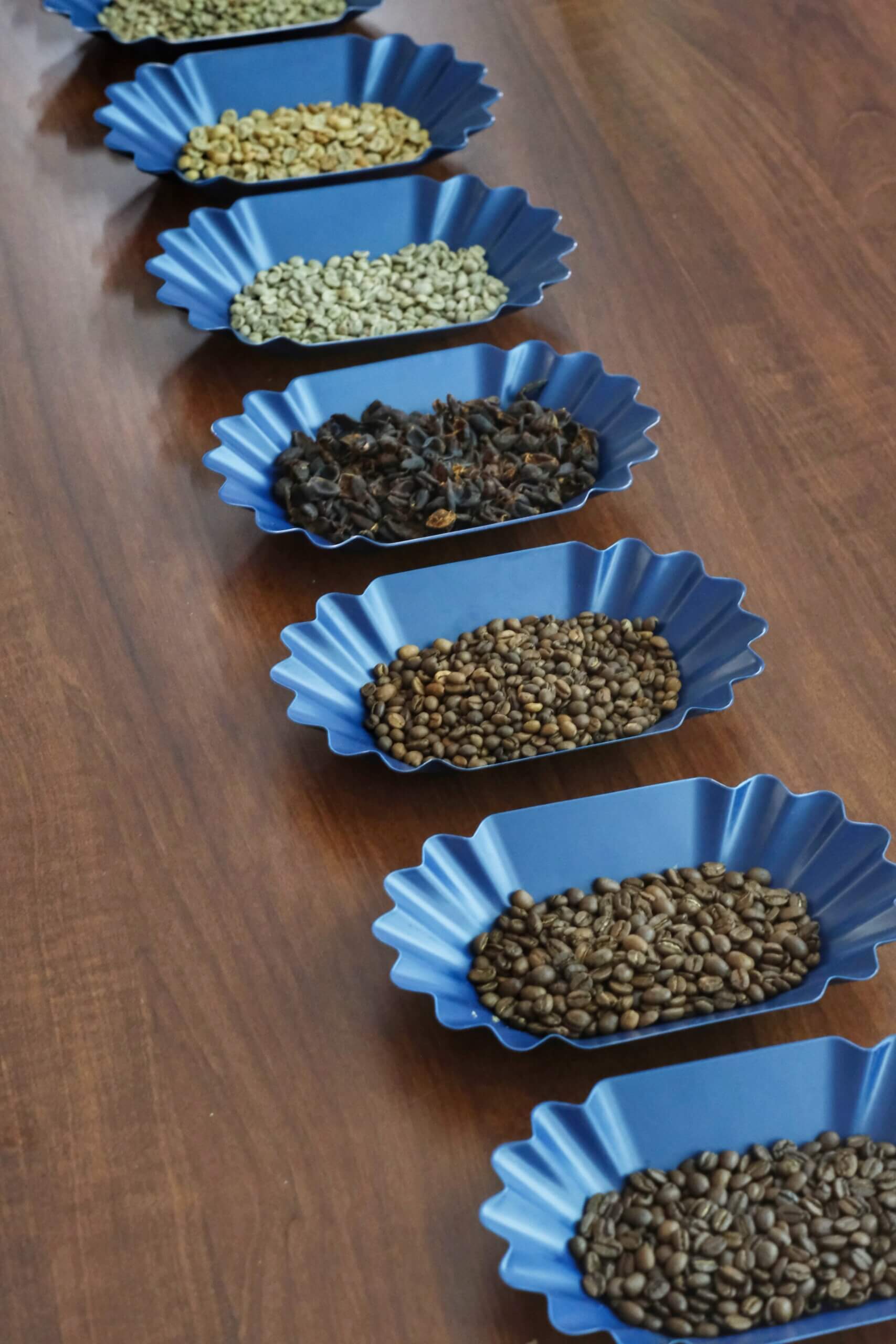
The species of coffee plant also has a big effect on acidity. The ones we come across most often are arabica and robusta, and their flavour profiles differ significantly.
Arabica, which dominates the specialty coffee world, has a richer aroma, more sweetness and more pronounced, often fruity acidity. This is where notes of citrus, apple, flowers or red fruit appear most often.
Robusta has lower acidity and a more intense, bitter character. It is more often associated with notes of cocoa, earthiness and nuts, and with a higher caffeine content. That is why it is used in espresso blends to give them strength and a heavier profile.
In practice this means that coffees based mainly on arabica will more often be more acidic and complex, while blends with added robusta are usually milder in acidity and more classic in character.
How to reduce the acidity of coffee at home
If your coffee comes out too sour, you do not have to change beans straight away. In many cases it is enough to adjust how you brew.
Try grinding a little finer, extending the extraction time, using water at around 92-96°C or increasing the dose of coffee. Choosing a medium or darker roast, which naturally has lower acidity, also helps.
Deliberately matching the brewing parameters to a specific coffee lets you bring out its sweetness and balance while limiting unpleasant sourness.
Summary: is acidity in coffee a flaw?
Acidity in coffee is not a flaw but one of the most important parts of its flavour. When well balanced, it adds freshness, lightness and character. When poorly controlled, though, it can spoil the whole experience.
The key is bean quality, the right roast and correct brewing. When these three work together, coffee shows its full potential and tastes exactly as it should.
FAQ: acidity in coffee
Does milk reduce the acidity of coffee?
Yes. Milk softens how you perceive acidity, because fats and proteins “round off” the flavour. That is why a latte or cappuccino usually tastes less sour than black coffee made from the same beans.
Does water affect the sour taste of coffee?
Hugely. Filtered water or water with medium mineral content works best. Water that is too soft or very hard can throw extraction off and pull out of the coffee what you do not want (including unpleasant sourness).
Can freshly roasted coffee taste more sour?
Yes. In the first days after roasting coffee can taste “sharper” and less settled. Usually after about 3-7 days for filter roasts and 7-14 days for espresso roasts the flavours stabilise and the profile becomes fuller.
Can a bean-to-cup machine make coffee sour?
It can. If the grind is too coarse, the temperature too low or the dose too small, under-extraction is easy. And under-extracted coffee often tastes too sour.
Does the roast level affect coffee acidity?
Yes. A light roast more often highlights acidity and fruitiness, while medium and darker roasts usually lower acidity and bring out notes of chocolate, caramel and nuts.
