

Crema is the hallmark of a well-made espresso. This golden, hazelnut-brown layer of foam does not just look good; it also protects the coffee’s aroma and shows whether the espresso was brewed properly. Here is what it tells you about your coffee and how to get it.
What is espresso crema?
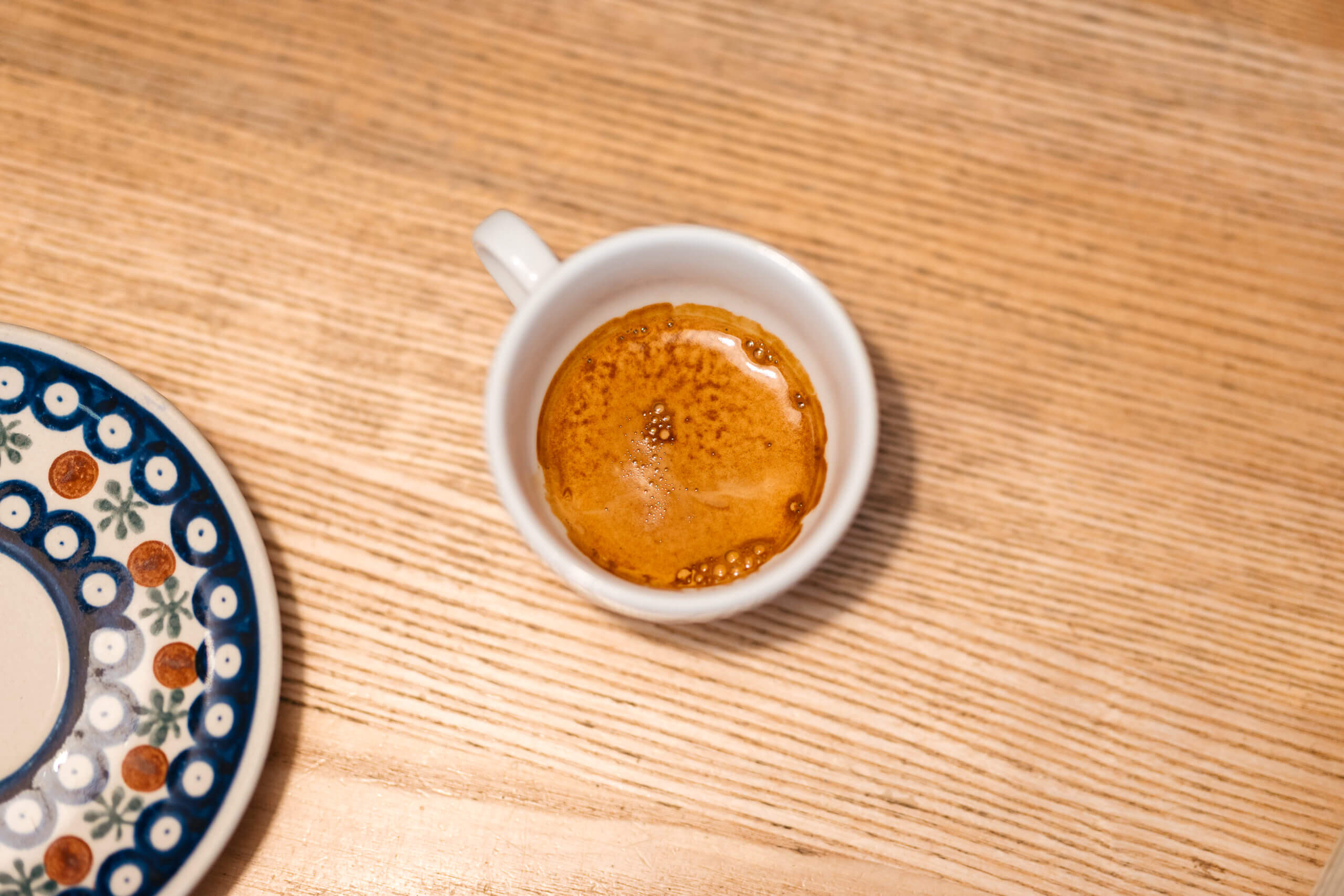
Crema is the distinctive golden, hazelnut-brown layer of foam on the surface of an espresso. It forms when coffee is brewed in an espresso machine, as water under high pressure, usually around 9 bar, passes through the ground coffee.
In the process, carbon dioxide trapped in the beans combines with the coffee oils and forms a delicate, creamy layer on top of the brew. It is what gives espresso its first visual impression, but its role goes well beyond looks.
Why crema matters
Crema works like a natural “lid” that holds in the aromas of the coffee underneath. Thanks to it, espresso smells more intense and tastes fuller.
Well-made crema should be:
-
even and dense,
-
hazelnut-brown in colour,
-
with fine, darker speckles known as “tiger striping”.
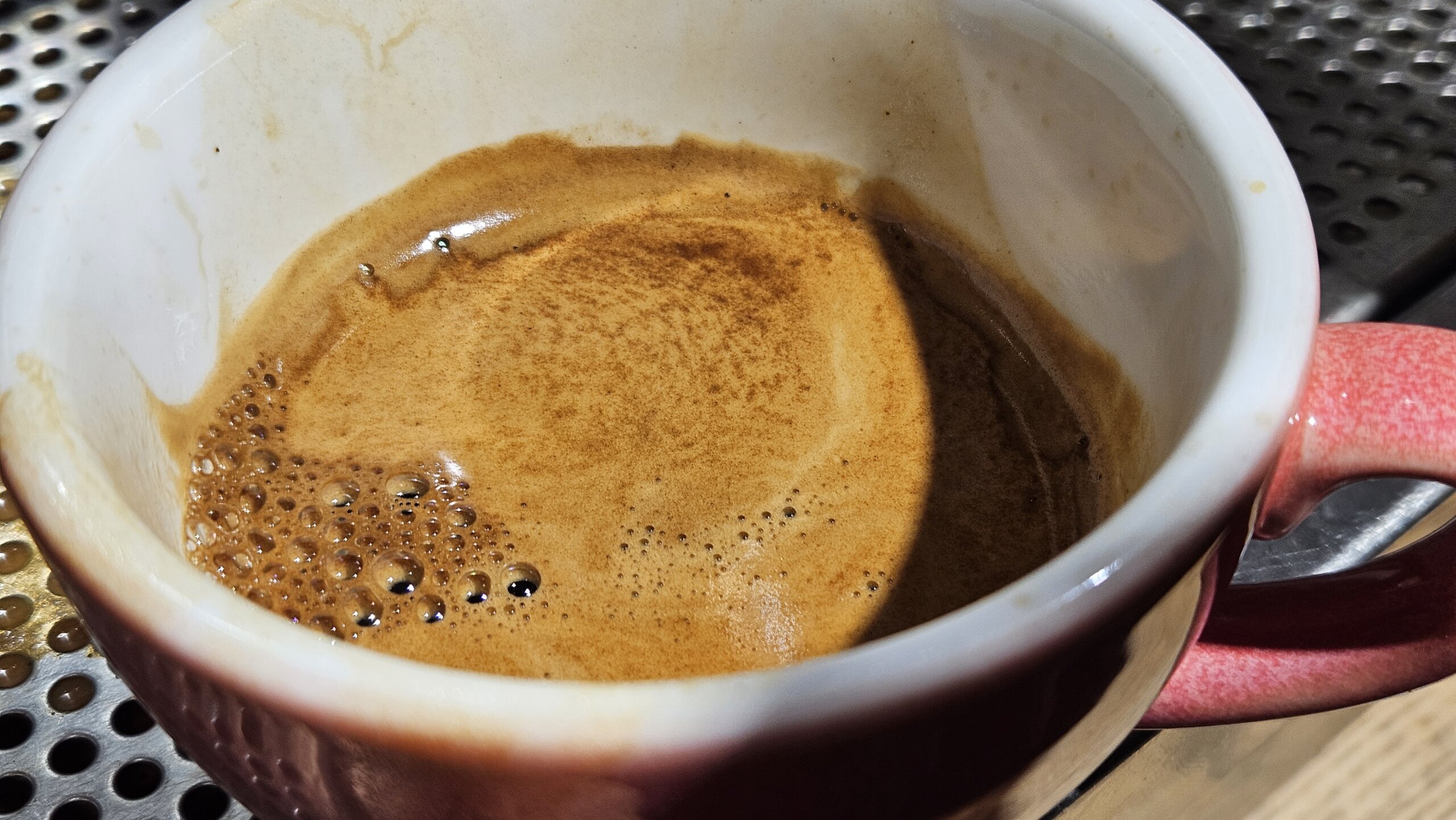
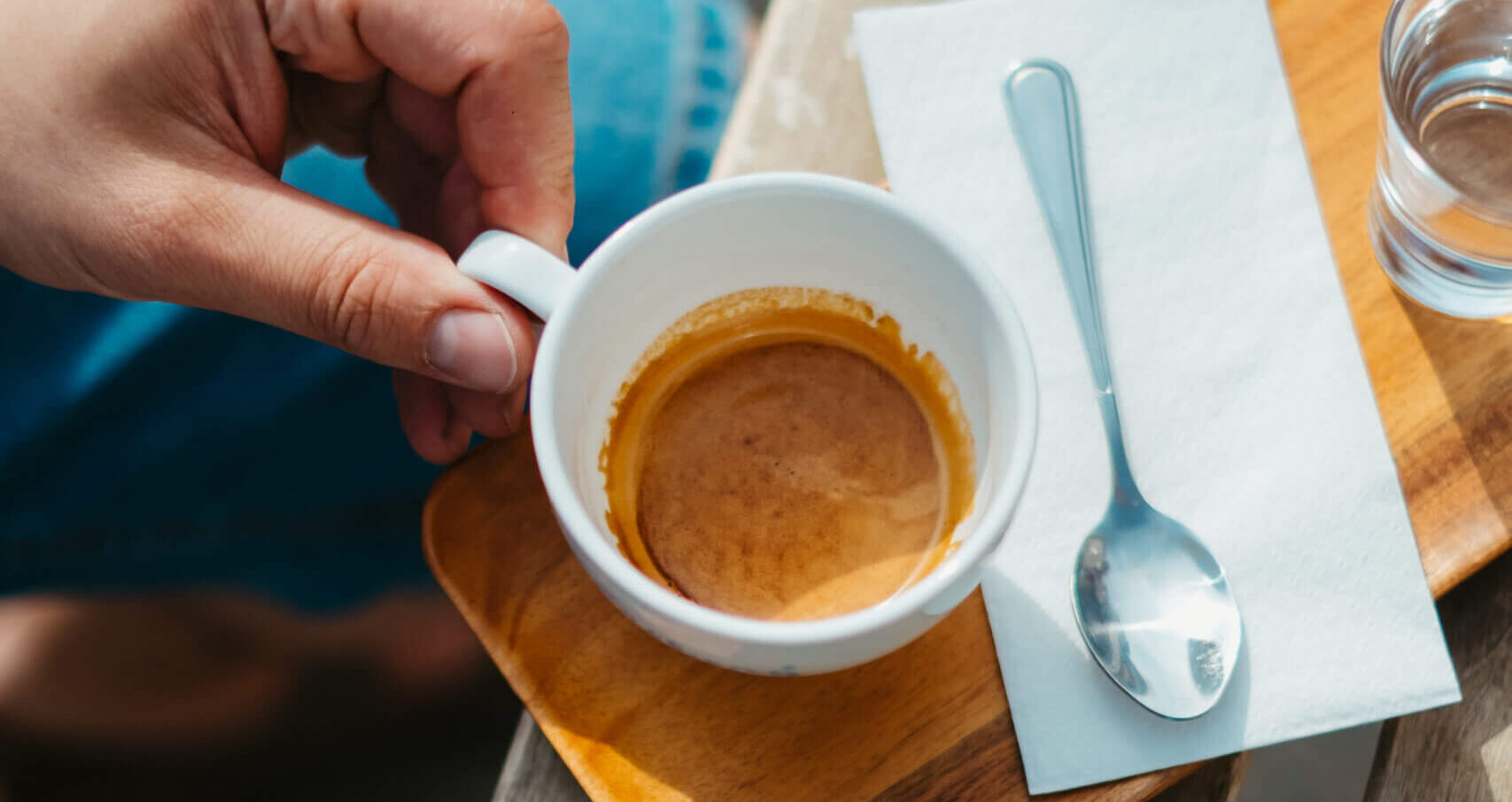
If the espresso is brewed properly, the crema stays on the surface for up to several dozen seconds. It is a sign of fresh coffee, good-quality beans and the right brewing technique.
Crema colour and espresso extraction
The look of the crema tells you a lot about the quality of the espresso:
-
Crema that is too pale can mean under-extraction. The cause may be a grind that is too coarse, a shot time that is too short or water that is too cool.
-
Crema that is too dark often points to over-extraction. This usually happens when the coffee is ground too fine, the shot time is too long or the water temperature is too high.
-
No crema usually means the beans are too old or the coffee has been stored badly.
That is why many baristas say crema is the “first quality test”: one look is enough to tell whether the espresso is shaping up well.
Crema and the type of coffee
Not every coffee produces the same amount of crema:
-
Arabica usually gives a more delicate, paler and subtler crema.
-
Robusta produces much more crema, often darker and denser.
That is why espresso blends with added robusta (e.g. 80/20 or 70/30) have a more pronounced, thicker layer of foam, while pure arabicas (100%) give a creamier but less abundant result.
A bit of history
Crema was not always considered desirable. When Achille Gaggia presented his first espresso machine in the 1940s, customers thought the foam on the coffee was a mistake.
Only later did people understand that crema is a sign of quality, and today it is a symbol of a well-made espresso.
Crema: a thin layer that matters
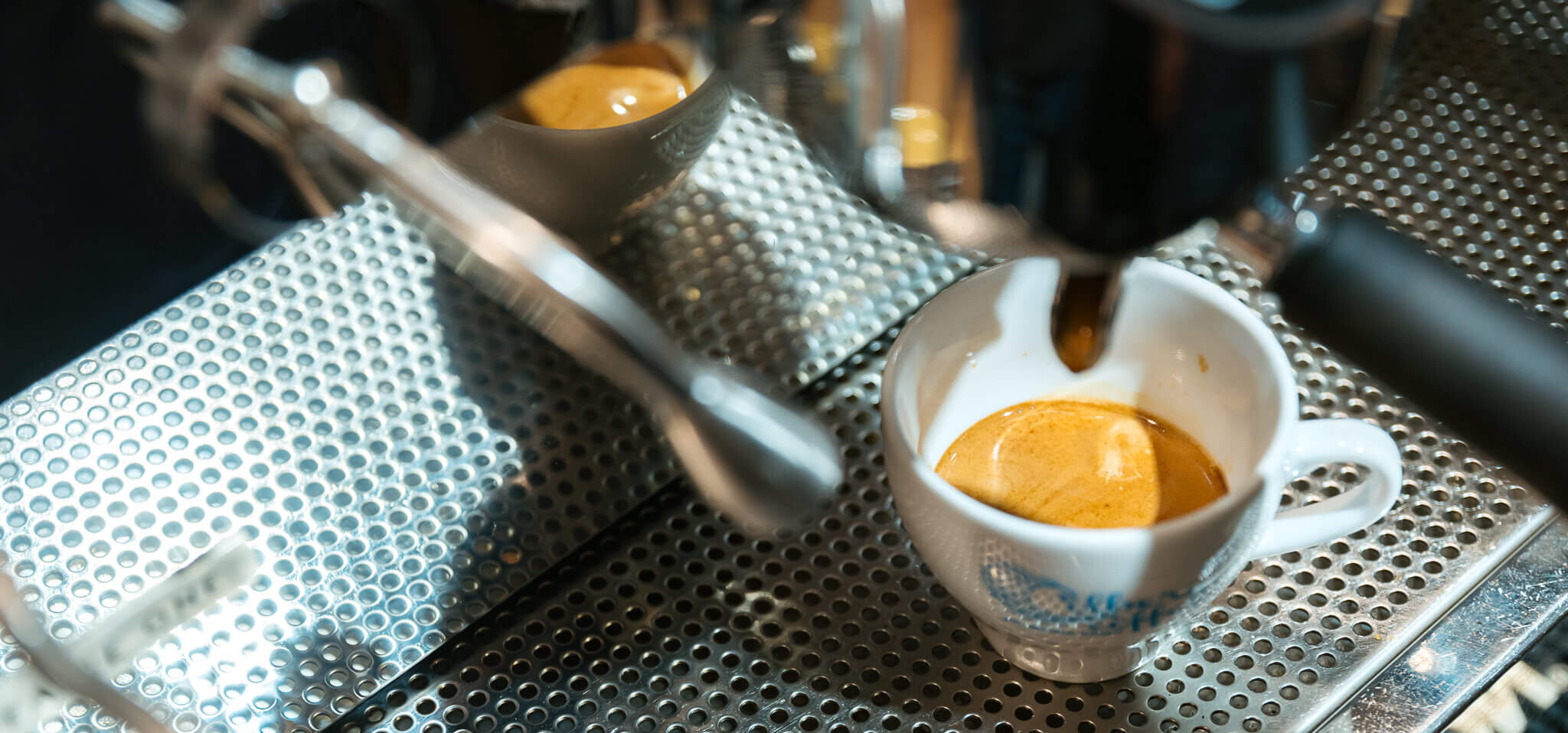
Crema is not just “foam on an espresso”. It is a sign of quality, freshness and correct extraction. Thanks to it, espresso is more aromatic, tastes fuller and simply looks good.
Good crema should be dense, hazelnut-brown and lasting, and how it looks can help you judge whether you brewed the coffee correctly.
FAQ: espresso crema
What is espresso crema?
It is the golden, hazelnut-brown layer of foam on the surface of an espresso. It forms when water under high pressure, around 9 bar, passes through freshly ground coffee and CO₂ combines with the coffee oils.
What is crema for, and what does it add to the flavour?
It works like a “lid”: it holds in the aromas underneath, strengthens the perception of sweetness and fullness, and signals fresh beans and correct extraction.
Why does my espresso have no crema?
Most often: old or badly stored beans, a grind that is too coarse, low temperature or pressure, poor tamping, or an old puck left in the portafilter. A clean group head and basket also matter.
What does very pale or very dark crema mean?
Pale means under-extraction (too coarse, too short, too cool). Dark and bitter means over-extraction (too fine, too long, too hot). We also look at the “tiger striping”: fine, darker speckles.
Arabica or robusta: which gives more crema?
Robusta usually produces more, denser crema; a 70/30 or 80/20 (arabica/robusta) blend gives a thicker layer. Pure arabica gives a more delicate, paler crema, but often a more complex flavour.
How do I get thicker, longer-lasting crema at home?
Freshly roasted beans, grinding just before brewing, precise dosing and distribution, even tamping, a shot of about 25-30 s at around 9 bar, and a clean group head and basket. You can also consider a blend with a little robusta.
