La Marzocco is the Ferrari of the espresso world. The brand was born in 1927 in a small workshop in Florence, and today its machines stand in the best cafés on the planet. How did it start, and what makes this brand so special?
La Marzocco: the brand’s beginnings in Florence
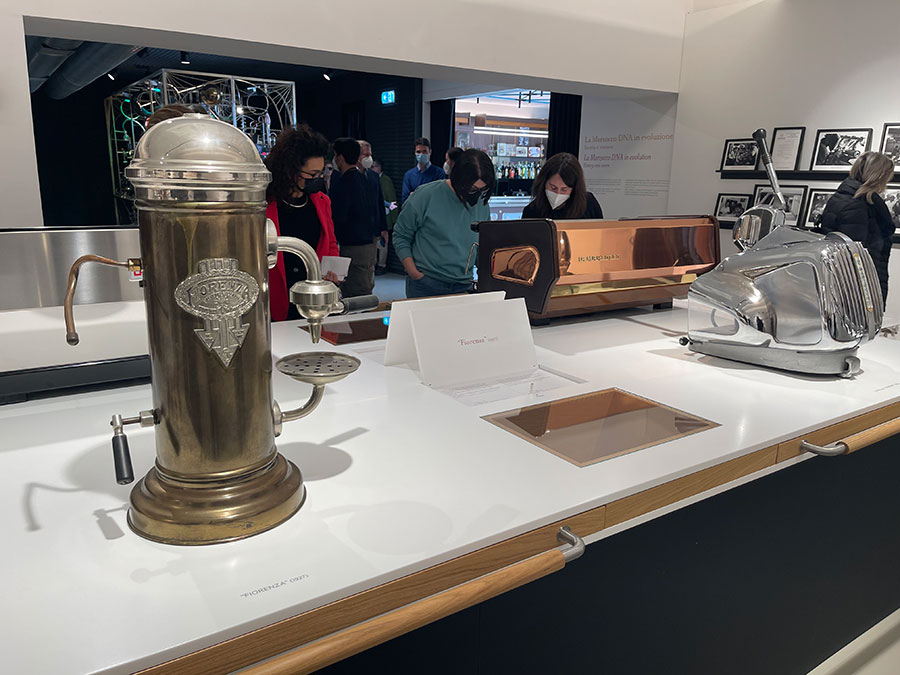
Picture Florence in 1927: a city of artists, workshops and craftsmen. Two brothers, Giuseppe and Bruno Bambi, are running a small metalworking shop. Making espresso machines isn’t the plan at all at first, their whole adventure starts by accident. A businessman named Galetti orders a batch of vertical coffee machines from them. The design looks simple enough: a gas boiler, a manual valve, coffee dispensed straight from the top. The catch? You had to watch the pressure like a hawk, because things could get dangerous fast. Galetti pulled out quickly, but the Bambi brothers were hooked.
A few years later, La Marzocco patents the first horizontal brew group, a real breakthrough for the time. It gives better temperature stability, easier handling and more control over how the coffee’s brewed. Then the Second World War hits and everything stops. Production is halted, and the company loses its patent: other manufacturers waste no time copying the design. It was a blow, but the Bambi brothers didn’t give up.
The espresso that changed everything: the age of lever machines
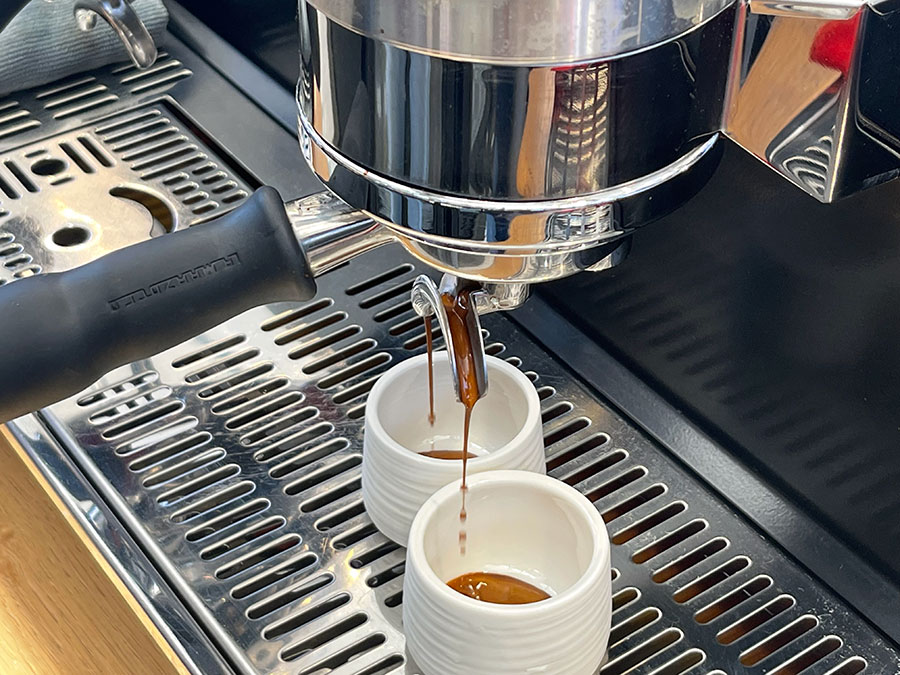
After the war, coffee takes on a new meaning in Italy, moving from a luxury to a daily ritual. In the 1950s, lever machines arrive and change the game completely. Earlier machines ran at low pressure, around 1.5-2 bar on average. Lever machines could reach as much as 12 bar, giving a completely new quality of extraction.
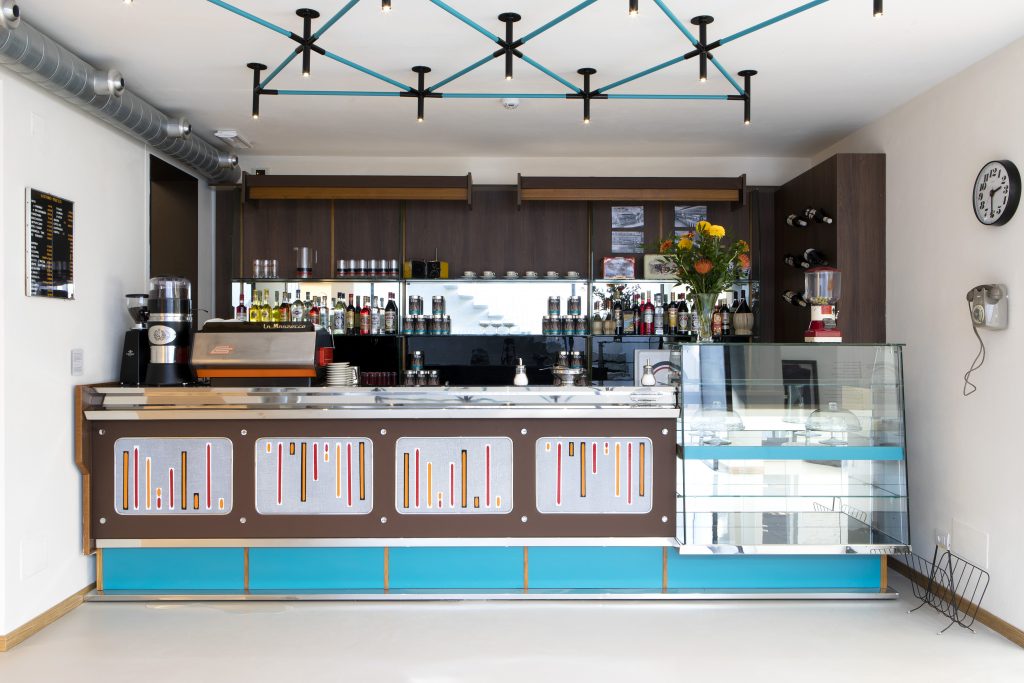
This is when espresso with crema is born, that golden, thick foam on top that became the signature of Italian coffee. These machines are exactly what gave espresso its characteristic texture, strength and flavour. From that point on, coffee stops being just a “dark brew” and becomes an experience. Italians go crazy for the new style of brewing, and La Marzocco cements its position among premium manufacturers.
La Marzocco GS: the invention that was ahead of its time
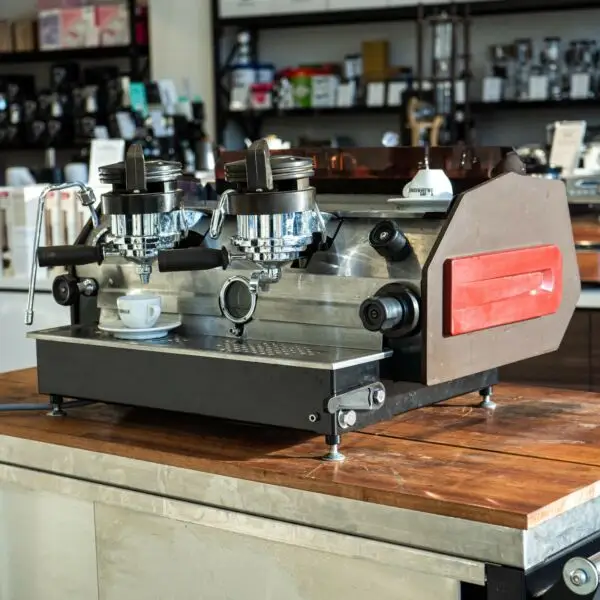
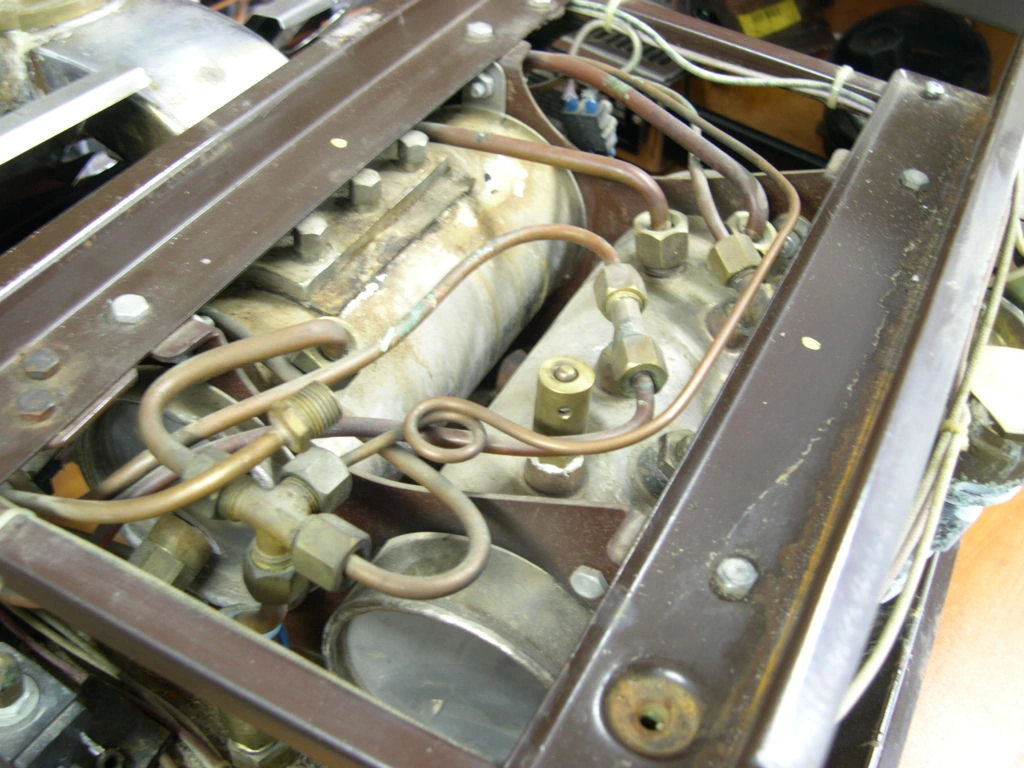
1971 is a turning point for La Marzocco. That’s when the GS arrives, a machine that brings something genuinely new to the market: a dual boiler and a saturated group. Instead of one boiler doing everything, the GS runs two independent systems, one for steam, one for the brewing water. Simple? Yes. In practice, though, it’s a revolution.
It finally gives baristas full control over extraction temperature, which means consistent flavour and stable quality even under heavy use. The idea was so far ahead of its time that plenty of competitors needed years to catch up. People in the industry still say the GS was a machine that was “ahead of its era”, and that’s not marketing, it’s simply true.
La Marzocco and Starbucks: huge success and a bold ‘no’
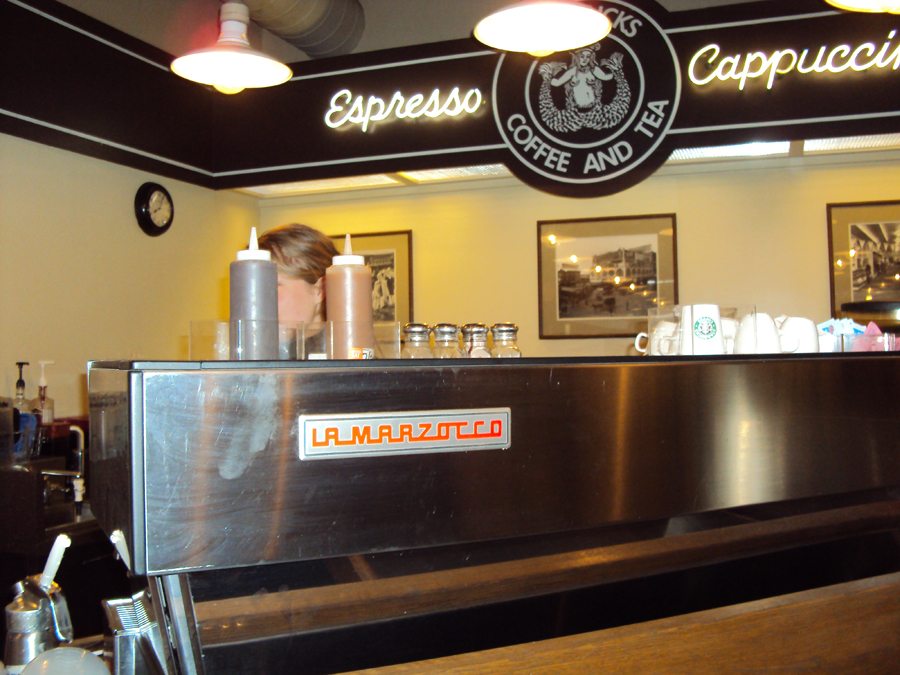
The 1980s and 90s are when coffee starts changing worldwide, and Starbucks appears on the horizon. Two Americans, Kent Bakke and Dave Olson, bring La Marzocco into the US market. Their idea is simple: if Starbucks wants to make good coffee, it needs the best machines, and at the time nobody had a reputation like La Marzocco’s. Within a short time, the Linea Classic becomes the standard machine in hundreds of Starbucks stores worldwide.
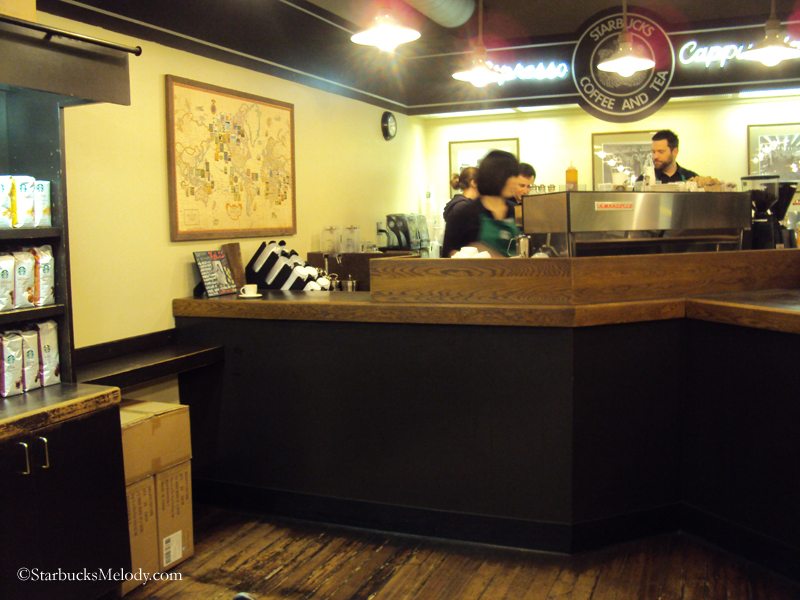
But in 2007, the two companies part ways. Starbucks bets on automatic machines, and La Marzocco isn’t willing to go there. Piero Bambi was convinced that it’s the barista who makes the espresso, and that a machine should only ever be a tool, never a replacement. He said a simple no. It was a risky move, the contract was huge, but that decision let La Marzocco keep its character and stay an icon in the world of specialty coffee.
Interestingly, once Starbucks switched to automatic machines, hundreds of used Linea Classics hit the market. Small cafés could finally afford top-tier equipment at a good price. Almost by accident, it helped drive the growth of the entire US specialty coffee scene.
Strada, KB90 and a new era of ergonomics
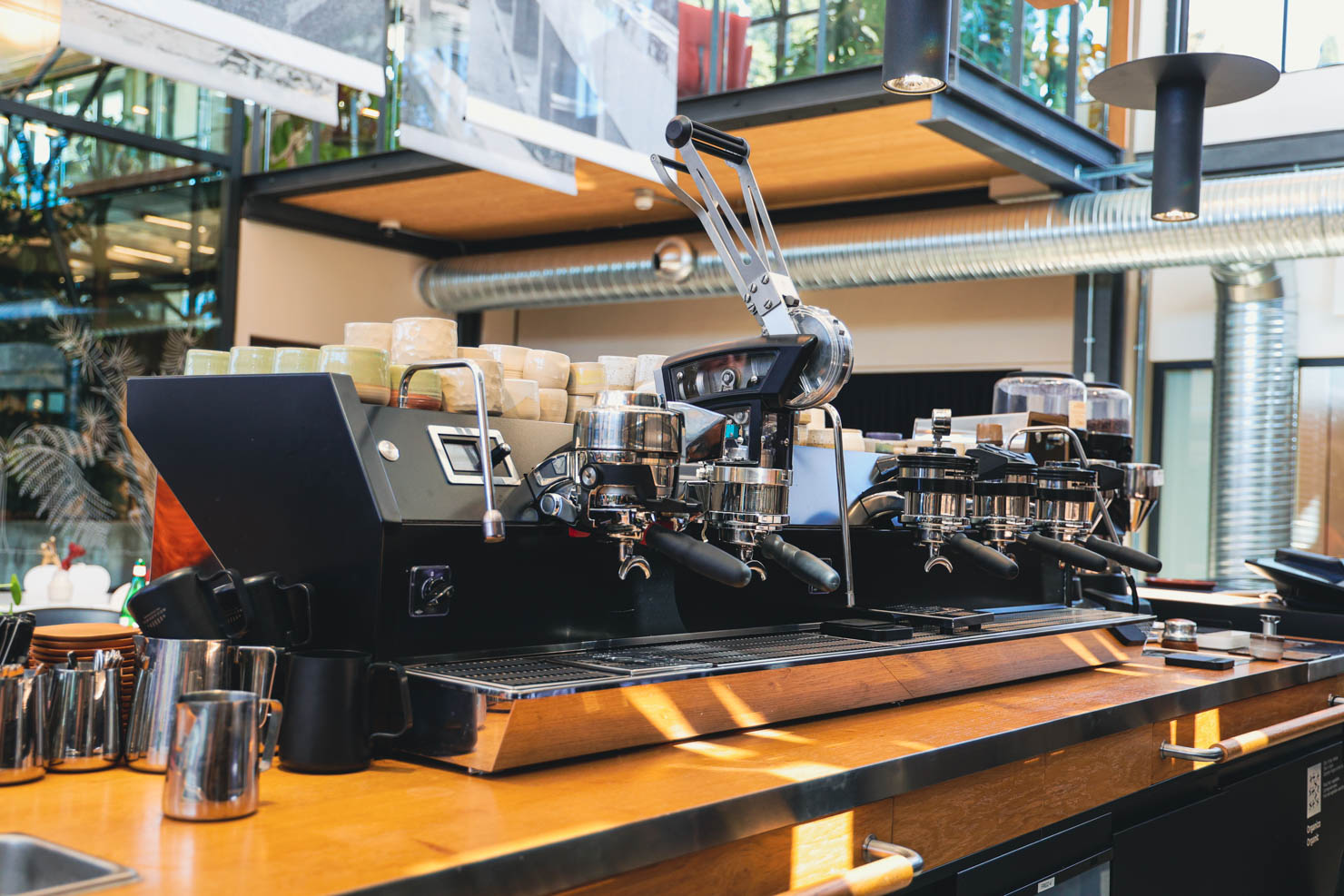
2008 brings something new: the Strada. It’s the first machine in La Marzocco’s history designed together with baristas from around the world. The company gathered feedback from people actually working the bar, to build equipment that fits how they work. The Strada gives greater control over pressure, the ability to profile extraction, and settings for different coffee styles. For baristas, it was a whole new world.
A few years later, in 2019, comes the KB90, Piero Bambi’s last project. This machine is a nod to baristas who pull hundreds of shots a day. The biggest change? A slide-in portafilter: instead of the classic twist-lock, one motion and the portafilter’s in place. For someone working an eight-hour bar shift, that’s a huge relief on the wrists.
On top of that, the KB90 has auto-flush, a system that automatically rinses the group after every shot, which speeds up the work and keeps the machine clean. There’s also the Pro Touch steam wand, which doesn’t heat up, so baristas don’t burn their hands. These sound like small details, but anyone who’s worked a machine during the rush knows how much difference they make.
Linea Mini, GS3, Micra: machines for the home and small cafés
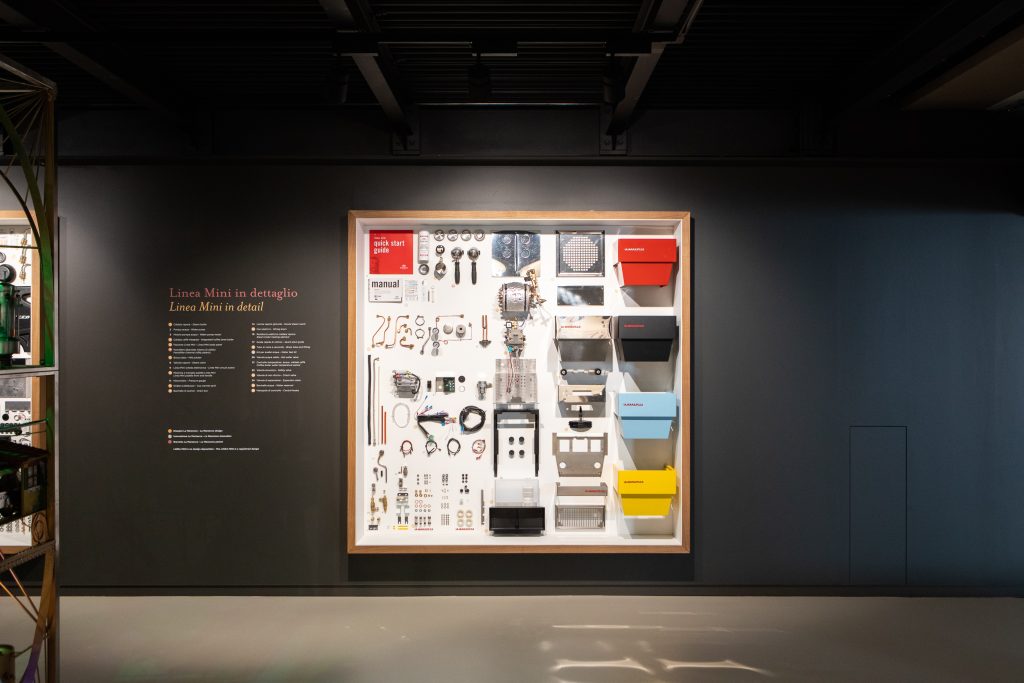
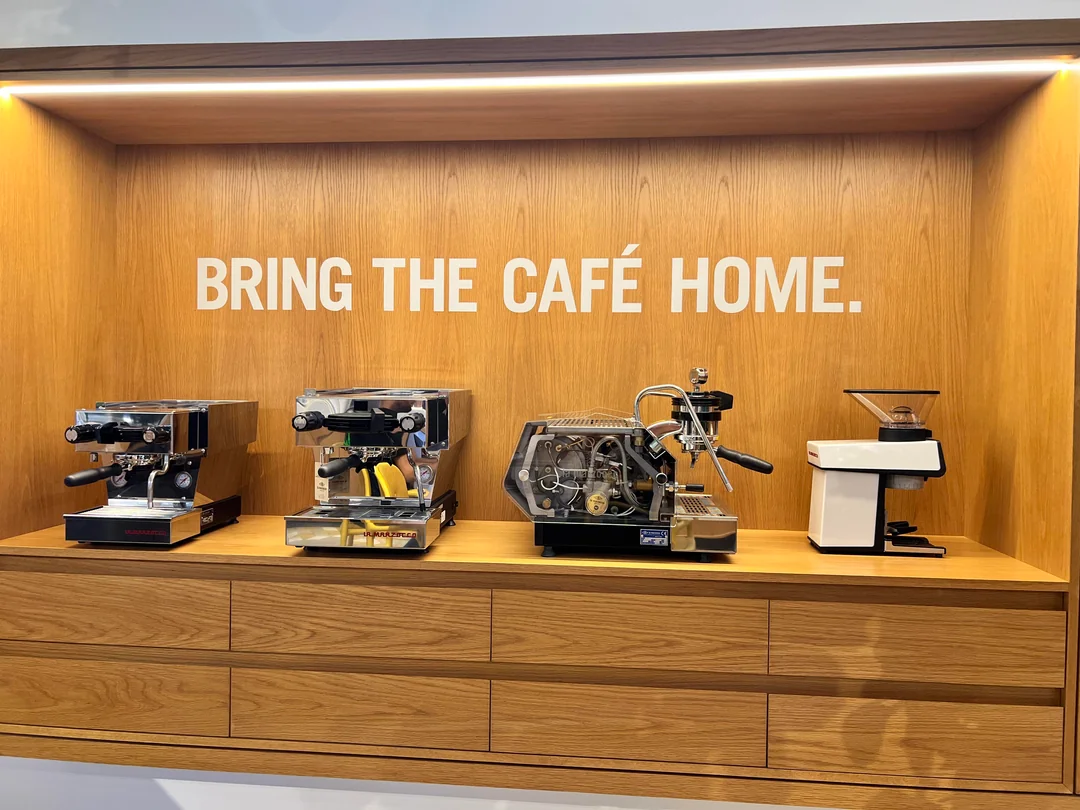
For years, La Marzocco meant nothing but large, professional machines. But the market changed, and more and more people wanted specialty-grade espresso at home. That’s how the Linea Mini came about: small, but built on the same philosophy as the professional models.
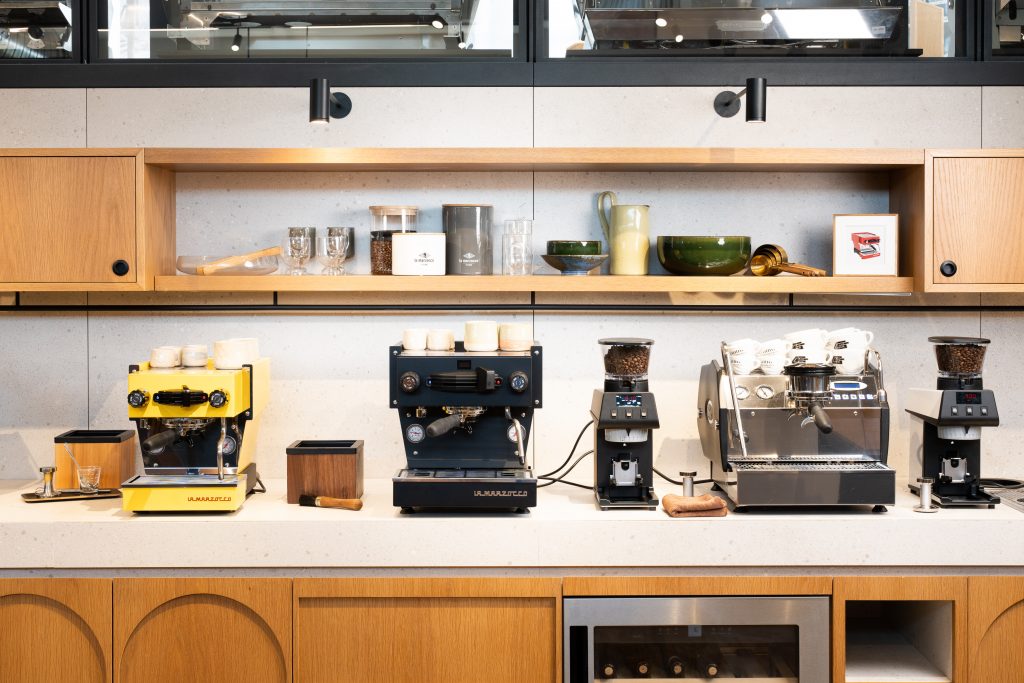
The trouble is, the Mini quickly found its way into small cafés too, wanting top-tier quality in a compact size. To separate the two markets, La Marzocco introduced the Micra: lighter, faster, with a plastic housing and a smaller boiler. Great for home use, though it can struggle under heavier café traffic.
Then there’s the GS3, the dream machine for a lot of home baristas. It’s essentially a compact version of the GS: dual boiler, saturated group, full temperature control. The price matches too, this one’s for the real enthusiasts.
Thanks to these models, La Marzocco has become a brand you’ll find both in the best cafés and on the kitchen counters of espresso enthusiasts around the world.
La Marzocco today: the Academy, innovation and a vision for the future
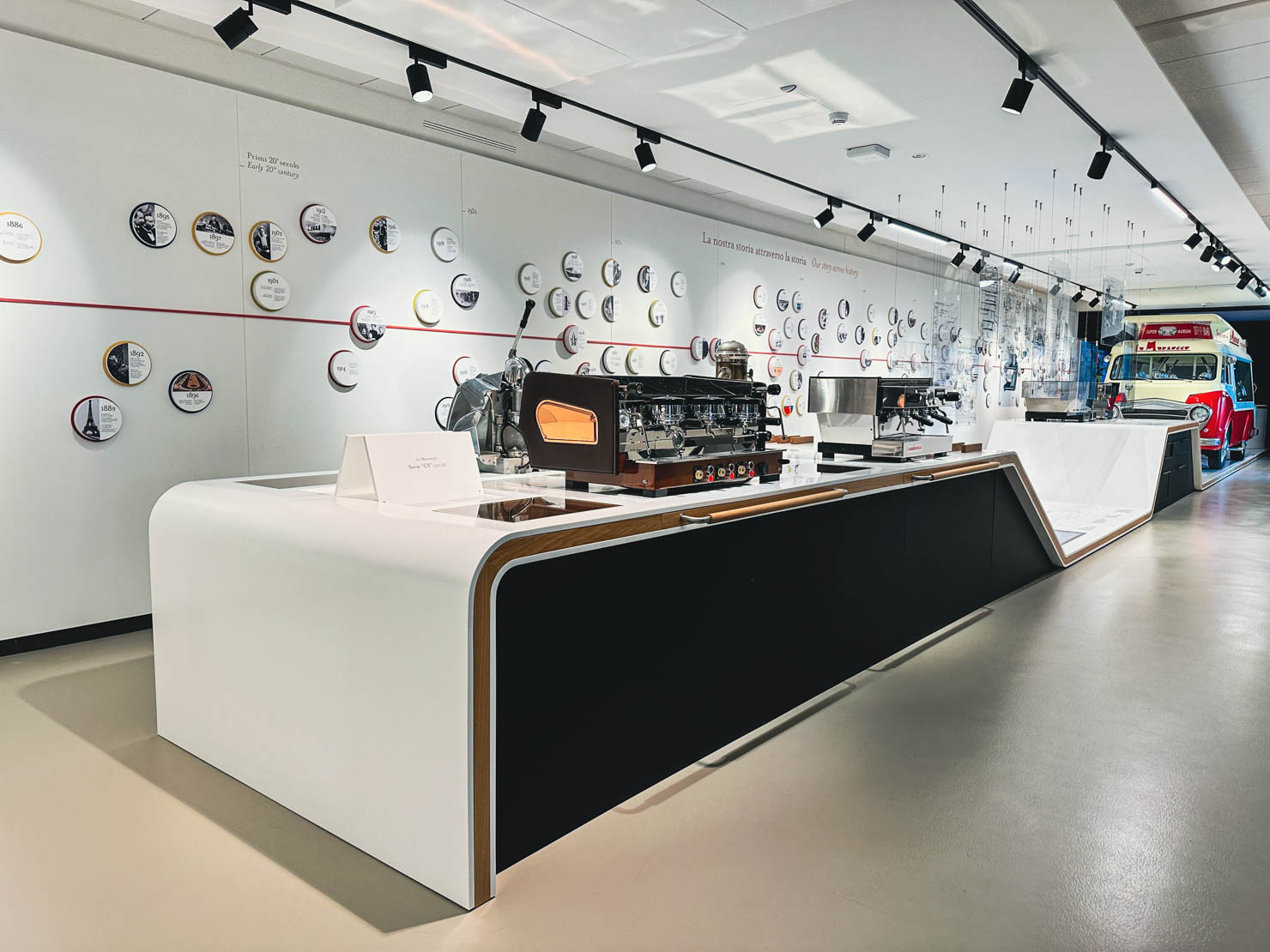
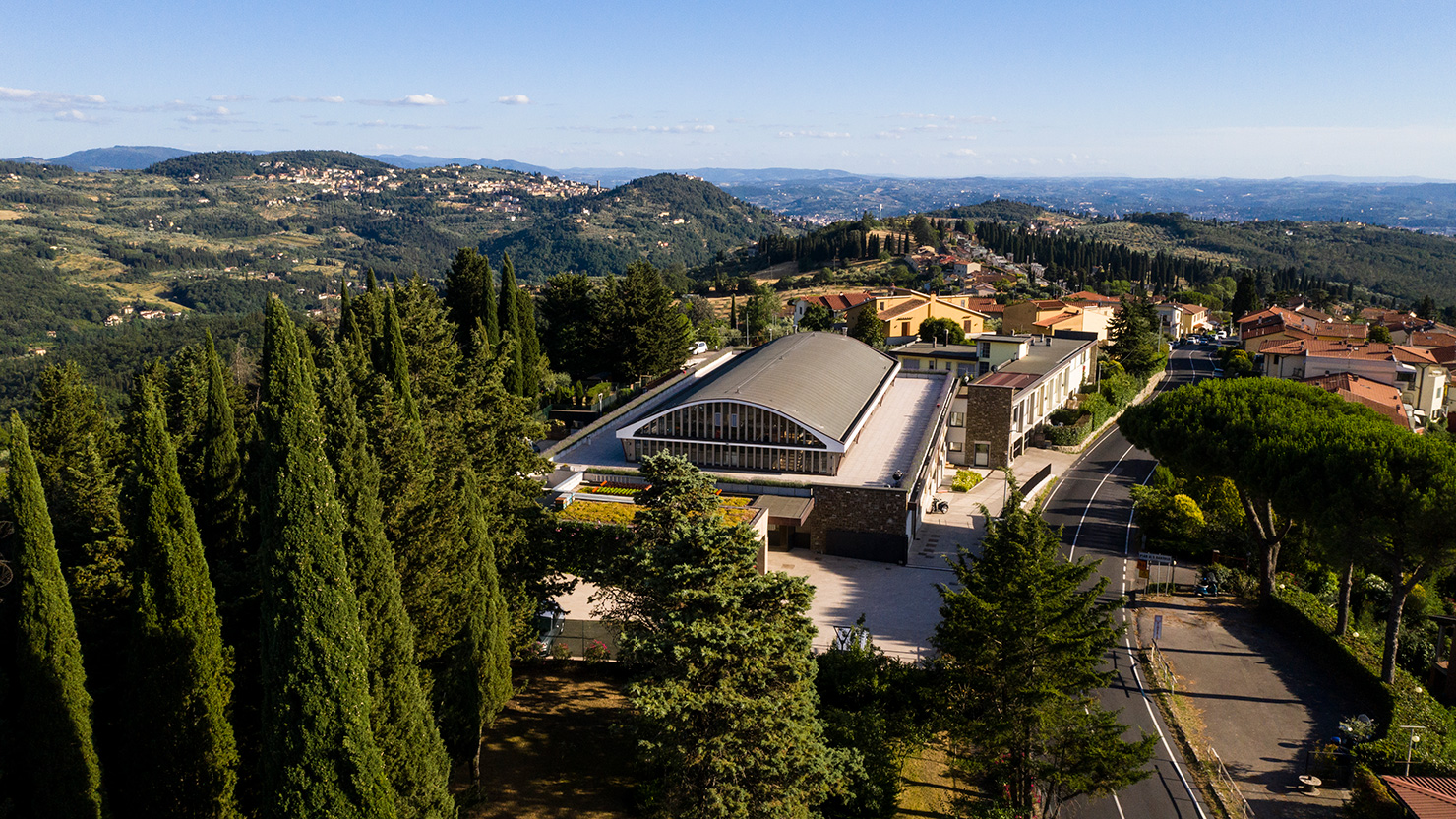
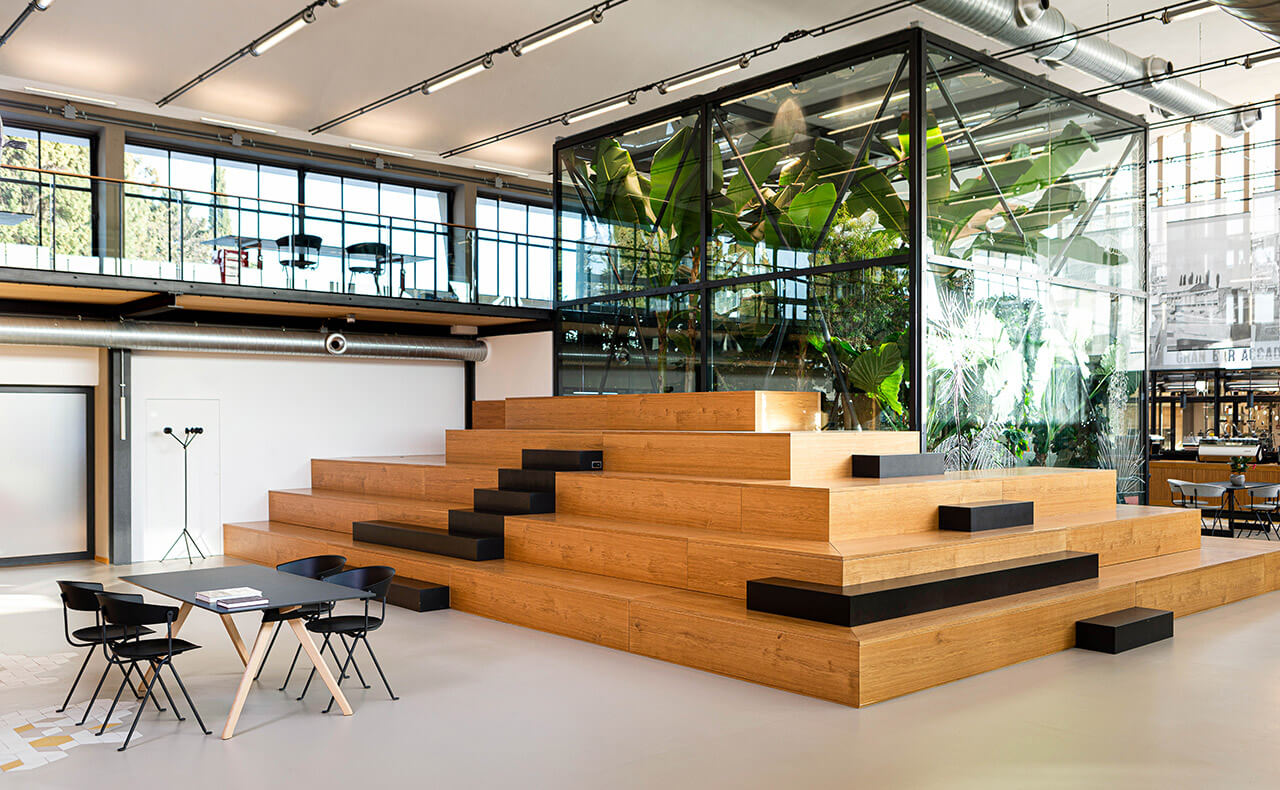
La Marzocco isn’t just a machine manufacturer any more, it’s become something of a lifestyle. In Tuscany the brand built its own La Marzocco Academy, a place that’s part museum, part education centre, part space for experimentation. You can see the first vertical machines from the 1920s there, learn the brand’s history, and also take part in workshops, cuppings and barista training.
There’s also a sensory lab for studying flavours and aromas, a mini roastery for testing roast profiles, and even its own beehives and a small greenhouse growing coffee plants. The Academy is more than marketing, it’s a genuine centre for innovation, where ideas for the next models and technologies get worked out.
This is exactly where the projects that later reached the market were born, the Strada and the KB90 among them. La Marzocco is currently testing further prototypes, including a Strada 2.0 with built-in scales, electronic flow control and the ability to save brewing profiles. All of it aimed at giving baristas even more control over flavour while making the job more comfortable.
Climate change and coffee: new challenges for the industry
There’s one topic that comes up more and more at the Academy: climate. La Marzocco is heavily involved in research into how global warming affects coffee, and the news isn’t good. Forecasts suggest that by 2050 the traditional coffee-growing belt could shift substantially north. Losses could reach as much as 70% in South America, 60% in Africa, and around 50% in Asia.
It sounds dramatic, but the brand isn’t standing still. La Marzocco backs projects researching new growing methods, testing resistant varieties and experimenting with coffee in entirely new regions. The first commercial harvests are already appearing in Sicily and Tenerife, and several producers are buying up land in places that used to have nothing to do with coffee.
For the specialty industry this is a huge challenge, but also a chance to grow. La Marzocco clearly wants to be part of that change, not just by making machines, but by genuinely shaping the future of the whole coffee scene.
Colbergcoffee: authorised La Marzocco distributor in Poland
As an authorised distributor for La Marzocco in Poland, we carry the current range at Colbergcoffee, from the classic Linea Classic S to the Strada and the KB90. You’ll find the full line-up in our La Marzocco category.
FAQ: La Marzocco, the brand’s history and its iconic machines
Where does the La Marzocco brand come from?
La Marzocco was founded in Florence in 1927 by brothers Giuseppe and Bruno Bambi, starting out from a small metalworking shop.
Why is La Marzocco considered a legend?
It’s a brand that changed the world of coffee. Among other things, it introduced the first horizontal brew group, the iconic Linea Classic, and the GS system with its dual boiler.
What sets La Marzocco machines apart?
Mainly temperature stability, consistent flavour and hands-on control over the brewing process. It’s equipment built for baristas who value precision.
Which La Marzocco model is the most popular?
The most recognisable model is the Linea Classic, found in thousands of cafés worldwide. At home, the Linea Mini and GS3 are the most popular.
What does GS stand for in La Marzocco machines?
GS stands for “Gruppo Saturo”, the saturated brew group. It’s technology from 1971 that gave better temperature stability and more consistent extraction.
Why did La Marzocco end its partnership with Starbucks?
Starbucks wanted to move to fully automatic machines, but La Marzocco believed it’s the barista who makes the espresso. Piero Bambi said no to automation, and the brand stayed true to its values.
Does La Marzocco make machines for home use?
Yes, including the Linea Mini, GS3 and Micra. These are compact models built to the same quality as the professional machines used in cafés.
What are La Marzocco’s plans for the future?
The brand is focused on innovation, ergonomics and research into how climate affects coffee growing. It’s already testing a Strada 2.0 with built-in scales and advanced extraction profiling.
