Only a few years ago decaf was mostly seen as a compromise. For many people it was just a pale imitation of a classic espresso, lacking aroma, depth and character. Today things look completely different. Modern methods remove caffeine in a way that does not destroy the flavour profile of the beans.
The key question, however, is not “is the coffee decaf” but “how was the caffeine removed”. The decaffeination method is what most determines what ends up in your cup.
Why the way caffeine is removed matters so much
Caffeine is just one of many compounds in coffee beans. Alongside it are aromatic oils, natural sugars and organic acids, which are responsible for the taste, aroma and texture of the brew. Decaffeination never acts on caffeine alone. It always affects the structure of the bean to some degree.
The more aggressive the method, the greater the risk of losing natural sweetness, depth and balance. That is why two decafs can taste completely different even though they come from the same region.
The solvent method: the oldest technique
The oldest way to decaffeinate is a method based on chemical solvents. In this process the green beans are first steamed to open up their structure and then immersed in a special solution that binds the caffeine.
Once extraction is complete, the chemicals are evaporated and the beans move on to further processing. Although this method is approved for use in the food industry, it often simplifies the flavour profile. Coffees decaffeinated this way tend to be less aromatic, flat and lacking a clear character.
For this reason the technique is used mainly in mass production, where price matters more than sensory quality.
The water method: Mountain Water and Swiss Water
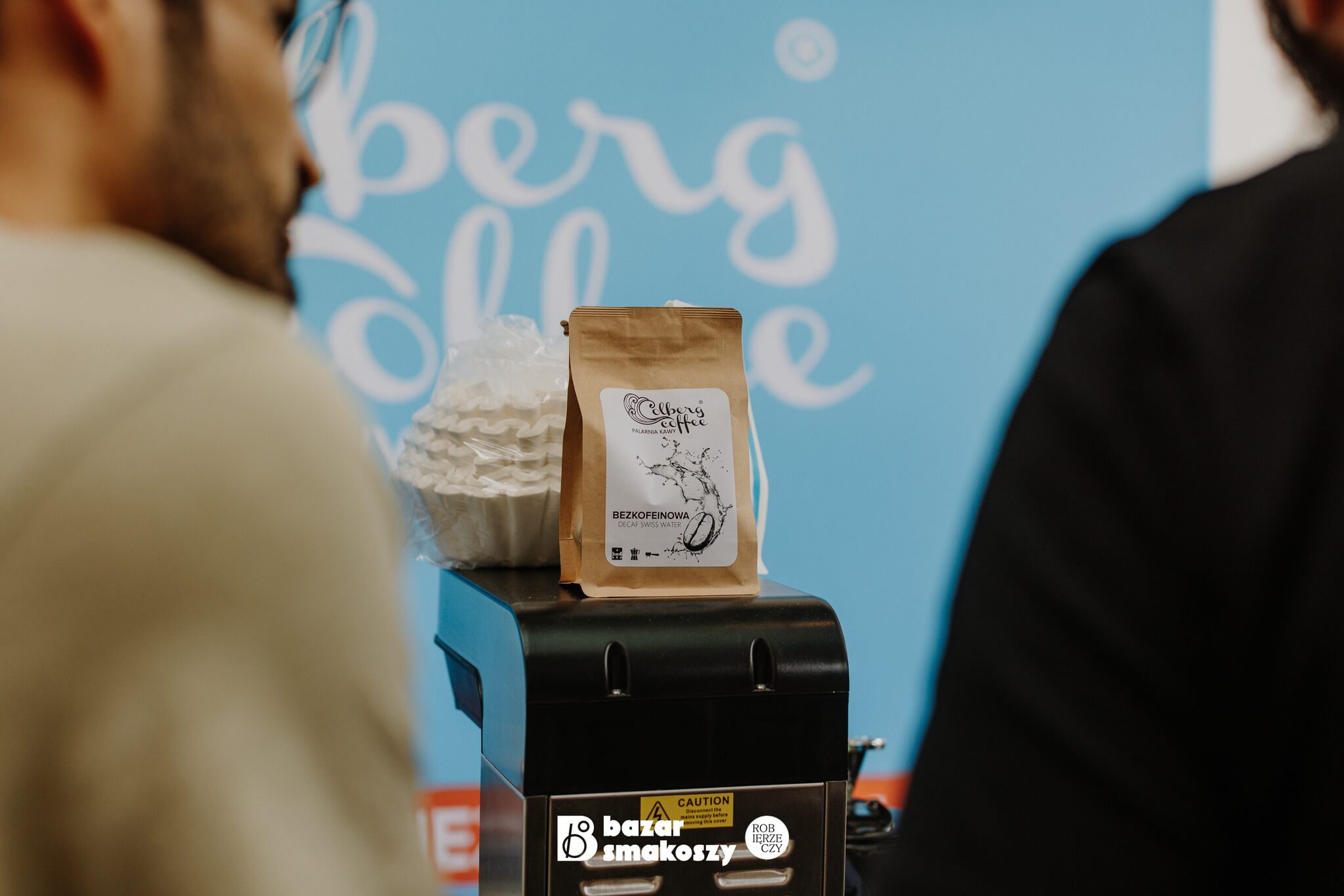
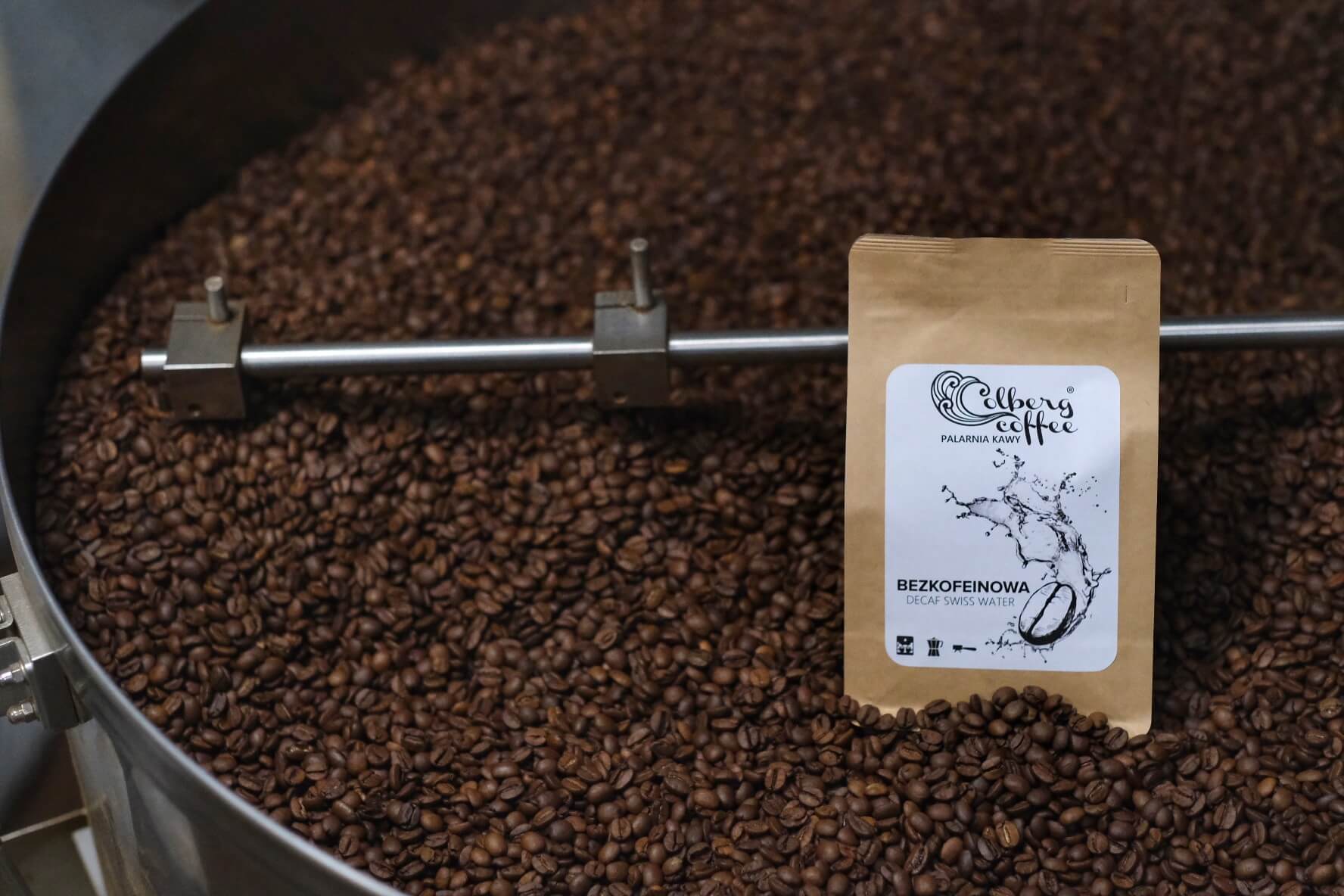
The most highly regarded technique in the specialty coffee world is water decaffeination, known as the Mountain Water Process or the Swiss Water Process. In this method the green beans are immersed in hot water, which washes out the caffeine together with some of the soluble compounds. The water then passes through a system of filters that selectively remove only the caffeine, leaving the aromas and natural sugars. The cleaned water then goes back into contact with the beans, returning the flavour compounds they lost earlier. The process runs in a closed loop and needs no chemicals at all. The coffee keeps its natural character and is clean, harmonious and aromatic. That is why water methods are now regarded as the gold standard for high-quality decaf.
The CO₂ method: high-pressure technology
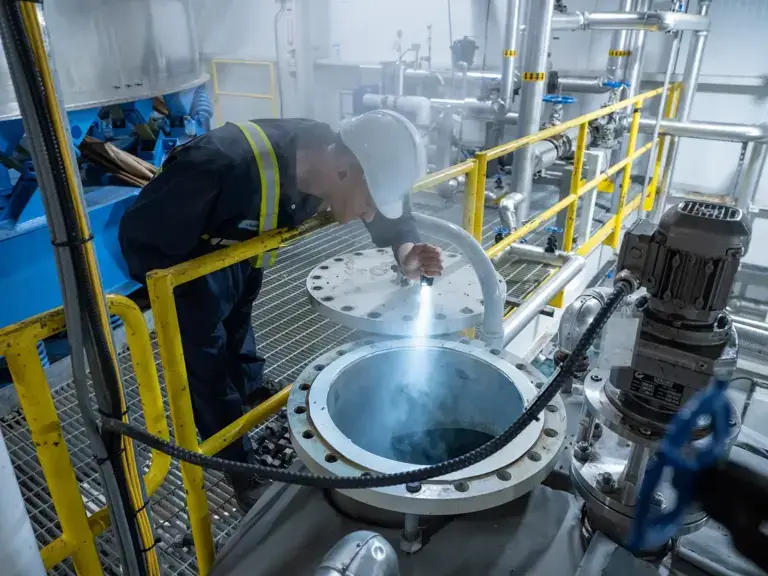
The most technologically advanced decaffeination method uses supercritical carbon dioxide. At very high pressure CO₂ takes on the properties of both a gas and a liquid, which lets it remove caffeine selectively without affecting the other compounds. The process is extremely precise and leaves the structure of the beans almost intact. The aromas and oils stay in the bean while the caffeine is effectively separated. The downside of this method is the high cost and complex infrastructure, which is why it is used mainly in large industrial plants. You come across it relatively rarely in the craft segment.
Which method is best for coffee lovers?
In terms of sensory quality, water methods are rated highest today. They offer the best balance between removing caffeine effectively and keeping the natural character of the beans. Decaf made with the Mountain Water process or Swiss Water can keep natural sweetness, a complex aroma and a creamy texture. The cup still shows the origin notes we normally associate with caffeinated coffee. For people who do not want to give up quality for the sake of skipping the caffeine kick, it is currently the most consistent choice.
How to recognise a good decaf in the shop
When choosing a decaf, look at the information on the bag. Cross off all instant decafs straight away and focus on whole bean decaf. The most important sign of quality is a clearly stated decaffeination method. Producers who use water processes usually have no reason to hide it. Information about the origin of the beans, the roast profile and the roast date also matters. The more transparency, the better the chance you are dealing with a high-quality product. Good decaf is not anonymous. It has its own story, region and character.
Can decaf taste like regular coffee?
A dozen or so years ago the answer would have been: probably not. Today it is: definitely yes. Modern water decaffeination keeps most of the natural flavour compounds. As a result you get notes of chocolate, fruit, caramel or nuts in the cup, and the brew stays full and velvety. For many people a well-made decaf becomes a fully fledged alternative to regular coffee, especially in the evening or when they do not want the caffeine kick. It proves that decaf does not have to be a compromise but can be a deliberate, quality choice.
Frequently asked questions about decaf (FAQ)
Is decaf completely caffeine-free?
No. Decaf contains trace amounts of caffeine, usually below 0.1%. It is a minimal amount that most people do not notice, even in the evening.
Can decaf taste like regular coffee?
Yes, if it has been through modern decaffeination, ideally a water method. High-quality decaf keeps the aroma, natural sweetness and texture typical of a traditional espresso.
Which decaffeination method is best?
Water methods such as Mountain Water and Swiss Water are rated highest. They remove caffeine without chemicals and keep a clean flavour profile.
How do you choose a good decaf?
Check the decaffeination method, the origin of the beans and the roast date. A transparent producer and a clearly described process are signs that you are dealing with a high-quality product.
