In coffee, the word decaf still gets a reaction. Plenty of enthusiasts assume decaffeinated coffee is a worse version of the real thing, stripped of depth and aroma. Modern decaffeination processes, Mountain Water among them, show that you can take the caffeine out of green coffee without taking its character with it. Mexico has taken this one close to perfect.
Where Mountain Water decaf is made
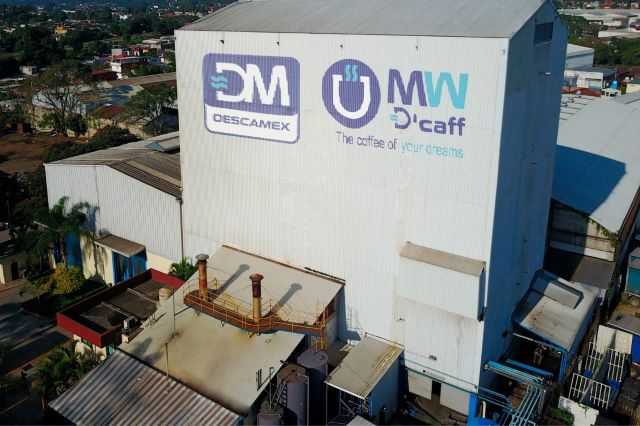
So where does Mountain Water decaf coffee actually come from? The process was developed and patented by Descamex, based in Cordoba in the state of Veracruz. It is one of the handful of plants in the world specialising in natural decaffeination, alongside Swiss Water in Canada and CR3 in Germany.
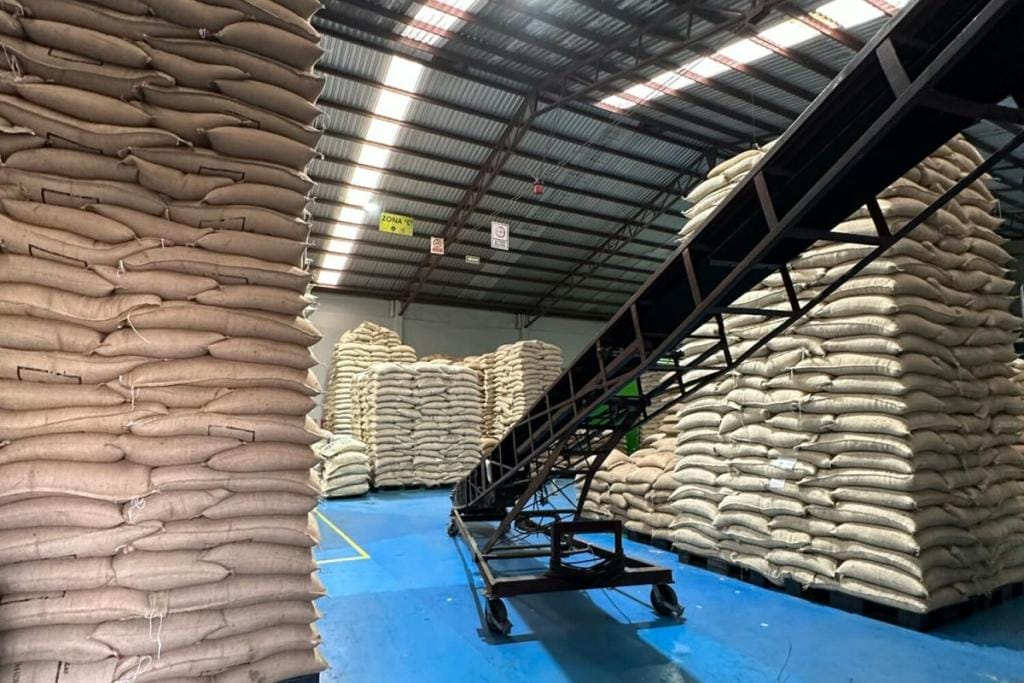
None of it happens on a farm. It happens in a large, modern industrial hall that looks like a brewery, full of steel tanks, pumps, filters and pipework that let the whole thing run to laboratory tolerances.
How the Mountain Water method works
Mountain Water is a water process that uses no chemical solvents at all.
The key to it is exceptionally clean water from around Pico de Orizaba, the highest peak in Mexico.
That water is mineral rich, with a stable pH and a neutral taste, so it does nothing bad to the coffee’s own profile.
The whole thing runs in five stages:
-
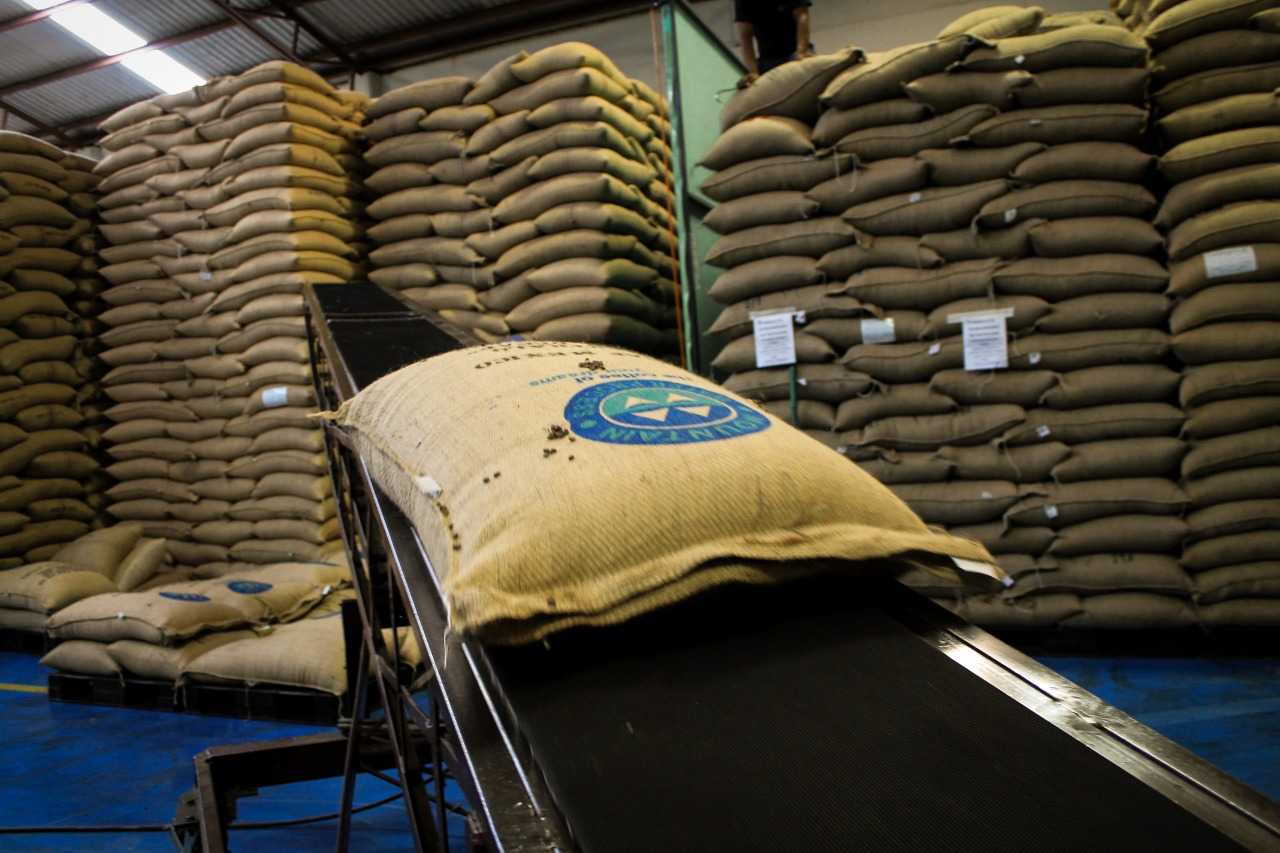
Preparing the beans
Green beans are steamed to open up their structure and make them more permeable. Then they go into large steel tanks. -
Extracting the caffeine with water
The beans are immersed in hot water at 70-90°C, which dissolves the caffeine along with some of the aromatic compounds. That water becomes a kind of coffee extract. -
Filtering out the caffeine
The solution passes through activated carbon filters and selective membranes, which hold back the caffeine molecules and let the remaining aromatics and sugars through. -
Putting the aromatics back
The filtered water, now without caffeine but still full of flavour compounds, goes back into contact with the beans, which take back the aromatics they gave up earlier. -
Drying and polishing
The beans are then dried in temperature-controlled tunnels until they are back to about 10-12% moisture. After that they are polished and cleaned of dust, to give an even surface and get them ready for packing.
The technology and how the process is controlled
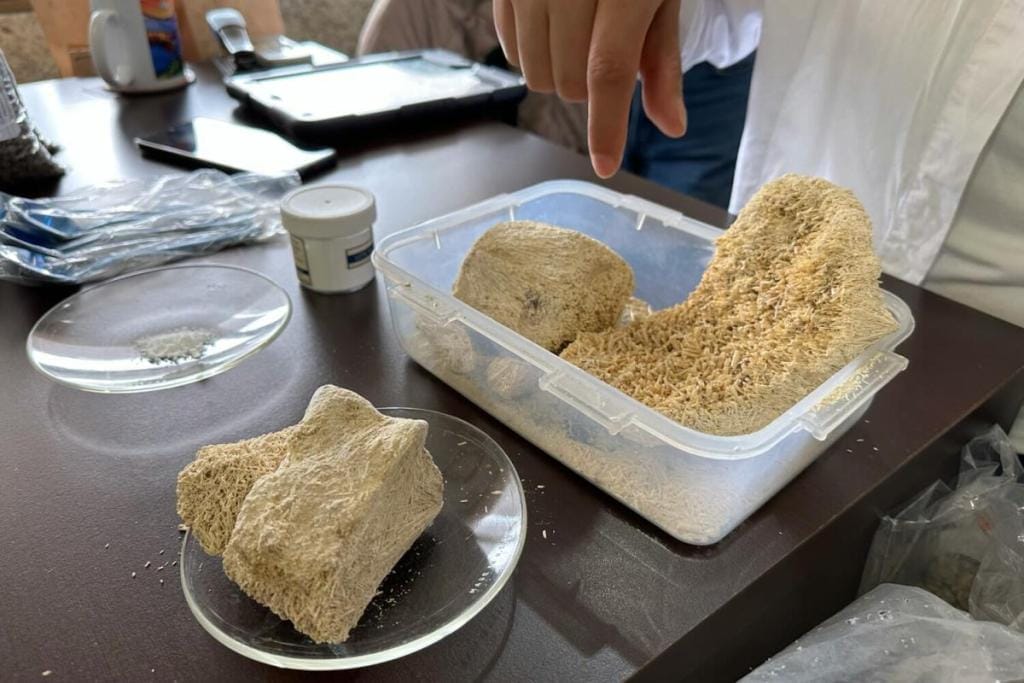
Mountain Water decaf is not improvised. It is a precise closed loop, with every parameter monitored by computer:
-
temperature: 70-90°C
-
working pressure: up to 2 bar
-
extraction time: from several hours to well over ten
-
caffeine removed: 99.9%
Gentle temperatures and low pressures mean the beans hold their shape, which is how they keep their structure and their flavour. Every batch is tested chemically and on the cupping table before it goes back to the exporter or the roastery.
What sets Mountain Water apart from the other methods
Traditional processes, the solvent method (DCM) for instance, take the caffeine out with methylene chloride or ethyl acetate. Both are permitted in food, but they have to be evaporated off afterwards and they can affect how the coffee tastes.
Mountain Water involves no chemistry of that sort. It is organic, certified and safe, and it keeps over 90% of the original flavour compounds. Which is why it gets used on specialty coffees rather than commodity ones.
How the coffee tastes afterwards
Coffee put through this process keeps the flavour profile of its region.
With El Tucan Decaf from Mexico you can expect banana bread, milk chocolate, yellow apple and walnut.
The taste is clean, sweet and long, without the papery or raw-bean note that weaker decafs so often carry.
Why any of this is worth knowing
Buy a coffee labelled Mountain Water Decaf and you know that:
-
the caffeine came out without chemicals,
-
the process ran under controlled laboratory and industrial conditions,
-
the beans kept their full flavour and aroma,
-
and the environment did not pay for it.
That is why specialty roasteries keep coming back to it: it makes possible something that was out of reach a few years ago, a decaf that genuinely tastes like good coffee.
Mountain Water decaf: common questions
What is the difference between Mountain Water and Swiss Water?
Both are natural and solvent free. Mountain Water is the Mexican process, run by Descamex in Veracruz, using water from Pico de Orizaba. Swiss Water is Canadian. The end result is very similar: a clean taste, aromatics preserved and a minimal amount of caffeine left.
Does the Mountain Water process use any solvents?
No, it is 100% natural. The beans are steamed and steeped in water, and the caffeine is taken out by activated carbon filters. No chemicals and no gases are involved. A clean, safe method.
Where does the decaffeination take place?
The whole process runs at the modern Descamex plant in Veracruz, Mexico. The hall looks like a brewery: steel tanks, pumps, filter systems, temperature and pressure control. Everything happens in a closed loop under full quality control.
Does decaf taste different from ordinary coffee?
It is gentler, with more sweetness and less bitterness. A well roasted decaf, El Tucan for example, keeps as much as 90% of its aromatics, and the chocolate, banana, yellow apple and walnut come through. In a blind test plenty of people would not tell the difference.
Is decaf completely caffeine free?
Not quite. A trace remains, around 0.1-0.3% caffeine. In a cup of espresso that is a few milligrams, 30 to 40 times less than in ordinary coffee. You can drink it in the evening without lying awake.
Which brewing methods suit El Tucan Decaf?
It is a medium-roast arabica, so it handles anything. It works well as espresso, thick and sweet, and equally well in a pour-over, a Chemex or a French press. Whatever you brew it in, it holds its chocolatey, balanced profile and that clean, sweet finish.
