

Here is the secret behind the Swiss Water method: decaf coffee can be excellent, and the Swiss Water Process proves that taking the caffeine out does not mean giving up the flavour. This natural approach to decaffeination changes how decaf is judged, producing a coffee that tastes almost identical to the caffeinated version while keeping the health benefits and the environmental credentials.
What is the Swiss Water Process?
The Swiss Water Process removes 99.9% of the caffeine from green coffee without a single chemical. The beans are soaked in water, which opens their pores and lets the caffeine move out by osmosis. A carbon filter then captures the caffeine while every other compound responsible for flavour and aroma stays where it is. The coffee keeps the character it came with: the tasting notes that depend on origin, variety and processing.
The Swiss Water Process is patented and carried out only in Canada, where specialists oversee every stage of decaffeination. Their experience is part of the reason the method counts as one of the most effective and most environmentally sound in the world.

The myth that decaf has no flavour
The main charge against decaf is that it tastes of nothing. The Swiss Water Process answers it with coffee that has a full flavour profile whatever the origin. Chocolate, caramel, fruit and spice all come through, which makes decaf a serious option even for people who are hard to please.
The process keeps the natural aromatics and the compounds that make a specialty coffee what it is. A decaf can be as full in the cup as its caffeinated counterpart, with no compromise on aroma or texture.
A decaffeination process that is genuinely sustainable
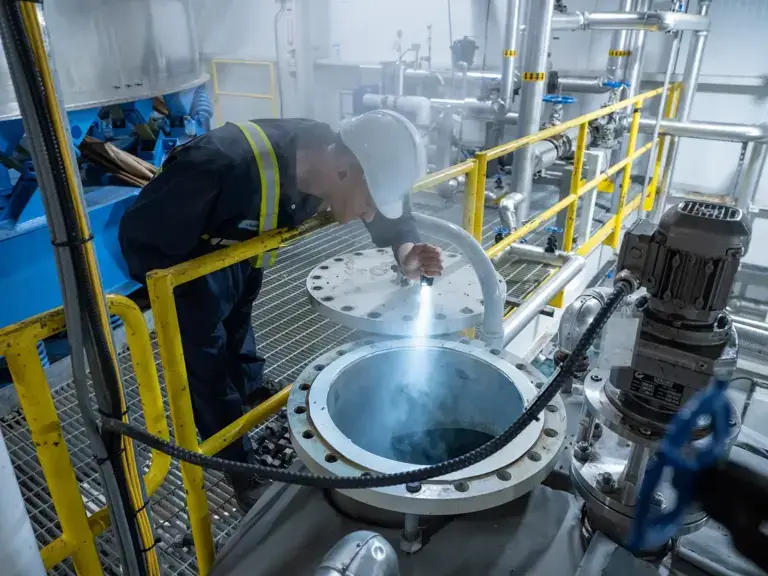
The Swiss Water Process is not only clean, it is efficient. Some 85% of the water used goes back into the process, and the rest returns to the environment as clean water. The caffeine taken out of the beans is captured and sold on for other industrial uses, which cuts waste and keeps the loop closed.
The method does away with chemicals that can harm people and the planet alike, which matters more every year as customers pay closer attention to how their coffee is made.
Who is Swiss Water decaf for?
It is for anyone who wants to drink good coffee at any hour without thinking about the caffeine. That includes people who are sensitive to caffeine, women who are pregnant or breastfeeding, and drinkers who prefer natural, low-impact processing.
It is also versatile. It works as espresso, in milk drinks and in filter methods such as Chemex or French press, and its depth of flavour makes it a good choice for coffee desserts like tiramisu or coffee ice cream.

How to brew decaf well
Because the Swiss Water Process leaves the flavour intact, decaf suits every brewing method. To get the most from it, start with the quality of the beans and the way you prepare them. Grind fresh for a stronger aroma, and use a method such as French press or Chemex to bring out the body and the fruit or floral notes. Store the coffee in an airtight container away from light and moisture and it will stay fresh for longer, which shows up in every cup.
Try our Swiss Water decaf
If you want to find out how good decaf can be, try our Decaf Coffee, Colombia Swiss Water. Every cup is a balance of flavour and aroma that tends to surprise people.
