

When you drink coffee, what do you actually sense? Aroma? Taste? Acidity? Or something more, something hard to put into words, but without which the coffee seems… empty? That something is the body of the coffee, one of the most important and yet least understood concepts in the coffee world.
What is coffee “body”?
In coffee, body refers to the texture of the brew, its physical presence on the tongue. It is the sense of “weight” or “fullness” that stays in your mouth once the coffee has settled on your taste buds. It is not taste and it is not aroma: it is mouthfeel, which makes a coffee creamier and more velvety or, on the contrary, light and watery.
What affects the body of coffee?
1. Processing method
Body starts… on the farm. Coffee can be processed in different ways: dried together with the fruit (natural process), washed, or put through fermentation (honey, anaerobic).
-
Natural coffees (dried with the fruit) usually have a fuller, oilier body.
-
Washed coffees are often lighter and cleaner in taste, and so have a more subtle body.
2. Roast level
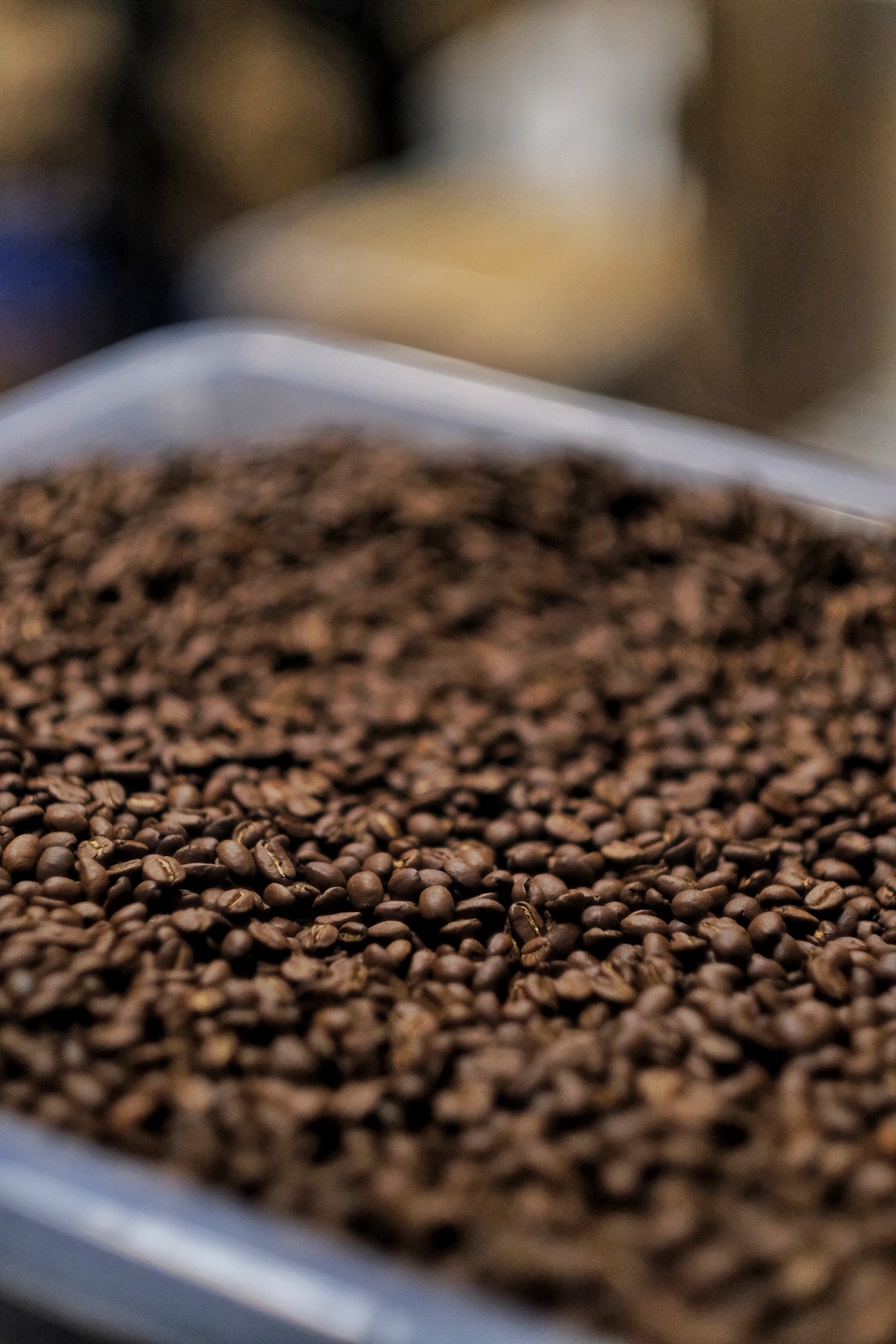
The darker the roast, the more oils come out onto the surface of the beans. The result? A denser brew.
Light-roasted beans, popular in the specialty coffee world, usually have a more delicate body, but they offer a rich range of flavours instead.
3. Brewing method
How you brew your coffee has a huge effect on its body. The rule is simple: the more fine particles and oils get into the brew, the fuller the body:
| Brewing method | Typical body |
|---|---|
| French press | Dense, oily |
| Espresso | Concentrated, creamy |
| Moka pot | Strong, intense |
| Pour-over (Hario V60) | Clean, light |
| Chemex | Subtle, tea-like |
4. Beans and botanical variety
Some coffee varieties, such as Typica, Bourbon and Caturra, naturally offer more depth and fullness than others. The growing region and climate also affect how “heavy” the cup will be.
How to recognise body in practice
During tastings, professional baristas and sensory specialists assess body as one of the key criteria. It can be described with words such as:
-
Creamy: reminiscent of cream;
-
Syrupy: thick, slightly sticky;
-
Oily: with a noticeable “slickness”;
-
Smooth: harmonious and silky;
-
Watery: thin, quickly gone from the tongue.
Body is what makes some coffees stay in your memory for a long time, like a heavy red wine that lingers in the mouth.
Why does body matter?
Because it completes the flavour portrait of a coffee. Even the best aroma and the most interesting flavour profile will not feel complete if the coffee is as flat as water. On the other hand, too heavy a body can be overwhelming, so balance is what matters here.
Body is also a key element when building milk drinks such as cappuccino or latte. A dense body “carries” the milk well, creating a fuller, more satisfying drink.
How to influence body when brewing at home
-
Change the method: a French press or moka pot will give more body than a pour-over.
-
Adjust the grind size: a finer grind in the AeroPress can add body.
-
Experiment with temperature and ratios: sometimes a small change affects the texture of the brew.
-
Try different beans: natural processes and coffees from Brazil or Indonesia are a great starting point.
