Latte and cappuccino are among the most popular milk coffees in the world. You will find them in almost every café, yet many people still wonder exactly how they differ and which one to choose. Although both drinks are made from espresso and milk, they differ in proportions, taste and texture.
The choice between latte and cappuccino often comes down to personal preference: some prefer a gentle, milky coffee, others go for a more pronounced espresso aroma. So it is worth knowing the key differences, so that you always order or make the coffee that suits your taste.
What is a latte and what does it taste like?
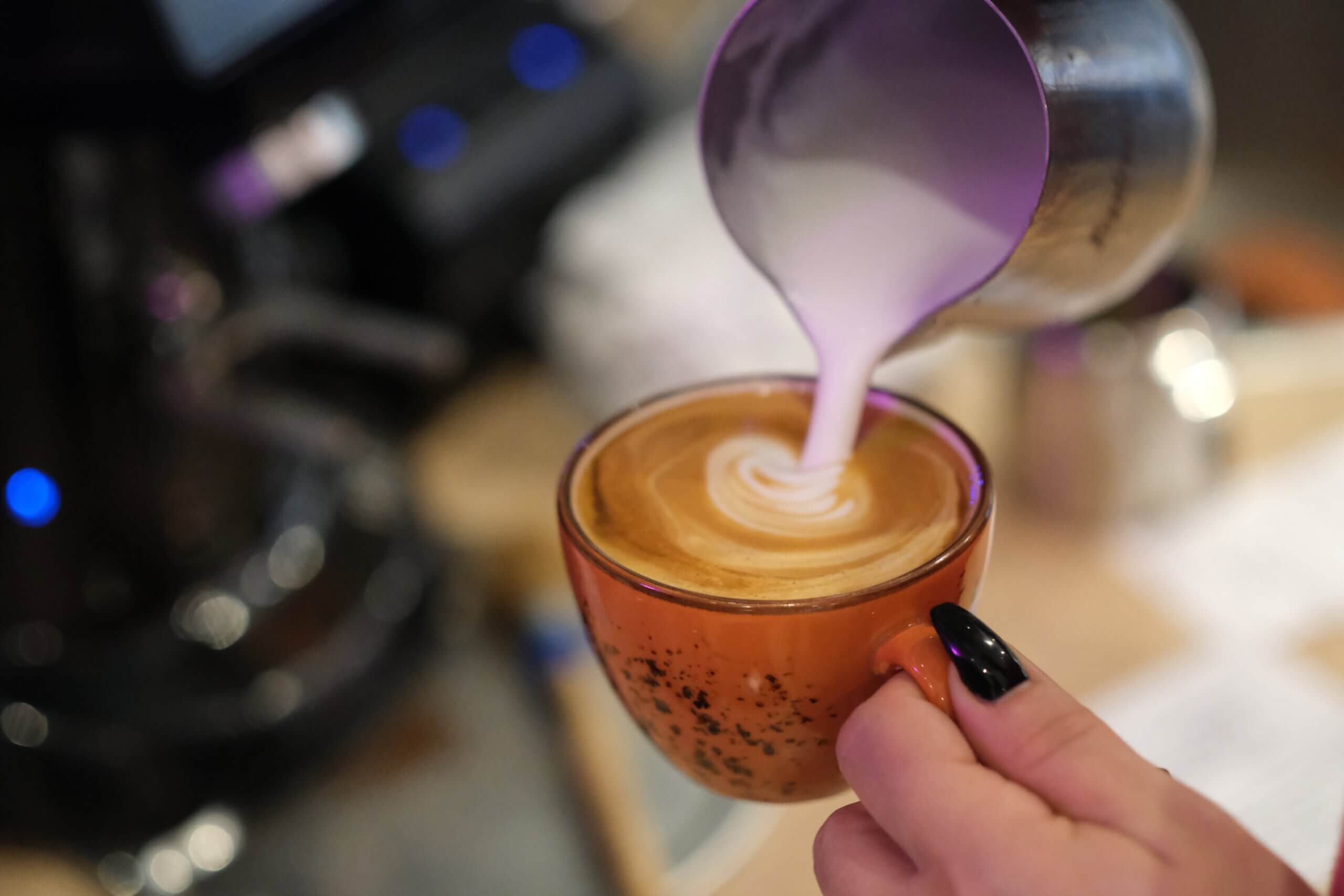
A latte, or classic caffè latte, is one of the most frequently chosen milk coffees. Its defining feature is a large amount of milk, which softens the taste of the espresso and gives the drink a creamy texture. That makes a latte gentle, subtle and enjoyable even for people who are not keen on the intense bitterness of coffee.
A latte is made on the same espresso base as a cappuccino (single or double, depending on the café), topped with a large amount of steamed milk and a thin layer of foam. This proportion makes the coffee light and milky, and it works well as a morning drink or a companion at the computer.
What is a cappuccino and what makes it different?
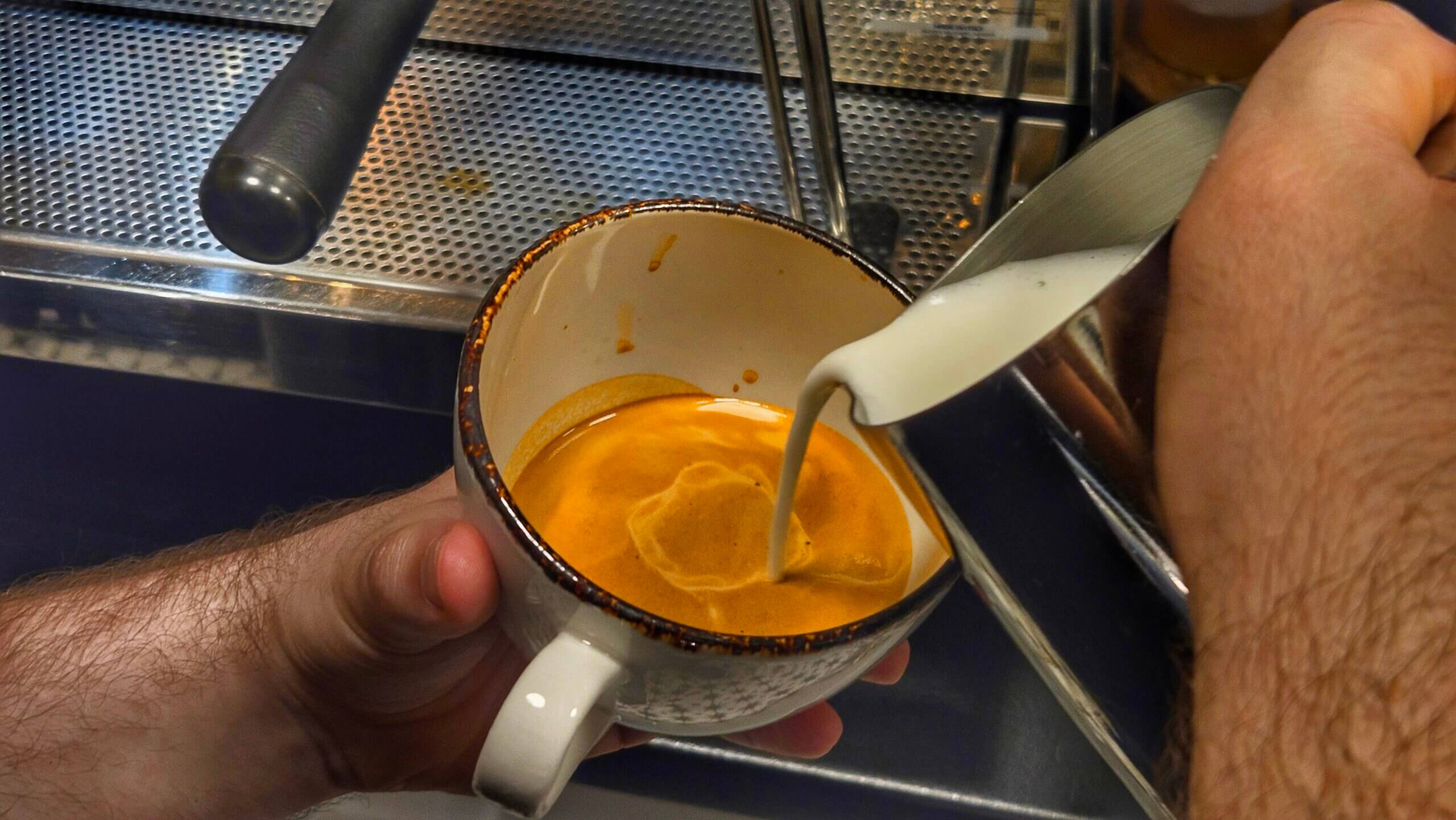
Cappuccino is one of the most classic coffees. Unlike a latte, it contains much less milk, and its signature is a thick, airy layer of foam on top. As a result the taste of the espresso comes through more, and the drink as a whole has a more distinct character.
A cappuccino combines espresso, hot milk and dense foam in similar proportions. That balance makes the coffee intense but velvety at the same time.
The main differences between latte and cappuccino
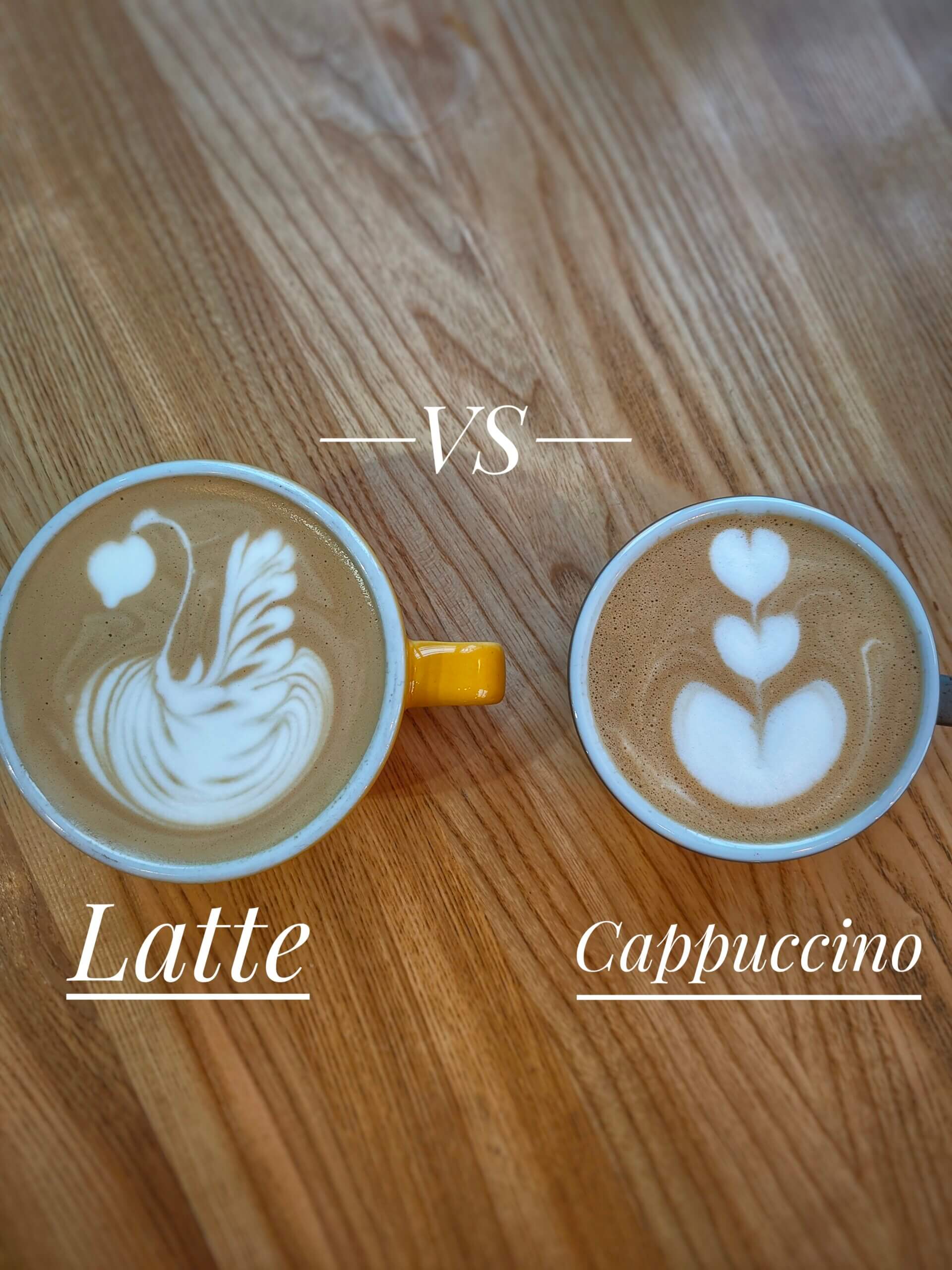
The basic difference between a latte and a cappuccino lies in the amount of milk and the structure of the foam. A latte contains more milk, which makes it milder and creamier. A cappuccino has less milk, but a thicker foam and a more pronounced coffee aroma.
The volume of the drinks differs too. A latte is usually served in a larger glass or cup, while a cappuccino is smaller. In practice this means a latte lasts longer, and a cappuccino is more concentrated.
| Feature | Cappuccino | Caffè latte (classic latte) |
|---|---|---|
| Total volume | ~150-200 ml (most often 170-190 ml) | ~240-360 ml (most often around 300 ml) |
| Espresso | Single or double, depending on the café | The same as in a cappuccino |
| Steamed milk | ~100-140 ml | ~220-280 ml |
| Milk foam | Thick layer of 1-2 cm (≈1/3 of the volume) | Thin layer of 0.3-1 cm (often <5 mm) |
| Proportions (approximate) | 1:1:1 (espresso : milk : foam) | 1:5-1:8+ (espresso : milk + thin foam) |
| Taste | Distinct espresso, velvety, balanced | Very mild, milky, espresso in the background |
| Texture | Denser, more “airy” foam | Creamy, smooth, more “silky” |
| Cup or glass | Small cup (150-200 ml) | Tall glass or large cup |
| Calories (approximate, whole milk) | ~80-120 kcal | ~140-220 kcal |
| Who it is for | Those who like a distinct coffee with a milky “cap” | Those who mainly want milk with a light hint of coffee |
Which coffee to choose for milk drinks?
For lattes and cappuccinos, dark or medium roasts with low or moderate acidity work best. Beans with notes of chocolate, caramel or nuts pair beautifully with milk and give the drinks a harmonious flavour.
High-quality, freshly roasted coffee makes even a simple latte or cappuccino taste like one from a good café.
Summary: latte or cappuccino?
The difference between a latte and a cappuccino comes down mainly to the amount of milk and the intensity of flavour. A latte is gentle, milky and creamy, while a cappuccino offers a more pronounced coffee aroma and airy foam.
If you like mild coffees you can sip slowly, a latte is the right choice. If you value the classics and a more intense espresso flavour, a cappuccino will suit you better.
FAQ: latte and cappuccino
What is the difference between a latte and a cappuccino?
A latte contains more milk and a thin layer of foam, so it is gentler and creamier. A cappuccino has less milk, thicker foam and a more pronounced espresso flavour.
Is a cappuccino stronger than a latte?
In taste, usually yes, because it contains less milk. In terms of caffeine they are the same, because both are made on the same espresso base.
Do a latte and a cappuccino contain the same amount of caffeine?
Yes. Both are usually made on the same espresso base, single or double depending on the café, so the caffeine is the same. A latte simply has more milk, so it tastes milder.
Can you add flavoured syrups to a latte or cappuccino?
Yes. You can add syrups such as vanilla, caramel or hazelnut to both drinks. They are most often used in a latte, because they pair better with a larger amount of milk.
