

Hojicha, the roasted Japanese green tea, is an increasingly popular alternative to matcha, both in cafés and in home kitchens. This guide covers how to brew hojicha step by step, how to prepare it, how to combine it with milk and how to get the flavour right without lumps or harsh bitterness. By the end you will know how to make an aromatic hojicha drink with very little fuss.
What makes hojicha so popular?
Hojicha stands out for its gentle roasted aroma, with notes closer to coffee, cocoa and nuts. That makes it an easy fit for anyone looking for an alternative to coffee or to the intensity of matcha.
The flavour is mild, a little sweet and free of sharp bitterness. It works on its own and equally well as the base for milk drinks, desserts and seasonal specials.
Which is exactly why hojicha keeps appearing on the menu in newer cafés.
What you need to make hojicha at home
You do not need professional barista kit. A few simple bits will get you a smooth, even consistency.
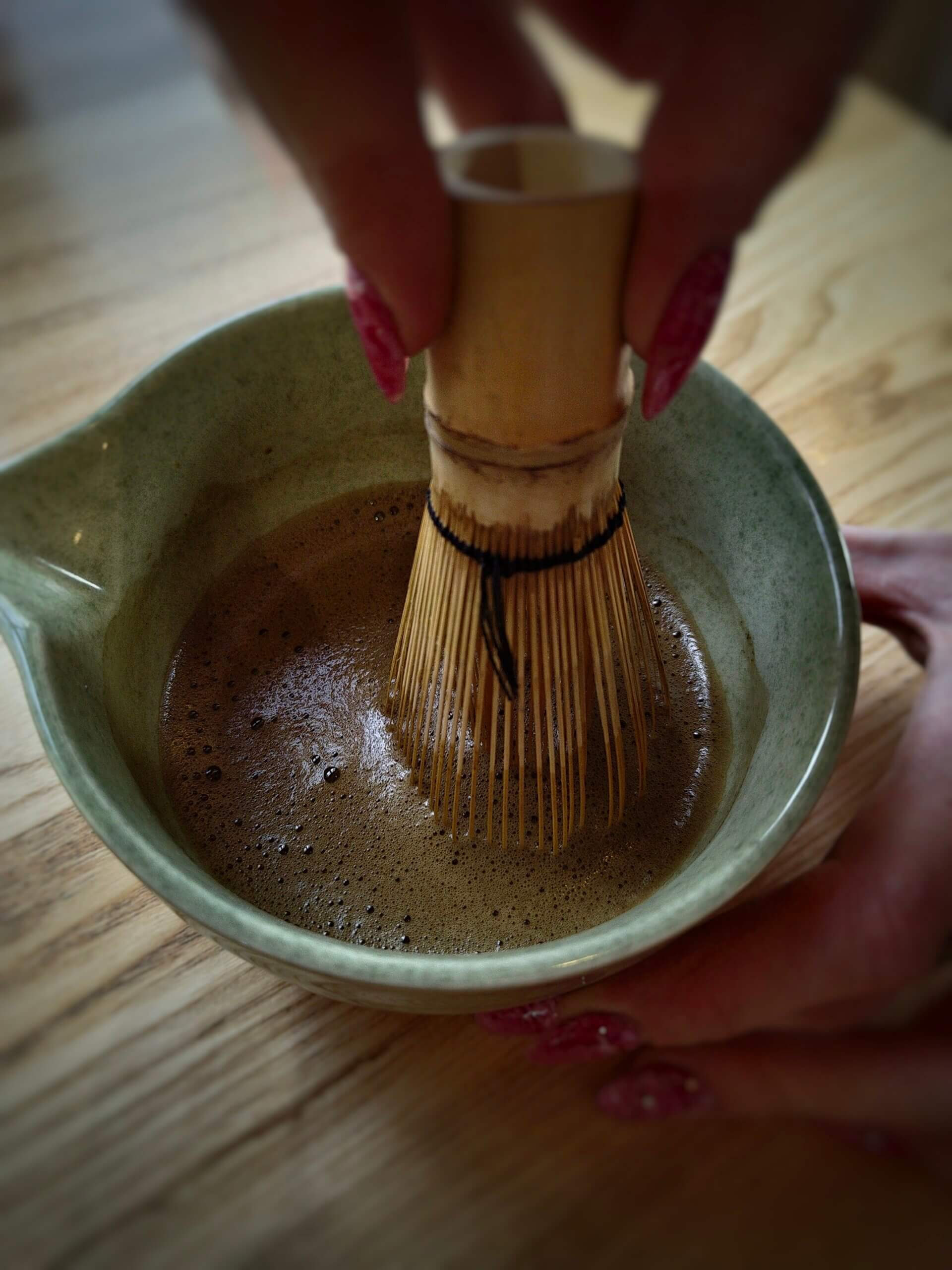
What matters most is a vessel to mix in and something to disperse the tea properly through the liquid. A small whisk, a milk frother or a classic bamboo whisk will all do. Add a mug, a cup or a jug, and a kettle of hot water.
That is enough to make hojicha both straight and with milk.
What water temperature works best for hojicha?
Water temperature has a real effect on both flavour and texture. The best results come from water at around 80 to 85°C.
Water that is too hot flattens the aroma and pulls the flavour out of balance. Water that is too cool makes it harder to disperse the tea evenly.
If your kettle has no temperature control, boil it and wait roughly two minutes before you pour.
How much hojicha should you use?
The right ratio gives you a drink with clear flavour that still stays gentle.
The usual figure is around 1 to 2 grams of hojicha per 150 to 200 ml of liquid. For a milk version you can push the dose up slightly so the flavour still comes through clearly once the milk is in.
Try different ratios to find the one that suits your own taste or the profile of your café.
How to make hojicha step by step
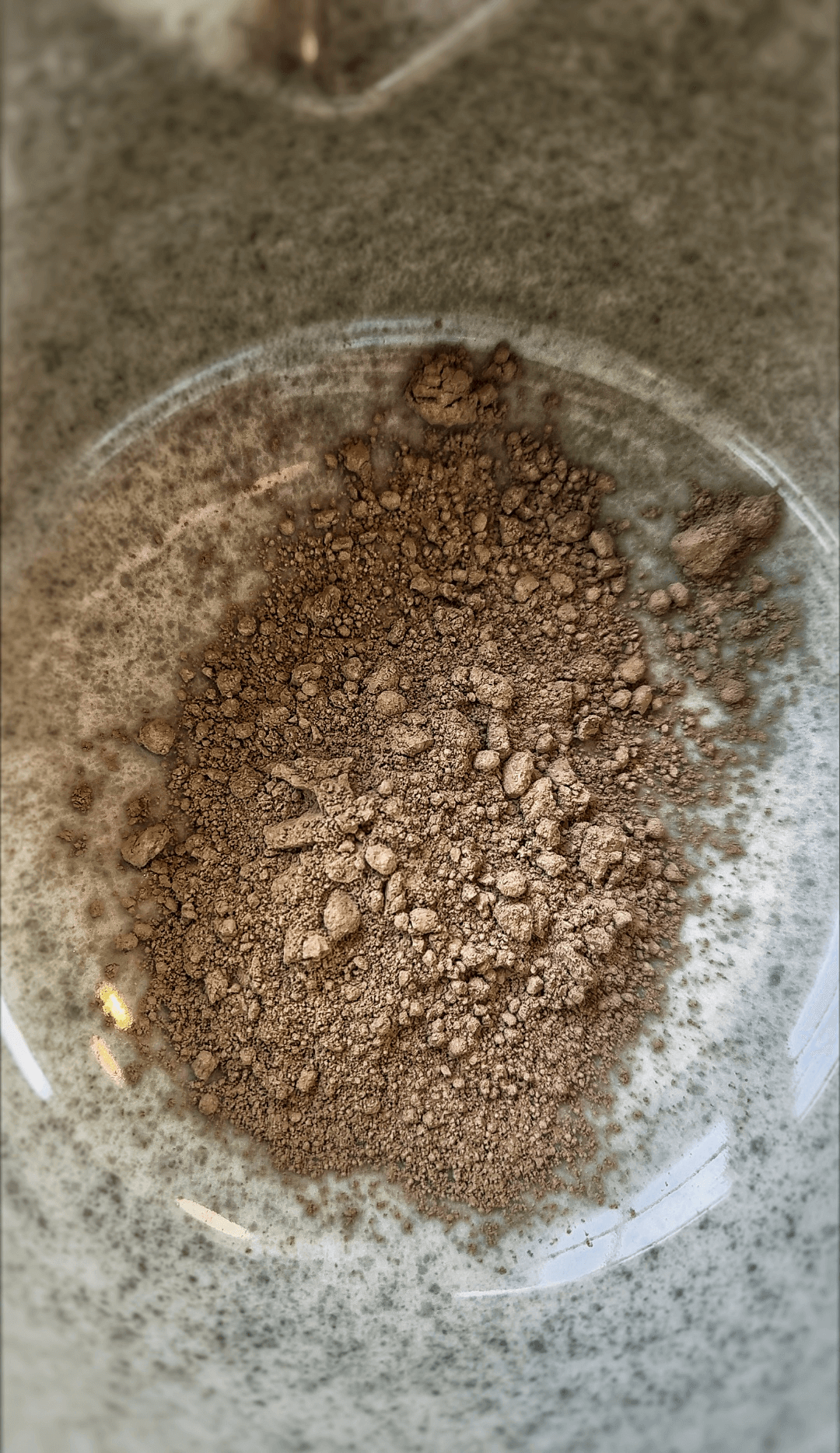
Making hojicha is quick and intuitive. Heat the water to the right temperature first. Then measure the hojicha into a bowl or a mug.
Next, add a small amount of the hot water and mix thoroughly until you have a smooth paste with no lumps. Then top up with the rest of the water, or with warmed milk, and mix or froth again.
That gives you an even consistency and a creamy texture.
How to make a hojicha latte and other milk versions
The most common problem is not mixing thoroughly enough, which leaves lumps. Just as common is using too little hojicha, so the drink tastes of very little.
Pouring water straight off the boil is another mistake, as is skipping the paste stage. Small things, but they shape the result.
Watch those details and a professional result is easy enough.
The short version: how to get hojicha right
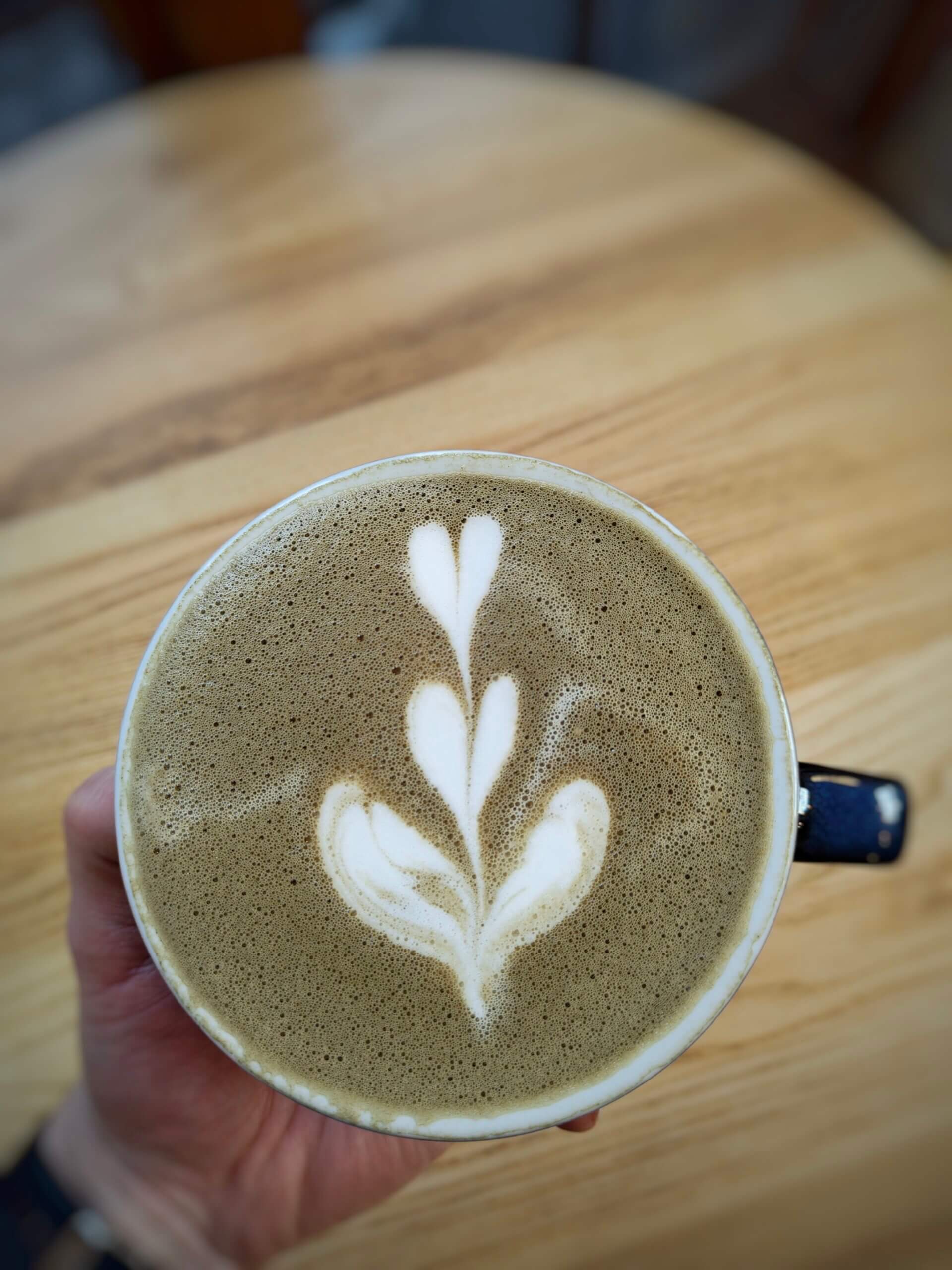
Hojicha is not complicated as long as you keep a few things in mind: the right temperature, the right ratio and thorough mixing. Do that and you get a smooth, aromatic drink that works at home and on a café bar.
Hojicha is a good choice for anyone after something gentler than coffee and creamier than ordinary tea.
FAQ: the most common questions about hojicha
Is hojicha suitable for people who do not like the taste of coffee?
Yes. Hojicha has gentle roasted notes but none of the bitterness or acidity of coffee. For a lot of people it is the milder everyday option.
Is hojicha suitable for children and people sensitive to caffeine?
Hojicha usually contains considerably less caffeine than coffee or matcha. That is why it is often chosen by people sensitive to stimulants, and for drinking in the afternoon.
Why does hojicha sometimes taste weak?
Usually because there is too little tea in the cup, because it has been open too long, or because it was not mixed properly. Freshness and careful preparation matter.
Can you use hojicha in desserts and baking?
Yes. Hojicha works well in desserts, ice cream, cakes, custards and tiramisu, giving them a coffee and nut character without dominant bitterness.
How long does hojicha keep its flavour once opened?
Use it within a few weeks of opening. Stored airtight, away from light and moisture, it holds its aroma and freshness for longer.
