Hojicha, the roasted green tea powder from Japan, turns up on more and more café menus. People usually want to know the same things: what hojicha actually is, how it is made, and how it compares with matcha and ordinary green tea.
Roasting gives hojicha its distinctive aroma, a low caffeine content and a mild, caramel and nut flavour profile. Here is where the popularity comes from and why it is worth a try.
What is hojicha and how is roasted green tea made?
Hojicha is a Japanese green tea made by roasting the leaves at high temperature. Most of it starts from sencha or bancha leaves, which are dried after harvest and then roasted in special pans.
What roasting does
-
the leaves turn from green to brown,
-
the tea loses some of its caffeine,
-
a deep, distinctive aroma develops,
-
the taste becomes milder and less bitter.
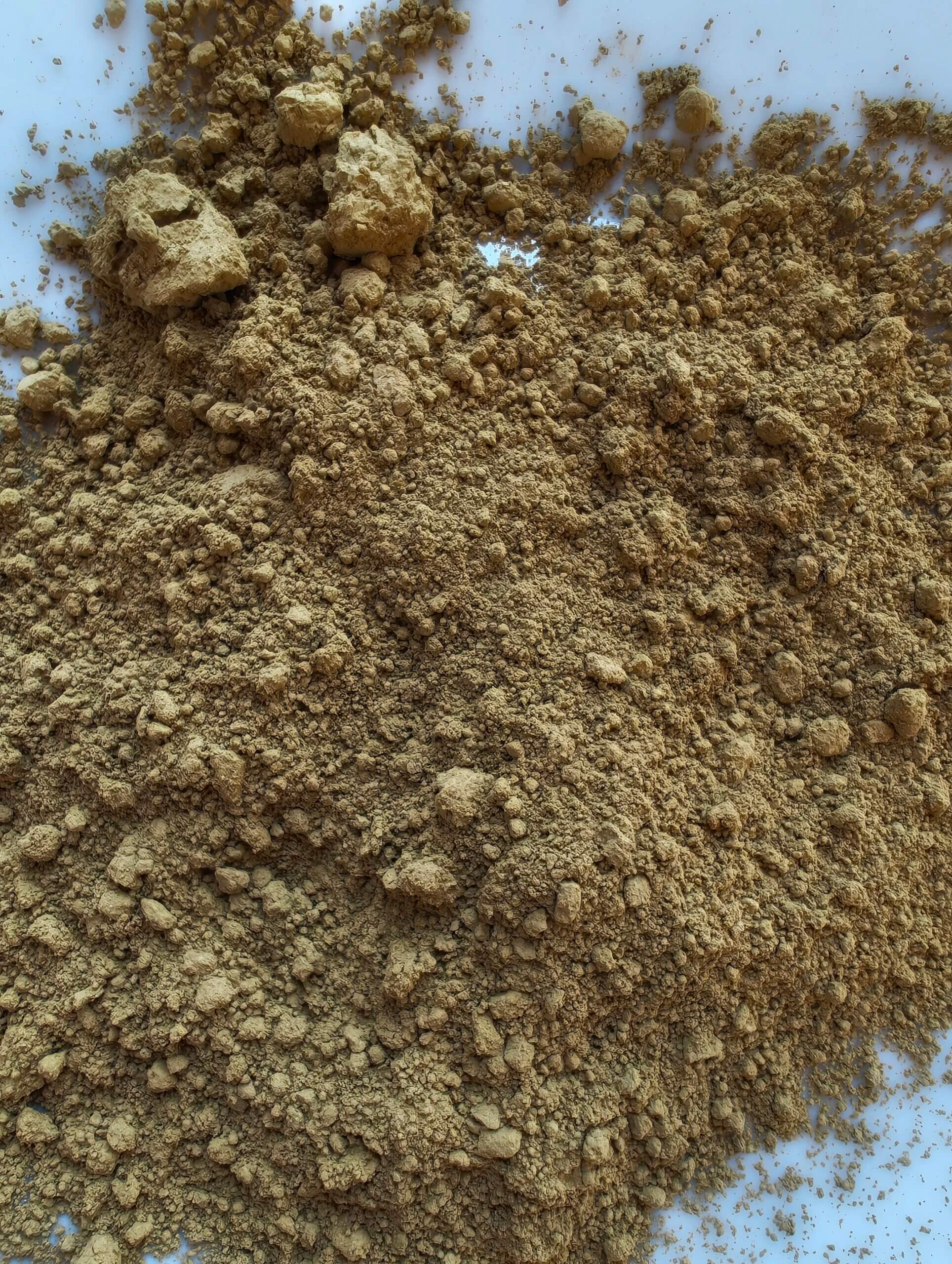
Hojicha powder is gaining ground too, made by grinding the roasted leaves to a fine dust. That form goes mainly into hojicha latte, desserts and milk drinks in cafés.
Unlike ordinary green tea, hojicha has none of that intense grassy taste. Roasting brings out caramel, cocoa and nuts instead, notes that sit close to the aroma of a gentle coffee.
It is that production step that makes hojicha stand apart from other teas, and increasingly the choice for anyone after an alternative to coffee and matcha.
How does hojicha taste, and how is it different from matcha?
Hojicha tastes clearly different from ordinary green tea and from matcha. Roasting the leaves gives it a mild, warm profile with caramel, nuts and cocoa.
Anyone wondering what hojicha tastes like is often surprised by the absence of sharp bitterness and grassiness. Next to matcha it is far gentler and much easier to get on with.
The main differences between hojicha and matcha:
-
hojicha has a roasted, slightly coffee-like aroma,
-
matcha is intensely green and grassy,
-
hojicha is milder and less bitter,
-
matcha is the bigger stimulant.
That makes hojicha a good pick if you never took to the strong taste of green tea but still want something out of the ordinary.

Does hojicha contain caffeine, and what does it do?
Hojicha has considerably less caffeine than coffee, matcha or ordinary green tea. The roasting is what reduces it.
As a result, hojicha:
-
does not give you a strong lift,
-
is gentle on the nervous system,
-
can be drunk in the afternoon and the evening,
-
does not have a negative effect on sleep.
That makes it a good alternative for anyone cutting down on caffeine who still wants an aromatic drink.
The health properties of hojicha
Like other green teas, hojicha contains natural antioxidants that support the body.
Drinking hojicha regularly may:
-
aid digestion,
-
have a mildly relaxing effect,
-
support concentration without overstimulation,
-
help reduce stress.
Low caffeine and gentle properties together mean hojicha works through the day and as an evening drink.

Hojicha latte: why order one?
Hojicha latte is a modern reading of a Japanese tea, roasted green tea powder with lightly steamed milk. It comes out creamy, with a warm and well ordered flavour.
Compared with coffee or matcha latte it is far gentler, which makes it work both for a morning break and for the quieter part of the day. A good option if you want an alternative to the usual caffeinated drinks without giving up quality or aroma.
At our café we make hojicha latte with a high grade powder, watching the ratio and the temperature. That brings out the natural roasted notes and keeps the flavour consistent from cup to cup.
Hojicha in short
Hojicha is a roasted green tea with an unusual production method, a mild taste and plenty of uses in a modern café. Straight or as a hojicha latte, it is an interesting proposition for anyone looking for a calmer alternative to coffee.
Low caffeine, gentle aroma and versatility are putting hojicha on more and more specialty café menus. Its popularity grows alongside customers who pay attention to quality, origin and how a drink is made.
If you want to see another side of tea and try something beyond the usual, hojicha may be exactly right.
FAQ: common questions about hojicha tea
How does hojicha differ from matcha and ordinary green tea?
Hojicha is a roasted green tea, so it has a mild, slightly caramel taste and far less caffeine than matcha or sencha. It is gentler on the stomach and more dessert-like in profile.
Does hojicha contain caffeine?
Yes, hojicha contains a small amount of caffeine, though much less than coffee, matcha or ordinary green tea, which makes it a good option for the afternoon or evening.
How should I store hojicha powder?
In an airtight container, somewhere dry, cool and dark, away from moisture and strong smells.
Can hojicha be used in desserts and baking?
Yes. Hojicha powder works beautifully in desserts, ice cream, creams and baking, thanks to its caramel aroma.
Why does my hojicha sometimes taste too smoky?
An overly smoky taste usually comes from a heavy roast or too much powder. Use less, or choose a milder version.
