

Steaming milk on an espresso machine is a key part of making milk drinks such as cappuccino or latte. Well-steamed milk should be smooth, creamy and slightly sweet.
In this guide we show you how to steam milk on an espresso machine in a simple, effective way.
How to steam milk on an espresso machine
Step 1: Pour the right amount of milk into the jug
Pour cold milk into a stainless steel milk jug up to the bottom of the spout. This amount leaves room to aerate the milk and stops it overflowing while you steam. 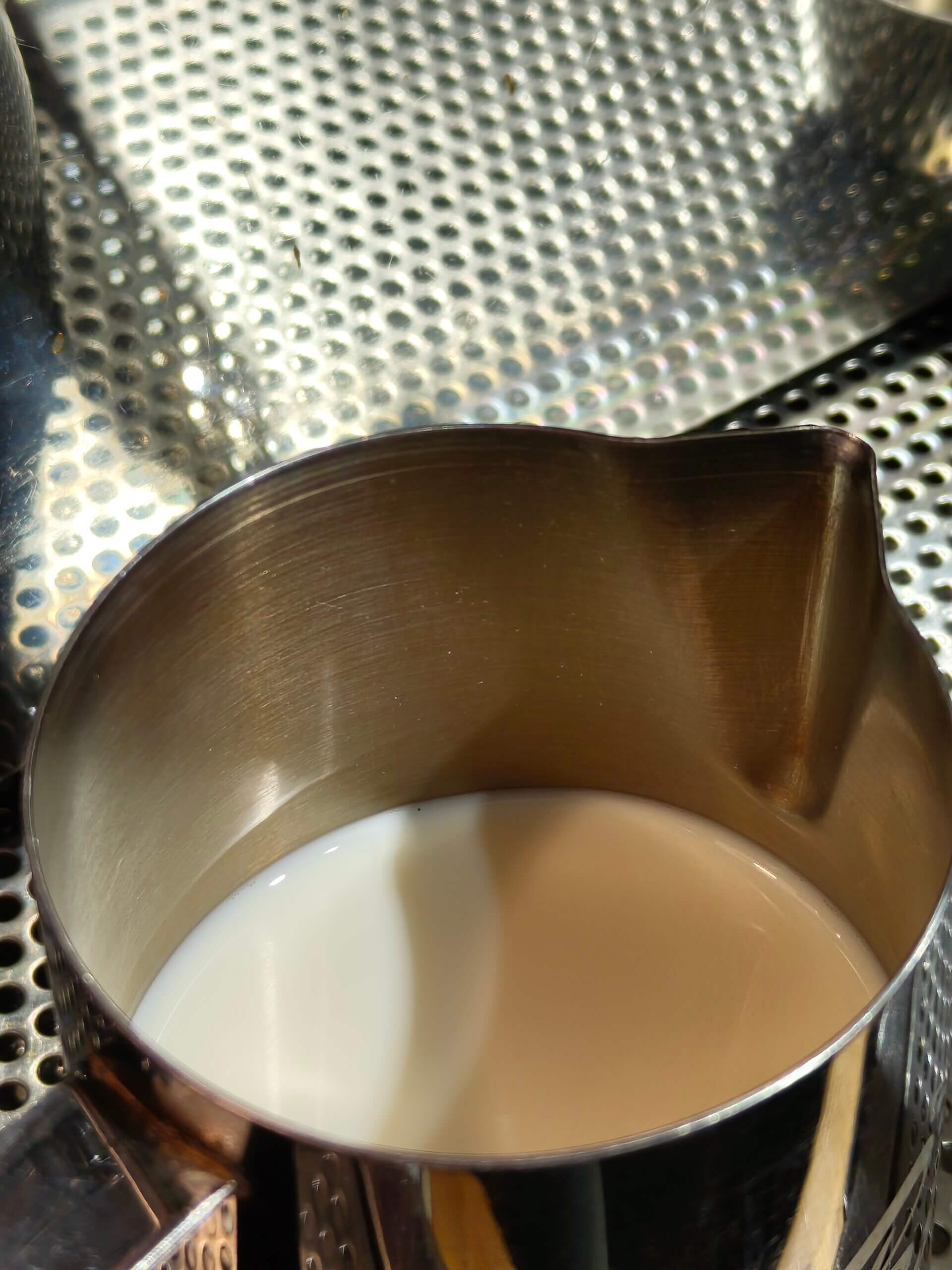
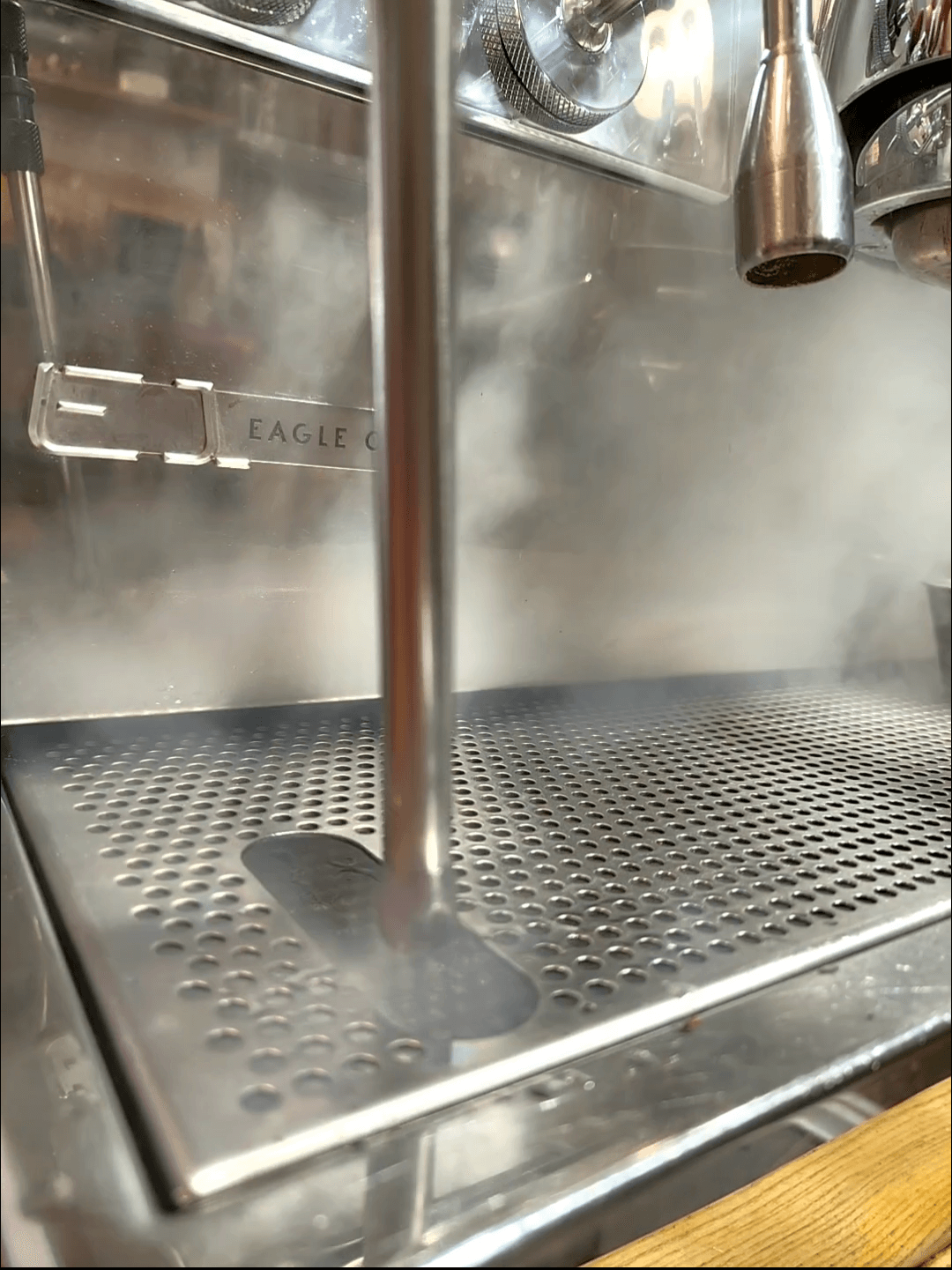
Step 2: Purge the steam wand
Before you start steaming, open the steam for a moment to clear condensed water from the wand. That way only dry steam goes into the milk, which makes it easier to get smooth foam.
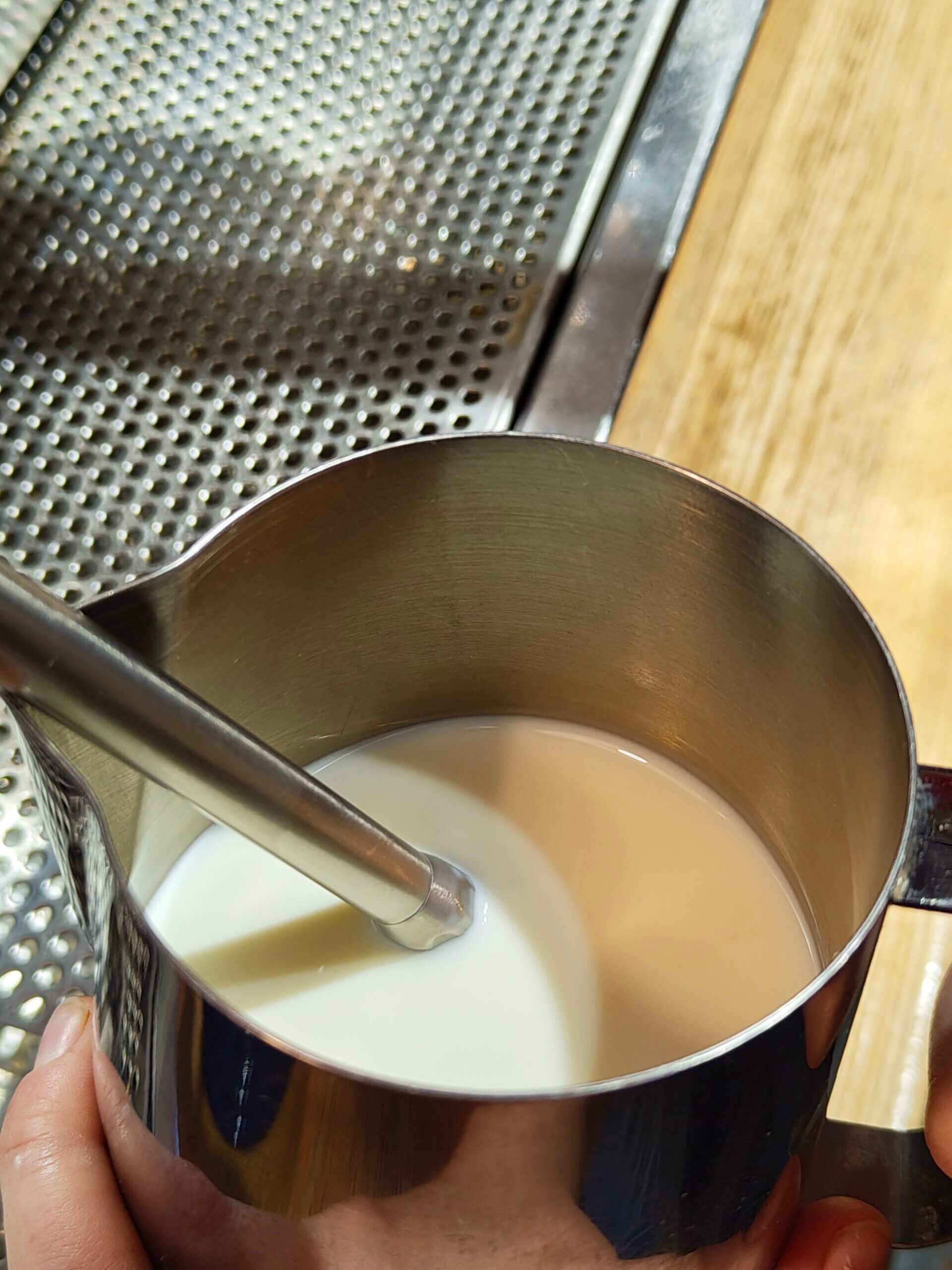
Step 3: Set the jug and wand at the right angle
Place the tip of the wand just below the surface of the milk, tilting the jug slightly. The steam should gently draw in air, making a quiet sound without loud splashing.
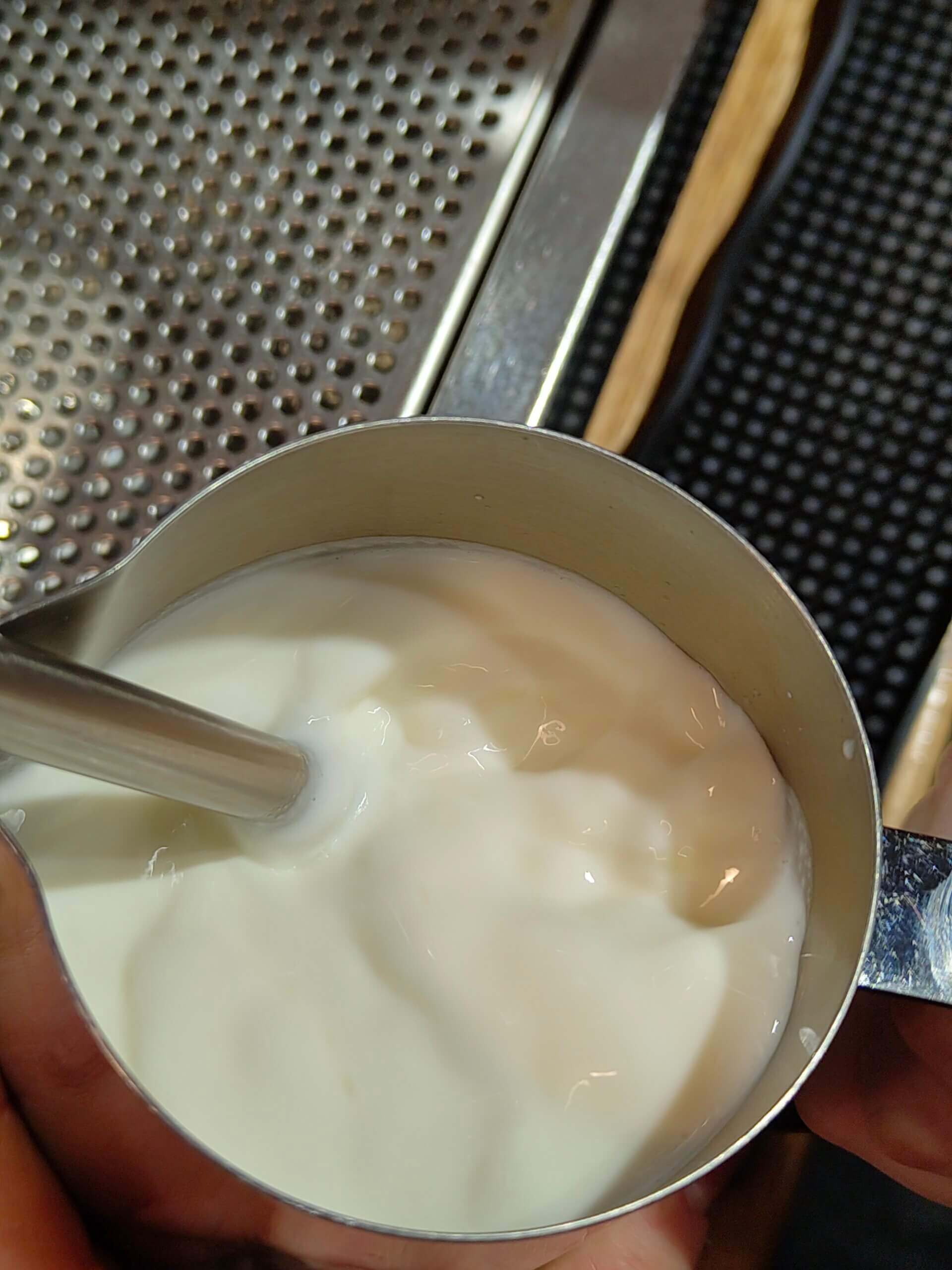
Step 4: Aerate only at the start, then heat the milk to the right temperature
Aerate the milk for the first few seconds, until its volume increases slightly. Then lower the wand deeper to focus on heating the milk and smoothing its texture.
Keep steaming until the milk reaches 55-65°C: the jug feels hot to the touch but you can still hold it in your hand. Sweetness peaks at around 60-65°C. Above 70°C the milk scalds and tastes flat.
Step 5: Smooth the milk after steaming
When you have finished steaming, gently tap the jug on the counter and swirl the milk in a circular motion. This removes larger air bubbles and gives an even, creamy texture.
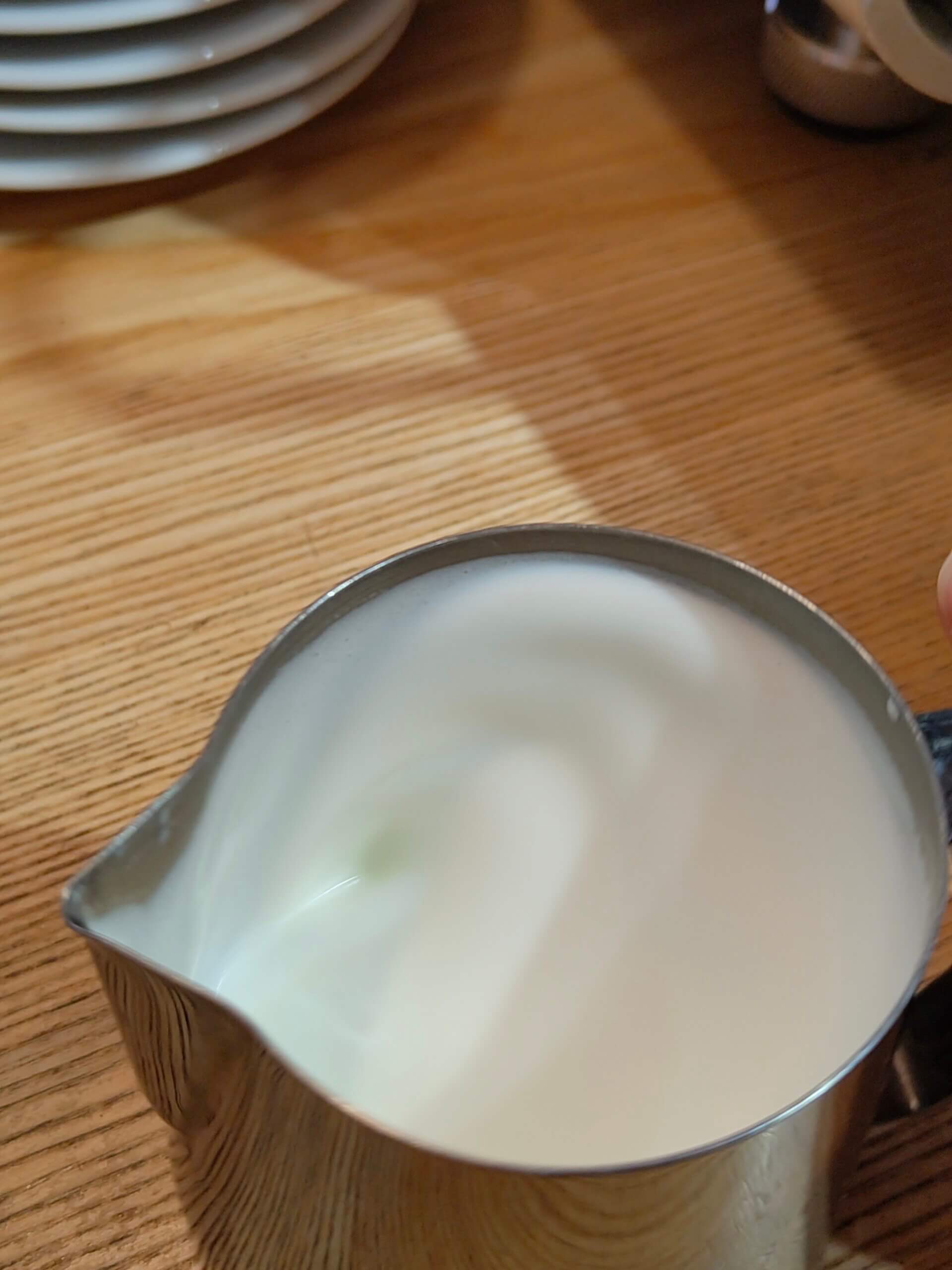
The most common milk steaming mistakes
Too much milk in the jug
Pouring in too much milk makes aeration harder and the process more difficult to control. The milk easily overheats or spills, and the foam comes out uneven.
The steam wand too deep
If the wand sits too deep from the start, the milk only heats up without forming proper foam.
Aerating for too long
Aerating the milk should be short. Adding air for too long produces stiff, “dry” foam with large bubbles.
Overheating the milk
Milk heated above 70°C loses its natural sweetness, and the foam quickly breaks down and blends less well with the coffee.
Skipping the smoothing step
If you do not tap the jug and swirl the milk, the foam stays uneven and less creamy.
In summary: steaming milk on an espresso machine takes practice
Steaming milk on an espresso machine is a skill that requires understanding the process and regular practice. The right amount of milk, correct wand position and control of aeration and temperature all directly affect the texture and taste of the steamed milk. With time and experience you can get a smooth, creamy texture that blends well with espresso and brings out the full character of milk drinks.
FAQ: how to steam milk on an espresso machine
Which milk is best for steaming on an espresso machine?
Fresh, well-chilled milk with 3-3.5% fat works best. Lactose-free milk also steams well.
Why won’t the milk foam on my espresso machine?
The most common causes are milk that is too warm, a dirty steam wand, poor technique or the wrong type of milk.
How do you use a steam wand correctly?
Place the wand just below the surface of the milk and aerate it gradually until you get a dense, creamy foam.
Can you get good milk foam from a bean-to-cup machine?
Yes. Most modern bean-to-cup machines have a milk system that produces stable, airy foam.
How do you look after the steam wand?
After each use, purge the wand with steam to remove milk residue. Every now and then, clean it more thoroughly with dedicated espresso machine cleaning products.
