Single-origin coffee from Central America is a real find for specialty coffee lovers. The region is known for beans with gentle acidity, balanced flavours and rich aromas, all shaped by growing on volcanic soils at high altitude. If you are wondering how to choose the right whole bean coffee from countries such as Guatemala, El Salvador or Costa Rica, this guide walks you through the key factors and explains why these coffees are so highly rated, and how to avoid the common buying mistakes.
What sets Central American single-origin coffees apart?
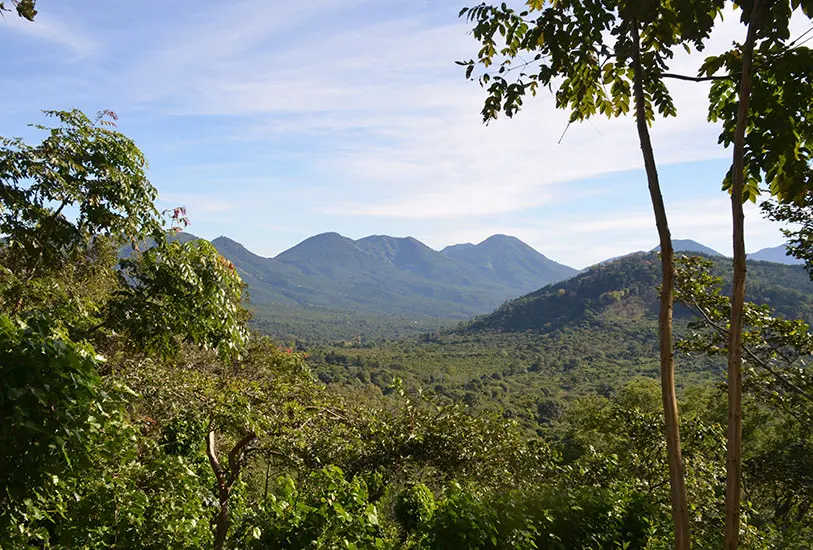
Coffees from Central America, including Guatemala, El Salvador, Honduras, Nicaragua, Costa Rica and Panama, tend to have a light to medium body, a clean, refreshing taste and balanced aromas with a moderate to high but pleasant acidity. That comes from the cherries ripening slowly at altitudes above 1,200 m a.s.l., which builds complexity. Unlike Brazilian coffees, which often have low acidity and heavier chocolate-and-nut notes, partly down to lower growing altitudes and the popular natural process, Central American coffees stand out for their fruity freshness and elegance. That makes them ideal for a lighter or medium roast.
At our roastery, we usually roast coffees from this region to a medium level, to balance their natural acidity with the sweetness that comes from caramelisation. For comparison, Peruvian coffee from the Chanchamayo region, although it comes from South America, shares a chocolate profile with roasted almonds and a medium body, making it a gentler alternative. Peru Chanchamayo, in our range, is a good example, with intense notes of chocolate and butter-roasted almonds that work brilliantly for everyday brewing.
These regions benefit from volcanic soils and varied microclimates, which give the coffees a distinct character, from floral notes through to chocolate. Compared with African coffees, which more often bring citrus and fruity freshness, Central American single origins tend to be more balanced and gentler on the palate. They highlight clarity and sweetness, which makes them versatile across brewing methods.
Key criteria for choosing good whole bean coffee
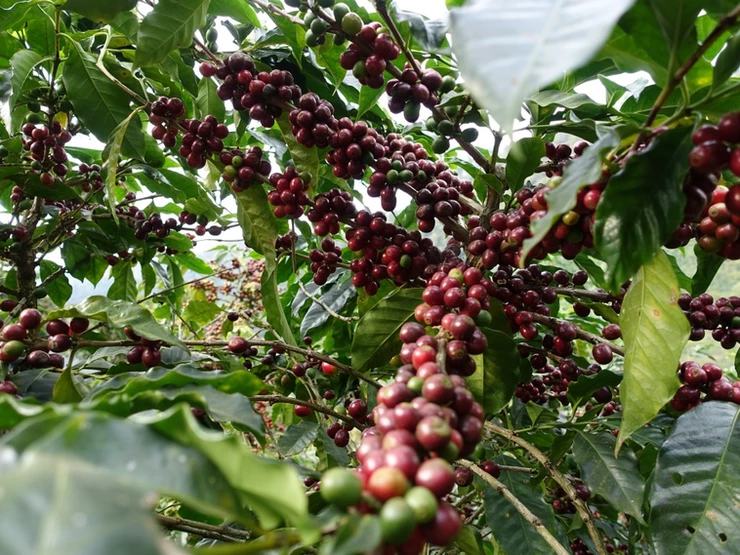
When choosing single-origin coffee from Central America, it is worth starting with the label. Information about the farm, region, variety and processing method genuinely shapes the flavour profile. Growing above 1,500 m a.s.l. slows down how the cherries ripen, which gives denser beans and more aromatic complexity. Roast freshness matters just as much, ideally within about 4 weeks of the roast date, to keep the full range of aromas intact.
Classic varieties such as Bourbon or Caturra give a harmonious, balanced character. The processing method shapes the flavour further: washed gives a clean profile and subtle acidity, while honey brings more sweetness and softness.
It is also worth looking for a cupping score above 85 points, which confirms specialty-grade quality. Guatemalan coffees such as Guatemala Huehuetenango Espresso, in our range, for example, offer deep notes of milk chocolate, maple syrup, plum and sweet orange, showing off the structured yet pleasant acidity typical of that region.
El Salvador coffees, such as Salvador Finca La Reforma from the same roastery, stand out for elegant notes of chocolate, black tea and peach, low bitterness and a subtle sweetness that comes from the volcanic soils of the Santa Ana region.
Finally, it is worth avoiding blends with no detailed information behind them. Single-origin coffees are the best way to taste terroir, the unique influence of environment, climate and soil on the flavour of the beans.
Popular regions and their flavour profiles
Every Central American country has its own characteristic flavour profile. Guatemala is known for notes of chocolate, caramel and red apple, paired with a pronounced but elegant acidity. These are deep, complex, lightly fruity coffees. Costa Rica is associated with a very clean profile, citrus freshness and honeyed sweetness, especially in honey-processed coffees. El Salvador offers a harmonious mix of chocolate, pralines, nuts and delicate stone fruit, while Honduras and Nicaragua lean towards cocoa, nougat and an easy, natural sweetness.
By comparison, coffee from Colombia, especially the Antioquia region, shares notes of caramel, nuts and red fruit with Central America, but usually has gentler acidity and a rounder character, making it exceptionally versatile. Beans from Mexico likewise offer caramel, nuts and delicate chocolate with low acidity, echoing the denser, creamier profiles typical of Honduras.
Practical tips for buying and brewing
Start by working out which style actually suits you, rather than chasing fashionable region names. If you want an everyday coffee with clear sweetness and low acidity, look at chocolate-and-nut profiles from Central or South America. These beans work well in espresso and moka pots, giving a dense body and a flavour that holds up well in milk. If you prefer freshness and light fruitiness, go for lighter roasts meant for pour-over methods.
Buy your coffee from roasters and specialist shops, where you can see the roast date, region and processing method. Freshness genuinely affects the flavour, especially with single-origin coffee. Aim for beans roasted no more than a few weeks earlier, and grind them just before brewing.
Matching the roast to the brewing method matters a great deal. A light roast works best in filter brewers such as a V60 or Chemex, where it highlights the coffee’s natural sweetness and clarity. A medium roast is the most versatile option for espresso, bean-to-cup machines and espresso machines, balancing acidity, sweetness and chocolatey depth.
If you are after a single-origin decaf, look for beans decaffeinated using a water process. That method keeps the coffee’s natural character without leaving a chemical aftertaste. Mexico El Tucan Decaf, in our range, is one example: it has a creamy body with notes of banana bread, milk chocolate and yellow apple, and works well both in espresso and in alternative brewing methods.
FAQ: choosing single-origin coffee from Central America
What is the difference between single-origin coffee and a blend?
Single-origin coffee comes from a single country, region or farm and reflects the unique character of that place. Blends combine beans from different sources to get a consistent flavour.
Which Central American coffee works best for espresso?
Chocolate-and-nut profiles with a medium roast work best for espresso, such as coffees from Guatemala, El Salvador or Honduras. They give a full body and good sweetness.
What should you check before buying single-origin coffee?
Check the roast date, growing altitude, processing method and cupping score. The best specialty coffees score above 85 points and come with a clearly described origin.
What is the best way to store whole bean coffee?
Store coffee in an airtight container, away from light, moisture and heat. A bag with a one-way valve or a vacuum-sealed container works best.
