

Kenya is one of the most distinctive coffee-growing countries in the world. Coffees from this region are known for their high acidity, an intense fruity profile and remarkable juiciness. In the specialty coffee world, Kenya is often seen as one of the most expressive and lively origins, the kind that stands out clearly in the cup.
| Country | Kenya |
| Regions | Nyeri, Kirinyaga, Embu |
| Altitude | 1,400-2,000 m a.s.l. |
| Process | Washed (double fermentation) |
| Profile | Blackcurrant, citrus, fruit |
What sets Kenyan coffees apart?
Kenyan coffees are among the most expressive in the world. They combine high, very clean acidity with an intense fruity profile, often showing notes of blackcurrant, citrus and red fruit. They tend to be juicier and more dynamic than the classic profiles you get from Brazil or Colombia.
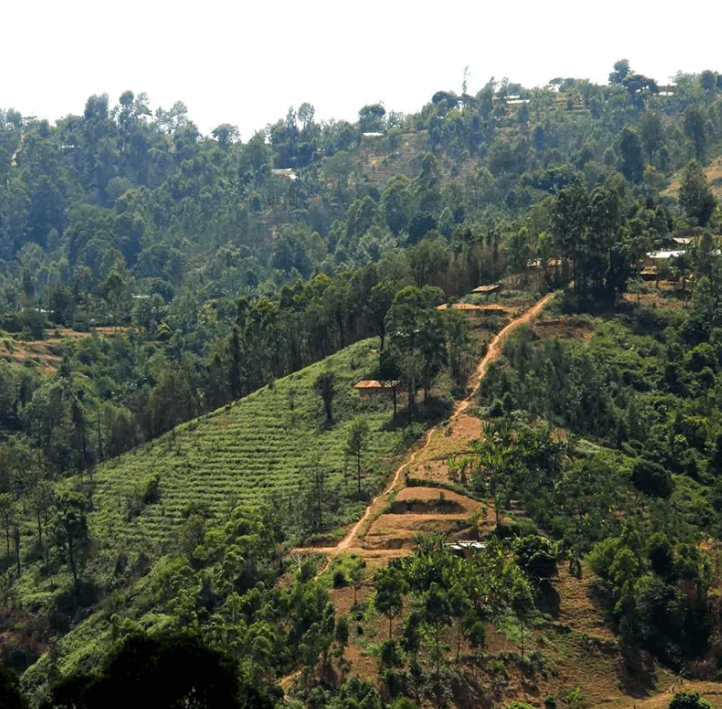
How do growing conditions in Kenya shape the flavour?
Kenya has high-altitude farms and fertile volcanic soils. Altitude often exceeds 1,500 m a.s.l., which slows down how the cherries ripen and concentrates the flavours. On top of that, Kenya’s signature washed process, often with double fermentation, gives a very clean, intense and well-defined flavour profile.
| Trait | Characteristics |
|---|---|
| Sweetness | Medium, fruity |
| Acidity | High, juicy |
| Body | Medium |
| Aftertaste | Long, fruity, intense |
Examples of Kenyan coffee: Kenia Masai and Kenia Karimikui
Two good examples of Kenya’s character are Kenia Masai and Kenia Karimikui, both in our range. Both show off what Kenya is best known for: intensity, fruitiness and pronounced acidity.
Kenia Masai is a lively, juicy coffee dominated by red fruit and citrus notes. It is dynamic and expressive, ideal if you are after a bold flavour experience.
Kenia Karimikui, in turn, offers a more complex and structured profile: still fruity, but with more clarity and elegance. It is a good example of the balance between intensity and clarity.
Both work brilliantly with pour-over methods, where their character comes through most clearly.
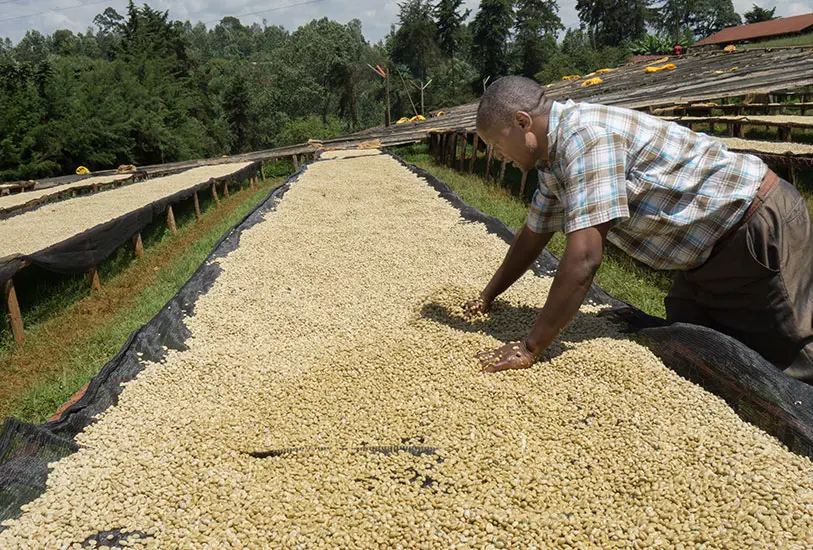
Modern approaches to processing in Kenya
Kenya has spent years perfecting a meticulous washed process, often with double fermentation, giving an exceptionally clean flavour. Unlike Colombia, experimental processing is less common here, but new approaches are starting to appear.
Some farms are beginning to trial anaerobic and other controlled fermentation methods, though Kenya still focuses mainly on perfecting the classic techniques. That focus is exactly why its profile is so consistent and recognisable worldwide.
Who is Kenyan coffee a good match for?
It is an excellent choice if you are after intense, fruity flavours and do not mind higher acidity. Kenya is a more specialist profile, for anyone who wants to experience the full range of what specialty coffee can do.
| Region | Characteristics | Flavour profile |
|---|---|---|
| Nyeri | The best-known region | Blackcurrant, citrus |
| Kirinyaga | More balanced profiles | Fruit, sweetness |
| Embu | Modern farms | Clean, fruity notes |
In short: what makes Kenyan coffee stand out
Kenyan coffees are among the most expressive and intense beans in the specialty world. High acidity, a fruity profile and clarity of flavour make them a great choice for anyone who wants to taste coffee’s full potential.
FAQ: Kenyan coffee
What does Kenyan coffee taste like?
Kenyan coffees are very expressive and fruity. You will typically find notes of blackcurrant, citrus and red fruit, with a characteristic juiciness.
Is Kenyan coffee acidic?
Yes, but it is a pleasant, clean acidity typical of specialty coffee. That acidity is exactly what gives the coffee its freshness and intensity.
Why does Kenyan coffee taste so intense?
It comes down to high-altitude growing, fertile volcanic soils and a meticulous washed process, often with double fermentation.
Which brewing method suits Kenyan coffee best?
It works best with pour-over methods such as V60 or Chemex, where its fruity profile comes through most clearly.
Who is Kenyan coffee best suited to?
Anyone who enjoys bold, fruity coffees and wants to explore more complex flavour profiles than a classic cup.
