

Coffee processing keeps moving as interest in specialty coffee and experimental methods grows. The traditional processes, natural (dry) and washed (wet), still dominate, but modern, controlled fermentations are turning up on the market more and more often. Which techniques are getting the attention, and what do they do to the cup?
Anaerobic fermentation
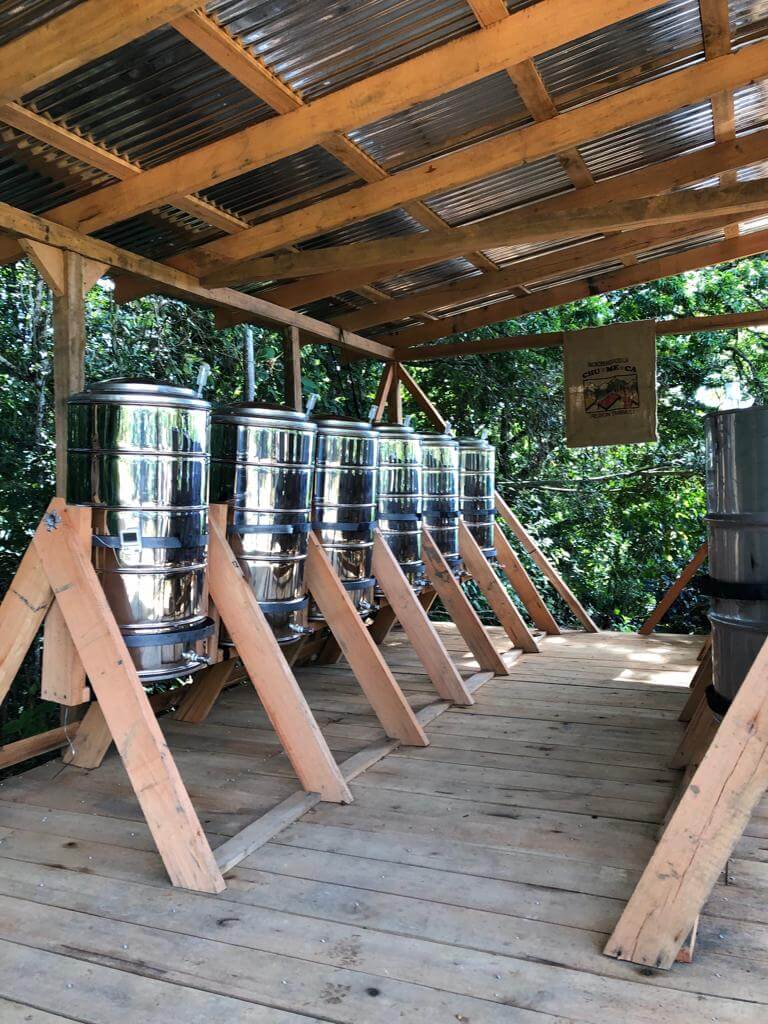
The anaerobic method puts the cherries, or beans that have already been depulped, into sealed tanks where fermentation runs without oxygen. The absence of oxygen limits unwanted microorganisms and changes the enzymatic processes inside the bean. Fermentation can run from a dozen hours to several dozen, and the length of it drives how intense the flavours get. We have El Salvador Finca El Cerro Pacamara Anaerobic Filter in the range, and it is worth a try.
What it does to the flavour:
-
Intense tropical fruit notes (mango, pineapple, passion fruit)
-
Sometimes a spice accent (cinnamon, clove, anise)
-
Full body, high sweetness, smooth texture
-
Unusual complexity, often with a fermented edge
Lactic fermentation
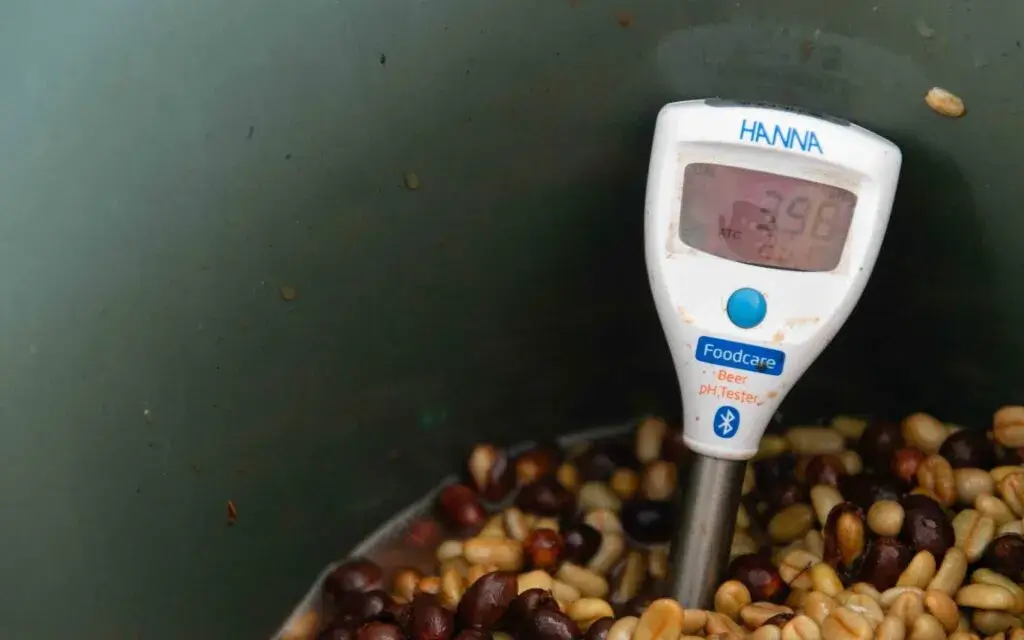
This one is a controlled fermentation driven by lactic acid bacteria, which develop naturally in a sugar-rich environment. It runs in dedicated tanks where the microflora regulates acidity and shapes the sensory profile of the coffee. The beans can be depulped or left in the fruit.
What it does to the flavour:
-
Unusual smoothness and a creamy texture
-
A soft, milky acidity closer to yoghurt or kefir
-
Subtle milk chocolate, nut and vanilla notes
-
The coffee’s natural sweetness and full body pushed forward
Carbonic maceration
Borrowed from winemaking: the cherries go into sealed tanks filled with carbon dioxide, and fermentation happens inside the fruit itself, which builds unique and complex flavour profiles. After fermentation the cherries are dried and only then stripped of the pulp.
What it does to the flavour:
-
Complex winey notes, blackcurrant and raspberry
-
Often something close to red wine, sherry or cherry liqueur
-
Very pronounced acidity and juiciness
-
Strong sweetness and real depth of aroma

Acetic fermentation
This method builds on a controlled growth of acetic acid bacteria, which give the coffee its particular fermented notes. It needs precise control, because over-fermentation pushes the cup into unwanted vinegar territory.
What it does to the flavour:
-
Clear but controlled acidity, closer to apple or cider vinegar
-
Subtle sweetness cut with a light sharpness
-
Associations with ripe fruit and fermented citrus
-
A very intense character you will not mistake for anything else
Yeast fermentation
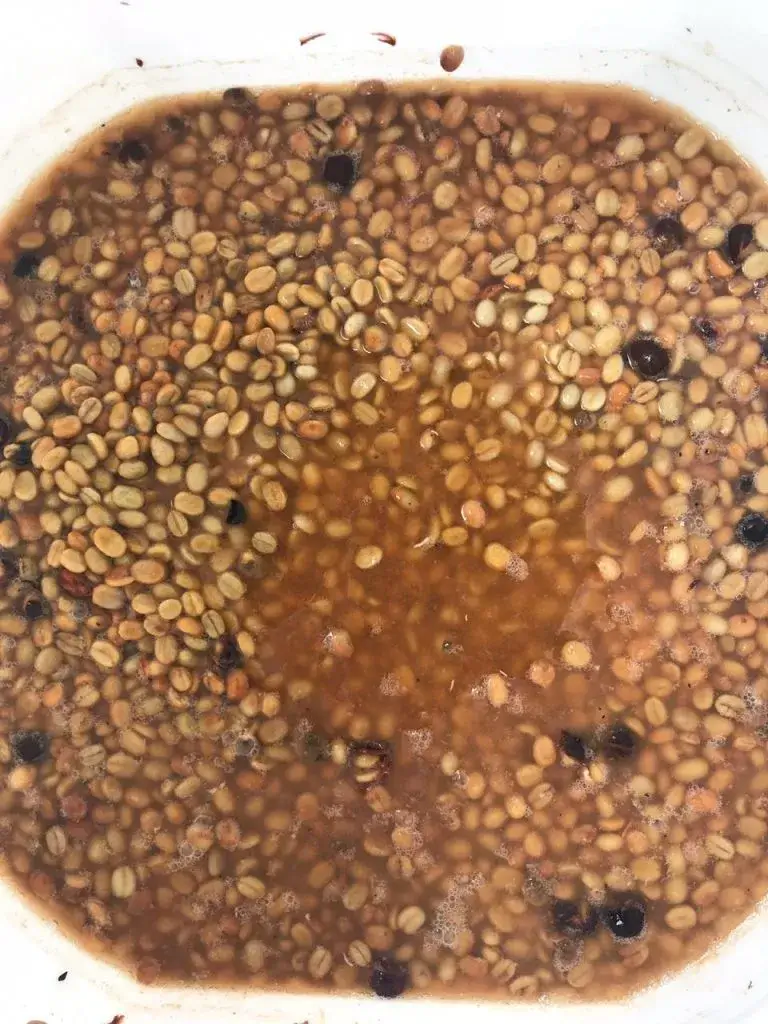
Here selected yeast strains are added to the fermentation on purpose, which gives full control over how the flavours develop. Depending on the yeast, the result shifts: fruit notes pushed up, or caramel and chocolate brought forward.
What it does to the flavour:
-
Very precise, controlled flavour profiles
-
Possible notes of tropical fruit, caramel, chocolate, even spice
-
More sweetness and a smoother brew
-
Excellent flavour stability and repeatable results
Where modern processing goes next
Modern fermentation opens the door to flavours coffee has not offered before. More and more producers are experimenting with controlled fermentation to build unusual profiles. If you are after a coffee with an intense, atypical character, the modern processes are where to look. Each method brings something different to the cup, and they are worth working through one at a time.
Source:
https://perfectdailygrind.com/
