

Colombia is one of the most recognisable coffee countries in the world, and especially so in specialty. Coffees from here are known for brighter acidity, a fruity profile and a very clean flavour. For a lot of people Colombia is the first step into more complex coffee. We compare Colombian beans with other origins in our ranking of low-acidity whole bean coffees.
| Country | Colombia |
| Regions | Antioquia, Huila, Nariño |
| Altitude | 1,200-2,000 m a.s.l. |
| Process | Mostly washed |
| Profile | Fruit, caramel, citrus |
What sets Colombian coffees apart
Colombian coffees are fruitier and more pronounced than Brazilian ones. They carry higher but pleasant acidity and a very clean cup. Citrus, red fruit and caramel turn up often, which makes them feel livelier and more dynamic.
Why Colombia leads on modern processing
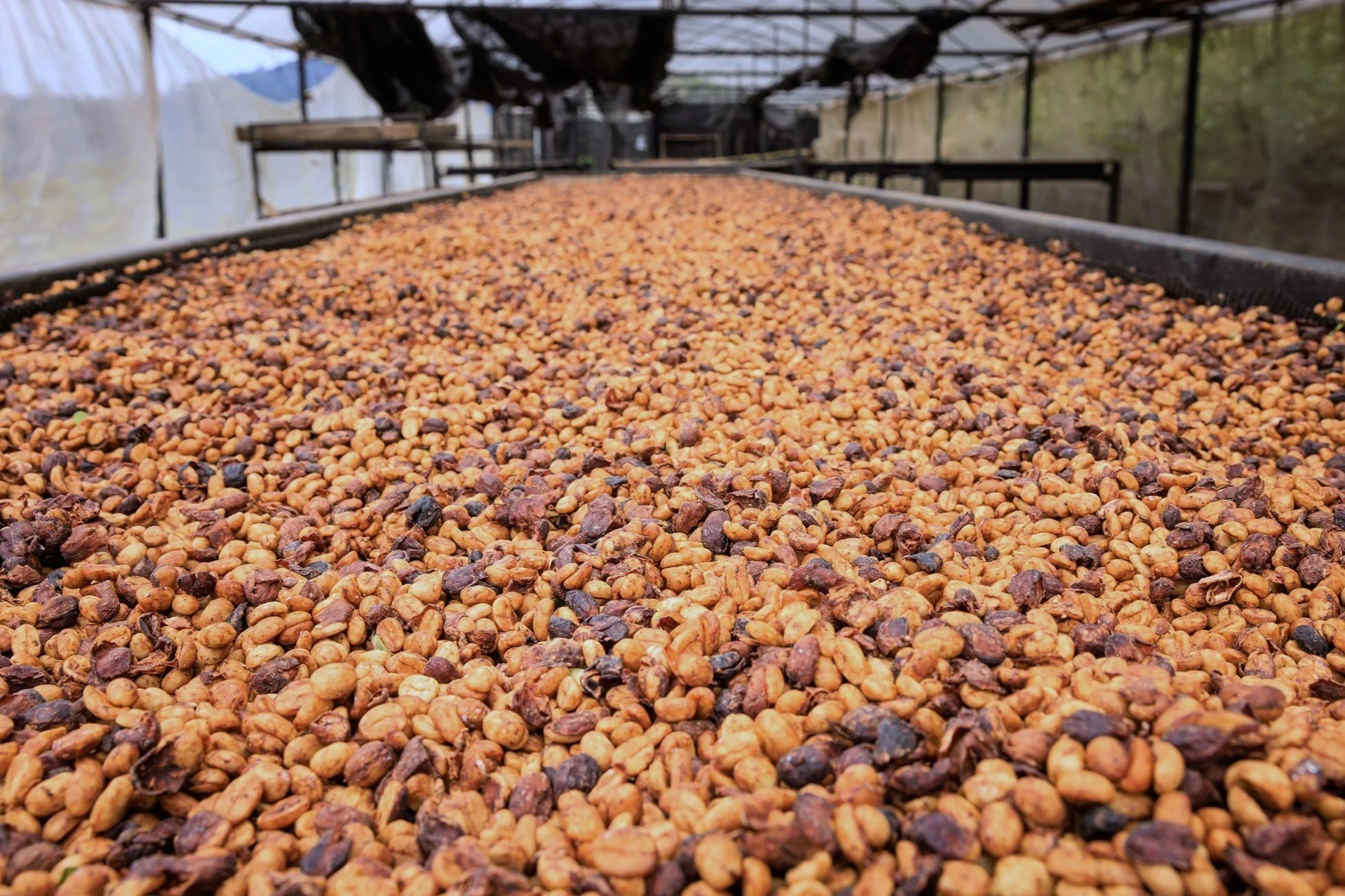
Colombia stands out for the sheer number of small and medium farms that can afford to experiment with processing. Producers test new methods on smaller lots without taking on much risk.
Access to knowledge and equipment matters just as much. Local organisations and training programmes help farmers control fermentation, which in turn makes quality repeatable.
On top of that, the specialty market pays well for innovative flavour profiles, and Colombia answers that demand quickly. It is why processes such as anaerobic fermentation and carbonic maceration have grown faster here than in most other countries.
How growing conditions shape the flavour
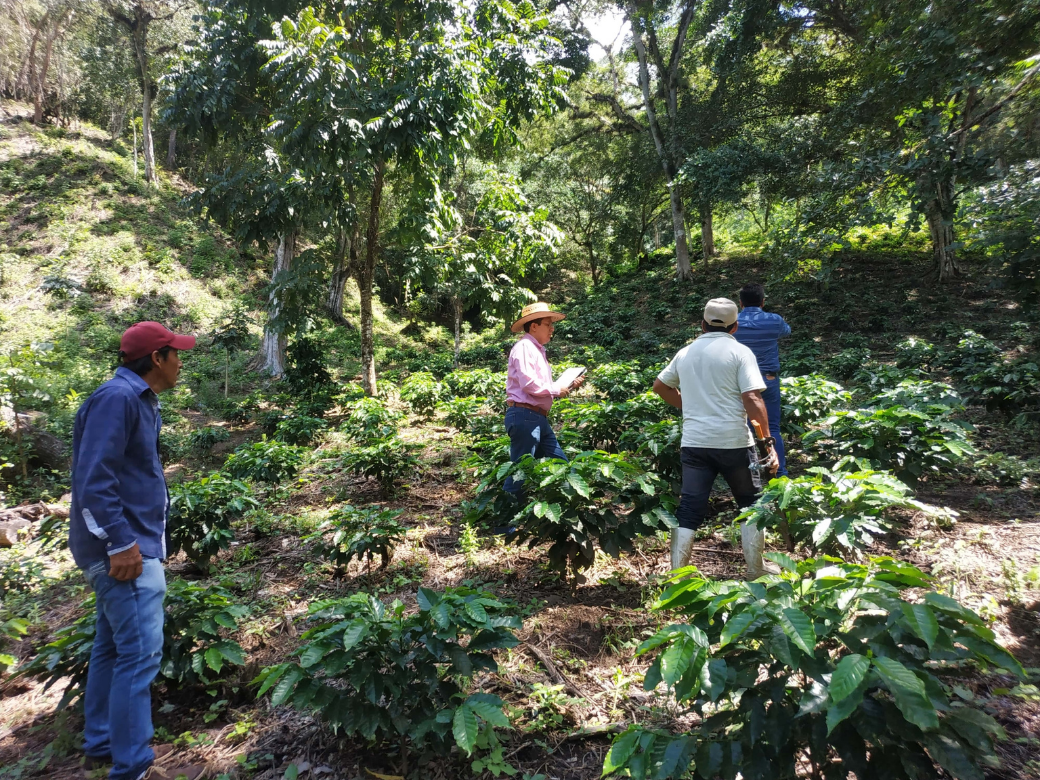
Colombia is a mountainous country and coffee often grows above 1,500 m a.s.l. That altitude slows the ripening of the cherries, which gives more complexity and higher acidity. The dominant washed process then keeps the cup clean and clear.
| Attribute | Character |
|---|---|
| Sweetness | Medium to high |
| Acidity | Medium to high |
| Body | Medium |
| Aftertaste | Clean, fruity |
One to try: Colombia Antioquia
A good example of the classic Colombian profile is the Colombia Antioquia in our range. It comes from one of the best known coffee regions in the country, where growing conditions favour clean, characterful coffees.
In the cup, fruit leads, cut with caramel sweetness and a gentle citrus freshness. That makes it more expressive than a classic Brazilian coffee while staying balanced and easy to drink.
It is a profile that works well under pressure, and it suits anyone looking for something fresher and fruitier.

Who should drink Colombian coffee?
It is an ideal choice if you want to move a step up in coffee. If you like clearer, fruitier profiles and a little acidity does not put you off, Colombia is a good direction. This is coffee for anyone who wants to taste the difference between origins.
| Region | Character | Flavour profile |
|---|---|---|
| Antioquia | Balanced, classic profiles | Caramel, fruit |
| Huila | More complex and intense | Citrus, red fruit |
| Nariño | High farms, high acidity | Citrus, floral |
In short
Colombian coffees stand out for freshness, higher acidity and a fruitier profile. They are among the most recognisable coffees in specialty and a strong choice if you want to step outside the classic chocolate profile and find something more complex.
FAQ: coffee from Colombia
What does Colombian coffee taste like?
Fruitier and more pronounced. Citrus, red fruit and caramel come up often, with clearer acidity than a Brazilian coffee.
Is coffee from Colombia acidic?
Acidity is higher than in many origins, but in specialty coffee it is pleasant and balanced rather than aggressive.
Why is Colombian coffee so highly regarded?
High farms, washed processing and tight quality control. Together they give clean, complex and repeatable coffees.
Which brew method suits Colombian coffee?
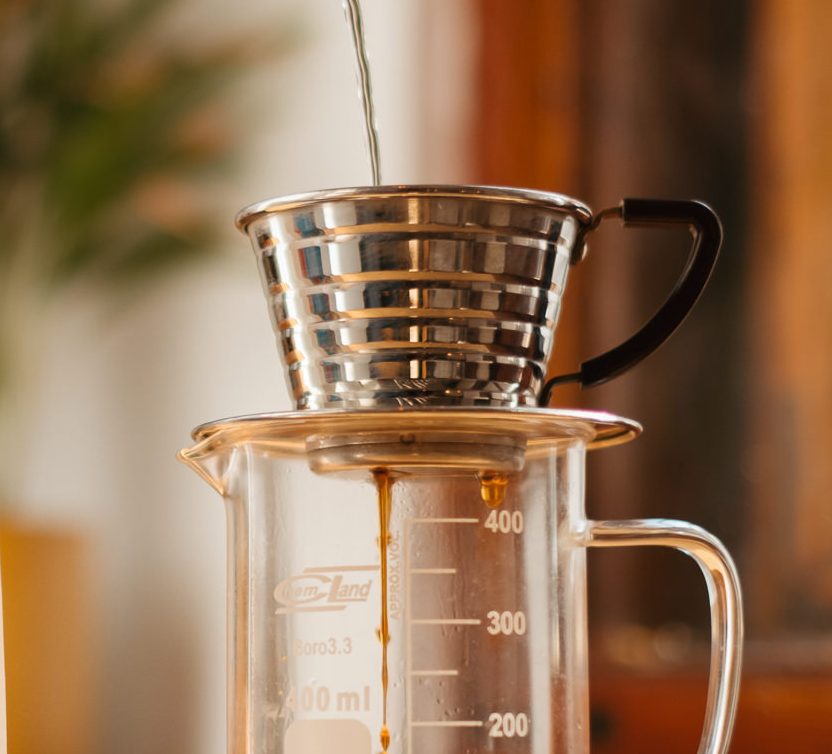
It shines in pour-over methods such as V60 and Chemex, and a well roasted Colombia also makes very interesting espresso.
Who will enjoy Colombian coffee most?
Anyone who wants to try a fruitier coffee and move a step further into specialty, and anyone after more complexity in the cup.
