

At our roastery we now have two decaf coffees: Mexico El Tucan Decaf and Colombia Excelso Medellin Decaf. Both were decaffeinated with water, without organic solvents, but each went through a different process: Mexico through Mountain Water and Colombia through Swiss Water. We compare them step by step to make it easier to choose the right coffee for your machine and your taste.
Swiss Water and Mountain Water: caffeine washed out with water
Many decaf coffees are made with solvents such as ethyl acetate or methylene chloride. Both of our coffees went through water methods. The green beans release caffeine into water saturated with soluble coffee compounds, and activated carbon filters capture it. As a result, the beans lose mainly caffeine rather than their other compounds.
Both producers declare the same result: coffee with 99.9% of its caffeine removed. What differs is the detail of the process, where it is carried out and, above all, the beans that go into it.
| Mexico El Tucan Decaf | Colombia Excelso Medellin Decaf | |
|---|---|---|
| Decaffeination method | Mountain Water | Swiss Water |
| Where the caffeine is removed | Descamex, Córdoba (Veracruz, Mexico) | Swiss Water, British Columbia (Canada) |
| Caffeine removed (producer’s declaration) | 99.9% | 99.9% |
| Growing region | Chiapas, Veracruz, Puebla | Medellin, Antioquia |
| Varieties | Typica, Caturra | Caturra, Typica, Bourbon |
| Processing | washed | washed |
| Tasting notes | banana bread, milk chocolate, yellow apple, walnut | milk chocolate, nuts, cocoa |
| Roast | medium | medium |
| Works best for | espresso and filter methods | espresso, bean-to-cup machine, moka pot |
| Price 250 g / 500 g / 1 kg | PLN 44 / 76 / 149 | PLN 45 / 78 / 153 |
Mexico El Tucan Decaf: the Mountain Water method
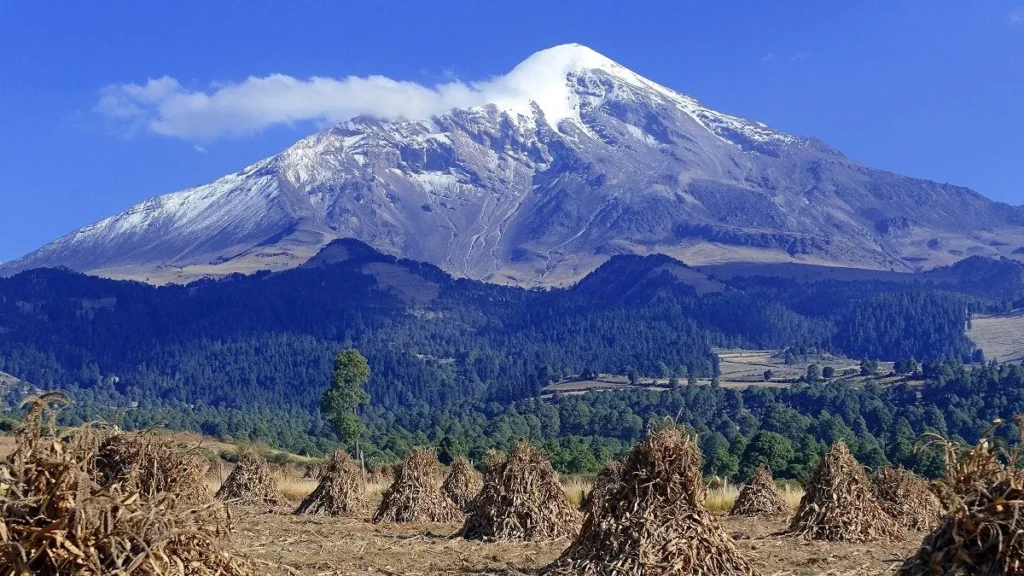
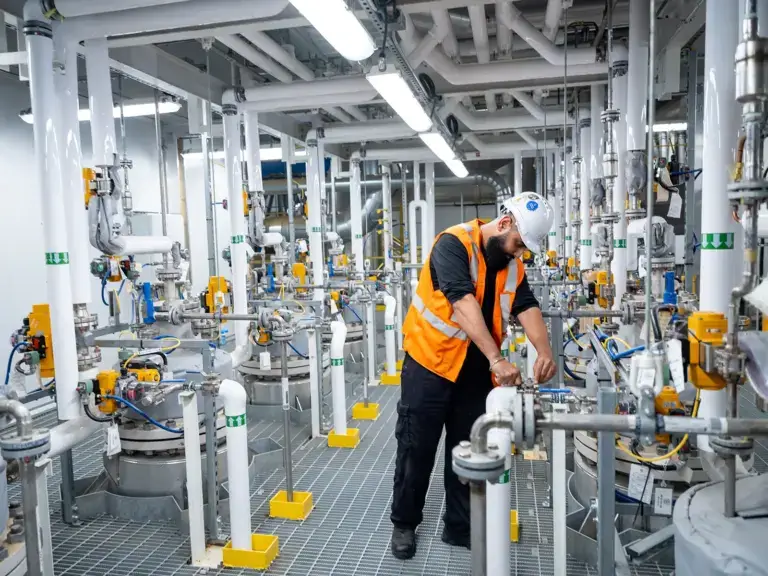
Mountain Water is a process run by Descamex in Córdoba, in the state of Veracruz. According to the producer, it uses water from the area around Pico de Orizaba, the highest peak in Mexico. In simple terms, the process works like this: the green beans are first opened with steam, then soaked in hot water that dissolves the caffeine. The solution passes through activated carbon filters. The water, now free of caffeine but still rich in flavour compounds, goes back to the beans. Finally, the beans are dried and polished.
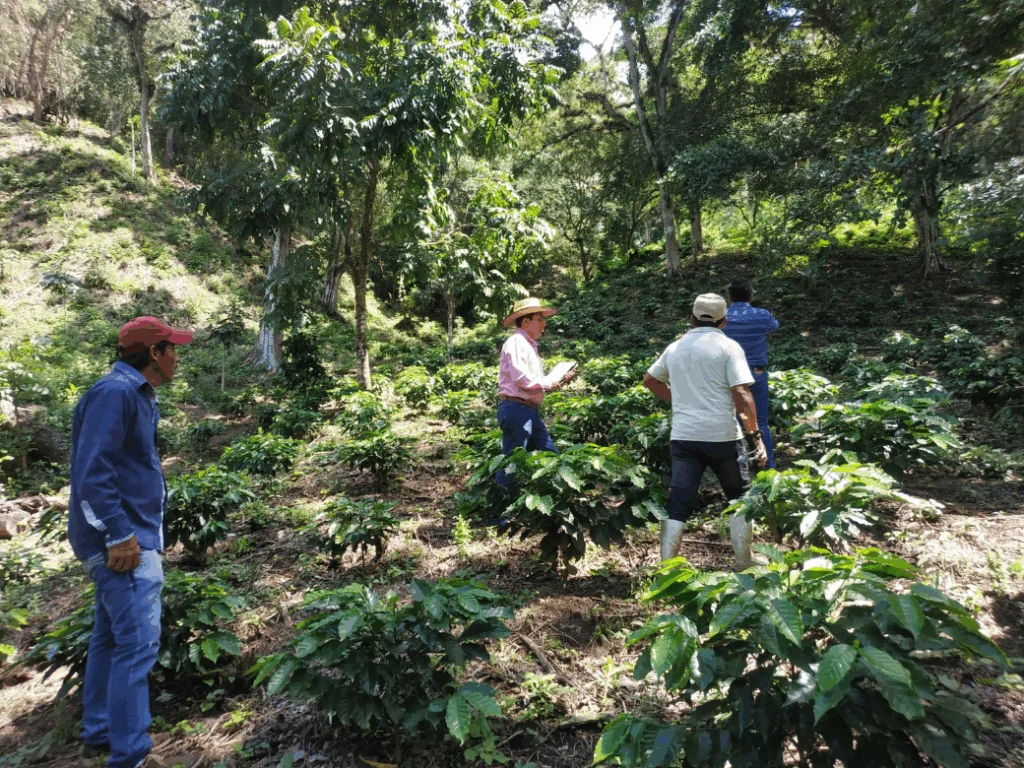
The beans come from small farms in Chiapas, Veracruz and Puebla. They are Typica and Caturra varieties, washed processed. We write more about the process itself in Mountain Water Decaf.
Colombia Excelso Medellin Decaf: the Swiss Water method
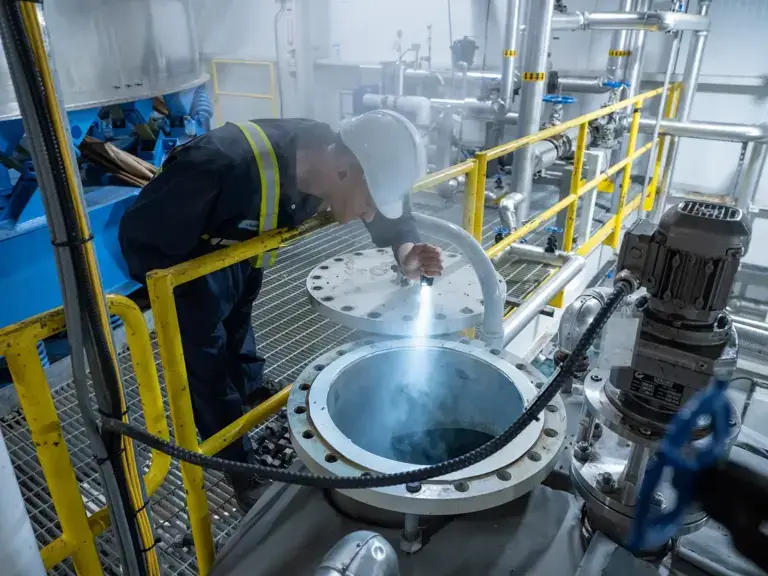
Swiss Water is a process run by the Swiss Water company in British Columbia, Canada. The key is Green Coffee Extract: a solution saturated with the soluble compounds of green coffee other than caffeine. Beans soaked in the extract release mainly caffeine, because the solution already holds plenty of the other compounds. Carbon filters capture the caffeine, and the extract goes back into the cycle.
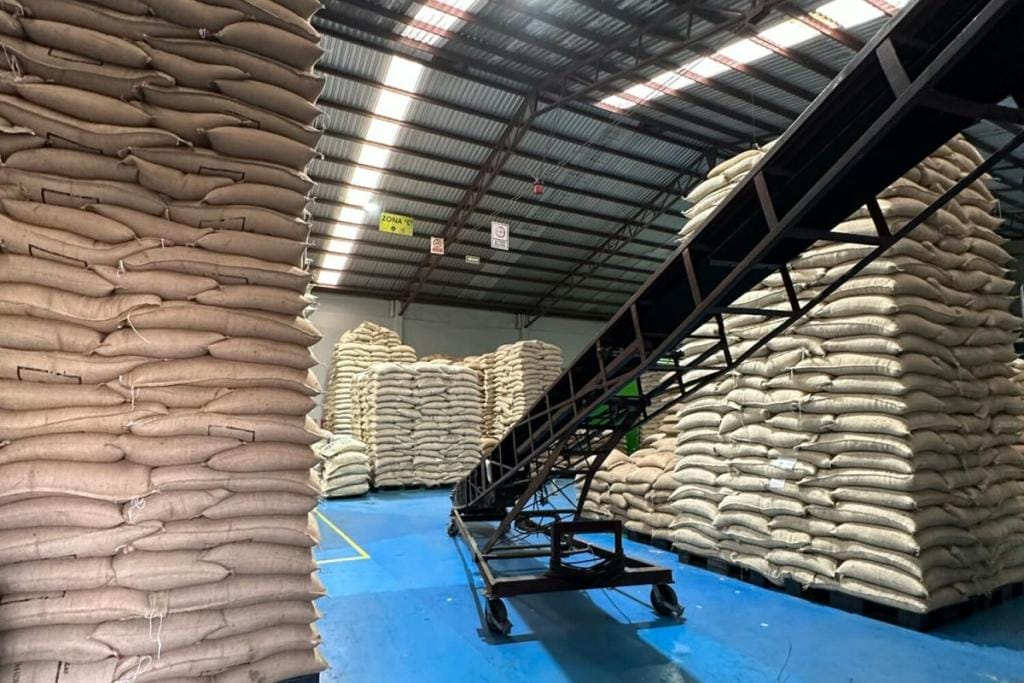
The beans are Colombian Excelso from the Medellin area in the Antioquia department, Caturra, Typica and Bourbon varieties, grown at 1200-2000 m above sea level and washed processed. Excelso is a bean size grade, slightly smaller than Supremo. We describe the process in detail in Swiss Water Process Decaf.
Taste: fruity Mexico and chocolatey Colombia
The taste of decaf coffee depends both on the decaffeination method and on the beans themselves: origin, variety, processing and roast.
Mexico El Tucan Decaf is sweeter and fruitier. The aroma brings banana bread and milk chocolate. The cup has yellow apple, with a nutty bitterness on the finish. The body is medium and creamy, the acidity low.
Colombia Excelso Medellin Decaf is more classic. Milk chocolate, nuts and cocoa dominate, with no exotic accents. It is a profile well known to anyone who drinks traditional espresso.
Which decaf coffee should you choose?
- Do you mostly drink espresso, cappuccino or latte from a bean-to-cup machine? Choose Colombia. Chocolate and cocoa pair well with milk.
- Do you brew in a moka pot? Choose Colombia. It gives a brew with a clear nutty character.
- Do you like drip, V60 or Chemex? Try Mexico. Its fruity sweetness suits filter brewing.
- Looking for an evening coffee to drink black? Both will work. If you prefer sweeter notes, choose Mexico. If you prefer classic ones, choose Colombia.
The prices are similar: Mexico costs PLN 44 / 76 / 149 and Colombia PLN 45 / 78 / 153 for a 250 g / 500 g / 1 kg bag. Both are available as whole beans or ground for your brewing method. If you cannot decide, get 250 g of each and compare them at home. We write more about how much caffeine stays in decaf and how to choose it in our decaf coffee beans guide, and we compare all decaffeination methods in decaffeination methods.
What is the difference between Swiss Water and Mountain Water?
Both methods remove caffeine with water saturated with coffee compounds and carbon filters, without organic solvents. They differ in company, location and water: Swiss Water is run by the Swiss Water company in Canada, and Mountain Water by Descamex in Mexico, which according to its own information uses water from the area around Pico de Orizaba.
Which method removes more caffeine?
Both producers declare that 99.9% of the caffeine is removed.
Which decaf coffee is better for espresso with milk?
Colombia Excelso Medellin Decaf. Its notes of milk chocolate, nuts and cocoa pair well with milk in cappuccino and latte.
Which decaf coffee is better for drip and V60?
We recommend Mexico El Tucan Decaf. Its fruity sweetness, with notes of yellow apple and banana bread, suits filter methods.
Does decaf coffee contain caffeine?
Trace amounts, yes. According to the producers, the Swiss Water and Mountain Water methods remove 99.9% of the caffeine, but that does not mean absolute zero.
How much do the two decaf coffees cost?
Mexico El Tucan Decaf costs PLN 44 for 250 g, PLN 76 for 500 g and PLN 149 for 1 kg. Colombia Excelso Medellin Decaf costs PLN 45 for 250 g, PLN 78 for 500 g and PLN 153 for 1 kg.
Przeczytaj też
Swiss Water vs Mountain Water: comparing our two decaf coffees
Mexico El Tucan Decaf (Mountain Water) and Colombia Excelso Medellin Decaf (Swiss Water): how the
Oct

Ma Ma Cafe, a café in Świnoujście: a showcase of top quality
How we fitted out Ma Ma Cafe in Świnoujście from A to Z: a Nuova
Oct
Inside the La Marzocco factory in Scarperia: how the machines are built
What happens inside the La Marzocco factory in Scarperia near Florence: build-to-order production, a dedicated
Oct
Autumn at Colbergcoffee: pumpkin spice latte and four new drinks
The autumn menu at Colbergcoffee in Kołobrzeg: pumpkin spice latte made to our own recipe,
Oct
How to recognise good loose-leaf tea
Dry leaf, smell, the colour of the liquor and the brewed leaf tell you almost
Sep

Ugandan Coffee Day in Kołobrzeg: a cup that helps
Ugandan Coffee Day at Colbergcoffee in Kołobrzeg: what is on in the café, who the
Sep

How much matcha a day? Caffeine, limits and who should care
How many servings of matcha a day make sense, what that means in milligrams of
Sep
Ristretto vs espresso vs lungo: ratio and brew time
Ristretto, espresso and lungo from a single dose: dose, ratio, extraction time and grind in
Sep
