What is a barista? Let us be honest: every other person knows someone who “makes coffee” and probably already thinks of themselves as a barista. It is not that simple. The word turns up in adverts, on course listings, in cafés and in conversations over espresso. So what does it actually mean? The story starts in Italy, so that is where we will start too. What follows is a proper guide to what a barista is, what the job involves and what the work really looks like.
Where the word “barista” comes from
The word barista is Italian. It meant simply someone who worked behind the bar and made the drinks: coffee, but spirits too. Italians live on coffee, espresso gets drunk standing at the bar, so the role made sense. Once coffee caught on outside Italy the meaning shifted. Beyond Italy a barista is first of all a coffee specialist, someone who has mastered brewing and serving caffeinated drinks.
Polish had a word of its own once: kawiarz, or kawiarka in the feminine, the person who served coffee in the houses of the landed gentry. The Italian term barista took over later. Wikipedia puts it plainly: a barista (Italian for barman) is someone who selects, brews and serves coffee for a living.
Clear enough. And yet there is more to it than that.

What does a barista do all day? Duties and skills
If you think a barista just “presses a button on the machine”, you are a long way off. In a café, at a wedding or at a trade fair, a barista makes the whole range of drinks: plain espresso and flat white through to coffees with syrups, cream or ice cream.
It is also the person who looks after the grinder and the machine: calibrating grind size, watching water temperature and shot time. A barista’s day involves judging the quality of the beans, storing them properly and matching the blend to the customer in front of them.
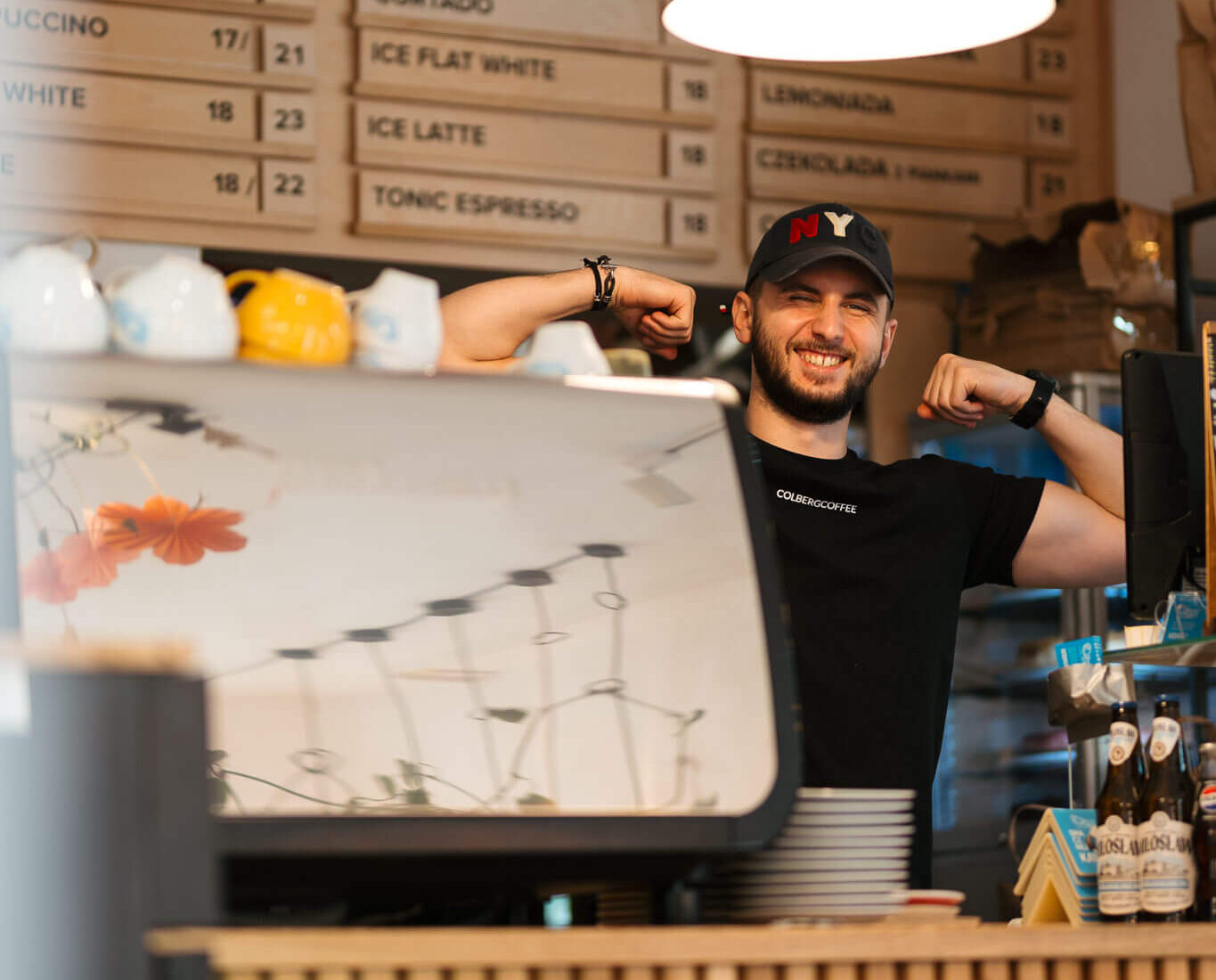
And it does not end at brewing. A barista has to clean and maintain the equipment regularly and keep the station and the bar in order. The job is not all coffee smells: it is a great deal of cleaning, physical work and attention to hygiene.
Technical, then. But being good with people counts for just as much. A good barista talks about how a coffee tastes, advises customers and makes the room feel welcoming. Often they are the soul of the place, someone who reads the mood and lifts it. A coffee virtuoso, working with kit you will not find in a domestic kitchen.
The 4M rule: technique and creativity in balance
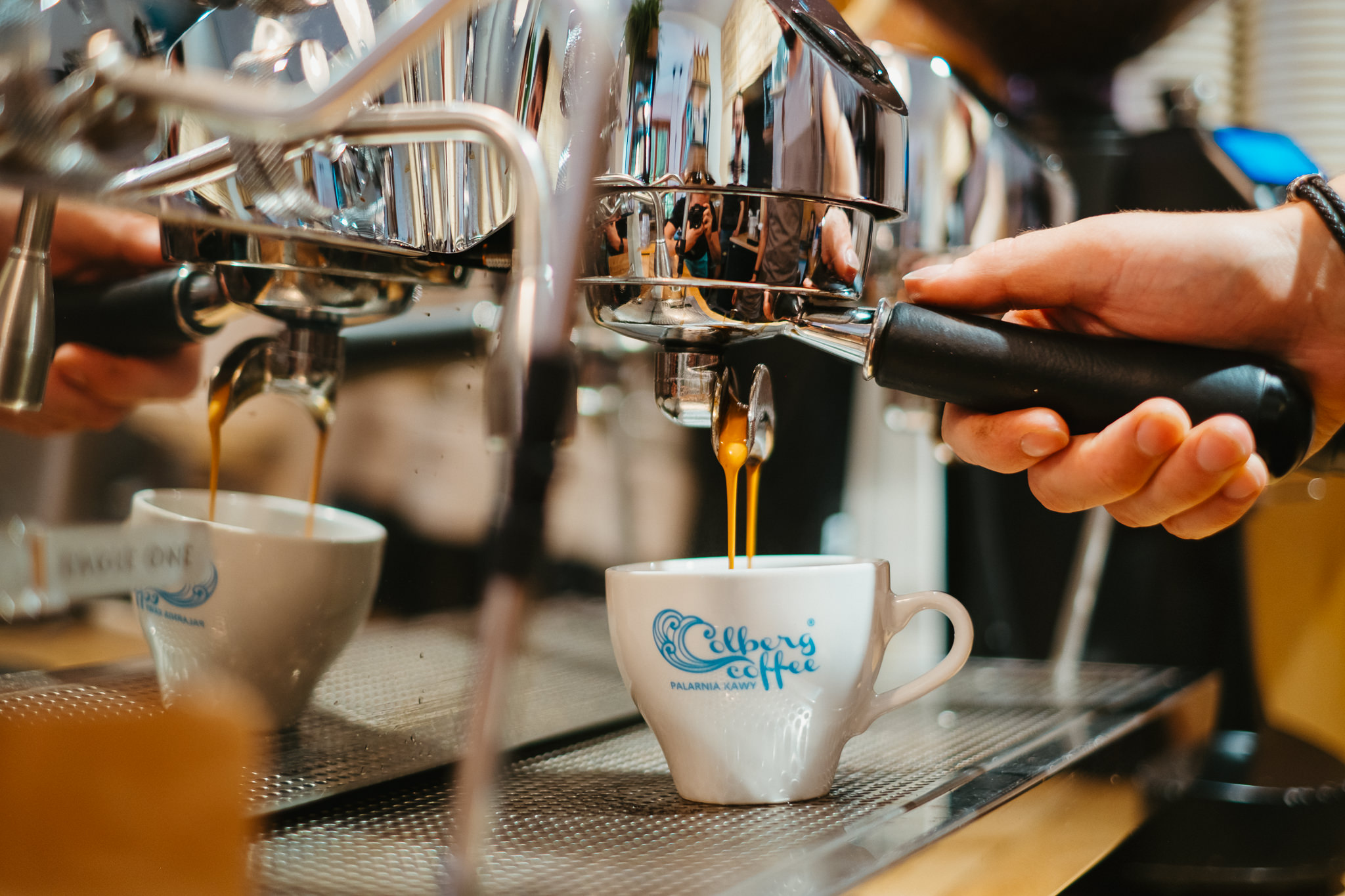
A barista is part technician, part artist, part host. To get the coffee right, professionals work to the 4M rule: Miscela (the blend), Macchina (the machine), Macinadosatore (the grinder) and Mano (the barista’s hand).
Those four things decide what ends up in the cup. The right beans, a well calibrated grinder, a machine in good order and a practised hand. One mistake, grind size set wrong for instance, and the cup is a disappointment.
But a barista does not stop at technique. Creativity is the other pillar of the job. Professionals reach happily for filter methods such as Chemex or AeroPress, and experiment with ratios, temperature and flavour profiles.
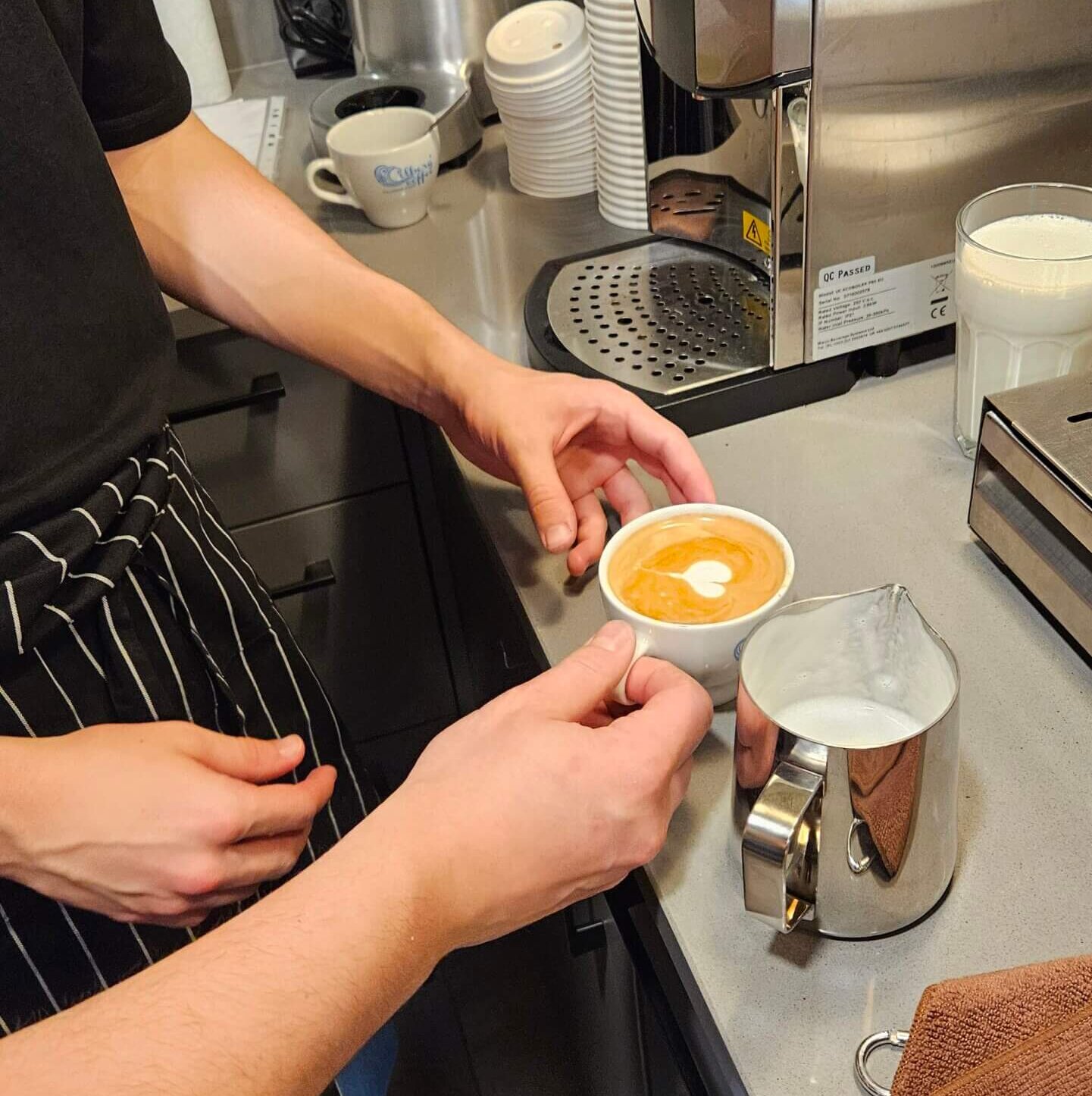
There is a reason latte art, drawing in milk on the surface of a coffee, gets the reaction it does. It is a form of expression that puts knowledge, practice and an eye together. A good barista stays open to new things, keeps trying and keeps improving. This is a craft, and it asks for enthusiasm and a willingness to learn coffee over again.
The barista trade in Poland
The barista profession arrived in Poland from Italy relatively recently. There was a time when any old brewing kit would do in a café. Today the best venues invest in modern espresso machines and in training their staff, and they run barista contests and championships.
This is no passing fashion. The number of schools, courses and certified training programmes in Poland keeps growing, and people of all ages are coming into the trade: young enthusiasts and career changers alike.
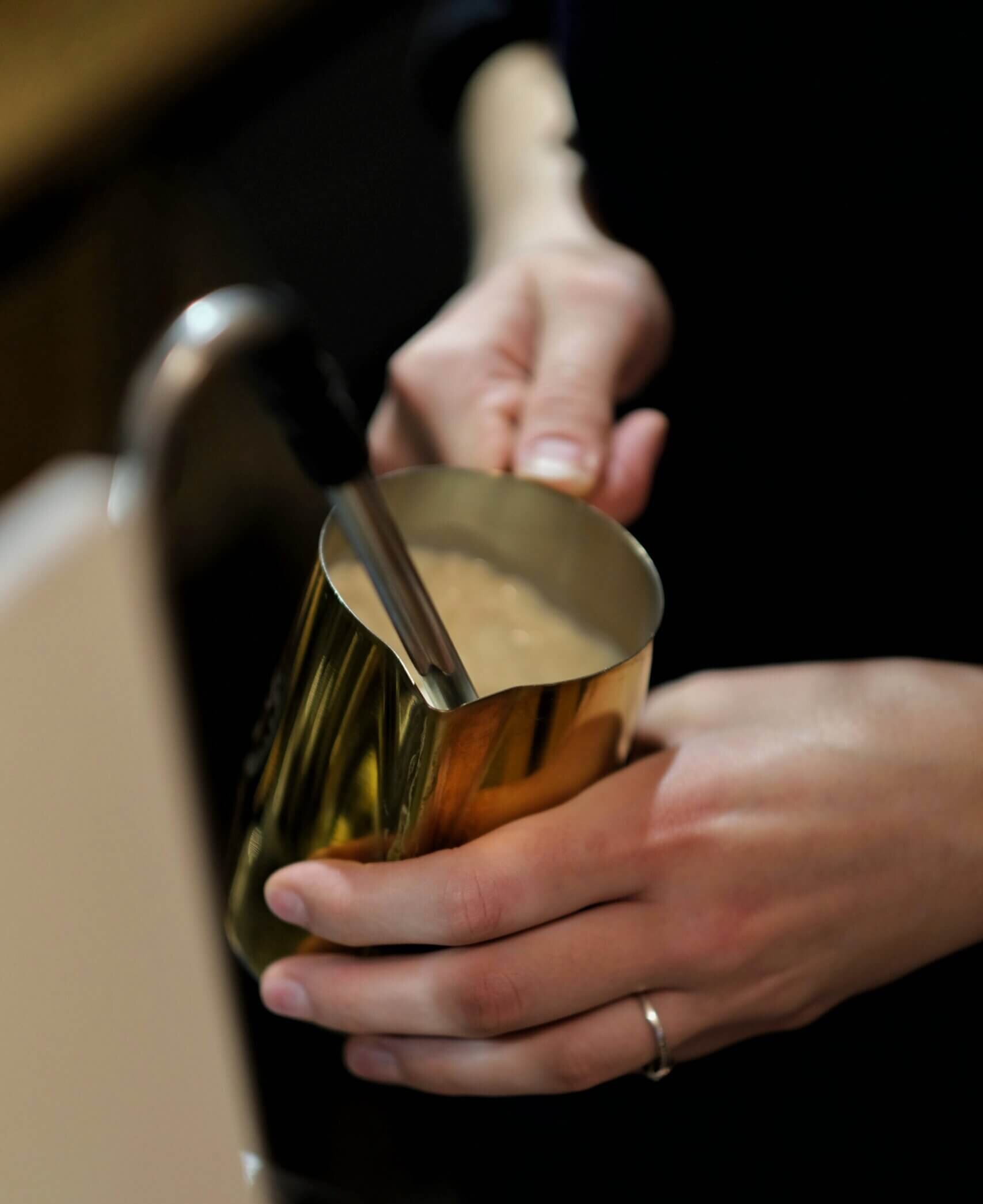
The old word “kawiarz” now means someone who enjoys drinking coffee rather than someone who makes it professionally. A barista, meanwhile, is more than a job title. It is a way of living. People who properly fall into the coffee world can reel off dozens or hundreds of recipes for black coffees, milk drinks, coffees with syrups, cream or ice cream.
Some baristas even follow special diets meant to sharpen their sense of taste and smell. Excessive? Possibly. But in this trade every detail counts.
How to become a barista
You do not need an expensive course to become a barista. To begin with, enthusiasm for coffee and a willingness to learn will do. A good first step is getting a job in a café, even in a support role, so you can watch experienced baristas and pick up the equipment, the techniques and the rhythm of the bar. Learn on your own at the same time: try different brewing methods at home, practise steaming milk and work on your palate.
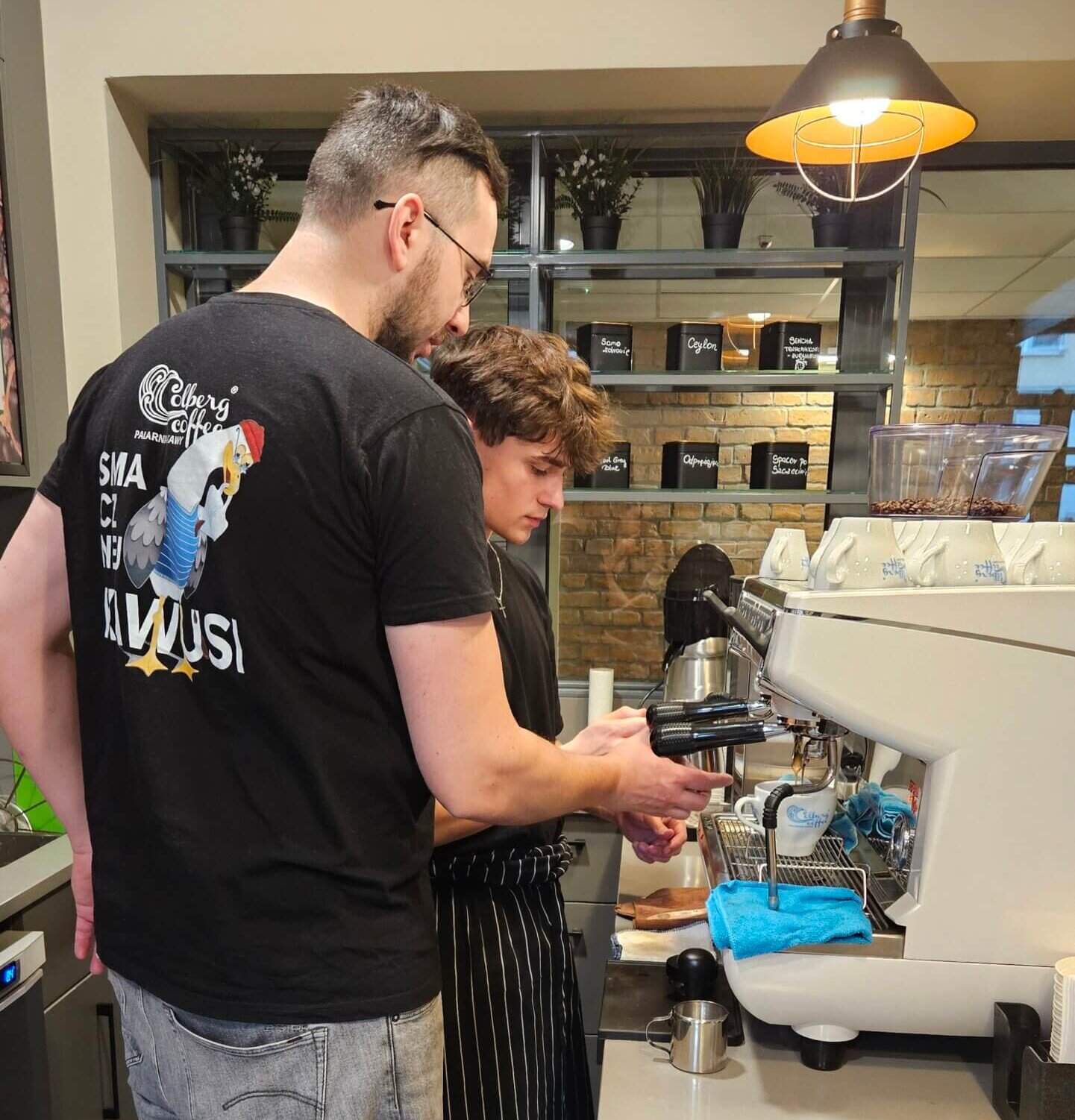
Once you know this is genuinely your thing, a professional barista course is worth considering. It will put your knowledge in order and get you a certificate that employers recognise. For plenty of people that is the start not just of a job but of a whole life with coffee at the centre of it.
What does a barista earn? The job market and where it leads
Pay depends on experience, on where you work and on the kind of venue. In Poland, a beginner can expect somewhere around the national minimum wage, usually between 4,666 and 5,000 zł gross a month. It depends on where the café is and what the job covers, and on top of that come tips, which in season can add up noticeably.
Plenty of baristas earn on the side through training, event work, workshops or working for a roastery. The trade also offers real room to grow: international certificates, teaching others, competing at championships, working abroad. How far it goes depends on how much you put in.
Why it is worth knowing what a barista is
Why should any of this matter to the rest of us?
Because these are the people who stopped coffee being just a morning alarm clock. A barista can turn a drink into an experience: a moment of attention, a story told in a cup. It is a complete craft, part technique, part art, part show.
I sometimes think I will never drink a bad cup of coffee again on purpose. I would rather go to someone who knows what they are doing, and who might tell me something interesting about the beans while they are at it.
And now I am off to make myself a coffee.
FAQ: baristas, the usual questions
What is a barista?
Someone who has coffee more sorted than most of us have Mondays. Pulls espresso, steams milk, dials in the grinder, keeps the kit in order, and can still talk to a customer in a way that improves their day. Not two buttons and done.
Is a barista the same as a barman?
In Italy it used to be, because the barista served coffee and drinks alike. Not here, these days. A barista is a coffee specialist, from the bean to the cup. Someone else handles the drinks, unless we are talking espresso martini, in which case it varies.
What skills does a barista need?
A palate, a technical grip on the equipment, patience, and a way with people. Plus resilience, because when the milk starts misbehaving with a full queue waiting, you need steady nerves and a good laugh.
Does a barista only brew coffee?
Not a chance. Cleaning the kit, dialling in the grinder, tasting beans, keeping the place spotless, talking to guests. And occasionally fighting the toast someone has abandoned next to the machine. Multitasking mode on.
Do you need a course to become a barista?
At the start, no. Get a feel for it first, work in a café, learn the basics. A course is useful later, once you know coffee is your thing and you want the certificate and your knowledge in order.
What does a barista earn?
In Poland, starting pay is around the national minimum wage. Tips on top, which in season can be a pleasant surprise. Later come training, events, roastery work and competitions. If you have the enthusiasm and the staying power, the market opens up.
Does a barista have to do latte art?
No, but it is genuinely worth it. The hearts, tulips and swans get more love than croissants at 9 in the morning. Part art, part sport, plenty of spilt milk along the way.
How do you spot a good barista?
They listen to what you like. They ask about flavour. They know which beans they are serving and why. They pay attention, they smile, they have the bar and the kit under control. And their coffee tastes like a small moment of happiness rather than a quick black something.
