At Europe Coffee Expo 2025 in Warsaw I had the honour of talking to His Excellency Prof. Anastase Shyaka, Rwanda’s ambassador to Poland.
It is a conversation that will stay with me, not only because we talked about coffee, but because it showed how much coffee means to people in Rwanda. For farmers there it is not just an export product. It stands for pride, for work and for the future.

Coffee and tea, the pillars of Rwanda’s development
Ambassador Shyaka made the point that coffee and tea are the foundation of the Rwandan economy. They drive the country’s development and support thousands of families. “Coffee and tea are our key export products. We invest in them because they are the future of our nation,” he explained. Rwanda is not chasing mass production. It is steadily building a reputation as a country that picks quality over quantity.
As the ambassador described it, the Rwandan government and private companies have spent recent years investing in farmer education, quality control systems and modern washing stations. Beans from this mountainous country now reach the best roasteries in the world, Poland included. “If you are looking for a coffee with heart and tradition in it, reach for a Rwandan one,” he added, smiling.
Coffee that changes lives: women and communities
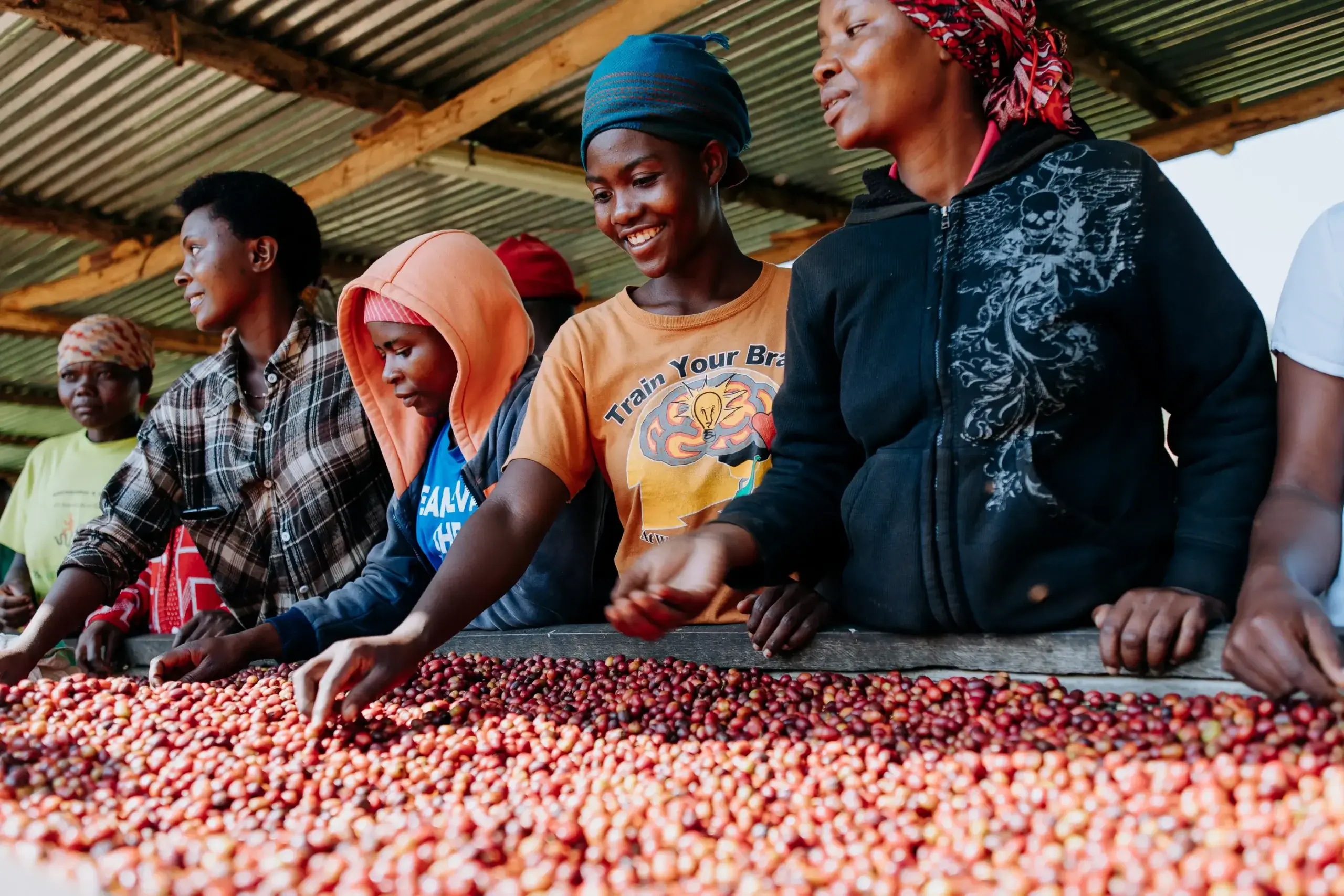
One of the most important threads of the conversation was the role of women in the coffee sector. Rwanda is a world leader on gender equality: more than 60% of members of parliament are women, and women hold almost half of government posts. That carries into coffee, where women run many of the cooperatives.
The ambassador mentioned the women’s cooperative Women’s Coffee Extension (WCE), which brings together hundreds of women exporting coffee to the United States and the United Kingdom among other markets. Initiatives like that show that Rwandan coffee is more than a product. It is a tool for development and independence.
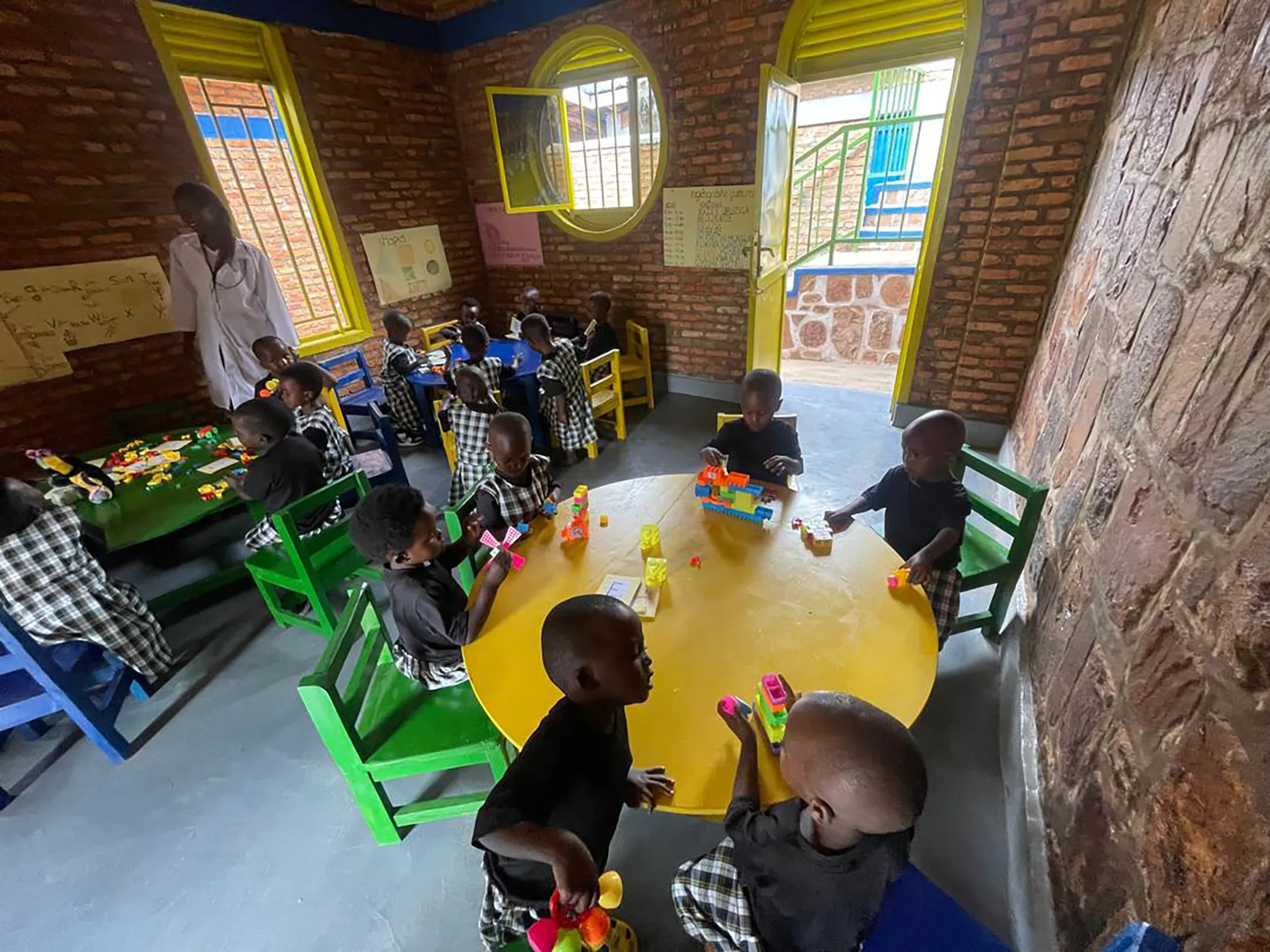
By supporting women in farming, Rwanda supports whole communities. Women invest in education, in local schools, in access to water. So every cup of Rwandan coffee carries a story of cooperation, responsibility and sheer determination.
A meeting that stays with you
For me, as the owner of Colbergcoffee, this conversation was something out of the ordinary. It was not the usual polite exchange at a trade fair but a real meeting with someone who talks about coffee with conviction. Rwanda shows that behind every bean there is a person, their work and their daily life. That human side is exactly what gives Rwandan coffee its character.
Listening to the ambassador, I thought about how we do the same thing at our roastery: we look for quality, respect for origin and authenticity. That is why Rwandan coffee has a special place at Colbergcoffee. We have had coffees from the Sake Farm cooperative and Rwanda Nova, both excellent and both gone quickly. What has stayed on the shelf is our Rwandan cascara from the importer 1000 Hills, dried coffee cherry that is genuinely good. Every bean of it reminds me that coffee is not only a drink but a story about people who believe in their work.
New coffees straight from Rwanda arrive in December.

FAQ: Rwandan coffee and the conversation with the ambassador
Why is Rwandan coffee so distinctive?
Rwandan coffee stands out for clarity of flavour, gentle acidity and clear sweetness. It grows high in the mountains on volcanic soils, which give it a complex, fruity and floral profile. As the ambassador put it, that is the result of caring about quality rather than quantity.
Why does Rwanda invest in quality instead of mass production?
Rwanda has backed small family farms and cooperatives. Washing stations there keep processing to a high standard. The government’s aim, as the ambassador described it, is to build a national reputation on quality and ethical work.
What role do women play in Rwandan coffee?
Women are the driving force of the sector. They run cooperatives and manage farms. One example is Women’s Coffee Extension (WCE), a cooperative of hundreds of women exporting coffee to the United States and the United Kingdom among other markets.
At what altitude is coffee grown in Rwanda?
Most Rwandan coffee farms sit between 1,500 and 2,000 m a.s.l. The cherries ripen more slowly at that height, which makes the flavour deeper and better balanced.
What do coffee and tea mean for Rwanda’s economy?
They are the country’s two most important exports. They account for a significant share of national income and employ thousands of families. The ambassador called them pillars of the country’s development, products that underpin its economic and social stability.
Does Rwanda work with the Polish coffee market?
Yes. The ambassador said Poland is a new but promising market for his country. Polish customers increasingly choose specialty coffee and products with a story. Rwanda wants to be present in Poland as a partner, working with roasteries, baristas and importers.
Why is Rwandan coffee described as ethical or responsible?
Rwanda has committed to sustainable development. Many farms operate as cooperatives, where the profit is shared among the farmers. Women have a real say in decisions, and buying Rwandan coffee supports whole communities and the education of their children.
What did Samuel Pilichowski take away from the conversation?
The meeting at Europe Coffee Expo 2025 was an unusual experience. The ambassador spoke about coffee with passion, and his words showed that behind every bean there is a person and a history. For Colbergcoffee it is proof that real coffee is a bridge between people and cultures.
