

Processing coffee on the farm produces more than the bean. It also produces cascara, the dried fruit of the coffee cherry. Until recently it was treated as a by-product. Today it has a place in specialty coffee culture and a flavour that is unlike anything else on the shelf. Cascara is gaining ground worldwide, particularly among coffee drinkers who also like exploring other brewed drinks.
What is cascara?
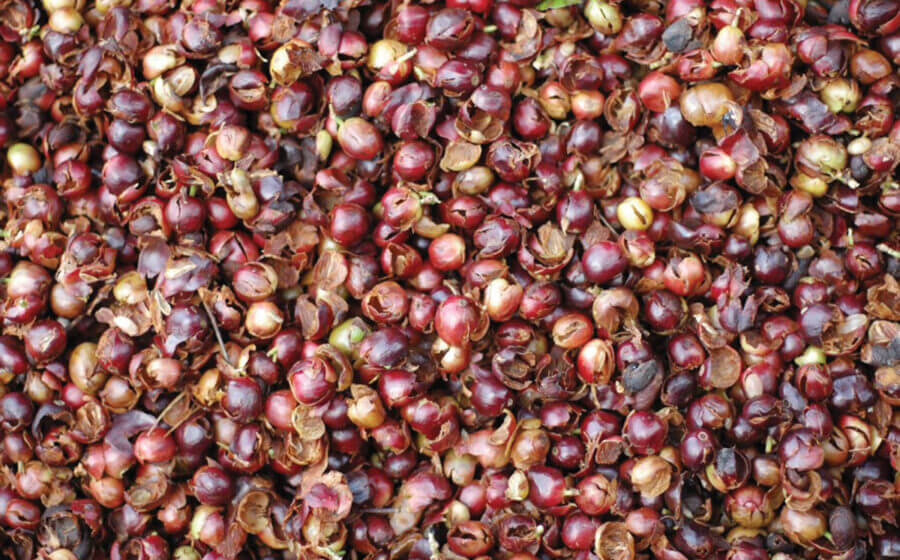
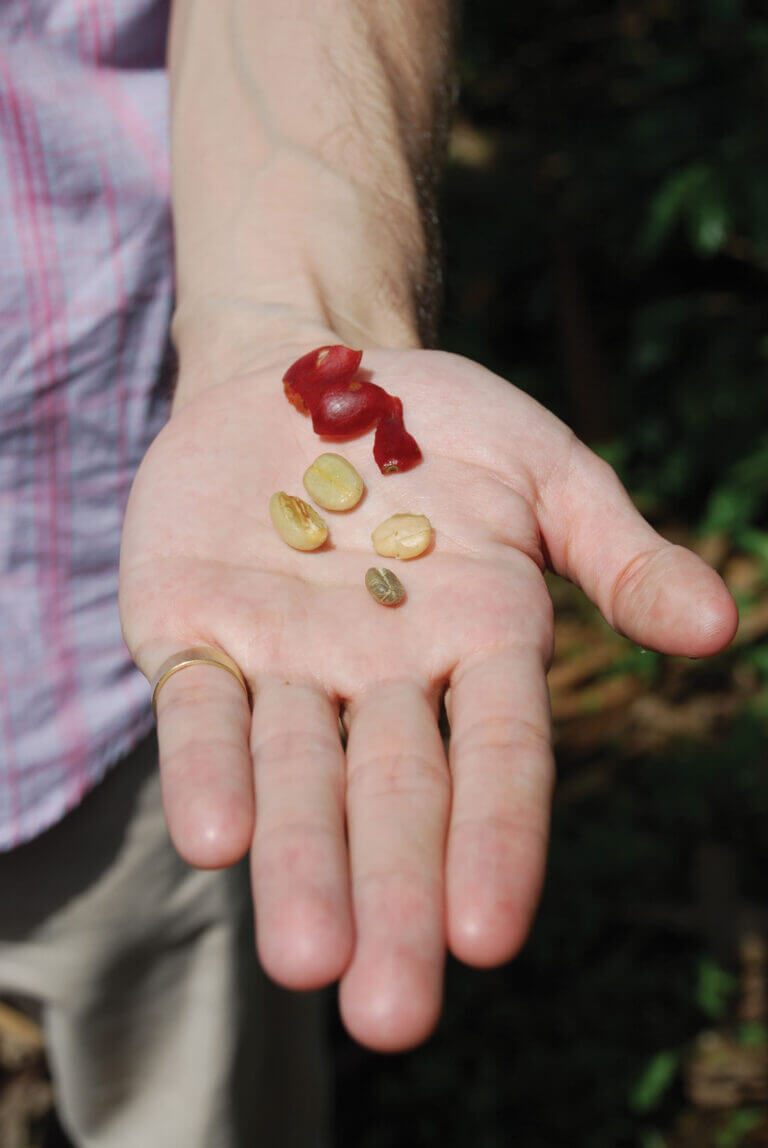
The word cascara comes from Spanish and means skin or husk. It is the dried fruit of the coffee cherry, what is left once the pulp has been separated from the seed during processing. The pulp is dried in the sun, which preserves its natural aromas and nutrients. As it dries it turns from deep red to dark brown, at which point it is ready to be packed and used.
Cascara makes an infusion close to a tea: intensely fruity, gently acidic and low in caffeine, at roughly 110 mg per litre of brew. It also works as a base for cold lemonades or for warming drinks with baking spices. What makes it appealing is not only the flavour but how simple it is to make and how many ways there are to use it.
What does cascara taste like?
Flavour is the most interesting thing about cascara. Is it coffee, is it tea, or is it something else entirely? What it tastes closest to is dried fruit. You can pick out honey, prune, apple, redcurrant and dried apricot. The gentle acidity and the fruit together make it memorable. To brew it, pour one litre of hot water over about 24 g of dried cherry and leave it for four to six minutes. In summer cascara also makes a good cold brew: cover it with cold water and leave it in the fridge overnight. The result is light and fruity, and it stands in nicely for lemonade or other sweetened drinks on a hot day.
Baking spices in traditional cascara infusions
In countries such as Ethiopia and Yemen, where cascara has been known for centuries, it is often brewed with spices: ginger, nutmeg or cinnamon. What comes out is aromatic and warming, exactly right for colder days. Dried coffee cherry and baking spices together make a very particular kind of comfort.
How to brew cascara
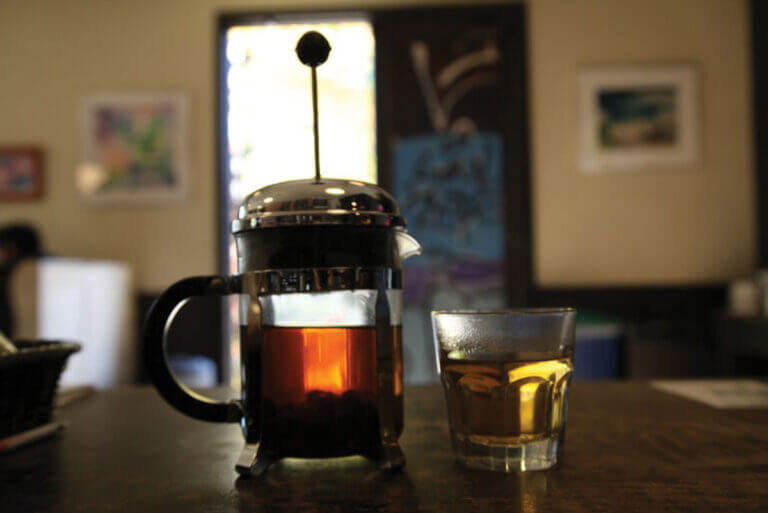
Brewing cascara is simple and needs no special kit, which puts it within reach of anyone. A french press, an AeroPress or a jug with a strainer all work, because they let the dried fruit open up while it steeps. You need about 24 g per litre of water, roughly a small handful. Water should be at 90-95 degrees Celsius to draw out the full flavour and aroma, and the brew time is six to eight minutes. Once it is ready, a slice of orange or lemon adds a fruity lift and makes it more refreshing still. Cloves or cardamom are worth trying too, for a warming version on a cold day.
Cascara and how you feel
Cascara is not only a distinctive flavour. The infusion made from dried coffee cherry is rich in antioxidants, which help neutralise free radicals and support the body’s recovery processes. It also contains a moderate amount of caffeine, so it lifts you gently, helping with focus and giving you energy through the day. Drinking cascara regularly may support digestion and contribute to detoxifying the body. It is a good option for anyone looking for a drink that tastes good and fits a healthy lifestyle.
How much cascara varies
Like coffee, cascara offers a remarkable range of flavours, depending on where it comes from. It turns up more and more often at cuppings, which says something about how far it has travelled. The flavours differ by growing region, adding another dimension to specialty coffee. Cascara from a farm in Ethiopia tastes different from cascara out of South America, and that is part of the appeal. It is worth remembering that the bean and the fruit around it come out of the same process, which ties the two products together.
Cascara is a good choice for coffee drinkers who like finding something new. If you are after an interesting brew, give it a go. It may turn out to be your favourite discovery.
