Cold brew is coffee brewed with cold water over many hours. No machine, no kettle, no rush. The result is clean, sweet and refreshing, and once made it can wait in the fridge for several days. At the roastery we make it every summer, always from light-roast specialty coffee. That profile shows best what the bean really holds.
Below you will find ratios, times, grind size, how to filter and how to store it. We also explain two claims often repeated online that are not true. They are worth knowing before you choose a coffee.
What cold brew is
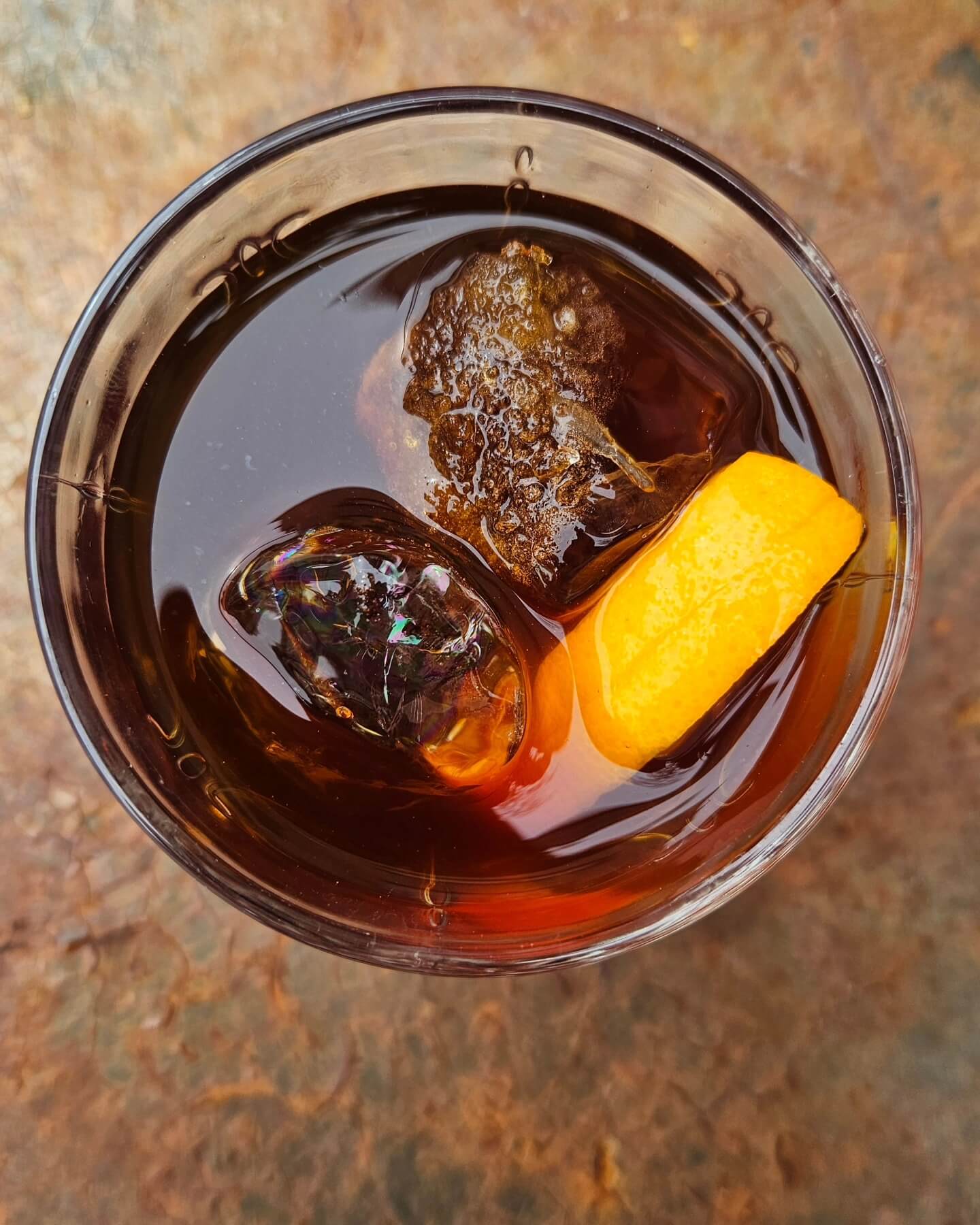
The simplest form of cold brew is an immersion method, known as full immersion. Ground coffee sits in cold water for many hours and slowly releases its flavour. There is no hot water, no pressure and no pour-over. There is also cold drip, where cold water passes through the coffee drop by drop. At home, though, almost everyone makes the immersion version, and that is what this guide covers.
Temperature changes what water can pull out of coffee. During a hot extraction some compounds dissolve within tens of seconds. That includes the compounds responsible for sharp acidity and bitterness. Cold water works more slowly and more selectively. That is why cold brew is usually milder and smoother than the same coffee brewed hot, and with many beans sweeter as well. It is not a rule for every coffee, ratio and roast level, though.
Cold brew does not have to be heavy and chocolatey. A light-roast bean can give a fruity, citrusy, floral and elegant brew. It all depends on what you put in the jar.
Cold brew vs iced coffee
These names often get mixed up on café menus, although they mean different drinks. The difference lies in the brewing temperature, not the serving temperature.
| Method | How it is made | Time | Character |
|---|---|---|---|
| Cold brew | Cold water, long steep, then filtering | 8-18 h | Smooth, usually sweet, low perceived acidity |
| Iced coffee | Coffee brewed hot and chilled or poured over ice | A few minutes | More acidic and aromatic, but easily watered down |
| Flash brew (Japanese iced) | Hot pour-over straight onto ice, less water in the brewer | 3-4 min | Usually the most aromatic, clear acidity, drunk straight away |
Cold brew wins on convenience: you make it once and have a brew for several days. Flash brew wins on aroma, because the volatile compounds do not have time to escape from the hot brew. Iced coffee is most often a way of using up the leftovers of the morning coffee, and it tastes exactly as that suggests.
What you need for cold brew
You do not need special equipment. What you have in the kitchen is enough.
- Light-roast whole bean coffee, ground just before adding water.
- A grinder that can grind coarse. A burr grinder, not a blade one.
- A kitchen scale accurate to one gram. Measuring with spoons is a lottery.
- A jar, jug or bottle with a lid, clean and free of odours.
- A filter: paper, cloth or a very fine sieve.
- Filtered water. Brewed filter coffee is about 98.5 percent water, so its taste and mineral content go straight into the brew.
If you have a French press, you already have the whole kit. You can steep the coffee in it and strain it roughly, then filter the brew through paper.
Cold brew ratio: how much coffee per litre of water
Our base recipe is 70 g of coffee to 1000 ml of water, which is 7 g per 100 ml. As a brew ratio that is about 1:14. It is a starting point worked out at our roastery, not the only industry standard.
That is a stronger ratio than in a typical pour-over. Cold extraction is slower, so with a delicate ratio the brew comes out flat. Cold brew also most often goes over ice, which adds water as it melts. So the brew needs some strength in reserve.
| Use | Coffee per 1000 ml of water | Ratio | How to drink it |
|---|---|---|---|
| Light, for drinking neat | 60 g | 1:17 | Straight from the bottle, undiluted |
| Our base | 70 g | 1:14 | Neat or over ice |
| Strong, for ice and tonic | 85 g | 1:12 | Over ice, with tonic, with sparkling water |
| Concentrate | 150 g | 1:7 | Dilute 1:2 or 1:3, meaning one part concentrate to two or three parts water or milk |
Start with 70 g and change only one parameter at a time. If the brew is too light, add coffee or extend the time. If it is heavy and slightly bitter, shorten the time or grind coarser. If you change three things at once, you will not know which one worked.
Cold brew step by step
- Weigh out 70 g of light-roast coffee.
- Grind it coarse, evenly and just before adding water.
- Put the coffee into a clean jar, jug or bottle.
- Pour over 1000 ml of cold, filtered water.
- Stir gently so that all the coffee gets wet. A dry layer on top does not brew at all.
- Cover and leave in the fridge for 12-18 hours.
- Strain off the grounds through a sieve, then filter the brew through paper or cloth.
- Pour into a clean bottle with a lid and keep it in the fridge.
The most common mistake at this stage is not stirring. Ground coffee floats on the surface, so part of the dose can stay dry all night. After adding the water, one calm stir with a spoon is enough.
How long to brew cold brew: fridge or room temperature
The time depends on the temperature where the jar stands. The warmer it is, the faster the extraction.
| Where it stands | Temperature | Steeping time |
|---|---|---|
| Fridge | 4-8°C | 12-18 hours |
| Kitchen counter | 20-25°C | 8-12 hours |
The fridge version is safer and more even. The room-temperature version is faster, but easier to overdo. After filtering, the brew has to go into the fridge straight away.
Treat these ranges as proven starting recipes, not the only correct time. The result also depends on grind, ratio and roast level. In a study published in Scientific Reports in 2017, caffeine and chlorogenic acids reached a state close to equilibrium after just 6-7 hours at about 23.5°C. So shorter steeps make sense too.
Very long brewing can increase astringency, but there is no hour after which the brew suddenly turns bitter. The simple pattern of “sweetness first, then bitterness” is poorly documented. If you want a stronger brew, change the ratio rather than the time. You will get there faster and it is easier to repeat.
Which coffee for cold brew
At the roastery we make cold brew from light-roast coffee, the same one we roast for pour-over, Chemex and AeroPress. The long steep gives it plenty of time to release sweetness and aroma. That is our choice of profile, not an objective rule.
Look for notes like these in the profile:
- citrus and red fruit,
- tropical fruit,
- floral and tea-like notes,
- honey and caramel,
- delicate chocolate,
- high natural sweetness.
We keep medium and dark roasts for espresso and the moka pot. A darker roast brings more roasty notes and bitterness. During a steep of many hours they easily become the main flavour of the brew. If you like that profile in your cold brew, a darker coffee will work too. It is a matter of taste, not a mistake.
From our range, the coffees from the Colbergcoffee roastery that work best for cold brew are those with a clear fruity sweetness, for example Burundi Karira, Kenya Masai and Malawi Ngapani Estate.
How coarse to grind coffee for cold brew
The coffee should be ground coarse or medium-coarse, roughly as for a French press. Clearly coarser than for pour-over and incomparably coarser than for espresso. A very coarse grind is not essential, but it makes filtering easier and copes well with a long steep.
A finer grind speeds up extraction and increases the amount of fines. Filtering then takes much longer, and the particles that get through the filter spoil the clarity and texture of the brew. It does not have to mean bitterness straight away if you shorten the time, but a repeatable result is harder to get. Grinding too coarse has the opposite effect: the brew is watery and lacks sweetness.
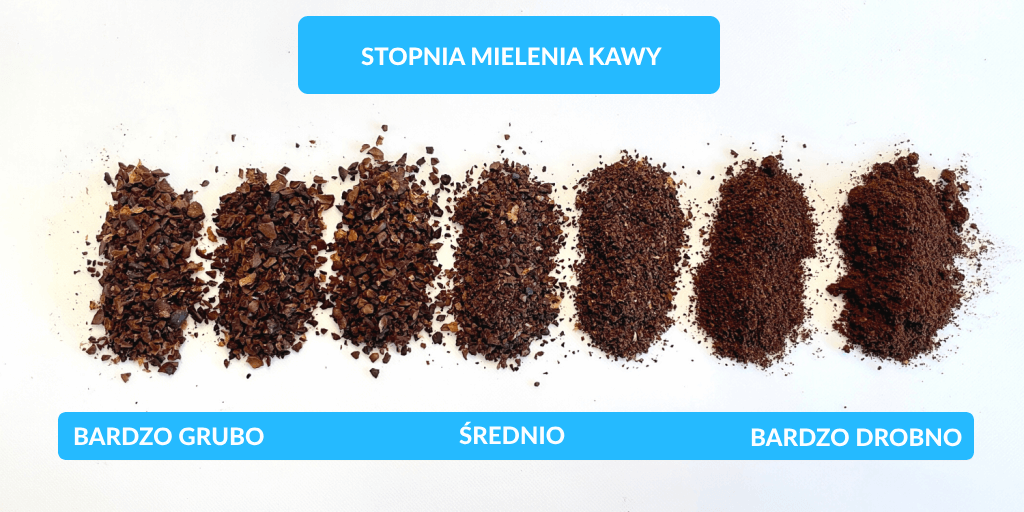
A blade grinder does not grind, it smashes the beans. It produces fines and large chunks at the same time. You can make cold brew with it, but you have much less control over the result and poor repeatability. A burr grinder, even a hand one, makes a big difference.
How to filter cold brew
The clarity of the brew depends on filtering. Two steps give the most predictable result.
- Rough. Strain off the grounds through a sieve or the plunger of a French press.
- Fine. Pour the brew through a paper filter or a cloth one.
Paper holds back most of the oils and fines. It gives the cleanest brew but filters slowly. A cloth filter lets more of them through, so the coffee has a fuller body but is less clear. Both are good options. The choice depends on the texture you want.
Do not squeeze the grounds. Pressing forces sediment into the bottle, along with the most intense fraction of liquid left in the coffee. The brew loses its clean flavour. Let it drain in its own time, even if that takes half an hour.
Is cold brew less acidic and does it have more caffeine
These are the two most often repeated claims about cold brew. Both need clarifying.
Acidity. A study published in Scientific Reports in 2018 measured the pH of cold brew and of the same coffee brewed hot. The result was 4.96-5.13 for cold brew and 4.85-5.10 for the hot brew, practically the same. A difference only appeared in titratable acidity: hot water extracts more acidic compounds. The study did not include a sensory assessment. So the lower perceived acidity of cold brew is a reasonable hypothesis, not a direct result of the experiment. What is certain is that cold brew is not acid-free coffee and does not have a significantly higher pH.
Caffeine. Cold brew does not necessarily contain more. For comparison: at Starbucks a 470 ml serving of cold brew contains about 205 mg of caffeine, and the same volume of the chain’s filter coffee 260-360 mg. A concentrate can be stronger, but you drink it diluted. The caffeine in the glass is determined by the coffee dose, ratio, steeping time and serving size, not by water temperature alone.
How to serve cold brew
The simplest version is the brew over ice, poured straight from the bottle. At 7 g per 100 ml the coffee has enough strength that melting ice does not water it down.
Cold brew tonic also works well. Put ice into a tall glass and pour in tonic. Finally, slowly top up with cold brew so the drink forms layers. Fruity and citrusy coffees suit it best, because their acidity pairs with the bitterness of the tonic.
Cold brew can also be the base for seasonal drinks: with orange juice, cherry, milk or a touch of vanilla. There is one rule: the additions must not cover the coffee. If you paid for good beans, they should remain the main flavour.

How long cold brew keeps in the fridge
Store filtered cold brew in a clean, closed bottle in the fridge. It tastes best for the first 2-3 days. This is a quality recommendation, not a use-by date. In a clean, tightly sealed vessel the brew can still be good after a week, but its aroma will be noticeably weaker. How long it keeps depends on hygiene, temperature, the type of container and exposure to air.
Two things shorten this time the most: grounds left in the brew and a dirty bottle. After steeping, the coffee must be separated from the grounds. Otherwise extraction slowly continues and the brew stays cloudy.
Dilute concentrate in the glass, not in the bottle. Added water means extra oxygen and another chance to contaminate the brew.
Frequently asked questions about cold brew
How much coffee per litre of water for cold brew?
The base ratio is 70 g of coffee to 1000 ml of water, which is 7 g per 100 ml and a ratio of about 1:14. For a lighter brew use 60 g, for a stronger one to go over ice and with tonic use 85 g. Concentrate is made with about 150 g per litre and diluted only in the glass.
How long should you brew cold brew?
In the fridge, at 4-8°C, for 12 to 18 hours. On the kitchen counter, at 20-25°C, 8-12 hours is enough. Treat these ranges as starting recipes, not the only correct time. A very long steep can push up astringency, so if you want a stronger brew, change the ratio rather than the time.
Which coffee is best for cold brew?
We choose light-roast specialty coffee, the same one roasted for pour-over and AeroPress, ideally with fruity, citrusy or honeyed sweetness in the profile. A darker roast brings more roasty notes and bitterness, which during a long steep easily become the main flavour of the brew.
How coarse should you grind coffee for cold brew?
Coarse or medium-coarse, roughly as for a French press and clearly coarser than for pour-over. A finer grind makes filtering harder and leaves fines that spoil the clarity of the brew. It is best to use a burr grinder, because a blade grinder produces fines and large chunks at the same time, so the result is not very repeatable.
Does cold brew have more caffeine than regular coffee?
Not necessarily. A 470 ml serving of cold brew at Starbucks has about 205 mg of caffeine, and the same serving of the chain’s filter coffee 260 to 360 mg. The caffeine in the glass is determined by the coffee dose, ratio, steeping time and serving size, not by water temperature alone.
How long does cold brew keep in the fridge?
It tastes best for the first 2-3 days after filtering. This is a quality recommendation, not a use-by date: in a clean, tightly sealed bottle the brew can still be good after a week, just with a noticeably weaker aroma. Never leave grounds in the brew, because extraction slowly continues and the coffee stays cloudy.
