

In specialty coffee it is said more and more often that the flavour experience does not end at the grinder, the water or the brew parameters. What you drink it out of counts too. The material of the cup subtly changes how you read the aroma, the temperature and the structure of the brew. With light roasts, which are more complex and more delicate, those differences can be particularly easy to notice.
Professional cuppers around the Specialty Coffee Association have been making the point for years that flavour perception depends not only on the chemistry of the brew but on the conditions it is served in. Temperature, the way the cup meets your mouth and how concentrated the aroma is above the surface all change which notes seem to dominate.
Porcelain: the most neutral option
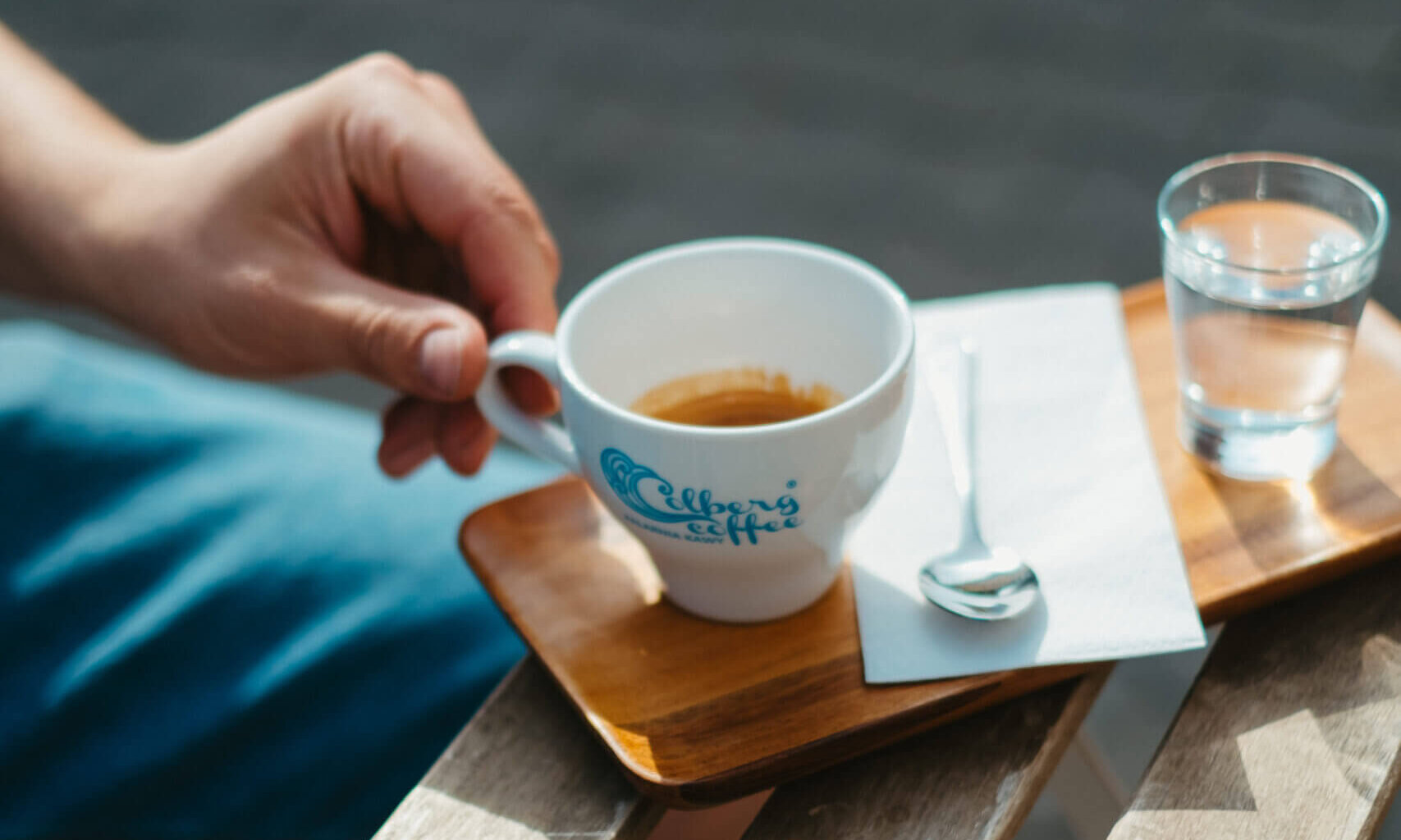
Specialty cafés reach for porcelain most often, and that is no accident. Porcelain is very smooth, chemically neutral and thermally stable. It adds nothing of its own, in taste or in smell.
With light roasts, Ethiopians and Kenyans among them, that matters enormously. Those coffees often carry citrus, stone fruit or floral notes. Porcelain keeps them clean and legible, because it absorbs no aroma and holds the brew at a steady temperature.
Temperature stability is the key here. Light roasts often only show their sweetness once the brew starts to cool. A porcelain cup slows that down, so the aromas open up gradually rather than all at once.
Ceramic and stoneware: a stronger sense of body
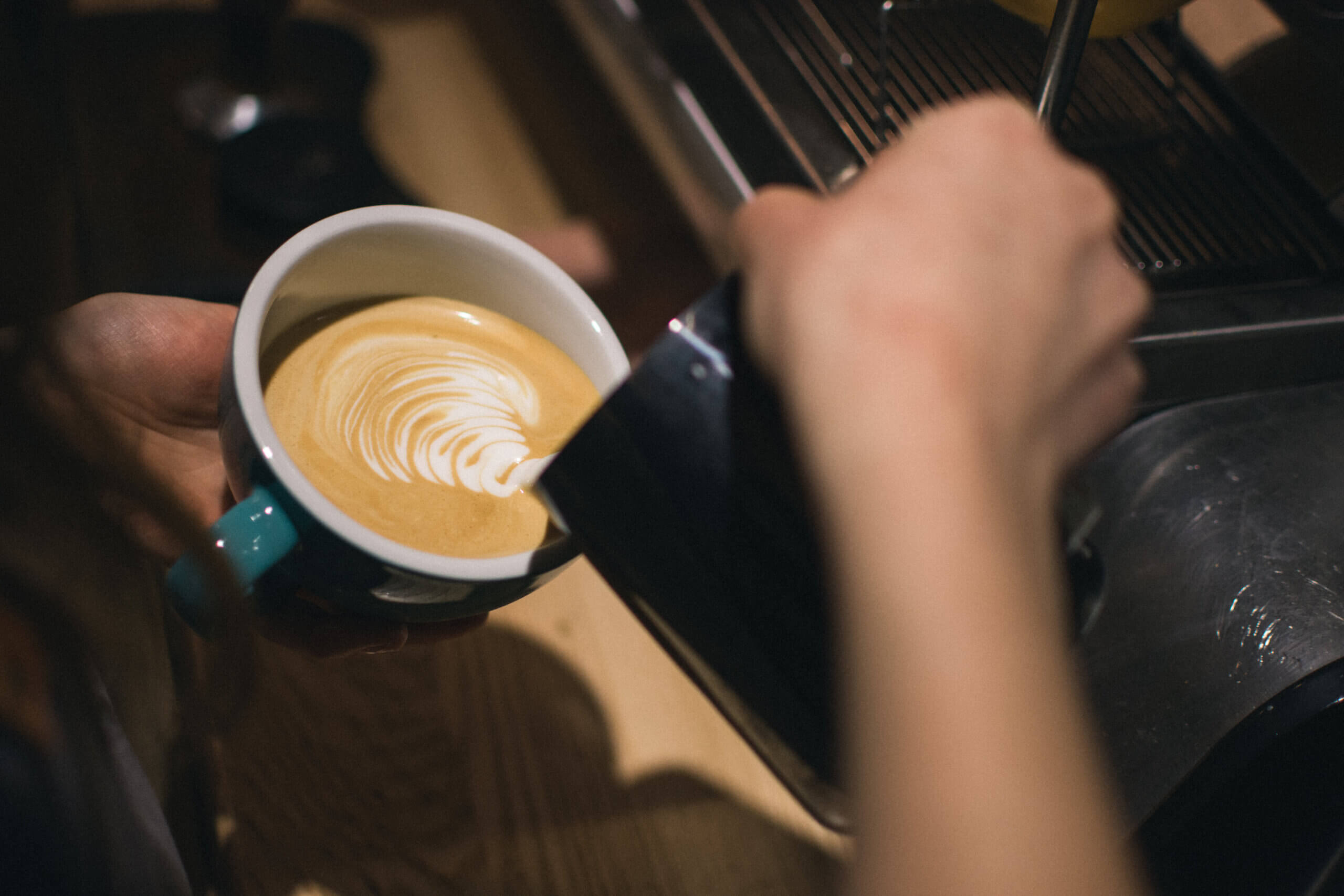
Thicker walled ceramic, stoneware especially, gives you something slightly different. It is heavier and usually thicker than porcelain, and the drink can come across as fuller because of it.
In tasting practice, coffee served in a heavy ceramic vessel often seems to have more body and a creamier texture. The coffee itself has not changed. What has changed is how it arrives in your mouth and how long it holds its heat.
With light roasts that can soften the acidity a little and pull the taster’s attention towards sweetness and the structure of the brew.
What specialty actually means now
The definition of specialty coffee keeps moving. The 2004 scoring form was replaced in 2024 by the Coffee Value Assessment, and the score became one of four assessments instead of the whole definition. The detail is in Specialty coffee: what it means now that 80 points is no longer enough.
Glass: more aromatic expression, faster cooling
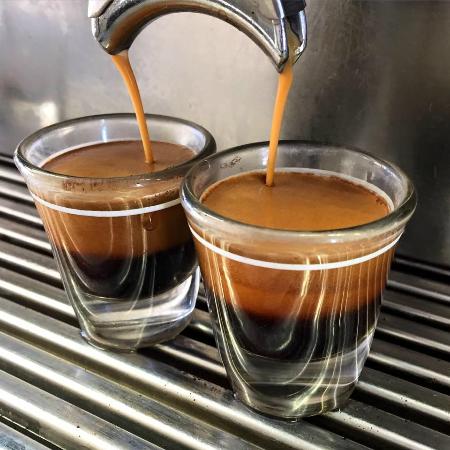
Glass turns up a lot with filter methods, particularly for serving pour-overs. It looks good and lets you see the colour of the brew, but its thermal behaviour is nothing like porcelain or ceramic.
Glass gives up heat faster, so the coffee cools faster. With light roasts that cuts both ways. Sweetness and fruit notes arrive sooner, because they are easier to read at a lower temperature. At the same time the aromas can feel less concentrated, because the brew drops in temperature too quickly.
Why this matters in specialty coffee
With dark roasts the differences between cup materials are less obvious, because chocolate, caramel and bitterness dominate anyway. With light specialty roasts, where you get delicate fruit, floral and tea-like notes, every part of the serve starts to count.
That is why good specialty cafés do not pick their cups at random. The material affects the temperature of the brew, how the aromas come off it and how you read the texture. The same coffee can land as sweeter, fruitier or creamier while its chemistry stays exactly the same.
It is one of the reasons drinking coffee in a specialty café can feel so different from drinking it at home. Sometimes the difference is not the bean or the machine, but the cup that lets the coffee show what it has.
FAQ: the cup and the taste of specialty coffee
Can the same coffee taste different in different cups?
Yes. The brew itself is identical, but the material of the cup affects the temperature, the way the aroma is released and how the coffee meets your mouth. In practice the same coffee can seem fruitier, sweeter or creamier.
Why is porcelain the usual choice for specialty coffee?
Porcelain is valued for being neutral in flavour and for holding temperature well. It adds no smell or sensation of its own, so you can concentrate on the natural profile of the coffee and pick out its notes more accurately.
Does the thickness of the cup change how espresso comes across?
Yes. Thicker walls keep espresso hot for longer and can strengthen the sense of fuller body. They also change how you drink from the cup, which can make the coffee seem creamier and more balanced.
Why does coffee served in glass seem lighter?
Glass gives up heat faster than porcelain or ceramic, so the brew cools sooner. At a lower temperature the fruit and the more delicate notes are easier to find, which makes the coffee read as fresher, lighter and cleaner.
Which coffees are most affected by the material of the cup?
Light roast specialty coffees. They carry the most delicate floral, fruity and tea-like notes, and those are the easiest to bring out or flatten depending on the vessel.
